Tretinoin (Isotretinoin) – Patient-Friendly Guide (UK)
Tretinoin, more commonly referred to in dermatology as isotretinoin, is a powerful medicine used mainly to treat severe acne. It works by targeting several causes of acne at once, including oil production, clogged pores, inflammation and bacterial activity.
This guide explains how isotretinoin works, how it behaves in the body, how it is usually taken, practical tips for day-to-day use, and important safety information relevant to the United Kingdom.
1) Basic product information
- Medicinal name: Isotretinoin (often referred to as tretinoin in some contexts)
- What it is used for: Mainly severe acne (especially nodular or cystic acne) and certain other acne-related conditions
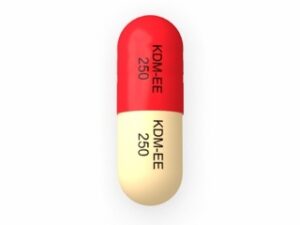
- How it comes: Capsules (strengths vary by brand; your pharmacist will supply the exact product)
- Key safety note: Isotretinoin can cause serious birth defects. Strict pregnancy prevention rules apply.
Important: Always follow the instructions given by your prescriber and pharmacist, and read the patient information leaflet supplied with your medicine.
2) How isotretinoin works (mechanism of action)
Acne is more than “blocked pores.” It typically involves:
- Overproduction of sebum (oil) by the sebaceous glands
- Clogging of hair follicles (keratin build-up leading to comedones)
- Inflammation and sometimes bacterial involvement (Cutibacterium acnes)
Isotretinoin helps by:
- Reducing sebum production: It significantly decreases oil gland activity, which helps prevent clogged pores.
- Normalising cell turnover: It helps prevent abnormal keratinisation inside follicles.
- Reducing inflammation: Acne inflammation often improves as the process stabilises.
- Improving the acne environment: With less oil and better follicle regulation, acne lesions are less likely to develop.
3) Pharmacokinetics (what the body does with the medicine)
“Pharmacokinetics” describes how isotretinoin is absorbed, processed and eliminated. While individuals vary, these are general principles:
- Absorption: Isotretinoin is lipophilic (fat-soluble), so absorption increases when taken with food, particularly with a meal that contains fat.
- Metabolism: The medicine is metabolised mainly in the liver to active metabolites (including retinoid-related compounds).
- Distribution: Retinoids distribute widely throughout tissues, including skin where they help reduce acne activity.
- Half-life: Isotretinoin is eliminated over days; metabolites can remain longer, which is why effects and safety monitoring may continue after stopping.
- Excretion: Metabolites are cleared primarily through urine and faeces.
4) Typical use in the UK
In the UK, isotretinoin is commonly used for acne when other treatments have not worked well enough, or when acne is severe and likely to cause scarring. It may be used for both:
- Inflammatory acne (for example, nodules and cysts)
- Severe acne that affects quality of life or leads to scarring
Your clinician will consider factors such as acne severity, scarring risk, prior treatments, and your personal safety profile.
5) Indications (what it’s used for)
The most common indication is treatment of severe acne. Depending on the specific formulation and local practice, isotretinoin may also be used under medical guidance for certain other conditions related to abnormal keratinisation or severe inflammatory skin disorders. Your pharmacist can help confirm the intended use for your prescription.
Acne types often considered:
- Severe nodular acne
- Cystic acne
- Acne at risk of scarring or significant psychological impact
6) Dosing: how it is usually taken
Dosing can vary based on body weight, severity, and treatment response. In practice, clinicians commonly aim for a target “total course dose” over several months. The exact strength and number of capsules depends on the product you are given.
General points (not a substitute for your clinician’s instructions):
- Take exactly as directed. Dose changes may happen during the course.
- Adherence matters: Missing doses may affect how well acne responds and may influence side effects.
- Treatment duration: Often several months, with improvements typically building over time.
If you have concerns about the dose (for example, side effects or a missed dose), discuss them with your pharmacist promptly rather than changing the plan yourself.
7) Timing and practical routine
Consistent timing helps you fit isotretinoin safely into daily life. Because absorption can increase with food, many regimens are taken with meals.
- Choose a routine: Take it around the same time each day.
- Take with a main meal: For best absorption, take it with food—follow your specific instructions.
- Pair with hydration and moisturising: Dry skin and lips are common; plan ahead.
What if you miss a dose? Follow advice from your healthcare team or the leaflet. In general, avoid double dosing unless instructed. If you’re unsure, ask your pharmacist.
8) Food interactions (including alcohol-containing foods)
Food: Isotretinoin absorption improves when taken with food, especially meals containing fat. Taking it on an empty stomach may reduce absorption and effectiveness for some people.
Grapefruit: While not the most common concern for isotretinoin, avoid making major changes to diet that affect liver metabolism without advice. If you plan to use grapefruit products frequently, ask your pharmacist.
Alcohol in foods: Small amounts in cooking are usually not a major issue. However, alcohol consumption as a drink can increase risk with isotretinoin in relation to the liver (see below).
9) Alcohol and medicine interactions
Alcohol
Isotretinoin can affect liver function and may raise blood lipids (fats such as triglycerides). Drinking alcohol while taking isotretinoin may increase liver stress.
- General recommendation: Minimise alcohol and discuss your intake with your clinician.
- Avoid binge drinking: This increases risk to the liver and may worsen side effects.
Medicines and supplements
Interactions depend on what else you take. Always inform your clinician and pharmacist about all medicines, including over-the-counter products and herbal supplements. Key interaction concerns may include:
- Other retinoids or vitamin A supplements: Avoid taking additional vitamin A or retinoid medicines at the same time, as the risk of excessive vitamin A effects increases.
- Tetracycline antibiotics: There is a risk of increased intracranial pressure with certain antibiotics in combination with retinoids. If you are prescribed an antibiotic, your prescriber should check for suitability.
- Hormonal contraceptives: These are not usually “contraindicated,” but pregnancy prevention planning must be followed strictly. If you have concerns about contraception, discuss them early.
- Liver-affecting medicines: Some medications can also stress the liver. Your pharmacist can help check interactions.
- Herbal products: Supplements are not always risk-free; ask before taking new products.
Practical tip: Keep a list of all your medicines and bring it when you collect refills, especially if anything has changed since your last review.
10) Safety profile: what to expect and when to seek help
Isotretinoin is effective for severe acne, but it has a well-known side effect profile. Many effects are manageable with appropriate skin and lifestyle care. Others are less common but require prompt medical attention.
Common side effects
- Dry lips (cheilitis) and dry skin
- Dry eyes or irritation
- Dryness in the nose (sometimes causing mild nosebleeds)
- Muscle aches or joint discomfort
- Changes in skin sensitivity and sunburn risk
- Temporary acne flare may occur in early weeks for some people
Blood test changes (monitoring)
Clinicians often monitor blood tests during treatment to check for changes in:
- Liver function
- Blood lipids (e.g., triglycerides)
- Full blood count in some cases
Serious or urgent symptoms
Seek urgent medical advice if you experience:
- Severe headache, vision changes, or symptoms of increased intracranial pressure
- Severe abdominal pain, persistent vomiting, or yellowing of eyes/skin (jaundice)
- Signs of severe allergic reaction (swelling, difficulty breathing, rash with other symptoms)
- Significant mood changes or thoughts of self-harm—contact urgent support immediately
Pregnancy and severe birth defect risk
One of the most important safety issues with isotretinoin is its risk in pregnancy. Isotretinoin can cause severe birth defects. Strict pregnancy prevention measures apply to anyone who could become pregnant.
- Do not use in pregnancy.
- Contraception requirements: Follow the UK pregnancy prevention programme advice exactly, including the need for contraception and timing of tests if applicable to your situation.
- Do not share medicine.
If you think you may be pregnant, or are planning pregnancy, contact a healthcare professional immediately.
11) Practical use tips (to make treatment easier)
Skin and lip care
- Moisturise regularly: Use a gentle, fragrance-free moisturiser.
- Protect lips: Apply lip balm frequently (look for soothing, emollient ingredients).
- Consider gentle cleansing: Avoid harsh scrubs and strong exfoliants.
- Be sun-smart: Use broad-spectrum sunscreen and wear protective clothing.
Eye comfort
- If you get dry or gritty eyes, consider lubricating eye drops (ask a pharmacist which type is suitable).
- Reduce exposure to wind, dust, and smoke where possible.
Managing aches
- Light stretching and gradual activity may help muscle discomfort.
- Tell your clinician if pain is severe or persistent.
Acne flare: what to know
Some people notice worsening or new spots during the first few weeks. This does not always mean treatment is failing. Improvements often build gradually. Keep going as instructed and speak to your clinician if you are concerned.
Sun exposure, waxing and skin procedures
- Avoid aggressive skin treatments (such as waxing) unless your clinician confirms it is safe for you.
- Be cautious with chemical peels and similar procedures—your skin can be more sensitive while taking isotretinoin.
12) Alternative options (if isotretinoin isn’t suitable)
Acne treatments vary depending on severity, skin type and previous response. Alternatives might include:
- Topical treatments such as benzoyl peroxide, topical retinoids (e.g., adapalene/tretinoin preparations where appropriate), or topical antibiotics in selected cases.
- Oral antibiotics for inflammatory acne (used for limited periods alongside topical therapy).
- Hormonal treatments for acne in suitable patients (where appropriate and carefully selected).
- Other oral options depending on guidance and availability (your clinician will advise what is appropriate).
- Procedures and support: Specialist dermatology approaches for scarring risk, combined with ongoing skin care.
Your pharmacist or GP/dermatology team can discuss what alternatives may fit your situation if isotretinoin is not appropriate.
13) Market and legal context in the United Kingdom
In the UK, isotretinoin is regulated and supplied under medicines governance frameworks, and it is managed with additional safeguards because of its pregnancy risk. These safeguards are designed to prevent exposure during pregnancy and to ensure safe prescribing and monitoring.
Key points in the UK include:
- Strict patient safety measures for those who could become pregnant
- Monitoring through clinical reviews and blood tests as advised
- Controlled access to reduce the risk of inappropriate use
- Education and documentation before and during therapy
Availability may vary by brand and strength. If you cannot find a specific brand at a given time, your pharmacy may be able to provide an equivalent product based on availability and your prescriber’s guidance.
14) Recent guidance (UK-focused themes)
Guidance updates can occur as evidence evolves and as regulatory programmes are refined. Common themes in recent UK clinical practice include:
- Reinforcing pregnancy prevention measures with clear education and documentation
- Emphasising lifestyle measures to help manage dry skin/eyes and photosensitivity
- Careful monitoring of liver function and blood lipids, with dose adjustments where clinically appropriate
- Encouraging timely reporting of mood changes, severe headache, or abdominal pain
Your healthcare team will apply the latest locally relevant protocols at your appointments.
15) Delivery and availability (online pharmacy)
Availability of isotretinoin products can be affected by stock levels, formulation strengths, and package sizes. Ordering online may offer convenience, but some safety processes may require additional checks.
- Dispatch times: Depend on the product strength and current stock at the pharmacy warehouse.
- Delivery: Most UK deliveries are arranged via tracked courier services. Delivery timing varies by location and order processing time.
- Stock substitutions: If the exact brand/strength is unavailable, the pharmacy may discuss equivalent options if permitted.
- Packaging: Medicines are supplied in tamper-evident packaging with patient information included.
If you are planning treatment and need a specific start date, contact customer support as soon as possible—this helps avoid delays.
16) FAQ
How long does isotretinoin take to work?
Acne usually starts improving after several weeks, but significant improvement often takes longer (many people need a few months). Early flare can happen for some people, particularly in the first weeks.
Is isotretinoin the same as tretinoin?
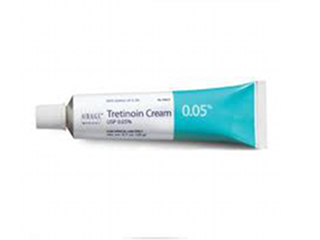
The terms are sometimes confused. In acne treatment discussions, tretinoin may refer to topical retinoid products, while isotretinoin refers to the oral retinoid used for severe acne. Your medicine packaging will show the exact name and formulation.
Should I take isotretinoin with food?
Many regimens are taken with a main meal to improve absorption. Follow the exact instruction provided with your medicine for your specific dosing schedule.
Can I drink alcohol while taking it?
Alcohol may increase stress on the liver. It’s safest to keep alcohol low or avoid it, and discuss your usual intake with your clinician. If you have liver problems or abnormal blood tests, you may be advised to avoid alcohol completely.
What moisturiser should I use?
Choose a gentle, fragrance-free moisturiser and reapply as needed. If you’re unsure, ask your pharmacist for recommendations that suit sensitive skin.
Can I wear makeup?
Generally yes, but use non-comedogenic products (labelled “won’t clog pores”) and remove makeup gently. If your skin is very dry or irritated, you may want to switch to simpler routines.
Will I need blood tests?
Many people have routine monitoring for liver function and blood lipids during treatment. The schedule and tests can differ based on your individual risk profile and dose.
What should I do if I become pregnant?
Contact a healthcare professional immediately. Isotretinoin must not be used in pregnancy due to the risk of severe birth defects.
Can I donate blood?
Donation rules can vary during isotretinoin use and for a period after stopping, due to retinoid exposure risks. Ask your clinician or the blood donation service for the most up-to-date requirements.
What if I need antibiotics or other new medicines?
Tell your pharmacist and clinician that you are taking isotretinoin before starting any new medicine, including antibiotics and over-the-counter products. Some combinations should be avoided.
Are there alternatives if I can’t tolerate side effects?
Sometimes side effects can be managed with supportive skin and lifestyle care or by adjusting the dose as advised. If isotretinoin is not suitable, other acne treatments may be considered by your clinician.
Summary
Isotretinoin is a highly effective oral medicine for severe acne. It works by reducing oil production, helping normalise skin cell behaviour, and improving inflammatory processes that drive acne. While side effects are common—especially dryness—many people manage them successfully with careful skin care, sun protection and regular monitoring. Because of the serious risk in pregnancy, UK safety programmes and pregnancy prevention measures are essential.
If you have questions about your specific product strength, how to take it with food, side effect management, or interactions with other medicines, speak to your pharmacist or healthcare team.