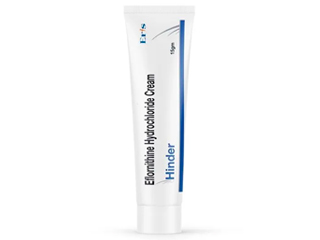
Vaniqa (Eflornithine) – Cream for Excess Facial Hair in Women
Vaniqa is a prescription medicine containing eflornithine, an active ingredient used to reduce unwanted facial hair in women. It works by slowing down the overproduction of hair from within the skin, helping to make hair regrowth finer and less noticeable over time.
This patient-friendly guide explains how Vaniqa works, how to use it effectively, what to expect, and important safety and interaction information—tailored for people in the United Kingdom.
At a Glance
- Medicine: Vaniqa (eflornithine)
- Form: Cream for topical use
- Who it’s for: Women with unwanted facial hair (e.g., chin, upper lip)
- What it does: Reduces the rate of hair regrowth by affecting hair follicle cell activity
- Typical results: You usually need to apply consistently; noticeable improvement often starts after about 4–8 weeks
- How often: Commonly twice daily (see dosing section for details)
Basic Product Information
| Category | Details |
|---|---|
| Active ingredient | Eflornithine |
| Brand | Vaniqa |
| Medicine type | Topical cream (skin application) |
| Common use | Reduces unwanted facial hair in women |
| Typical application frequency | Twice daily to treated areas |
How Vaniqa Works (Mechanism of Action)
Unwanted facial hair is influenced by how active hair follicles are. Eflornithine works locally in the skin to reduce the speed at which hair grows.
Mechanism: Eflornithine inhibits a key enzyme involved in hair follicle growth processes. In practical terms, it helps slow down hair regrowth so that hairs become finer and less frequent over time.
Important note: Vaniqa is not a hair removal method that immediately removes existing hair. Instead, it helps control future growth. Many people continue using their preferred hair removal method (such as shaving or trimming) while the cream builds effect.
Pharmacokinetics: What the Body Does With Eflornithine
Because Vaniqa is applied to the skin, most of the active ingredient acts locally. Only limited amounts are absorbed into the bloodstream compared with oral medicines.
- Absorption: Topical absorption is generally low.
- Distribution: A small amount of systemic absorption may occur.
- Metabolism and excretion: Any absorbed fraction is handled by normal body elimination processes.
In everyday use, this means the medicine is typically well suited to local treatment. However, it is still important to follow the instructions carefully and apply to the correct areas only.
Typical Use and Areas Treated
Vaniqa is typically used for excess facial hair in women, particularly in areas such as:
- Chin
- Upper lip
- Cheeks
- Jawline
Vaniqa is designed for facial skin. It should not be used for other body areas unless your clinician has advised it.
When to Expect Results (Timing)
Hair growth cycles take time. For that reason, consistent application is key.
- Early signs: Some people notice changes sooner, but improvement is often gradual.
- Typical improvement: Usually after 4 to 8 weeks of regular use.
- Best effect: Continued treatment often provides further reduction over time.
If you stop using Vaniqa, hair growth typically returns over time to pre-treatment levels, because the underlying hair growth process is still present.
Indications (What It’s Used For)
Vaniqa is indicated for the reduction of unwanted facial hair in women.
It’s intended for cosmetic improvement of facial hair growth and is not a cure for the underlying causes of hair growth.
Dosing and How to Use Vaniqa
Usual dose
- Adults: Apply the cream thinly to the affected facial areas.
- Frequency: Commonly twice daily (for example, morning and evening), separated by roughly 8–12 hours.
Application steps (practical)
- Wash and dry the skin.
- Apply a thin layer to the areas with unwanted hair.
- Gently rub in until the cream is absorbed.
- Wash your hands after application.
How long to use
For best results, use regularly as directed. If you do not see any improvement after the expected time window, discuss this with a healthcare professional.
What not to do
- Do not apply to eyes, eyelids, lips, or inside the nose/mouth.
- Avoid broken, irritated, or infected skin.
- Do not cover with occlusive dressings unless advised.
Food Interactions
Because Vaniqa is applied to the skin and only limited amounts are absorbed systemically, food interactions are not generally expected.
There are no known specific dietary restrictions for people using Vaniqa cream.
Alcohol and Medicine Interactions
Alcohol: There is no commonly reported direct interaction between alcohol and topical eflornithine. However, if alcohol worsens skin irritation or triggers flushing in you, consider reducing alcohol intake while starting treatment.
Other medicines: Vaniqa has a low likelihood of major systemic interactions due to limited absorption. Still, interactions are possible if:
- You are using other topical products on the same area (especially strong or irritating ones).
- You have a skin condition that may be aggravated (eczema, dermatitis, acne flare-ups).
- You are taking oral medicines that also affect hair growth or skin response (your clinician can advise).
Topical product caution
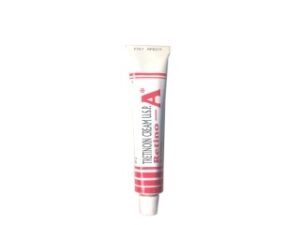
- Be careful when combining with strong exfoliants, retinoids, acids (e.g., glycolic/salicylic), or other irritants.
- Use a gentle skincare routine while you adapt to Vaniqa.
- If you use moisturisers, apply Vaniqa first (unless instructed otherwise) and allow it to absorb.
Safety Profile and Side Effects
Most side effects are related to the skin at the application site. Many are mild and improve with continued use or by adjusting skincare routine.
Common side effects
- Skin irritation (e.g., redness, burning, stinging)
- Dry skin
- Itching
- Acneiform rash in some individuals
Less common concerns
- More pronounced inflammation or dermatitis
- Worsening of an existing skin condition
Seek urgent advice if
Stop using the cream and seek medical attention immediately if you develop signs of a severe allergic reaction, such as:
- Swelling of the face or eyelids
- Difficulty breathing
- Severe rash spreading rapidly
Special precautions
- Pregnancy and breastfeeding: Discuss suitability with a healthcare professional if you are pregnant, trying to conceive, or breastfeeding.
- Children: Vaniqa is intended for adult use; dosing and suitability in children should be assessed by a clinician.
- Skin sensitivity: If you have very sensitive skin, start gradually if recommended by your clinician.
Practical Use Tips for Best Results
1) Apply consistently
Vaniqa works with time and regular application. Missing doses or irregular use may delay or reduce results.
2) Use with your existing hair removal routine
Many people continue to shave or use gentle methods while starting Vaniqa. Keep in mind:
- Shaving does not “remove” the effect of Vaniqa because it targets hair growth within follicles.
- To reduce irritation, use a clean razor and avoid shaving immediately after applying the cream.
3) Avoid contact with eyes and mucous membranes
The cream should not enter the eyes or mouth. If accidental contact occurs, rinse thoroughly with water.
4) Manage irritation early
- If your skin stings or becomes red, pause and seek advice before continuing.
- Consider switching to a simple, fragrance-free moisturiser for the treatment period.
5) Don’t apply to large areas
Follow the affected-area guidance given by your clinician. Over-application can increase the risk of irritation without improving results.
Alternative Options for Unwanted Facial Hair
There are several approaches to managing unwanted facial hair. The best option depends on your skin type, hair thickness, budget, and desired permanence.
Topical or skin-focused options
- Other hair-reduction creams (where available): Some products reduce hair growth or change hair appearance, though effectiveness varies.
- Eflornithine alternatives: Depending on availability, other formulations or brands may exist.
Procedural options
- Laser hair reduction: Can significantly reduce hair growth after multiple sessions; results vary by hair and skin type.
- Electrolysis: Can remove individual hairs; usually takes many sessions.
Mechanical methods
- Shaving, trimming, and depilatory creams: Useful for immediate appearance but do not reduce regrowth rate long-term.
Speak to a clinician or dermatology professional to compare options for your situation. If you are considering procedures, let them know you are using Vaniqa, as timing around treatments may affect skin sensitivity.
Market and Legal Context in the United Kingdom
In the UK, Vaniqa (eflornithine) is an established medicine for the reduction of unwanted facial hair in women. Availability may vary between pharmacies and online dispensers depending on supply and packaging.
Online pharmacies must follow UK regulatory requirements for medicines supply, including:
- Use of appropriate supply channels
- Verification of the correct medicine and patient information
- Safe storage and delivery standards
- Clear handling of returns/refunds where permitted
Guidance and availability can change over time due to licensing updates, formulary decisions, or supply chain factors. Always rely on the information provided by your supplier and any updates from healthcare professionals.
Recent Guidance and Ongoing Considerations
While product-specific labelling may be updated over time, the core approach to eflornithine creams remains consistent:
- Regular twice-daily application to affected facial areas
- Patience with timing (improvement typically after weeks, not days)
- Monitoring skin reactions and adjusting skincare to reduce irritation
If you notice worsening skin symptoms, new rashes, or signs of intolerance, seek advice promptly. Current clinical practice also emphasises choosing gentle, non-irritating skincare while using topical hair-reduction medicines.
Delivery and Availability (United Kingdom)
Availability of Vaniqa may depend on local stock levels and manufacturer supply. Online pharmacy suppliers in the UK typically offer:
- Standard delivery (often 2–5 working days, depending on location)
- Express options where available
- Order tracking for dispatched items
Storage: Keep the cream according to the instructions on the product packaging. Store in a cool, dry place and keep the cap closed.
If your order is delayed, check your tracking information and contact customer support. For urgent clinical concerns, seek medical advice rather than waiting for supply.
FAQ – Frequently Asked Questions
1) How quickly will Vaniqa work?
Most people need to use Vaniqa consistently for at least 4–8 weeks to see noticeable improvement. Results vary, and continued use typically provides further benefit.
2) Can I shave while using Vaniqa?
Yes, many people shave or trim while using Vaniqa. To minimise irritation, avoid shaving immediately after applying the cream and use gentle shaving practices.
3) Does Vaniqa remove hair permanently?
No. Vaniqa helps reduce the rate of regrowth. If treatment stops, hair growth usually returns gradually.
4) Where exactly should I apply the cream?
Apply to the affected facial areas only (such as chin, upper lip, cheeks). Avoid eyes, eyelids, lips, and inside the nose/mouth.
5) What should I do if my skin becomes very irritated?
Stop using the cream and seek advice from a healthcare professional or pharmacist. Skin irritation can require a change in routine or temporary discontinuation.
6) Can I use moisturisers or make-up?
Moisturisers can generally be used, but it’s best to apply Vaniqa first and let it absorb. If make-up causes irritation, consider waiting until your skin feels comfortable with the cream.
7) Is it safe to use with other skincare products?
Be cautious with exfoliants, retinoids, or strong acids, as these can increase irritation. If unsure, ask a pharmacist for advice based on your specific products.
8) Are there food interactions?
Because Vaniqa is used on the skin with low systemic absorption, significant food interactions are not generally expected.
9) What about alcohol?
No direct interaction is typically expected. However, alcohol may worsen skin flushing or irritation in some people, so pay attention to how your skin reacts.
10) How do I store Vaniqa?
Store the cream as directed on the pack and keep it tightly closed. Keep out of reach of children.
Summary
Vaniqa (eflornithine) cream is a topical treatment designed to reduce unwanted facial hair growth in women. It works gradually by slowing hair follicle activity, with improvement often becoming noticeable after 4–8 weeks. For best results, apply a thin layer to affected areas twice daily, maintain a gentle skincare routine, and monitor for skin irritation.
If you have questions about suitability, interactions with your current skincare or medicines, or concerns about side effects, consult a healthcare professional or pharmacist.