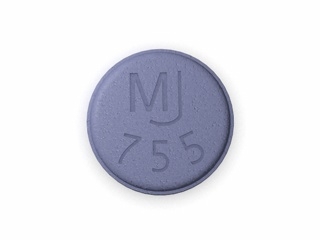


Estrace (Estradiol) – Patient Guide (UK)
Estrace is a brand of estradiol, a form of the hormone oestrogen used to treat certain hormone-related conditions. This guide explains how Estrace works, what it’s used for, typical timing, safety considerations, and practical tips for using it effectively. It also covers food, alcohol, medicine interactions, and what you can expect regarding availability in the United Kingdom.
Important: Hormone medicines affect individuals differently. Always follow the dosing instructions provided with your product and ask a pharmacist or doctor if you have questions about your specific situation.
Quick Facts
- Active ingredient: Estradiol (oestrogen)
- What Estrace is: A hormone replacement/ oestrogen therapy option
- How it may be used: Depending on the presentation, it can be taken as directed for menopausal symptoms or other oestrogen-responsive conditions
- Common benefits: Reduces oestrogen deficiency symptoms such as hot flushes and vaginal dryness
- Key safety theme: Oestrogen therapy has risks that depend on dose, duration, age, and personal medical history
Basic Product Information
Estrace contains estradiol, an oestrogen naturally produced in the body. In the UK, oestrogen medicines are used mainly in menopausal hormone therapy or for specific conditions where oestrogen is needed and appropriate.
What strength to choose: Strength and dosing depend on the reason for use, your age, menopausal status, and whether you have a uterus. For people with a uterus, a progestogen is often required alongside oestrogen to protect against endometrial overgrowth (the endometrium lining).
How long it takes to work: Some symptoms can improve within days to weeks, while other effects (for example, vaginal comfort and urinary symptoms) may take longer. The healthcare team may review benefits and risks after a set period.
How Estrace Works (Mechanism of Action)
Estradiol works by binding to oestrogen receptors in various tissues. These receptors are found in places such as the brain, reproductive tract, bones, and the urinary system.
- Relieves menopausal symptoms: It helps regulate thermoregulation in the brain, which can reduce hot flushes and night sweats.
- Improves vaginal and urinary comfort: Oestrogen supports the vaginal lining, lubrication, elasticity, and acidity, which can reduce dryness, discomfort, and pain with intercourse.
- Supports bone health: By reducing bone resorption, oestrogen can help prevent bone loss.
- Affects hormone balance: It replaces oestrogen that naturally declines during menopause or other conditions.
Pharmacokinetics (Absorption, Distribution, Metabolism, Excretion)
Pharmacokinetics describes what the body does to the medicine and includes absorption, metabolism, and elimination.
- Absorption: Estradiol absorption varies depending on how the medicine is taken (for example, by mouth or other routes). After administration, it enters the bloodstream and reaches target organs.
- Distribution: Estradiol travels in the blood largely bound to sex hormone-binding globulin (SHBG) and other plasma proteins.
- Metabolism: Estradiol is primarily metabolised in the liver. Metabolites can be excreted in bile and urine.
- Elimination: The medicine and its metabolites are removed mainly via the kidneys and digestive system.
Clinical implication: Because estradiol is handled by the liver and can be affected by other medicines, liver function and drug interactions are important considerations.
Typical Use in the UK
Estrace is an oestrogen therapy used for oestrogen-responsive conditions. The most common uses relate to menopause and oestrogen deficiency.
Common indications
- Menopausal symptoms (for example hot flushes and night sweats) due to oestrogen deficiency
- Vaginal and vulval atrophy symptoms such as dryness, irritation, and discomfort
- Prevention of bone loss in selected people, when appropriate (this depends on risk profile and other therapies)
- Other specific conditions where oestrogen therapy is considered suitable by a clinician
Uterus protection: If you have an intact uterus, oestrogen therapy alone can increase the risk of endometrial hyperplasia. In many cases, you need a progestogen in combination with oestrogen to reduce endometrial risk.
Timing: When to Take Estrace
Timing depends on the formulation and your individual regimen. In general:
- Try to take it at the same time each day to maintain consistent hormone levels.
- Swallow tablets with water (if your product is oral) unless your leaflet instructs otherwise.
- If you miss a dose: Follow the missed-dose guidance provided with your specific product. As a general rule, do not take a double dose to make up for a missed one unless instructed.
Symptom tracking: It can help to note symptom changes over the first 2–12 weeks to support dose and regimen reviews with your healthcare professional.
Food Interactions
Estradiol’s effect can be influenced by how it’s absorbed, and absorption can be affected by certain foods in some formulations. However, for many patients, food does not cause major interaction problems.
- General guidance: Take Estrace according to the instructions on your pack.
- If you experience stomach upset: Some people find taking it with food helps, but follow your specific product instructions or ask a pharmacist.
- Grapefruit and similar products: Grapefruit can interact with some medicines by affecting liver enzymes and drug transporters. If you use grapefruit or certain fruit juices regularly, ask your pharmacist whether it’s relevant for your Estrace presentation and dosing.
Best practice: Always check the patient information leaflet for your exact brand/strength and ask about any dietary habits that concern you.
Alcohol Interactions
Alcohol does not always cause a direct interaction with estradiol, but it can affect your health and liver function, and it can worsen symptoms for some people.
- Moderation is sensible: If you drink alcohol, keep it moderate and consistent.
- Watch for side effects: If you notice dizziness, headaches, nausea, or mood changes after alcohol, consider reducing intake and discuss with your healthcare professional.
- Liver considerations: Heavy or long-term alcohol use may increase strain on the liver, which is relevant since estradiol is metabolised in the liver.
If you’re unsure about your alcohol intake, a pharmacist can offer personalised advice.
Medicine Interactions (Including Common Concern Areas)
Certain medicines can change how estradiol levels are processed in the body. Others can increase risk of side effects. Tell your pharmacist about all medicines you take, including over-the-counter products and herbal remedies.
Medicines that may affect hormone levels
- Enzyme inducers: Some medicines increase liver enzyme activity and can reduce estradiol levels, potentially lowering effectiveness. Examples include certain treatments for seizures and some infections (specific medicines vary).
- Enzyme inhibitors: Other medicines may increase estradiol levels and risk side effects.
Medicines that may be relevant for safety
- Anticoagulants (blood thinners): Oestrogen therapy may interact with bleeding/clotting risk. Monitoring and careful planning may be needed.
- Blood pressure medicines: Hormonal changes and side effects like fluid retention can affect blood pressure in some people.
- Thyroid medicines: Oestrogen can influence thyroid-binding proteins, potentially affecting thyroid hormone requirements for people on levothyroxine.
- Some corticosteroids and other hormone therapies: May require adjustments depending on your regimen.
Herbal products: St John’s wort (Hypericum perforatum) may reduce estradiol levels by inducing liver enzymes. If you use St John’s wort or other supplements, check with your pharmacist before starting Estrace.
Dosing: How Estrace is Used
Dose selection is individual. It depends on the condition being treated, severity of symptoms, age, and whether a uterus is present. Your clinician/pharmacist will guide the dose and schedule.
Typical regimen patterns (examples)
- Continuous regimens: Oestrogen is taken every day. A progestogen schedule varies based on whether you need protection and the product used.
- Sequential regimens: Oestrogen is taken daily, with progestogen added for part of the cycle.
Important: If you have a uterus, do not take oestrogen alone unless you have a clear plan for endometrial protection. Ask your pharmacist to confirm whether your regimen includes a progestogen.
Starting dose adjustments: You may be started on a lower dose to control side effects and then adjusted based on symptom relief and tolerability.
Safety Profile: Who Should Be Careful
Like all medicines, Estrace can cause side effects. Most people tolerate oestrogen therapy well when it’s used appropriately, but there are important risk considerations.
Common side effects
- Headache
- Nausea or bloating
- Mild breast tenderness or swelling
- Vaginal spotting or bleeding (particularly early in therapy)
- Fluid retention
- Mood changes
Serious risks (seek urgent medical advice)
Oestrogen-containing therapies may be associated with an increased risk of certain conditions, especially depending on age, existing risk factors, dose, and duration. Contact urgent medical care if you experience symptoms such as:
- Signs of a blood clot: sudden leg swelling/pain, chest pain, coughing blood, or sudden breathlessness
- Stroke or heart symptoms: sudden weakness/numbness on one side, trouble speaking, severe chest discomfort
- Severe or persistent abdominal pain (rare but important)
- Unusual vaginal bleeding, especially after therapy has been established or if you are postmenopausal
People who may need extra caution
- History of blood clots or stroke
- Some hormone-dependent cancers (or suspected cancers)
- Uncontrolled high blood pressure
- Liver disease
- Known endometrial abnormalities
Regular reviews: Oestrogen therapy is typically reviewed periodically to ensure it remains the safest and most effective option.
Practical Use Tips (How to Get the Best Results)
- Keep a symptom diary: Track hot flushes, night sweats, sleep quality, mood, and vaginal symptoms to evaluate response.
- Use reminders: Phone alerts can reduce missed doses.
- Know what bleeding means: Light spotting can happen early on. However, bleeding that is heavy, persistent, or starts after a period of no bleeding should be discussed promptly.
- Review your risk factors: If you smoke, have migraines with aura, or have a family history of certain conditions, talk to a healthcare professional.
- Use the lowest effective dose for the shortest appropriate duration: This is a key safety principle used in many treatment approaches.
- Attend follow-ups: Regular check-ins help adjust dose and review risk.
Alternative Options
If Estrace is not suitable or not effective for you, alternatives may include other forms of oestrogen (different routes and strengths) or non-hormonal therapies. Availability and suitability depend on your condition and personal risk factors.
Hormonal alternatives
- Other oestrogen medicines (different brands and formulations)
- Local vaginal oestrogen products (often used for vaginal dryness and discomfort)
- Different oestrogen routes (for some patients, patches or gels may be considered depending on clinical suitability)
Non-hormonal alternatives
- Non-hormonal treatments for hot flushes (varies by individual and local guidance)
- Vaginal moisturisers and lubricants for dryness and discomfort
- Lifestyle measures such as temperature control, layered clothing, and stress reduction
Your pharmacist can help you compare options based on your symptoms, preferences, and safety profile.
Market & Legal Context in the United Kingdom
In the UK, medicines such as estradiol are regulated under the Medicines and Healthcare products Regulatory Agency (MHRA) framework and associated legislation. Hormone medicines are subject to safety monitoring and updated guidance.
Many oestrogen-containing products for menopause are available only under specific conditions, depending on their presentation and intended use. Online pharmacies in the UK must follow strict rules around supply, customer information checks, and safe communication of risks and side effects.
Recent emphasis in guidance across the UK has generally focused on:
- Using the lowest effective dose
- Reviewing treatment regularly
- Individualising risk, especially for people with higher baseline cardiovascular or clotting risk
- Ensuring uterine protection when appropriate
Guidance evolves over time, and your healthcare professional can advise what is most current for your circumstances.
Delivery and Availability (UK)
Availability of Estrace can vary by strength and formulation. Online pharmacies in the UK typically offer:
- Stock checks before dispatch
- Standard or express delivery options depending on the provider
- Discrete packaging (commonly available for privacy)
- Packaging suitable for maintaining product quality during transit
Delivery times: Dispatch schedules depend on whether stock is held locally or supplied via wholesaler. Your order confirmation should provide estimated delivery dates.
Storage: Follow the storage instructions on the pack. If you have questions about temperature or protection from light, consult your pharmacist.
FAQ
1) What is Estrace used for?
Estrace contains estradiol, an oestrogen. It is used to treat symptoms related to oestrogen deficiency, most commonly in menopause, and for other oestrogen-responsive conditions as advised by a healthcare professional.
2) How quickly will Estrace work?
Some menopausal symptoms (like hot flushes) may improve within days to weeks. Other effects, such as vaginal dryness and comfort, may take longer. The best assessment is often after several weeks to a few months, with follow-up reviews.
3) Will I need a progestogen?
If you still have your uterus, oestrogen often needs to be combined with a progestogen to help reduce the risk of endometrial overgrowth. Your specific regimen depends on your medical history and the product schedule.
4) Can I take Estrace with food?
In many cases, food does not significantly affect oestrogen absorption, but follow the instructions on your pack. If you notice stomach upset, ask a pharmacist whether taking it with food is appropriate for your exact formulation.
5) What about alcohol?
Moderate alcohol intake is not always a direct interaction, but heavy or frequent drinking may affect the liver and could worsen side effects. If you’re concerned, discuss your alcohol use with your pharmacist.
6) What medicines should not be taken with Estrace?
Some medicines can reduce or increase estradiol levels or affect safety. Tell your pharmacist about all medicines and supplements you use, including herbal products like St John’s wort.
7) What side effects are common?
Common side effects include headache, nausea, breast tenderness, bloating, spotting (especially early), and fluid retention.
8) When should I seek urgent help?
Seek urgent medical advice if you develop symptoms that could indicate a blood clot (such as sudden breathlessness, chest pain, or one-sided leg swelling), signs of stroke, or unusual heavy/persistent vaginal bleeding.
9) Can I stop Estrace suddenly?
Do not stop abruptly without advice if you are using it for menopausal symptoms or other ongoing conditions. Stopping may cause symptoms to return. Your pharmacist can explain how discontinuation should be managed.
10) Is Estrace suitable for everyone?
No. Eligibility depends on your health history, risk factors (such as clotting risk and liver disease), and your current symptoms. A clinician or pharmacist can assess suitability.
Product Information Summary Table
| Category | What you should know |
|---|---|
| Active ingredient | Estradiol (oestrogen) |
| Purpose | Relieves symptoms of oestrogen deficiency; treats oestrogen-responsive conditions |
| How it works | Activates oestrogen receptors to improve menopausal and vaginal symptoms and support bone health |
| Timing | Take at the same time each day as directed; follow missed-dose instructions on the pack |
| Food effects | Usually no major interaction; follow product-specific instructions |
| Alcohol | Moderation advised; heavy drinking may affect liver function and worsen side effects |
| Drug interactions | Some medicines can alter estradiol levels; review all medicines and supplements with your pharmacist |
| Safety focus | Risk depends on dose and personal factors—seek urgent help for clot/stroke-type symptoms and unusual bleeding |
| UK context | Regulated by MHRA; guidance emphasises lowest effective dose, periodic reviews, and uterine protection when needed |
Final reminder: If you have concerns about your suitability for Estrace, or you notice new symptoms while taking it, contact your pharmacist or healthcare professional promptly. They can help you weigh benefits against risks and adjust your treatment plan safely.