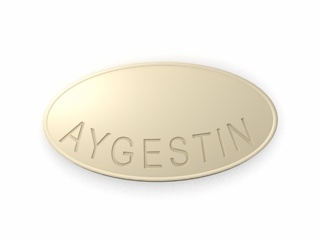
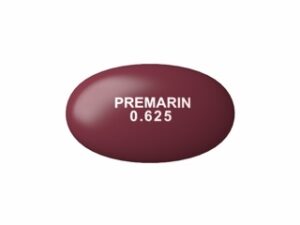
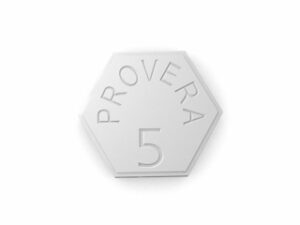
Aygestin (Norethindrone Acetate) — Patient Information (UK)
Aygestin is a medicine containing norethindrone acetate, a synthetic form of the hormone progestogen (related to progesterone). In the UK, Aygestin is used to treat a range of hormone-related conditions, most commonly those involving abnormal bleeding and conditions where progestogen support is needed.
This page is designed to be patient-friendly and helpful for understanding how Aygestin works, typical uses, how it’s taken, and practical safety considerations. Always follow the instructions given by your healthcare professional and read the medicine label carefully.
Quick facts
- Medicine: Aygestin
- Active ingredient: Norethindrone acetate
- Type: Progestogen (hormone medicine)
- Common uses: Abnormal uterine bleeding, endometriosis, prevention/treatment of endometrial problems in certain situations (as advised)
- How it’s usually taken: By mouth, typically once or a few times daily depending on the condition
- Key safety topics: Blood clot risk (in some people), stroke risk in certain circumstances, liver concerns, and pregnancy prevention
Basic product information
| Category | Details |
|---|---|
| Brand name | Aygestin |
| Generic name | Norethindrone acetate |
| Drug class | Progestogen (synthetic progesterone) |
| Route | Oral tablets |
| Typical availability (UK) | Supplied by pharmacies; availability may vary by strength and supply chain |
Note: Tablet strengths and brand/pack details can vary. Check the packaging and the leaflet provided with your specific product.
How Aygestin works (mechanism of action)
Norethindrone acetate is converted in the body to active hormone activity. As a progestogen, it works mainly on the uterus (endometrium) and the body’s hormonal feedback systems.
Key actions include:
- Stabilising the endometrium: It helps prevent abnormal thickening and can reduce irregular or heavy uterine bleeding.
- Reducing endometrial growth: In conditions such as endometriosis, progestogen effects can help suppress activity of endometrial-like tissue outside the uterus.
- Changing cervical mucus and ovulation patterns (indirectly): Depending on dose and individual factors, progestogens may influence the hormonal cycle and ovulation.
- Altering hormone feedback: Progestogen signalling can reduce the cycle-driven stimulation of the endometrium.
Pharmacokinetics (how the body handles it)
Pharmacokinetics describes how a medicine is absorbed, distributed, metabolised, and eliminated.
- Absorption: Aygestin is taken by mouth and is absorbed through the gastrointestinal tract.
- Distribution: It circulates in the bloodstream and can bind to plasma proteins.
- Metabolism: Norethindrone acetate is metabolised in the liver.
- Elimination: Metabolites are removed primarily via urine and faeces.
Individual variability matters: Liver function, other medicines, and age can affect hormone metabolism and overall exposure. If you have liver problems or take multiple medicines, discuss this with your prescriber or pharmacist.
Typical uses and indications
Aygestin may be used for several hormone-related conditions. The specific indication and dose depend on your symptoms and medical history.
Common indications include (as advised by UK clinicians):
- Abnormal uterine bleeding: Such as heavy or irregular bleeding related to hormonal imbalance.
- Endometriosis: To help reduce pain and bleeding linked to endometriosis (commonly as part of a longer-term management plan).
- Endometrial protection: In some situations, progestogens may be used to balance endometrial effects when other hormone therapy is present (exact regimen varies).
Important: Aygestin is not a “one-size-fits-all” medicine. Your healthcare professional will determine whether it is appropriate based on your diagnosis, risk factors (e.g., clot risk), and personal preferences.
When and how to take Aygestin (timing and regimen)
Follow the dosing schedule provided on your packaging or by your healthcare professional. Many progestogen regimens are time-specific (e.g., daily for a set duration, or for part of a cycle).
Typical timing guidance
- Choose a consistent time: Taking it at the same time each day helps maintain steady hormone levels.
- Complete the course if prescribed for a defined duration: If you’ve been told to take it for a specific number of days or months, do not stop early without medical advice.
- Be aware of bleeding changes: During treatment, spotting or changes in bleeding pattern can occur. These can be expected, particularly when starting.
What to do if you miss a dose
How you respond to a missed dose can depend on your prescribed schedule and timing. For general guidance:
- Take it as soon as you remember unless it’s close to the next dose.
- Do not double up to make up for a missed tablet unless instructed otherwise.
- If you’re unsure, ask your pharmacist for advice based on your exact schedule.
Food interactions and absorption considerations
Aygestin can generally be taken with or without food. However, individual guidance may vary based on how your body tolerates tablets.
- With food: Taking it after meals may help reduce stomach discomfort for some people.
- Consistency is key: If you take it with food, aim to do so the same way each time.
Reduced effectiveness concerns: There is typically no major food-drug interaction highlighted for norethindrone acetate, but illness, vomiting, or severe diarrhoea can reduce absorption.
Alcohol interactions
Moderate alcohol intake is not usually known to directly reduce norethindrone acetate’s effect. However, alcohol can affect:
- Side effects: It may worsen dizziness, tiredness, or nausea in some people.
- Liver health: Since norethindrone acetate is metabolised in the liver, heavy or long-term alcohol use may be relevant to overall safety, especially if you have liver disease.
Practical approach: If you drink alcohol, keep it moderate and pay attention to how you feel after starting Aygestin. If you have liver problems or a history of clotting or stroke risk, discuss alcohol use with your healthcare professional.
Medicine interactions (important)
Some medicines can change how norethindrone acetate is metabolised. This may affect effectiveness and/or increase side effects.
Medicines that may interact (examples)
- Enzyme-inducing medicines: Certain medicines used for seizures (e.g., some antiepileptics), tuberculosis (e.g., rifampicin), and some other conditions can reduce hormone levels.
- Some antibiotics and antifungals: Depending on the specific drug, effects on hormone metabolism may occur.
- HIV and hepatitis treatments: Some antivirals can influence metabolism pathways.
- Herbal products: St John’s wort (Hypericum perforatum) may reduce hormone levels.
- Anticoagulants (blood thinners): Progestogens can sometimes influence clotting balance and bleeding risk; monitor carefully where relevant.
What you can do
- Tell your pharmacist or prescriber about all medicines you take, including over-the-counter products and supplements.
- Do not start new herbal products without checking.
- If your bleeding changes significantly after starting a new medicine, seek advice.
Dosing information (general)
Dosing depends on the condition being treated and your personal factors. Your prescriber will set the appropriate regimen.
Important: Do not use Aygestin for another person and do not adjust the dose yourself.
How dosing is usually structured
- Daily dosing: Often once daily, though some regimens involve multiple daily doses.
- Short course vs longer course: Some bleeding problems are treated for a defined period; endometriosis management may be longer-term.
- Cycle-related timing: In some uses, treatment may be taken during specific days of a cycle.
If you’d like, you can use your label/leaflet information (tablet strength and schedule) to guide day-to-day use—your pharmacist can also help interpret the regimen.
Safety profile: who should be cautious and key risks
Like all medicines, Aygestin can cause side effects and may not be suitable for everyone. It contains a hormone that can affect blood clotting and other body systems.
Seek urgent medical help if you notice signs of blood clots
Contact emergency services or seek urgent care if you develop symptoms suggestive of a clot, such as:
- Sudden chest pain or shortness of breath
- One-sided leg swelling or pain
- Sudden weakness, difficulty speaking, or facial drooping (stroke-like symptoms)
- Sudden severe headache, especially if unusual for you
Other important safety considerations
- Liver conditions: Because norethindrone acetate is metabolised in the liver, people with significant liver disease require careful review.
- Hormone-sensitive conditions: If you have certain cancers or a history of hormone-sensitive disease, discuss suitability with your clinician.
- Uncontrolled risk factors: Smoking, migraine with aura, high blood pressure, diabetes with complications, and certain clotting disorders may increase risk (depending on dose and individual factors).
- Pregnancy: Aygestin is not intended for use during pregnancy. If you think you might be pregnant, contact a healthcare professional promptly.
Common side effects
Side effects can vary between individuals. Commonly reported effects with progestogens include:
- Changes in bleeding pattern (spotting, irregular bleeding, or lighter bleeding)
- Breast tenderness
- Nausea or stomach discomfort
- Headache
- Mood changes
- Fluid retention or feeling bloated
- Acne or skin changes
Less common but serious concerns
- Signs of liver problems (e.g., yellowing of eyes/skin, dark urine, severe fatigue)
- Severe allergic reactions (swelling of face/lips, trouble breathing)
- Severe or persistent abdominal pain
Practical use tips for everyday life
- Use a reminder: A phone alarm or calendar entry can help ensure you take each dose on time.
- Track bleeding changes: If you’re taking Aygestin for abnormal bleeding, noting dates and heaviness can help your clinician assess response.
- Stay alert for warning signs: If you develop symptoms of blood clots, seek urgent care immediately.
- Keep a list of medicines: Include over-the-counter products and supplements to review with your pharmacist.
- Don’t share your medicine: Hormone medicines are tailored to individual diagnoses and risk profiles.
Alternative options (what you might discuss with a clinician)
Depending on the reason you’re considering or taking Aygestin, there may be alternative treatments. Options vary widely, and suitability depends on diagnosis, severity, and risk factors.
Possible alternatives may include
- Other progestogens: Different progestogen formulations may be used depending on the condition.
- Non-hormonal approaches: For some causes of abnormal uterine bleeding, treatments may include other medications or investigations.
- Combined hormonal treatments: In some circumstances, clinicians may consider other hormone regimens.
- Procedural options: If bleeding is severe, additional assessment and treatments may be considered.
- For endometriosis: There are several hormonal strategies; the best choice depends on symptoms and medical history.
Talk to your healthcare professional about what alternatives are appropriate for you. If you have heavy or persistent bleeding, it’s important not to delay assessment.
Market and legal context in the UK
In the United Kingdom, medicines like Aygestin are supplied under the medicines regulations and can be subject to prescribing, dispensing, and regulatory oversight.
- Quality and regulation: Authorised products must meet UK safety, quality, and efficacy standards.
- Pharmacy supply: Aygestin is distributed through legitimate channels to ensure correct labelling, batch tracking, and patient safety information.
- Information sources: The patient leaflet (Summary of Product Characteristics/Patient Information Leaflet system) provides detailed guidance on use, side effects, and precautions.
Availability can vary by strength, manufacturing schedules, and national supply conditions. If you experience delays, speak with your pharmacy—alternatives or ordering options may be possible depending on clinical appropriateness.
Recent guidance and clinical updates (general themes)
Over time, clinical guidance for hormonal treatments may be updated based on emerging evidence about safety and best practice. While the exact recommendations can change, common ongoing themes include:
- Risk assessment: Clinicians regularly assess individual risk factors (especially clot and cardiovascular risk) before and during hormonal therapy.
- Clear counselling: Patients are encouraged to understand warning signs of serious adverse effects.
- Reassessment for persistent symptoms: Persistent or worsening abnormal bleeding should be reviewed promptly to rule out underlying causes.
- Medication review: Ongoing checks for interacting medicines (including herbal products) are recommended.
If you’ve recently been prescribed Aygestin, it’s worth asking your pharmacist or prescriber whether any new safety information or monitoring plan applies to your situation.
Delivery and availability (UK online pharmacy)
When ordering Aygestin online, availability can depend on local stock levels and supplier scheduling. Reputable UK pharmacies typically provide:
- Secure packaging and correct labelling
- Dispatch updates once your order is processed
- Support if stock is temporarily unavailable (for example, alternative ordering options or suggested timelines)
Delivery expectations: Delivery times vary by courier and location. Your order confirmation should include estimated delivery times. If you need urgent treatment, contact the pharmacy as early as possible.
FAQ
1) What is Aygestin used for?
Aygestin (norethindrone acetate) is a progestogen medicine used for hormone-related conditions such as abnormal uterine bleeding and endometriosis, among other indications depending on your clinician’s assessment.
2) How soon will it start working?
Some people notice changes in bleeding patterns within the first few days to weeks. The exact timing depends on the reason you’re taking it, your dose, and how your body responds.
3) Will Aygestin stop periods completely?
It may change your bleeding pattern, which can include lighter bleeding, irregular bleeding, or sometimes no bleeding. If bleeding becomes unusually heavy or persistent, seek medical advice.
4) Can I take Aygestin with food?
Yes, Aygestin can generally be taken with or without food. If it upsets your stomach, taking it after a meal may help.
5) Is it safe to drink alcohol while taking Aygestin?
Moderate alcohol is not usually directly prohibited, but alcohol may worsen side effects and is relevant for liver health. If you drink heavily or have liver problems, discuss this with your healthcare professional.
6) What medicines commonly interact with Aygestin?
Some medicines can alter hormone metabolism, including certain seizure medicines, tuberculosis treatments, some HIV/hepatitis medicines, and herbal products like St John’s wort. Tell your pharmacist about everything you take.
7) What should I do if I miss a dose?
Take it as soon as you remember unless it’s nearly time for your next dose. Do not double the dose unless your pharmacist or clinician tells you to.
8) Are there any serious side effects I should watch for?
Yes. Get urgent medical help if you have symptoms that could indicate a blood clot (such as sudden chest pain, shortness of breath, one-sided leg swelling, or stroke-like symptoms).
9) Can I take Aygestin if I’m pregnant?
Aygestin is not intended for use in pregnancy. If you think you might be pregnant, contact a healthcare professional promptly.
10) Are there alternatives to Aygestin?
There may be alternatives depending on why you’re taking it (for example, other progestogens or different approaches). Discuss options with your clinician.
Final reminder
Aygestin can be effective for certain hormone-related conditions. For the safest and most successful use, take your tablets exactly as directed, keep your healthcare team informed about other medicines you’re using, and seek urgent help if you experience symptoms that may indicate a serious adverse event.
If you want, you can contact your pharmacy for guidance on your specific dose schedule and how to manage missed tablets or expected bleeding changes.