

Geodon (Ziprasidone) – Patient Information Guide (UK)
Geodon is a brand of ziprasidone, an antipsychotic medicine used to treat certain mental health conditions. This guide explains how Geodon works, how it is typically taken, what to watch for, and practical tips for safe use in the United Kingdom.
Always follow the advice of a qualified healthcare professional. Information below is meant to be helpful and patient-friendly, but it cannot replace individual medical guidance.
Quick facts
- Active ingredient: Ziprasidone
- Medicinal class: Atypical antipsychotic
- Common strengths (examples): Capsules in different strengths (availability may vary)
- Key practical point: Taking Geodon with food helps ensure proper absorption
- Typical uses: Schizophrenia and, in some patients, bipolar disorder (see “Indications”)
Basic product information
Geodon contains ziprasidone. It works in the brain by affecting several chemical messengers (neurotransmitters). Like other antipsychotic medicines, it can take time to notice improvements, and ongoing monitoring may be needed.
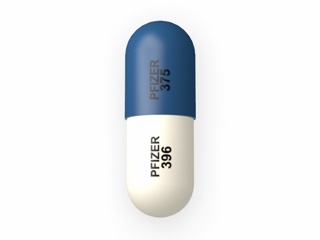
What forms are available? In the UK, ziprasidone is commonly supplied as capsules. Availability may vary by pharmacy and stock levels.
Who supplies it? Geodon is supplied by licensed pharmacies under the UK medicines regulatory framework.
How Geodon works (mechanism of action)
Ziprasidone helps reduce symptoms associated with conditions such as schizophrenia and bipolar disorder. It is thought to work by balancing activity of neurotransmitters, particularly:
- Serotonin receptors: including 5-HT2A antagonism (blocking certain serotonin effects)
- Dopamine receptors: including D2 antagonism (helping manage dopamine-related symptoms)
- Other receptor actions: including effects on 5-HT1A and reuptake of serotonin in some ways
This receptor profile is one reason ziprasidone is described as an “atypical” antipsychotic.
Pharmacokinetics (how the body processes it)
Pharmacokinetics describes what the body does to a medicine—how it is absorbed, distributed, metabolised, and eliminated. Key points for ziprasidone include:
- Absorption: Ziprasidone absorption is significantly improved when taken with food. Taking it on an empty stomach may reduce blood levels and can affect effectiveness.
- Peak levels: After dosing, blood concentrations rise to their highest levels typically within a few hours (exact timing varies by person and formulation).
- Distribution: It distributes throughout the body tissues; it is also significantly protein-bound in plasma.
- Metabolism: Primarily metabolised by the liver (involving enzymes such as CYP pathways).
- Elimination: Excreted mainly as metabolites, via both urine and faeces.
Because metabolism can vary with other medicines and liver function, healthcare professionals may review interactions and monitor accordingly.
Typical uses (indications)
In the UK, ziprasidone is used for the treatment of:
- Schizophrenia: including treatment of acute episodes and ongoing management in appropriate patients.
- Bipolar disorder: for certain adult patients where it is clinically indicated (for example, management of manic episodes). The exact patient group and regimen depend on national guidance and the summary of product characteristics.
Important: Use is determined by diagnosis, symptoms, previous treatment response, and safety considerations.
How and when to take Geodon (timing and administration)
A common reason people do not get the expected benefit from ziprasidone is not taking it with food. Below are practical instructions to help support consistent absorption.
Take with food
- Take Geodon with a meal or immediately after eating.
- Avoid taking it on an empty stomach.
- If you miss a dose, take it when you next have food—unless your healthcare professional advises otherwise.
Typical dosing schedule
Dosing is individual. The schedule may involve dividing the total daily dose into two doses. Your prescription instructions (or the medicine label) should specify exactly how many capsules to take and when.
Consistency matters
- Try to take it at similar times each day.
- Keep meals consistent when possible (e.g., same general meal timing).
Dosing overview (general guidance)
Ziprasidone dosing varies by condition and patient factors. Clinicians typically start at a lower dose and adjust based on response and tolerability.
| Condition | Typical approach (high-level) | Notes |
|---|---|---|
| Schizophrenia | Dose may be divided into 2 doses per day | Adjustment is based on clinical response and side effects; take with food. |
| Bipolar disorder (manic episodes) | Dose may be divided into 2 doses per day | Close monitoring may be required, especially early in treatment. |
Do not change your dose without medical advice. If you feel the medicine is not working or side effects are troubling, discuss options rather than stopping suddenly.
Food interactions
Most important food interaction: taking Geodon without food can substantially reduce absorption. This can lead to lower effectiveness and unpredictable blood levels.
- Recommended: take with a meal.
- Practical tip: if you find your appetite varies, choose a meal-based routine (e.g., take after dinner and after a morning meal).
Aside from this, there are no broad dietary restrictions universally required for ziprasidone, but individual advice may be given based on other medicines and health conditions.
Alcohol interactions
Alcohol can worsen sedation, dizziness, and judgement impairment. It may also interfere with your recovery and mental wellbeing.
- General advice: avoid or minimise alcohol while taking Geodon.
- Safety concern: combining alcohol with other medicines that affect the nervous system may increase drowsiness and falls risk.
Medicine interactions (important safety considerations)
Ziprasidone can interact with other medicines, potentially affecting effectiveness or increasing risk of side effects. Some interactions are especially important.
Medicines that may affect heart rhythm (QT prolongation)
Ziprasidone has potential to affect electrical activity of the heart. Avoiding certain combinations is particularly important. Healthcare professionals typically check:
- Other medicines known to prolong QT interval
- Some antiarrhythmics
- Some antibiotics/antifungals that can affect QT interval
- Some medicines used for nausea (depending on the specific agent)
- Other antipsychotics or drugs with similar risk profiles
Medicines that change ziprasidone levels
Drugs that affect liver enzymes can increase or decrease ziprasidone levels. This can lead to either reduced effect or increased side effects. Examples may include certain antidepressants, anticonvulsants, or antifungals—exact interactions depend on the specific medicine.
Other considerations
- Anti-cholinergic medicines: may worsen constipation or dry mouth.
- Blood pressure medicines: may increase dizziness or lightheadedness.
- Medicines affecting blood pressure or heart rate: may change tolerance and monitoring needs.
Always check interactions with a pharmacist or healthcare professional, especially when starting, stopping, or changing any medicine, including over-the-counter products and herbal remedies.
Safety profile: common and serious side effects
Like all medicines, Geodon can cause side effects. Some people experience mild effects that settle with time, while others need prompt medical review.
Common side effects
- Feeling sleepy or fatigue
- Dizziness
- Headache
- Nausea or indigestion
- Restlessness (akathisia) or changes in movement
Movement-related effects
Antipsychotics can sometimes cause movement-related side effects such as stiffness, tremor, or involuntary movements. If you notice these, report them promptly. Early management can improve outcomes.
Metabolic effects
Some antipsychotics may affect weight, blood sugar, and lipids. Monitoring may be recommended, especially if you have diabetes risk or existing metabolic conditions.
Heart rhythm concerns (seek urgent advice when appropriate)
Because ziprasidone may influence heart rhythm, seek urgent medical help if you experience:
- Fainting or near-fainting
- Severe palpitations (a racing or irregular heartbeat)
- Chest pain
- Severe dizziness
Allergic reactions (rare)
- Swelling of the face, lips, or tongue
- Widespread rash or difficulty breathing
These reactions require urgent medical assessment.
Practical use tips for day-to-day success
- Build a routine around meals: Taking Geodon consistently with food is central to getting reliable absorption.
- Track side effects early: Note timing and severity (e.g., sleepiness, dizziness, restlessness) to discuss with your clinician.
- Stand up slowly: If dizziness occurs, move gradually from sitting/lying to standing.
- Hydration and constipation prevention: If you notice constipation, drink fluids, consider dietary fibre, and discuss options with a pharmacist if it persists.
- Drive and operate machinery carefully: Until you know how the medicine affects you, avoid activities requiring full alertness.
- Medication adherence: Missing doses may reduce benefit. If you struggle with remembering, use alarms or medication organisers.
Monitoring and follow-up (what to expect)
Depending on your personal risk factors and how you respond to treatment, clinicians may consider monitoring such as:
- Weight and metabolic measures: blood sugar and lipids may be checked
- Movement side effects: for early detection of extrapyramidal symptoms
- Cardiac assessment: review of risk factors for QT prolongation; sometimes an ECG may be considered in higher-risk patients
- General wellbeing: symptom tracking and side effect review
Monitoring helps balance effectiveness with safety.
Alternative options (when Geodon may not be suitable)
If ziprasidone is not tolerated or not effective, clinicians may consider other antipsychotic medicines or treatment approaches. Alternatives can differ in side effect profiles and practical considerations (including food requirements or interaction risks).
Other antipsychotics (examples)
- Quetiapine
- Olanzapine
- Risperidone
- Aripiprazole
- Paliperidone
Non-medicine options
- Psychological therapies (as appropriate)
- Supportive services and relapse prevention plans
- Lifestyle support (sleep, substance avoidance, structured daily routine)
The best alternative depends on your diagnosis, symptom pattern, past response, other health conditions, and medicine interactions.
UK market and legal context (high-level)
In the UK, antipsychotic medicines such as ziprasidone are regulated under the UK medicines framework and are supplied through licensed supply channels. Availability can vary based on manufacturer supply, local pharmacy stock, and regional prescribing practices.
Safety warnings, patient information requirements, and product information are governed by UK regulatory standards. Healthcare professionals also follow clinical guidance and updates from relevant bodies.
Recent guidance and clinical practice (UK context)
Clinical practice for treating conditions like schizophrenia and bipolar disorder in the UK is shaped by evidence-based guidance, including review of benefits versus risks, and attention to side effect monitoring.
- Focus on benefit and tolerability: choosing the lowest effective dose for the shortest duration compatible with stability
- Monitoring: attention to metabolic risks, movement side effects, and cardiovascular considerations
- Shared decision-making: discussing expected benefits, likely side effects, and what to do if problems occur
For the most current, you can ask a clinician or check reputable NHS resources and guideline updates.
Delivery and availability in the UK
Availability of Geodon (ziprasidone) can vary by pharmacy due to supplier lead times. Most pharmacies aim to keep common strengths in stock, while others may order in when needed.
- Dispatch times: typically depend on local stock and order processing schedules.
- Delivery options: many UK pharmacies offer standard and express delivery where available.
- Packaging: medicines are dispatched in secure, tamper-evident packaging.
- Cold-chain: ziprasidone does not usually require special cold storage, but always follow the packaging instructions.
If you need Geodon urgently or have limited time windows for delivery, contact the pharmacy before placing an order to confirm dispatch and courier arrangements.
Safety information: when to get medical help
Contact a healthcare professional promptly if you experience persistent or worsening side effects. Get urgent help if you suspect a serious reaction, such as:
- Fainting, severe dizziness, or signs of an irregular heartbeat
- Severe allergic reaction
- High fever, confusion, severe stiffness, or feeling very unwell (rare but serious symptoms can occur with some antipsychotics)
- Symptoms that rapidly worsen or new concerning symptoms
If you are unsure, it’s safer to seek advice rather than wait.
FAQ about Geodon (Ziprasidone)
1) Why do I need to take Geodon with food?
Taking ziprasidone with food helps ensure adequate absorption into the bloodstream. Without food, absorption may be reduced, which can make the medicine less effective and more variable between doses.
2) How long does Geodon take to work?
Some people notice improvements early, but antipsychotics often require time for full benefit. Symptom relief may develop over days to weeks, while longer-term improvement may take longer. Your clinician can guide expectations for your specific situation.
3) What should I do if I miss a dose?
If you miss a dose, take it when you next have food, unless your healthcare professional advises otherwise. Avoid taking a double dose to make up for a missed one.
4) Can I drink alcohol while taking Geodon?
Alcohol can increase drowsiness and dizziness and may worsen overall stability. It’s generally recommended to avoid or minimise alcohol and follow your clinician’s advice.
5) Are there medicines I should not combine with Geodon?
Some medicines can increase the risk of heart rhythm problems or change ziprasidone levels. Always tell your pharmacist or clinician about all medicines you take, including over-the-counter products and herbal remedies.
6) Will Geodon affect driving or concentration?
It can cause sleepiness or dizziness in some people. Until you know how you react, avoid driving or operating machinery and be cautious with activities that require alertness.
7) What monitoring might be needed?
Depending on your individual risk factors, clinicians may monitor weight, metabolic markers (such as blood sugar and lipids), movement-related side effects, and cardiovascular risk considerations.
8) What are the most important side effects to watch for?
Report side effects such as significant dizziness, palpitations, fainting, severe allergic symptoms, or new movement problems. Persistent common effects like sleepiness should also be discussed so your dose and routine can be optimised.
9) Can I stop Geodon suddenly?
Stopping suddenly can cause problems. If you want to stop or change your treatment, discuss it with a healthcare professional first.
10) What if I have trouble taking it with meals?
If your appetite is irregular, plan doses around reliable meals and discuss strategies with your clinician or pharmacist. Taking it with food is important for consistent effect.
Summary
Geodon (ziprasidone) is an atypical antipsychotic used to treat conditions such as schizophrenia and, for appropriate patients, bipolar disorder. Its absorption is strongly affected by food, so taking it with a meal is essential for reliable benefit. Like all medicines, it has potential side effects and interaction risks—particularly involving heart rhythm—so monitoring and careful review of medicines are important.
If you have questions about whether Geodon is suitable for you, or you want to understand how to take it safely with your other medicines, speak with a pharmacist or healthcare professional.