
Cefuroxime (Cefuroxime axetil) – Patient-Friendly Guide (UK)
Cefuroxime is an antibiotic medicine belonging to the cephalosporin group. It is used to treat a range of bacterial infections in adults and children, depending on the specific formulation and dose. This guide explains how cefuroxime works, how it behaves in the body, when it is typically taken, food and medicine interactions, and important safety information.
Always follow the instructions provided with your medicine and speak to a healthcare professional if you are unsure. If your symptoms are severe, worsening, or you develop new concerning signs, seek medical advice promptly.
Quick overview
- Medicine name: Cefuroxime (often as cefuroxime axetil for oral use)
- Type: Antibiotic (cephalosporin)
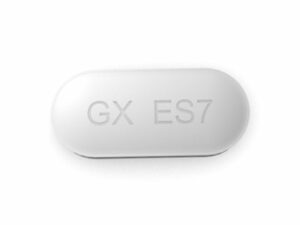
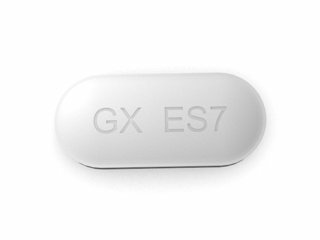
- Common forms: Tablets or oral suspension (brand/formulation varies)
- Typical uses: Certain bacterial infections of the chest, ear, sinuses, skin, urinary tract, and others
- Key safety points: Allergy risk (including with penicillins/cephalosporins), diarrhoea, and interactions with some medicines
- Food timing: Often best taken with food (helps absorption for many oral products)
Basic product information
In the UK, cefuroxime is available in different strengths and formulations. For oral treatment, it is commonly supplied as cefuroxime axetil, a form designed to be absorbed through the gut and then converted into cefuroxime in the body.
What it is used for
Cefuroxime treats infections caused by bacteria. It does not work against viruses (such as most colds and flu). The exact infection types and dosing regimens depend on the clinical situation and local guidelines.
How it should be stored
- Store according to the packaging instructions (e.g., room temperature unless stated otherwise).
- Keep out of sight and reach of children.
- Do not use after the expiry date on the carton or bottle.
Mechanism of action (how cefuroxime works)
Cefuroxime works by interfering with bacterial cell wall construction. Like other beta-lactam antibiotics, it targets penicillin-binding proteins (PBPs). Without a properly formed cell wall, bacteria cannot grow and multiply, leading to their death or inability to reproduce.
Cefuroxime is described as a broad-spectrum cephalosporin, meaning it can be active against a range of bacteria. However, resistance can occur, so it is important to use antibiotics appropriately.
Pharmacokinetics (how your body handles it)
Pharmacokinetics describes absorption, distribution, metabolism, and elimination—how the medicine moves through and leaves the body.
Absorption
After oral administration of cefuroxime axetil, the medicine is absorbed from the gastrointestinal tract. For many oral products, taking cefuroxime with food improves absorption and can increase the amount of drug reaching the bloodstream.
Distribution
Cefuroxime distributes into various tissues and fluids, including sites relevant to respiratory and other infections (exact penetration varies by infection type and tissue).
Metabolism
Cefuroxime axetil is converted into cefuroxime after absorption. Cefuroxime itself is not extensively metabolised into inactive metabolites.
Elimination
Cefuroxime is eliminated mainly by the kidneys. People with reduced kidney function may require dose adjustments to maintain safe drug levels.
Typical uses and indications (what it is for)
Cefuroxime may be used for infections where it is likely to be effective. Indications can vary by age group, local resistance patterns, and the specific product/strength. Common infection categories include:
- Ear, nose and throat: e.g., otitis media (middle ear infection), sinus infections
- Respiratory tract: e.g., acute bacterial bronchitis and some community-acquired respiratory infections
- Skin and soft tissue: e.g., infected wounds or certain skin infections
- Urinary tract: certain bacterial infections affecting the bladder or urinary tract
- Other bacterial infections where a clinician judges cefuroxime to be appropriate
Your clinician will consider symptoms, examination findings, severity, allergies, past antibiotic use, and whether urine or other tests are needed. In some cases, culture or sensitivity results help confirm the most effective antibiotic.
How and when to take cefuroxime (timing and course length)
The best schedule depends on the infection and the specific strength/formulation. Always use the dosing instructions supplied for your product. In general:
Timing guidance
- Take at evenly spaced times to maintain consistent antibiotic levels (for example, morning and evening, or morning, afternoon, and evening, depending on your regimen).
- With food: Many oral formulations work best when taken with meals—follow the instructions on your medicine pack.
- Finish the full course as directed, even if you feel better before it ends (this helps reduce the risk of recurrence).
- Missed dose: If you miss a dose, take it when you remember unless it is close to the next dose. Do not take a double dose.
Taking with food
Food can improve absorption for many cefuroxime axetil tablets and suspensions. This is especially relevant for patients who struggle with nausea or have variable appetite. If your product instructions say “take with food,” try to follow that guidance for the best effect.
Dosing information (general overview)
Dosing depends on the infection type, severity, age, kidney function, and product strength. Below is a general overview only—use the exact dosing instructions for your specific product and patient group.
| Patient group | Common dosing pattern (general) | Notes |
|---|---|---|
| Adults | Often taken twice daily or three times daily depending on infection | Exact dose per tablet/suspension strength will vary. |
| Children | Often based on weight and taken twice or three times daily | Use the correct measuring device for suspensions. |
| Older adults | May be similar to adult dosing, but depends on kidney function | Kidney impairment can require adjustment. |
| Kidney impairment | May require a lower dose and/or extended interval | Clinician assessment is important due to renal excretion. |
If you have kidney disease, or you are unsure about how your dose should be adjusted, ask a healthcare professional or pharmacist for guidance.
Food interactions (what to watch)
For many oral cefuroxime products, food improves absorption. That means taking cefuroxime with a meal may make it work better than taking it on an empty stomach—unless your pack instructions specify otherwise.
- Take with food if advised: Follow “with food” instructions on your label/leaflet.
- Iron supplements: Some antibiotics have complex absorption interactions with minerals; if you take iron, you may be advised to separate doses depending on the antibiotic and your formulation. Ask your pharmacist to confirm for cefuroxime specifically.
- Maintain hydration: Drinking fluids may reduce the chance of dehydration if you develop gastrointestinal side effects.
Alcohol and medicine interactions
Alcohol
There is not typically a classic “disulfiram-like” reaction with cefuroxime (some antibiotics cause significant unpleasant reactions with alcohol). However, alcohol can still worsen side effects such as nausea and diarrhoea and may delay recovery.
For best comfort and recovery, consider avoiding or limiting alcohol while taking antibiotics, especially if you already feel unwell.
Medicine interactions
Several medicine interactions can affect safety or effectiveness. Always tell your healthcare professional or pharmacist about all medicines and supplements you use, including:
- Probenecid: may reduce kidney clearance of some antibiotics and increase antibiotic levels.
- Oral anticoagulants (blood thinners): some antibiotics can influence bleeding risk indirectly (e.g., by affecting gut bacteria and vitamin K activity). If you take warfarin or similar medicines, you may need closer monitoring.
- Other antibiotics: taking multiple antibiotics together is usually avoided unless directed.
- Live bacterial vaccines: antibiotics may affect the success of certain live vaccines in some circumstances; timing advice should come from a clinician.
- Lab tests: cefuroxime can affect some urine and blood test results (for example, certain tests for glucose in urine). Tell the healthcare team that you are taking antibiotics.
If you are unsure about a specific medicine—such as antacids, iron, supplements, contraceptives, or pain relief—ask your pharmacist. They can check for product- and dose-specific interactions.
Safety profile (side effects and when to seek help)
Like all medicines, cefuroxime can cause side effects. Many people experience mild or temporary effects, but some reactions require urgent medical attention.
Common side effects
- Diarrhoea
- Nausea or mild stomach upset
- Abdominal pain
- Headache
- Vaginal thrush or other yeast-related symptoms (especially after antibiotics)
- Skin rash (mild rashes can occur, but see “urgent” signs below)
Serious allergic reaction (urgent)
Seek urgent medical help if you develop symptoms of a serious allergy, such as:
- Swelling of the face, lips, tongue, or throat
- Difficulty breathing or wheezing
- Severe dizziness or collapse
- A rapidly spreading or blistering rash
Antibiotic-associated diarrhoea (seek advice)
If you develop severe, persistent, or bloody diarrhoea, especially during treatment or after stopping, contact a healthcare professional promptly. Some infections like Clostridioides difficile can occur with antibiotic use and need specific treatment.
Other signs to get medical advice for
- Persistent fever or symptoms that do not improve within the expected timeframe
- Severe skin reactions (including blistering, peeling, or sores in the mouth)
- Yellowing of the skin/eyes (jaundice) or very dark urine
- Unusual bruising or bleeding
- Any side effect that worries you or seems out of proportion
Practical use tips (to get the best results)
- Set reminders: If you’re on twice or three times daily dosing, using a phone alarm can help prevent missed doses.
- Check the packaging: Ensure you have the correct strength and form (tablet vs suspension).
- For suspensions: Shake well if the leaflet says so, use the recommended measuring device, and follow preparation instructions exactly.
- Stay consistent with food: If your instructions say “with food,” take it with meals or snacks to support reliable absorption.
- Complete the course: Stopping early can allow bacteria to rebound and cause treatment failure.
- Monitor symptoms: Many improvements occur over 24–72 hours depending on the infection. If there is no improvement or symptoms worsen, seek advice.
- Support gut health: Eating regularly and staying hydrated can help. If you get diarrhoea, contact a professional before using anti-diarrhoeal medicines.
Alternative options (discuss with a clinician)
The most appropriate antibiotic depends on the infection, likely bacteria, local resistance, severity, and individual factors such as allergies and kidney function. Alternatives may include other cephalosporins or different antibiotic classes.
In the UK, antibiotic choice is guided by clinical assessment and antimicrobial stewardship to reduce resistance. A clinician may consider alternatives such as:
- Amoxicillin (penicillin class) or other penicillins, when appropriate
- Co-amoxiclav for certain infections where broader coverage is needed
- Macrolides (e.g., clarithromycin or azithromycin) in specific scenarios
- Doxycycline in selected infections and patient groups
- Other cephalosporins depending on spectrum and site of infection
Do not switch antibiotics without medical advice. If you have concerns about side effects or effectiveness, speak to a healthcare professional to review the plan.
Market and legal context in the United Kingdom (overview)
In the UK, antibiotics are regulated medicines. Cefuroxime is an established antibiotic within the NHS and wider UK healthcare system. Antibiotic prescribing is influenced by national antimicrobial stewardship initiatives to encourage:
- Right antibiotic for the right infection
- Appropriate dose and course duration
- Use of diagnostics when helpful
- Reducing unnecessary prescribing to slow resistance
UK guidance on antibiotics is informed by bodies including the NICE (National Institute for Health and Care Excellence) and antimicrobial advice from public health organisations. Local prescribing policies in NHS settings may vary by region and infection type.
Recent guidance and considerations (UK-facing)
While exact recommendations depend on the specific infection, UK antibiotic practice commonly emphasises:
- Targeted therapy: antibiotics should be used when bacterial infection is likely.
- Review when needed: if symptoms do not improve as expected, clinicians reassess diagnosis and treatment.
- Awareness of resistance: repeated or recent antibiotic use can influence choice.
- Infection control: good hygiene practices help reduce spread of contagious illnesses.
If you are taking cefuroxime for a specific diagnosis, your clinician’s plan should reflect current local and national guidance.
Delivery and availability (online pharmacy notes for the UK)
Availability and delivery options can vary depending on stock levels, formulation (tablet vs suspension), and strength. Most online pharmacy services in the UK offer:
- Home delivery with tracked service
- Secure packaging to protect tablets and liquids
- Delivery time estimates shown at checkout
- Customer support if a product is temporarily unavailable
If you need a child’s suspension or a particular strength, check that the correct product variant is selected before dispatch.
FAQs
1) What is cefuroxime used for?
Cefuroxime is used to treat certain bacterial infections such as some ear, respiratory, urinary, skin, and other infections. The exact indication depends on your diagnosis and the specific product.
2) How quickly should I feel better?
Many people notice some improvement within 24–72 hours, depending on the infection. If you feel worse or there is no improvement within the expected timeframe, contact a healthcare professional for reassessment.
3) Should I take cefuroxime with food?
For many oral cefuroxime axetil products, taking the medicine with food improves absorption. Follow the instructions on your pack or label.
4) Can I drink alcohol while taking cefuroxime?
There is not usually a severe alcohol reaction with cefuroxime, but alcohol may worsen stomach upset and diarrhoea and may slow recovery. Limiting alcohol is a sensible precaution while you are unwell.
5) What should I do if I miss a dose?
Take the missed dose as soon as you remember, unless it is close to the next dose. Do not take a double dose to make up for a missed tablet or spoonful.
6) Are there medicines I must avoid with cefuroxime?
Interaction risk depends on your other medicines. Tell your pharmacist or clinician if you take medicines such as probenecid, warfarin or other anticoagulants, or any regular prescriptions and supplements. They can check compatibility for your specific situation.
7) Is it safe for people allergic to penicillin?
If you have a history of allergy to beta-lactam antibiotics (such as penicillins), discuss this with a healthcare professional. Allergies vary, and cross-reactivity can occur. Your clinician will weigh the risks and benefits.
8) What if I develop diarrhoea?
Mild diarrhoea can occur. However, seek prompt advice if diarrhoea is severe, persistent, or contains blood, or if you develop fever and abdominal pain—especially during or after completing the course.
9) Can cefuroxime affect lab tests?
Yes. Cefuroxime can influence certain test results, including some urine tests for glucose. If you are having tests, let healthcare staff know you are taking cefuroxime.
10) What are the signs of an allergic reaction?
Get urgent help if you develop facial/lip/tongue swelling, breathing difficulty, wheezing, severe dizziness, or a rapidly spreading/blistering rash.
Summary
Cefuroxime is a cephalosporin antibiotic used to treat certain bacterial infections across different body systems. It works by disrupting bacterial cell wall formation and is eliminated mainly through the kidneys. For oral products, absorption is often improved by taking the medicine with food.
As with all antibiotics, the key to safe and effective treatment is using the medicine correctly, completing the course as directed, and seeking advice if side effects are severe or symptoms do not improve.