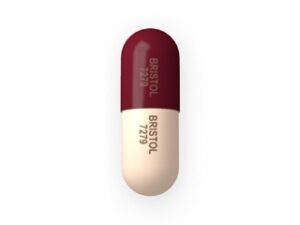


Xifaxan (Rifaximin) – Patient-Friendly Guide (UK)
Xifaxan contains rifaximin, an antibiotic medicine used for specific gut-related conditions. It acts locally in the intestines, which helps limit how much of the medicine enters the bloodstream.
This information is designed to be easy to read and may help you understand how rifaximin works, how it’s typically taken, and what to watch for. It does not replace the advice of a healthcare professional.
Basic product information
- Active ingredient: Rifaximin
- Medicine type: Antibiotic (for use in specific intestinal conditions)
- How it works: Targets bacterial processes in the gut
- Where it works: Primarily in the gastrointestinal tract
Note: Product availability, pack sizes, and formulations (for example, tablets/strengths) can vary. Please check the exact product details on your medicine pack or with your pharmacist.
How Xifaxan works (mechanism of action)
Rifaximin is a rifamycin antibiotic. It works by interfering with bacterial DNA production. Specifically, it inhibits the bacterial enzyme DNA-dependent RNA polymerase, which bacteria need to reproduce and function properly.
- Target location: The medicine remains largely within the intestines, where it acts against susceptible bacteria.
- Reduced systemic exposure: Only a small amount is absorbed into the bloodstream.
Pharmacokinetics (how the body handles rifaximin)
Pharmacokinetics describes absorption, distribution, metabolism, and elimination.
| Topic | What’s generally seen with rifaximin |
|---|---|
| Absorption | Very limited absorption through the gut wall. Most of the dose stays in the gastrointestinal tract. |
| Distribution | Because absorption is low, systemic distribution is limited. |
| Metabolism | Metabolism in the body is limited; the medicine is mainly active in the gut. |
| Elimination | Excretion occurs largely via the faeces, with minimal renal clearance due to low absorption. |
Why this matters for you: Because rifaximin is mainly active in the gut and is absorbed only to a small extent, it typically has fewer widespread body effects than antibiotics that reach higher bloodstream levels.
Typical uses and indications (what it treats)
Xifaxan/rifaximin is used for certain conditions where reducing specific gut bacteria is helpful. The exact indication can vary by country and by local prescribing practices in the UK.
- Hepatic encephalopathy (a brain function problem related to severe liver disease), helping reduce episodes by lowering gut toxins and bacteria involved in ammonia production.
- Travellers’ diarrhoea (in certain circumstances), where bacterial causes are suspected and the condition fits the approved approach.
- Irritable bowel syndrome with diarrhoea (IBS-D) in some patients, when symptoms are consistent with guidelines and other approaches are not suitable.
Important: Your healthcare professional will choose whether rifaximin is appropriate based on your symptoms, medical history, allergy status, and local guidance.
Timing: when and how to take Xifaxan
Follow the instructions on your medicine pack or those provided by your healthcare professional. Below are general timing tips that many people find helpful.
- Try to take it at consistent times each day to maintain steady exposure in the gut.
- Complete the course even if you start to feel better, unless you’re advised to stop.
- If you miss a dose: take it when you remember unless it’s close to the next dose. Do not take a double dose to make up for a missed one.
Course length and dosing frequency can differ depending on the condition. See the dosing section below for common patterns.
Food interactions and diet considerations
Rifaximin’s absorption is low, so food effects are often less dramatic than with many other medicines. However, it’s still wise to take it consistently.
- Take with or without food if your product information allows it.
- Consistency helps: If you are told “with food” or “on an empty stomach” for your regimen, try to keep to the same pattern each day.
- Stomach upset: If you experience nausea or stomach discomfort, taking the medicine with a light meal may improve comfort (unless your instruction is “empty stomach”).
If you have specific dietary guidance for liver disease or IBS, ask your clinician or pharmacist how to combine that with rifaximin timing.
Alcohol interactions
There is no single universal rule that rifaximin always conflicts with alcohol. However, alcohol can worsen many conditions for which rifaximin may be used, especially liver-related problems like hepatic encephalopathy.
- If you have liver disease: alcohol can increase risk and may worsen symptoms. Ask your clinician whether you should avoid alcohol completely.
- During treatment: it’s generally safer to limit alcohol, especially if you notice dizziness, stomach upset, or worsening fatigue.
If you’re unsure, ask your pharmacist to review your personal situation.
Interactions with other medicines (including practical examples)
Rifaximin has low systemic absorption, which may reduce the likelihood of many body-wide drug interactions. Still, medicine interactions can occur.
Tell your healthcare professional or pharmacist about all medicines you take, including:
- Prescription medicines
- Over-the-counter medicines
- Herbal products and supplements
- Recent antibiotics or probiotics
Potential interaction points to discuss:
- Strong inhibitors or inducers of drug transport/metabolism pathways (relevant for rifamycin derivatives). Your pharmacist can check whether any of your other medicines fall into these categories.
- Medicines affecting gut function (for example, some laxatives or bile acid products) could change how you experience symptoms, though the direct interaction may be limited.
- Other antibiotics: using multiple antibiotics together can alter gut bacteria and may increase risk of side effects or reduced effectiveness for one or both medicines.
Practical advice: Keep an up-to-date list of your medicines. If you start rifaximin and later begin another medication, double-check with a pharmacist to ensure compatibility.
Dosing (general patterns used in clinical practice)
Dose and duration depend on the condition being treated, patient factors, and the exact formulation. Always use the dosing instructions given for your regimen.
Common dosing approaches (examples):
- Hepatic encephalopathy: often taken in divided doses over repeated or longer periods depending on response and guidance.
- Travellers’ diarrhoea: typically a shorter course, usually taken several times per day for a limited number of days.
- IBS-D (where appropriate): a defined course that may be repeated only under clinician guidance if symptoms return.
What you should do: Check your pack for the exact strength (milligrams per tablet) and the prescribed dose frequency. If you’re not sure how to interpret the directions, ask a pharmacist before you start.
Safety profile and side effects
Most people tolerate rifaximin well. As with any medicine, side effects can occur. The severity and likelihood differ between individuals and depend on the condition treated and the duration of therapy.
Common side effects
- Gastrointestinal symptoms such as nausea, abdominal discomfort, bloating, or constipation
- Headache
- Fatigue
Less common but important to monitor
- Allergic reactions (for example, rash, itching, swelling of the face/lips, wheezing)
- Severe diarrhoea or diarrhoea that becomes persistent, especially with fever or blood in the stool
- Signs of liver issues (uncommon, but important if you have underlying liver disease): yellowing of the skin/eyes, dark urine, severe tiredness
Seek urgent medical advice if
- You develop symptoms of a serious allergic reaction (breathing difficulty, facial swelling)
- Diarrhoea becomes severe, watery, or includes blood
- There are signs of significant worsening of overall condition (especially in hepatic encephalopathy)
Safety note: If you have a history of allergy to rifamycin antibiotics or related medicines, you should not take rifaximin unless advised by a healthcare professional.
Practical tips for using Xifaxan
- Use a reminder: Setting a phone alarm can help you take doses at consistent times.
- Stay hydrated: If you have diarrhoea, drink plenty of fluids. Consider oral rehydration solutions if advised.
- Don’t share antibiotics: Rifaximin is meant for specific conditions and individual dosing plans.
- Keep track of symptoms: Note changes in stool frequency/urgency or mental clarity (for liver-related conditions). This can help assess whether treatment is working.
- Avoid unnecessary extra antibiotics: Unless recommended, avoid self-starting antibiotics during your course.
- Consider probiotics carefully: Some people use probiotics. Evidence varies by condition, so ask your pharmacist before adding them, especially if you have severe illness.
Alternative options
“Alternative” depends on the condition being treated:
- Travellers’ diarrhoea: other antibiotic options or supportive care strategies may be considered based on local guidelines and antibiotic susceptibility patterns.
- IBS-D: diet changes, symptom-targeted medicines, and gut-directed therapies may be used instead of antibiotics, depending on your symptoms and medical history.
- Hepatic encephalopathy: standard therapy often includes lactulose and other measures; rifaximin may be used as an add-on or alternative strategy in selected patients.
Why alternatives matter: Antibiotics can affect gut flora. Choosing the right option helps balance symptom control with antibiotic stewardship.
If you’d like alternatives, share your condition and current medicines with your pharmacist to discuss the safest fit.
Market and legal context in the United Kingdom
In the UK, antibiotic medicines and rifaximin-containing products are regulated under UK medicines law. Access may be governed by the medicine’s classification and local healthcare pathways.
- Regulation and oversight: Medicines are licensed and monitored, and safety information is updated through official channels.
- Antibiotic stewardship: The UK encourages responsible antibiotic use to reduce antimicrobial resistance.
- Clinical guidance: For conditions such as travellers’ diarrhoea, IBS-D, and hepatic encephalopathy, specialist and national guidance inform when rifaximin is appropriate.
Recent guidance and updates (general themes): UK and international guidance increasingly emphasises:
- Using rifaximin when supported by the condition-specific evidence and patient selection criteria
- Avoiding unnecessary courses
- Reviewing response and reassessing ongoing need, particularly in long-term gut-related symptoms or liver disease management
If your treatment plan was created using up-to-date guidance, it should reflect the most current recommendations for your specific condition.
Delivery and availability (UK online pharmacy)
Availability can vary by strength, pack size, and demand. Many UK online pharmacies offer:
- Standard and tracked delivery options
- Packaging designed to protect medicine during transit
- Discreet delivery and secure payment
Storage: Keep medicines in a safe place at room temperature unless your pack states otherwise. Keep out of reach of children.
Delivery timeframes: These depend on the pharmacy dispatch schedule and your location within the UK. Check the website checkout page for current estimates.
FAQ about Xifaxan (rifaximin)
1) What is Xifaxan used for?
Xifaxan (rifaximin) is used for specific intestinal and gut-related conditions, such as hepatic encephalopathy in people with liver disease, and in certain cases of travellers’ diarrhoea or IBS-D. The exact indication depends on your diagnosis and local guidance.
2) How long does rifaximin take to work?
Some people notice improvement within a few days, especially for diarrhoea-related symptoms. For longer-term gut or liver-related management, benefits may take longer. If you’re not improving as expected, speak to your healthcare professional.
3) Can I take rifaximin with food?
Often rifaximin can be taken with or without food, but follow the instructions on your pack for your specific regimen. If you get stomach upset, taking it with a meal may help unless told otherwise.
4) Should I avoid alcohol?
If you have liver disease, alcohol can worsen outcomes and should be avoided or discussed with your clinician. For many people, limiting alcohol during treatment is sensible, but the safest approach depends on your health status.
5) What should I do if I miss a dose?
Take it when you remember unless it is nearly time for the next dose. Do not take a double dose to catch up.
6) Are there serious side effects?
Serious side effects are uncommon, but urgent medical advice is needed if you develop signs of a serious allergic reaction, severe or worsening diarrhoea (especially with fever or blood), or signs of significant deterioration in your health.
7) Can rifaximin interact with my other medicines?
Interactions are possible with some medicines. Because rifaximin absorption is low, many interactions are less likely than with other antibiotics, but it’s still important to tell a pharmacist about all medicines and supplements you take.
8) Is rifaximin safe for everyone?
Not necessarily. Safety depends on your medical history, allergies, and condition. People with a history of allergy to rifaximin or related antibiotics should avoid it unless advised by a healthcare professional.
9) Will rifaximin cure IBS?
For IBS-D, rifaximin is intended to help reduce symptoms in selected patients. IBS is a long-term condition and symptoms may return. Ongoing management often includes diet, lifestyle, and symptom-targeted strategies.
10) Will rifaximin affect gut bacteria long-term?
Rifaximin targets susceptible bacteria in the gut and can temporarily alter the gut microbiome. Courses are typically limited to the duration supported by evidence. Your clinician will consider whether repeat treatment is appropriate.
Summary
Xifaxan (rifaximin) is a gut-targeted antibiotic used for selected conditions in the UK, including hepatic encephalopathy and certain types of diarrhoea and IBS-D in appropriate patients. It works by blocking bacterial RNA production, has low systemic absorption, and is generally well tolerated. Always follow your dosing instructions, take it consistently with respect to food guidance, and seek medical advice urgently for severe symptoms such as allergic reactions or significantly worsening diarrhoea.