
Cenmox (Amoxicillin) — Patient Information (UK)
Cenmox is a brand of amoxicillin, an antibiotic medicine used to treat certain bacterial infections. This page explains how amoxicillin works, how it is used, important safety information, and practical tips to help you get the best outcome. Always follow the instructions provided by your healthcare professional.
Basic product information
- Medicine: Cenmox
- Active ingredient: Amoxicillin
- Medicine type: Antibiotic (penicillin-class)
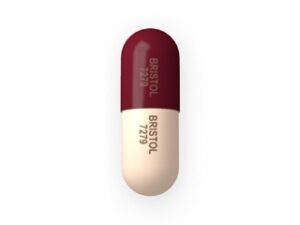
- Common forms: Tablets/capsules/suspension (strengths vary by product)
- Target infections: Bacterial infections sensitive to amoxicillin
Amoxicillin works against bacteria by stopping them from building and maintaining their cell walls. It is not effective against viruses (for example, most colds and flu).
How amoxicillin works (mechanism of action)
Amoxicillin belongs to the beta-lactam group of antibiotics (penicillins). It targets bacterial enzymes (often called penicillin-binding proteins) that are needed to form the bacterial cell wall. When these enzymes are blocked, the bacteria cannot form a strong cell wall and they die or stop growing.
Many bacteria produce enzymes called beta-lactamases that can break down some antibiotics. If bacteria produce these enzymes, plain amoxicillin may be less effective—this is one reason clinicians may choose other options (such as amoxicillin with clavulanic acid) for certain infections.
Pharmacokinetics (how the medicine moves through the body)
Pharmacokinetics describes absorption, distribution, metabolism and elimination. For amoxicillin:
- Absorption: Amoxicillin is absorbed after being taken by mouth. Food usually does not prevent absorption.
- Distribution: It distributes into body tissues and fluids and can reach infection sites.
- Metabolism: Only a small amount is metabolised.
- Elimination: Amoxicillin is mainly cleared by the kidneys through the urine.
- Kidney function matters: People with reduced kidney function may need adjusted dosing.
The goal is to keep effective levels in the body long enough to clear the infection while reducing the chance of resistance.
What Cenmox is used for (typical use and indications)
Cenmox/amoxicillin is used to treat infections caused by bacteria that are susceptible to amoxicillin. Common indications in clinical practice may include:
- Ear, nose and throat (ENT): e.g., some middle ear infections and certain throat infections
- Chest infections: some cases of bacterial bronchitis or pneumonia (depending on diagnosis)
- Sinus infections: selected bacterial sinusitis cases
- Urinary tract infections (UTIs): selected cases where the pathogen is sensitive
- Skin and soft tissue infections: selected mild to moderate infections
- Dentistry: certain dental infections (as advised)
Antibiotic choice depends on the suspected site of infection, local resistance patterns, allergy history, severity, and sometimes culture results.
Timing and how to take Cenmox
The timing of your doses is important. Follow the exact instructions you were given for your specific product strength and schedule.
Typical dosing schedules (general guidance)
Amoxicillin regimens are commonly given two or three times a day depending on the infection and age. Some regimens may involve multiple daily doses to maintain effective antibiotic levels.
If you are unsure about your schedule, check with a pharmacist. Do not change the dosing frequency on your own.
Missing a dose
- If you miss a dose, take it as soon as you remember.
- Skip it if it is close to the time of the next dose.
- Do not take a double dose to make up for the missed one.
How long to take it
Most antibiotic courses are taken for a set number of days. Do not stop early even if you feel better—stopping prematurely can allow bacteria to survive and may lead to relapse. If you develop significant side effects, contact a healthcare professional promptly for advice.
Can I take Cenmox with food?
Food interactions: Amoxicillin is generally not significantly affected by food. Many people find taking it with a snack or meal helps prevent stomach upset.
- You may take it with or without food.
- If it upsets your stomach, taking it with food may improve tolerance.
Alcohol and medicine interactions
Alcohol: There is no universal rule that you must completely avoid alcohol with amoxicillin, but it may worsen side effects such as dizziness or nausea and can impair recovery. As a cautious approach, consider limiting or avoiding alcohol while you are unwell. If you drink alcohol, do so in moderation and ensure you stay hydrated.
Other medicines: The most important interactions include:
- Allopurinol: May increase the risk of skin reactions in some people.
- Oral anticoagulants (e.g., warfarin): Some antibiotics can affect clotting control. Monitoring may be needed.
- Probenecid: Can reduce the kidney clearance of amoxicillin, potentially increasing antibiotic levels.
- Methotrexate: Caution is needed because antibiotics may affect methotrexate clearance.
- Other antibiotics: Combining antibiotics may be appropriate in some situations, but it should be clinician-directed.
Inform a pharmacist or healthcare professional about all medicines you take, including over-the-counter products, herbal remedies, and supplements.
Dosing information (adult and child)
Dosing depends on the type of infection, severity, age, kidney function, and whether the bacteria are expected to be susceptible to amoxicillin.
The table below provides general dosing ranges commonly used in practice. Your exact dose may differ. Always use the dose stated on your label or prescribed instructions.
| Group | Typical amoxicillin dosing approach (general) | Notes |
|---|---|---|
| Adults | Often given two or three times daily (e.g., 500 mg up to 1 g per dose depending on infection) | Exact regimen varies by infection type and local guidance. |
| Children | Often calculated by weight (mg/kg) and divided across doses per day | Use the specific formulation and measuring device (especially with suspensions). |
| People with reduced kidney function | Dose and/or frequency may be adjusted | Kidney clearance is the main route of elimination. |
Important: Do not use this information to self-determine a dose. If you are prescribed Cenmox, check your medicine label and follow the dosing schedule exactly.
Safety profile and side effects
Like all medicines, Cenmox/amoxicillin can cause side effects. Most are mild and improve after the course is finished, but some require urgent medical attention.
Common side effects
- Diarrhoea or loose stools
- Nausea (sometimes with vomiting)
- Indigestion or stomach discomfort
- Skin rash (varies by person and severity)
- Yeast infections (e.g., oral thrush or vaginal thrush) in some people after antibiotics
Less common but serious reactions
Seek urgent medical help if you experience signs of a serious allergic reaction:
- Swelling of the face, lips, tongue, or throat
- Wheezing, trouble breathing, or severe shortness of breath
- Widespread hives or severe skin reactions
- Feeling faint or collapse
Severe diarrhoea warning (possible antibiotic-associated colitis)
Contact a healthcare professional promptly if you develop:
- Severe watery diarrhoea
- Diarrhoea with blood or mucus
- Fever or significant abdominal cramps
These symptoms can rarely be caused by infections of the bowel that may occur after antibiotic use.
Other safety notes
- Allergy history is critical: Do not take amoxicillin if you have previously had a serious allergy to penicillins or components of the medicine.
- Mononucleosis (glandular fever): People with suspected glandular fever may develop a rash with amoxicillin; seek medical advice.
- Kidney impairment: If you have kidney disease, dosing may need adjustment.
- Pregnancy and breastfeeding: Many people can take amoxicillin, but discuss your situation with a healthcare professional for personalised advice.
Practical use tips for getting the best results
- Complete the course: Even if symptoms improve, finish the full course unless advised to stop.
- Space doses evenly: Try to take doses at consistent times (e.g., morning/evening or morning/midday/evening depending on schedule).
- Use a suitable measuring tool: For liquid suspensions, use the provided oral syringe/measure—kitchen teaspoons are not accurate.
- Hydrate: Drinking enough fluids can help you feel better and manage side effects like stomach upset.
- Monitor symptoms: If you do not start to feel better within a few days, or symptoms worsen, seek medical advice.
- Protect your skin: If a rash appears, stop taking the medicine and seek advice urgently if the rash is severe or associated with breathing difficulty.
- Consider gut support: Some people find probiotics helpful, but discuss with a pharmacist—timing may matter.
Alternative options (what might be used instead)
Alternatives depend on the infection type, severity, and your allergy history. Alternatives may include:
- Amoxicillin-clavulanic acid (for bacteria producing beta-lactamase)
- Cephalosporin antibiotics (only when appropriate and safe for allergy profile)
- Macrolides (e.g., clarithromycin/azithromycin) in certain cases
- Tetracyclines or other options depending on the suspected organism and infection site
- Non-antibiotic treatments where antibiotics are not needed (e.g., supportive care for viral illnesses)
If you have experienced treatment failure, recurrent infections, or resistant bacteria in the past, inform a healthcare professional. This helps them choose the most suitable option.
Market and legal context in the UK
In the UK, antibiotics are regulated medicines and their safe use is supported by national guidance to help limit antimicrobial resistance. Cenmox/amoxicillin is available in accordance with UK pharmacy and medicine regulations.
Clinicians follow antibiotic stewardship principles, including:
- Only prescribing antibiotics when there is a reasonable likelihood of bacterial infection
- Choosing the most appropriate narrow-spectrum option when possible
- Reviewing the patient if symptoms do not improve
- Using correct dose and duration to improve effectiveness and reduce resistance
Recent guidance (UK context)
UK antibiotic practice is informed by stewardship programmes and evidence-based guidance from healthcare organisations. Key ongoing messages include:
- Many common infections (such as most sore throats, colds, and flu-like illness) are viral and do not benefit from antibiotics.
- If antibiotics are used, the choice and duration should be guided by diagnosis and local resistance patterns.
- Patients should be advised on expected improvement and what symptoms require urgent reassessment.
If you’re taking amoxicillin and symptoms are not improving, or you develop new worrying symptoms, contact a healthcare professional for advice.
Delivery and availability (online pharmacy)
Cenmox/amoxicillin availability may depend on the specific presentation and strength. Online pharmacies in the UK typically offer ordering and delivery options in line with medicine regulations and stock availability.
- Stock varies: Different strengths and forms (tablets/capsules/suspensions) may have different availability.
- Delivery times: Dispatch and delivery depend on the supplier and your location in the UK.
- Check product details: Confirm the strength and form match what you need before ordering.
- Storage: Follow the storage instructions on the packaging (often “store below 25°C” for tablets/capsules; follow label for reconstituted suspension).
Storage and handling
- Keep medicine in its original packaging.
- Protect from excessive heat and moisture.
- Keep out of the sight and reach of children.
- For liquid suspensions, follow the label for refrigeration (if stated) and discard date after first opening/reconstitution.
FAQ
Is Cenmox the same as amoxicillin?
Yes. Cenmox is a brand name containing amoxicillin, an antibiotic in the penicillin group.
Will amoxicillin treat a cold or flu?
Usually not. Colds and flu are typically caused by viruses, and antibiotics do not work for viral infections. If you are unsure whether your illness is bacterial, speak to a healthcare professional.
How quickly should I feel better?
Some people notice improvement within a couple of days, but this depends on the infection and severity. If you feel worse, develop new symptoms, or do not improve after a reasonable timeframe, seek medical advice.
Can I take Cenmox with food?
Yes. Amoxicillin is generally safe to take with or without food. If it upsets your stomach, taking it with a meal or snack may help.
Can I drink alcohol while taking amoxicillin?
Moderate alcohol may not be strictly forbidden for all people, but it can worsen side effects and delay recovery while you are unwell. Consider limiting alcohol, and ask a pharmacist if you are concerned.
What should I do if I miss a dose?
Take it when you remember unless it is close to the next dose. Do not take a double dose to make up for the missed one.
What if I get a rash?
Mild rashes can occur, but a rash may also be a sign of allergy. Seek urgent medical help if the rash is severe, spreading quickly, or accompanied by breathing difficulty, facial swelling, or hives. For any uncertain rash, contact a pharmacist or clinician promptly.
Can I take amoxicillin if I’m breastfeeding?
Many breastfeeding parents can take amoxicillin. However, advice should be individualised. Speak with a healthcare professional if you have concerns, especially if the baby shows diarrhoea, thrush, or unusual symptoms.
Does amoxicillin interact with other medicines?
It can. Tell a pharmacist about all current medicines, including: anticoagulants (e.g., warfarin), allopurinol, probenecid, methotrexate, and any other antibiotics or supplements.
Are probiotics safe to take with Cenmox?
Many people can take probiotics while on antibiotics, but evidence varies. If you choose to use one, discuss with a pharmacist—especially if you are immunocompromised or have severe underlying illness.
What should I do if I accidentally take too much?
If you suspect an overdose, seek urgent medical advice or contact NHS services right away. Keep the medicine packaging available so that healthcare professionals can identify the product strength.
How do I know if my infection is bacterial?
Determining whether an infection is bacterial depends on symptoms, exam findings, and sometimes tests. Antibiotics should be used based on clinical assessment. If you are unsure, consult a healthcare professional.
Important patient note
This information is intended to help you understand Cenmox (amoxicillin). It does not replace personalised advice. If you experience severe side effects, signs of allergy, or worsening symptoms, seek medical help promptly.