
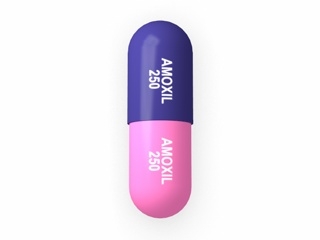


Amoxil (Amoxicillin) — Patient Guide (UK)
Amoxil contains amoxicillin, an antibiotic used to treat a range of bacterial infections. This guide explains what Amoxil does, how it works in the body, typical uses, how to take it safely, and what to expect in the UK. It is written to be patient-friendly and practical.
1. Basic product information
| Item | Information |
|---|---|
| Active ingredient | Amoxicillin |
| Medicinal type | Penicillin-class antibiotic (beta-lactam) |
| Common formulations | Tablets, capsules, and liquid suspensions (strengths vary) |
| How it works | Stops bacteria from building and repairing their cell walls |
| Use | Bacterial infections (not viral illnesses like colds or flu) |
Brand availability can vary, and you may see different presentations of amoxicillin in the UK (for example tablets, capsules, or liquid). Your pharmacist can confirm the exact strength and how it should be taken for your specific product.
2. Mechanism of action (how Amoxil works)
Amoxicillin is a beta-lactam antibiotic. It works by interfering with enzymes that bacteria use to build their protective cell wall. When the cell wall cannot form properly, the bacteria become unstable and die.
Importantly, antibiotics like amoxicillin work against bacteria but do not treat infections caused by viruses, such as many sore throats, colds, flu, and most coughs.
3. Pharmacokinetics (what happens in the body)
“Pharmacokinetics” describes how the body absorbs, distributes, and eliminates a medicine. Amoxicillin is generally absorbed well from the gastrointestinal tract and can reach therapeutic levels in many tissues.
- Absorption: Amoxicillin is absorbed after oral dosing; taking it at regular times helps maintain effective levels.
- Distribution: It spreads into body fluids and tissues, including areas commonly affected by bacterial infections.
- Metabolism: Only a small portion is metabolised; most is excreted unchanged.
- Elimination: Primarily via the kidneys through the urine.
- Half-life: In many adults, it is relatively short, which is why dosing is often multiple times per day.
If you have kidney problems, your clinician may adjust the dose or dosing frequency to reduce the risk of accumulation and side effects.
4. Typical use and timing
What Amoxil is used for
Amoxicillin is used for confirmed or strongly suspected bacterial infections. Common examples include (depending on local guidance and individual circumstances):
- Ear, nose and throat infections such as otitis media (middle ear infection) and some sinus infections
- Dental infections
- Skin infections (in selected cases)
- Chest infections (where bacterial infection is likely and appropriate)
- Urinary tract infections (in selected cases)
Not every infection will be treated with amoxicillin. Your healthcare professional may consider allergy history, severity, local resistance patterns, and whether the likely cause is bacterial.
When you may start to feel better
Many people begin to feel some improvement within 24–48 hours. However, this does not mean the infection is fully cured. Completing the full course is important to reduce the risk of relapse and antibiotic resistance.
How to time doses
Follow the instructions for your specific product and schedule. In general:
- Space doses evenly across the day (for example, every 8 or 12 hours depending on the regimen).
- Try to take doses at the same times each day to maintain steady antibiotic levels.
- Keep the course going for the full duration advised.
5. Food interactions (can you take it with food?)
Amoxicillin can generally be taken with or without food. If it upsets your stomach, taking it with a meal or snack may help.
For liquid suspensions, consistent timing and correct measuring are important. If you are using a suspension, use the dosing device provided (or an oral syringe) rather than a household spoon.
6. Alcohol and medicine interactions
Alcohol
In many cases, moderate alcohol is not specifically contraindicated with amoxicillin. However, alcohol may worsen dehydration, sleep, and recovery if you are unwell.
If you feel nauseated, dizzy, or generally unwell, avoiding alcohol may be safer while you recover.
Other medicines and interactions
Amoxicillin has several interactions worth considering. Always inform your healthcare professional or pharmacist about all medicines you take, including over-the-counter products and herbal remedies.
- Warfarin (or other anticoagulants): Antibiotics can sometimes increase the effect of warfarin, raising bleeding risk. Extra monitoring may be required.
- Oral contraceptives: Most guidance suggests that if diarrhoea/vomiting occurs, additional contraceptive precautions may be needed. If you experience severe diarrhoea or vomiting, seek advice.
- Allopurinol: Some people report more skin reactions when taken with amoxicillin.
- Probenecid: May reduce the clearance of amoxicillin, affecting levels.
- Other antibiotics: Your prescriber may avoid certain combinations depending on the infection and bacterial resistance.
- Medicines affecting gut absorption: Severe diarrhoea can reduce absorption of other medicines.
If you are unsure whether your current medicines could interact with amoxicillin, ask your pharmacist. They can check interactions for your exact products.
7. Indications (when Amoxil may be appropriate)
“Indications” means the conditions for which the medicine is used. Amoxil is indicated for bacterial infections where amoxicillin is expected to be effective.
In the UK, antibiotic selection often considers:
- Likely bacteria causing the infection
- Local resistance patterns
- Site and severity of infection
- Patient factors (age, kidney function, allergy history, pregnancy status if relevant)
For some infections, an antibiotic combination (such as amoxicillin with a beta-lactamase inhibitor) may be preferred if resistance is likely.
8. Dosing (how much and how often)
Dosing depends on the infection type, severity, age, weight (especially in children), and kidney function. Always use the dosing schedule provided by your healthcare professional or the packaging instructions for your specific product.
Common dosing principles
- Adults: Doses vary by indication. Typical regimens may be taken 2–3 times daily.
- Children: Dose is commonly calculated by weight (mg/kg/day), divided over the day.
- Kidney impairment: Dose/frequency may be adjusted.
- Course length: Duration varies from a few days to longer courses depending on the infection.
Table: Example dosing schedules (illustrative)
The table below is illustrative only. Always follow the dosing instructions specific to your prescription/product and clinician advice.
| Patient group | Typical frequency | Notes |
|---|---|---|
| Most adults | 2–3 times daily | Strength and total daily dose depend on infection type and severity. |
| Children | 2–3 times daily | Usually weight-based dosing using a liquid suspension or appropriate tablets. |
| Renal impairment | May be less frequent | Adjustment helps prevent side effects from higher blood levels. |
If you miss a dose
- Take it as soon as you remember, unless it is close to the next dose.
- Do not take a double dose to make up for a missed one.
- If you are unsure, contact your pharmacist for advice.
How to take liquid suspension correctly
- Shake the bottle well (if instructed on the label).
- Measure using the provided syringe or measuring device.
- Store as directed on the label, and discard within the stated timeframe after opening.
9. Safety profile (common and serious side effects)
Like all medicines, amoxicillin can cause side effects. Many are mild and improve after treatment stops, but some can be serious.
Common side effects
- Diarrhoea (often mild)
- Nausea or mild stomach upset
- Skin rash (non-allergic rashes can occur)
- Headache
- Vaginal thrush or other yeast overgrowth (less commonly)
Serious side effects — seek urgent medical help
- Signs of an allergic reaction:
- Swelling of the face, lips, tongue, or throat
- Wheezing or difficulty breathing
- Severe dizziness or fainting
- Widespread rash with blisters or peeling skin
- Severe or persistent diarrhoea, especially if watery or with blood/mucus, or with fever (could indicate a serious gut condition).
- Unusual bruising or bleeding (rare).
- Severe skin reactions such as blistering or rash spreading rapidly.
When to talk to your pharmacist/doctor promptly
- Rash that develops soon after starting and is worsening
- Diarrhoea that doesn’t improve or becomes severe
- Symptoms that don’t begin to improve within a couple of days
- Any concern about an interaction with your current medicines
Who should take extra care
- People with a history of penicillin allergy (or severe previous allergic reactions to beta-lactam antibiotics)
- Those with kidney disease
- People with a history of antibiotic-associated colitis or inflammatory bowel disease
- Those taking anticoagulants (monitoring may be needed)
10. Practical use tips (to get the best results)
- Start and finish the course: Even if you feel better, continue for the prescribed duration.
- Don’t share antibiotics: Your infection may require a different antibiotic or dose.
- Keep a consistent schedule: Setting reminders can help you avoid missed doses.
- Hydrate if you have diarrhoea or vomiting: This supports recovery.
- Watch for worsening symptoms: If fever increases or pain becomes severe, get medical advice.
- Store correctly: Follow the storage instructions on your label (temperature and moisture considerations differ by formulation).
- Use correct measuring devices: Especially for children’s liquid doses.
If you have a complicated medical history or are pregnant/breastfeeding, discuss suitability with a healthcare professional. Many people can use amoxicillin safely, but individual factors matter.
11. Alternative options (what else might be used)
Alternatives depend on the infection and susceptibility of bacteria, as well as allergy history and local guidance. Options commonly considered include:
- Different penicillin antibiotics (e.g., if specific resistance or intolerance is suspected)
- Amoxicillin-clavulanate for cases where beta-lactamase producing bacteria are more likely
- Cephalosporins in certain situations (depending on allergy type)
- Macrolides such as azithromycin/clarithromycin when penicillins are unsuitable
- Other antibiotic classes based on culture results or local prescribing patterns
If you have experienced a true allergic reaction to penicillin, your clinician may avoid amoxicillin and choose a safer alternative.
For some conditions, supportive care (such as pain relief, fluids, and rest) may be more appropriate—especially when the cause is viral or uncertain. Antibiotics are used only when benefits outweigh risks.
12. UK market and legal context (overview)
In the UK, amoxicillin is an antibiotic medicine that is regulated. Availability and purchasing routes are governed by UK medicines law and pharmacy regulations. Online pharmacies must follow requirements for safe supply and appropriate patient support.
The UK also places strong emphasis on antimicrobial stewardship: using antibiotics only when needed, at the right dose, and for the right duration. This helps reduce antibiotic resistance and protects future effectiveness.
13. Recent guidance and antimicrobial stewardship (what to expect)
UK guidance continues to encourage:
- Choosing antibiotics carefully based on likely bacteria and severity
- Avoiding antibiotics for viral illnesses (e.g., most colds)
- Reassessing if symptoms worsen or don’t improve after a short period
- Using shorter, evidence-based courses where appropriate
- Reporting side effects promptly, especially allergic reactions and severe diarrhoea
If you have an infection that doesn’t respond, this may indicate resistance, the wrong diagnosis, or a complication that needs reassessment.
14. Delivery and availability (UK)
Availability of Amoxil and other amoxicillin brands can vary by strength and formulation. Many online pharmacies offer:
- Home delivery across the UK (service availability and delivery times vary)
- Packaging updates depending on supplier availability
- Help from trained staff to confirm the correct strength and dosing form
Delivery times can be affected by weekends, public holidays, and stock levels. Check the estimated delivery timeframe shown at checkout.
15. FAQ
Is Amoxil the same as amoxicillin?
Amoxil is a brand name. It contains the active ingredient amoxicillin. Different products may have different strengths or formulations, but the active ingredient is what determines how it works.
Will Amoxil work for a cold or flu?
No. Colds and flu are usually caused by viruses. Antibiotics like amoxicillin only work against bacteria. Taking antibiotics unnecessarily can cause side effects and contribute to resistance.
Can I take Amoxil with food?
Yes. Amoxil can generally be taken with or without food. If it upsets your stomach, taking it with a meal may help.
How long does it take to start working?
Many people notice some improvement within 24–48 hours. If there is no improvement, symptoms worsen, or you develop concerning side effects, contact a healthcare professional for advice.
What should I do if I miss a dose?
Take it as soon as you remember unless it is close to the next dose. Do not take a double dose. Ask your pharmacist if you’re unsure.
Is it safe to drink alcohol while taking amoxicillin?
Alcohol is not usually specifically forbidden with amoxicillin, but it may make you feel worse when you are unwell. If you choose to drink, keep it moderate and stay hydrated.
Can Amoxil cause diarrhoea?
Yes, diarrhoea can occur. Mild diarrhoea is common. However, severe, persistent, or bloody diarrhoea may be serious—seek medical help.
What if I get a rash?
A rash can occur for various reasons. Seek urgent medical attention if you have signs of a serious allergic reaction (swelling of the face/lips, difficulty breathing, widespread blistering or peeling skin). For less severe rashes, contact your pharmacist or clinician promptly.
Does amoxicillin interact with warfarin?
It can. Antibiotics may affect how warfarin works in some people. If you take anticoagulants, you may need extra blood monitoring and advice.
Can I drive or operate machinery?
Amoxicillin is not usually expected to impair driving ability. If you feel unwell, dizzy, or unusually tired, avoid driving and seek advice.
What happens if I stop early?
Stopping early can lead to the infection returning or not being fully cleared, and it may increase the chance of antibiotic resistance. Complete the course unless your clinician advises you to stop because of side effects or complications.
Are there any “natural” remedies that replace antibiotics?
For bacterial infections, antibiotics are often essential. Supportive measures (fluids, rest, pain relief) may help your comfort, but they do not replace antibiotic treatment when bacteria are causing the illness. If you are unsure, ask a healthcare professional.
16. Quick safety checklist
- Allergy check: Tell your clinician/pharmacist if you’ve ever reacted to penicillins or cephalosporins.
- Stop and seek help if you get signs of serious allergy or severe diarrhoea.
- Finish the course as advised, even if you feel better.
- Keep dosing regular and use correct measures for liquid doses.
- Ask about interactions if you take warfarin or other regular medicines.