
Zyvox (Linezolid) – Patient Information (UK)
Zyvox is a brand of the antibiotic linezolid, used to treat certain serious bacterial infections. This page explains how Zyvox works, how it is used, what to expect, and important safety information—written in a patient-friendly way for people in the United Kingdom.
1) Basic product information
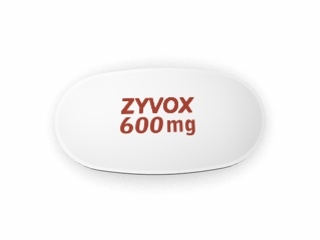
Zyvox (linezolid) is an antibiotic that belongs to the class called oxazolidinones. It is available in different formulations depending on the product/pack, such as tablets and oral solutions. Your pharmacy will provide the correct form and strength for your medicine.
| Feature | Information |
|---|---|
| Active ingredient | Linezolid |
| Medicine type | Antibiotic (against certain Gram-positive bacteria) |
| Common formulations | Tablets and oral suspension/solution (availability varies) |
| How it’s taken | By mouth (depending on formulation) or as directed by healthcare professionals |
| Typical duration | Often 10–14 days for many infections; longer courses may be used in specific situations |
2) How Zyvox works (mechanism of action)
Linezolid works by blocking bacterial protein synthesis. Specifically, it binds to components of the bacterial ribosome (the 50S ribosomal subunit), preventing bacteria from making essential proteins needed for growth and replication.
Zyvox is generally bacteriostatic (it can slow or stop bacterial growth) but in some settings may achieve clinical effects similar to bactericidal treatment.
3) What infections is Zyvox used for? (indications)
Zyvox is mainly used for serious infections caused by susceptible Gram-positive bacteria, including bacteria resistant to other antibiotics. It may be chosen when there is a need for reliable coverage against organisms such as:
- Complicated skin and soft tissue infections
- Hospital-acquired pneumonia (including cases due to susceptible pathogens)
- Community-acquired pneumonia (in specific situations and based on local guidance)
- Vancomycin-resistant Enterococcus (VRE) infections
- Other serious infections caused by susceptible Gram-positive organisms, as advised by clinicians
The exact choice of antibiotic depends on factors such as the infection site, severity, local resistance patterns, and microbiology results (for example, culture and sensitivity).
4) Pharmacokinetics (how the body handles Zyvox)
“Pharmacokinetics” describes how a medicine is absorbed, distributed, metabolised, and eliminated. The main points for linezolid include:
- Absorption: Linezolid can be taken by mouth and generally has good absorption.
- Distribution: It reaches tissues where infections occur, including lungs and skin/soft tissue.
- Metabolism: It is metabolised in the body to inactive metabolites.
- Elimination: The metabolites are mainly eliminated via the kidneys and to some extent via faeces.
- Half-life: The dosing interval is designed to maintain effective drug levels.
People with significant kidney problems or liver impairment may require closer monitoring. Your healthcare team will advise based on your situation and the planned duration of treatment.
5) Typical timing and how to take Zyvox
Zyvox is usually taken at regular intervals to keep antibiotic levels steady in the body. Follow the dosing schedule given by your healthcare professional. If you are unsure, check with your pharmacist.
General practical timing tips
- Take it at the same times each day to maintain consistent coverage.
- If it is prescribed twice daily, aim for roughly 12 hours apart. If prescribed three times daily, aim for roughly 8 hours apart (depending on the product regimen).
- With or without food: Food does not usually significantly affect absorption, so take it in the way that helps you remember.
- Complete the course: Even if you feel better, finish the planned treatment to reduce the risk of relapse and resistance.
6) Food interactions
Unlike some antibiotics, linezolid generally has few clinically important interactions with food. That means you can typically take Zyvox with or without meals.
However, linezolid has a significant interaction potential with certain foods due to its effect on monoamine oxidase (MAO) activity (see section on alcohol and medicine interactions, and the related dietary precautions).
Tyramine-containing foods (important)
Linezolid can interfere with breakdown of the natural substance tyramine, which may lead to very high blood pressure (a “hypertensive reaction”). Because of this, many healthcare providers advise avoiding foods with very high tyramine content.
As a patient-friendly guide, avoid or limit aged/fermented foods and drinks, especially in the first days of treatment or if your clinician has advised strict avoidance.
- Aged cheeses (e.g., blue cheese, matured cheeses)
- Fermented or cured meats (for example, some products with long curing times)
- Pickled, fermented, or improperly stored foods
- Overripe or improperly stored foods (food safety matters)
- Tap/brewing or unregulated fermentation products (where tyramine risk may be higher)
- Broadly: avoid “tiranine-rich” diets during treatment unless your clinician says otherwise
If you are unsure about a specific food, ask your pharmacist or clinician. Guidance may vary depending on your overall health and the exact treatment plan.
7) Alcohol and medicine interactions
Linezolid has interactions that are primarily related to its MAO-related activity. This can affect the safety of certain medicines and also some substances that influence serotonin or blood pressure.
Alcohol
There is no universal “safe” level of alcohol for everyone taking linezolid. Because linezolid can cause side effects such as nausea, headache, dizziness, and may affect blood counts during longer courses, it is often recommended to avoid alcohol or keep it minimal while you are taking Zyvox, especially if you feel unwell.
Medicine interactions: key categories
Tell your pharmacist or clinician about all medicines you take, including over-the-counter products and herbal supplements. Particularly important interaction groups include:
- Serotonergic medicines (risk of serotonin syndrome): antidepressants such as SSRIs/SNRIs, MAO inhibitors, certain migraine medicines (triptans), and other drugs that increase serotonin.
- MAO inhibitors: linezolid has functional MAO activity and should not be used with MAO inhibitors.
- Dopaminergic agents and some other neuroactive drugs: certain combinations may increase risk of adverse effects.
- Decongestants and sympathomimetics: some cold/flu medicines can affect blood pressure.
- Anticoagulants: monitor if you take warfarin or other blood thinners, as interactions may affect clotting.
- Antidiabetic medicines: if you have diabetes, be alert for unusual symptoms; some regimens require monitoring.
- Herbal supplements: for example, St John’s wort may increase serotonergic risk.
If you notice symptoms such as shaking, agitation, fever, sweating, confusion, fast heart rate (possible serotonin syndrome) or severe headache, chest pain, sudden blood pressure spikes, flushing (possible hypertensive reaction), seek urgent medical advice.
8) Dosing (general information)
Linezolid dosing depends on factors such as the infection type, severity, age, and kidney/liver function, as well as the specific product strength and formulation. Always use the regimen provided by your healthcare professional.
Common adult dosing regimens may include twice-daily or three-times-daily schedules depending on indication and local guidance.
How to take the tablet or oral medicine
- Tablets: swallow whole with water unless instructed otherwise.
- Oral solution: measure carefully using an oral syringe/spoon if provided.
- Do not double doses: if you miss a dose, follow your clinician’s advice or pharmacy guidance.
- Continue treatment plan: do not stop early without medical advice, even if you feel better.
If treatment is expected to last longer (for example, more than about 10–14 days), clinicians may arrange closer monitoring, because certain side effects can be more likely with longer courses.
9) Safety profile: important risks and side effects
Like all medicines, Zyvox can cause side effects. Most people experience mild or moderate effects, but some require urgent action. The risk can increase with longer treatment durations and in people with certain medical conditions.
Common side effects
- Nausea or stomach upset
- Headache
- Diarrhoea
- Dizziness
- Changes in taste
- Reduced appetite
Serious or important side effects (seek medical advice)
- Low blood counts (myelosuppression): possible with longer use. This may include anaemia, low white blood cells, or low platelets. Monitoring blood tests may be recommended.
- Lactic acidosis: rare, but seek urgent advice if you develop unusual muscle weakness, deep/rapid breathing, or severe tiredness.
- Peripheral neuropathy (nerve symptoms): symptoms can include tingling, numbness, or burning pain.
- Optic neuropathy (eye problems): report any changes in vision, blurred vision, or reduced colour perception.
- Serotonin syndrome/hypertensive reactions: related to interacting medicines or tyramine-rich foods. Seek urgent medical help if symptoms occur.
- Severe diarrhoea: if diarrhoea is severe, persistent, or contains blood/mucus, contact a clinician urgently.
When to get urgent help
Contact urgent medical services or go to the nearest urgent care/emergency department if you experience:
- Signs of an allergic reaction (swelling of face/lips, rash with breathing difficulty)
- Severe headache with chest pain, sudden severe blood pressure symptoms
- Confusion, agitation, fever, sweating, fast heart rate
- Vision changes or loss of vision
- Severe or worsening diarrhoea
10) Practical use tips for patients
Adherence and reminders
- Use phone alarms or a pill organiser.
- Keep a note of the start date and the expected duration.
- Do not stop early when symptoms improve unless advised.
During treatment
- Monitor symptoms: track temperature, pain level, breathing, wound appearance, and general wellbeing.
- Blood tests: if your course is longer, you may need periodic monitoring for blood counts and other parameters.
- Eye and nerve symptoms: report promptly tingling/numbness or any change in vision.
- Hydration and diet: drink fluids if you can, especially if you experience diarrhoea or nausea.
Missed dose guidance (general)
If you miss a dose, take it when you remember unless it’s close to the time of the next dose. Do not take a double dose. If you’re unsure, contact your pharmacist for advice based on your schedule.
11) Alternative options (what else might be considered)
Alternatives depend on the bacteria suspected or confirmed, local resistance patterns, patient allergy history, kidney and liver function, severity of infection, and site of infection. In the UK, clinicians may consider options such as:
- Vancomycin (typically for serious Gram-positive infections; often hospital-based)
- Daptomycin (for certain Gram-positive infections; not used for pneumonia due to lung inactivation)
- Tigecycline (selected complicated infections; specialist decision)
- Other antibiotics depending on sensitivity results (e.g., specific beta-lactams for susceptible organisms)
Your healthcare professional will choose the most appropriate option based on culture results (if available) and the best balance of effectiveness and safety.
12) UK market and legal context (how Zyvox is used within the NHS and UK healthcare)
In the UK, linezolid is a prescription-only medicine and is used within antimicrobial stewardship frameworks. Antimicrobial stewardship aims to ensure antibiotics are used appropriately—at the right time, for the right duration, and with the right agent—to reduce side effects and limit the development of antibiotic resistance.
UK prescribing also reflects guidance from bodies such as:
- National Institute for Health and Care Excellence (NICE)
- Local antimicrobial guidelines in hospitals and community settings
- Scottish/Higher-level UK antimicrobial stewardship resources where applicable
13) Recent guidance and monitoring considerations
Ongoing clinical practice and safety updates emphasise:
- Careful review of interacting medicines before and during treatment.
- Monitoring for blood count changes for courses that are longer than typical short regimens.
- Prompt reporting of neurologic or visual symptoms.
- Discouraging unnecessary prolonged use where alternatives may be suitable.
Your clinician may schedule follow-up appointments or blood tests depending on the infection type and planned duration. Always attend monitoring appointments if advised.
14) Delivery and availability (UK)
Zyvox availability may vary by formulation (for example, tablets vs oral solution) and strength. Online pharmacies in the UK typically confirm:
- Whether the specific strength/formulation is in stock
- Delivery options and dispatch times
- Cold-chain requirements (usually not required for tablets/oral medicines, but confirm if your product differs)
- Packaging and patient information leaflets
To avoid delays, consider ordering early—especially if you need to start treatment promptly. If a product is temporarily unavailable, some pharmacies can advise on expected restock dates or suitable alternatives.
15) Frequently Asked Questions (FAQ)
Can I take Zyvox with food?
Yes, Zyvox is generally taken with or without food. Many people find taking it with meals helps reduce nausea. Follow your specific instructions from your healthcare professional and check the product packaging for details.
What if I miss a dose?
If you miss a dose, take it when you remember unless it is close to the next scheduled dose. Do not take a double dose. If you are unsure, ask your pharmacist for advice based on your regimen.
Is it safe to drink alcohol while taking Zyvox?
It is usually advised to avoid alcohol or keep it minimal during treatment, because alcohol can worsen side effects and because you should be able to recognise symptoms that may need medical review. Ask your pharmacist if you have concerns.
Do I need to avoid certain foods?
During treatment with linezolid, many clinicians advise avoiding high-tyramine foods (certain aged/fermented foods) because of the risk of a blood pressure reaction. If you’re unsure, seek guidance from your pharmacist or clinician.
What symptoms should I report immediately?
Report urgently if you develop signs of allergic reaction, severe or persistent diarrhoea, severe headache with other concerning symptoms, agitation/fever/sweating/confusion (possible serotonin syndrome), or any change in vision or new nerve symptoms such as tingling or numbness.
How long will I need to take Zyvox?
Treatment length depends on the infection type, severity, and response to therapy. Many courses are around 10–14 days, but some situations may require longer. Complete the course unless advised otherwise.
Will Zyvox affect my blood tests?
It can. With longer treatment, linezolid may lower blood counts (myelosuppression). If your course is expected to be longer, healthcare professionals may monitor your full blood count and related parameters.
Are there alternatives if Zyvox is not suitable?
Yes—alternatives depend on the organism and infection site. Your clinician can discuss options such as other Gram-positive antibiotics (selection varies by condition and sensitivities).
Can I stop taking Zyvox if I feel better?
It is important not to stop early without medical advice. Stopping too soon can allow the infection to return and can contribute to resistance. If you have side effects or concerns, speak to a healthcare professional promptly.
16) Summary
Zyvox (linezolid) is an antibiotic used for certain serious infections caused by susceptible Gram-positive bacteria. It works by inhibiting bacterial protein synthesis. While many people tolerate it well, it has important interaction potential (especially with some medicines and high-tyramine foods) and may require monitoring during longer courses. For the safest and most effective treatment, take it at regular times, avoid relevant interaction risks, complete the full course, and seek urgent advice if concerning symptoms occur.