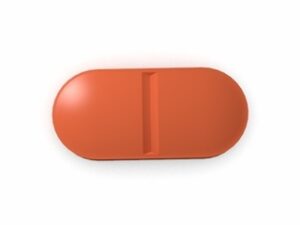
Keftab (Cephalexin) – Patient Guide (UK)
Keftab contains cephalexin, an antibiotic medicine from the cephalosporin family. It is used to treat certain bacterial infections. This page explains how cephalexin works, what it is used for, how to take it, and key safety information.
Important: Always use antibiotics responsibly. Cephalexin works only against bacteria, not viruses (such as colds or most sore throats caused by viruses).
Basic product information
| Feature | Details |
|---|---|
| Medicine name | Keftab |
| Active ingredient | Cephalexin |
| Drug class | First-generation cephalosporin antibiotic |
| Common forms | Oral tablets/capsules (strength varies by product) |
| How it’s taken | By mouth |
| Typical dosing schedule | Often divided into multiple doses during the day |
How Keftab (cephalexin) works
Cephalexin is a bactericidal antibiotic, meaning it kills bacteria rather than only slowing them down. It does this by interfering with the bacteria’s ability to build a strong cell wall. Without an effective cell wall, bacteria cannot survive and multiply.
In simple terms: cephalexin targets the bacterial cell wall construction process, leading to bacterial death.
Pharmacokinetics (how the body handles it)
Pharmacokinetics describes how cephalexin is absorbed, distributed, metabolised, and eliminated. While individual results vary, the general pattern is:
- Absorption: Cephalexin is absorbed after oral administration. Food may slightly affect absorption rate, but it does not usually prevent its effectiveness.
- Distribution: It distributes into body tissues and fluids where bacterial infections may be present.
- Metabolism: Cephalexin is not extensively metabolised in the body.
- Elimination: Mostly eliminated by the kidneys via urine. This is why dose adjustment may be needed in kidney impairment.
Cephalexin needs to be taken regularly to maintain an effective concentration in the body for the required treatment duration. Missing doses or stopping early can reduce effectiveness.
What Keftab is used for (typical uses)
Cephalexin is used for certain susceptible bacterial infections. The exact choice of antibiotic depends on: the infection type, likely bacteria, local guidance, severity, allergies, and sometimes culture results.
Common indications in adults and children (examples)
- Skin and soft tissue infections (for example, infected wounds, cellulitis/impetigo in appropriate cases)
- Bone and joint infections (sometimes as part of a specialist-led plan)
- Ear, nose, and throat infections (selected cases where cephalexin is appropriate)
- Urinary tract infections (UTIs) caused by susceptible organisms (where appropriate)
- Respiratory tract infections (some bacterial cases, depending on local susceptibility)
Note: Not all infections can be treated with cephalexin. Some bacteria are resistant, and some infections require different antibiotics. A clinician may choose a different medicine depending on symptoms and suspected bacteria.
When to take Keftab and timing tips
Taking cephalexin at the correct times helps keep antibiotic levels steady. If doses are spaced too far apart or delayed regularly, the treatment may be less effective.
General timing guidance
- Try to take it at evenly spaced intervals across the day.
- Take it for the full course as directed by your healthcare professional.
- If you miss a dose: take it as soon as you remember unless it’s close to the next dose. Do not take a double dose to catch up.
Practical examples
- If taking four times daily, doses are commonly spaced about every 6 hours.
- If taking three times daily, doses are commonly spaced about every 8 hours.
Your exact schedule depends on the strength and frequency prescribed for your situation.
Food interactions: taking Keftab with meals
Cephalexin can usually be taken with or without food. Taking it with food may improve comfort if it upsets your stomach.
- With meals: often helps reduce nausea or stomach discomfort.
- Without meals: may be tolerated by many people, but if you experience indigestion, try taking it with food.
Keep taking it consistently in whichever way suits you best (with or without food) unless your healthcare professional advises changes.
Alcohol interactions and safety
There is no specific “cephalexin–alcohol” interaction that is as well-known as with some other antibiotics. However, drinking alcohol can:
- increase stomach irritation,
- worsen dehydration,
- make side effects like dizziness or fatigue more noticeable,
- reduce your ability to rest and recover.
For best recovery, it is sensible to avoid or limit alcohol while you are unwell and taking antibiotics. If you have liver disease or take regular medications, discuss alcohol with a pharmacist.
Medicine interactions (other drugs and supplements)
Cephalexin has fewer interactions than some antibiotics, but it can still affect or be affected by other medicines. Always tell a healthcare professional about all medicines you use, including over-the-counter products and herbal remedies.
Key considerations
- Probenecid: may reduce the kidney elimination of cephalexin, potentially increasing blood levels.
- Warfarin (and other vitamin K antagonists): antibiotics can sometimes affect bleeding risk and INR control. If you take warfarin, you may need closer INR monitoring during and after antibiotic therapy.
- Oral typhoid vaccine: antibiotics may reduce the effectiveness of vaccines. Timing advice is often needed.
- Kidney impairment medicines: if you take medicines that affect kidney function, your doctor may monitor you more closely.
General rule: If you start any new medicine while on cephalexin, ask your pharmacist whether it’s safe to combine.
Dosing: typical adult and paediatric considerations
The dose of cephalexin depends on the infection being treated, severity, kidney function, age, and whether the patient is an adult or a child. Dosing is therefore individual.
Adults
Adult dosing commonly ranges depending on the infection type and local practice. Frequencies may be multiple times per day. Your pharmacist or healthcare professional can confirm the exact instructions for your specific pack.
Children
Paediatric dosing is typically calculated according to body weight (and sometimes age and severity). Use the dosing schedule that comes with your child’s medicine instructions. Do not guess or convert doses without professional advice.
Kidney function
Because cephalexin is cleared mainly by the kidneys, dose adjustments may be required if you have kidney impairment. If you have known kidney disease, discuss dosing with a clinician.
How to take tablets safely
- Swallow tablets with water.
- Keep to the same dosing times daily.
- Do not stop early even if you feel better (unless advised).
- Finish the course to reduce the chance of relapse and resistance.
Safety profile and side effects
Like all medicines, cephalexin can cause side effects. Many people experience none or only mild effects, but some reactions require prompt medical attention.
Common side effects (usually mild)
- Diarrhoea
- Nausea or mild stomach upset
- Vomiting (less common)
- Headache
- Rash or mild skin changes
Serious side effects (seek urgent advice)
- Allergic reaction: swelling of the face/lips, difficulty breathing, wheezing, severe rash, or collapse. This requires urgent medical help.
- Severe or persistent diarrhoea (especially watery or bloody diarrhoea, or diarrhoea with fever). This may indicate a more serious bowel condition and needs medical assessment.
- Symptoms of liver or blood issues (unusual bruising, yellowing of eyes/skin, severe fatigue). Contact a clinician promptly if these occur.
Allergy warnings
Tell a healthcare professional if you have ever had an allergic reaction to: cephalosporins, penicillins, or other beta-lactam antibiotics. Cross-reactions can occur in some people.
When to contact a pharmacist or clinician promptly
- Rash that is spreading, blistering, or associated with fever
- Worsening symptoms after starting treatment
- Signs of dehydration (especially if vomiting or diarrhoea is significant)
Practical use tips
Support your recovery
- Rest and drink plenty of fluids.
- Take doses at the recommended times; use phone alarms if helpful.
- If you feel unwell with nausea, try taking with food.
- Do not share antibiotics with others, even if their symptoms seem similar.
Managing missed doses
- If you miss a dose, take it when you remember.
- If it’s almost time for the next dose, skip the missed one.
- Do not take extra doses to “make up” for a missed dose.
Completion of course
Finishing the course helps ensure bacteria are fully treated. Stopping early can allow remaining bacteria to multiply again.
Storage
Follow the storage instructions on the pack. Keep medicines out of reach of children. Store in a cool, dry place unless the label advises otherwise.
Alternative options
Treatment depends on the infection type, likely bacteria, allergy history, and local antimicrobial guidance. Depending on the situation, alternatives may include other antibiotic classes.
Possible antibiotic alternatives (examples)
- Penicillin-family antibiotics (e.g., amoxicillin) in appropriate cases
- Other cephalosporins with different spectra or dosing schedules
- Macrolides (e.g., clarithromycin or azithromycin) when cephalosporins are unsuitable
- Tetracyclines (e.g., doxycycline) for selected infections and bacteria
- Other options guided by susceptibility tests
Your healthcare professional will choose the most suitable option. If you have allergies or previous antibiotic problems (e.g., severe diarrhoea), mention this early so appropriate choices can be made.
UK market and legal context
In the United Kingdom, antibiotics are regulated medicines. Availability and supply are governed by UK pharmaceutical law and professional standards to ensure safe use.
- Antibiotic stewardship: NHS and public health bodies encourage responsible antibiotic use to reduce resistance.
- Clinical appropriateness: Antibiotic selection and duration should follow evidence-based guidance and local formularies.
- Safety screening: Pharmacists and clinicians check allergies, current medicines, and relevant medical history.
Recent UK practice continues to emphasise using antibiotics only when likely beneficial, guided by symptoms, examination, and (where applicable) microbiology results.
Recent guidance and antimicrobial stewardship (UK)
Antimicrobial resistance is a major public health concern. UK guidance prioritises:
- Right antibiotic, right dose, right duration
- Using antibiotics when bacterial infection is likely
- Avoiding unnecessary prescriptions for viral conditions
- Reviewing treatment if symptoms do not improve or worsen
If your symptoms do not begin to improve within a reasonable timeframe (often within a few days, depending on the infection), seek advice. Early review can help ensure the infection is correctly diagnosed and treated.
Delivery and availability (online pharmacy)
Keftab (cephalexin) may be available through online pharmacies across the UK, subject to availability, stock levels, and supply requirements. Delivery times can vary depending on your location and the dispatch schedule.
- Availability: Stock is subject to change. If out of stock, you may be offered an alternative strength/formulation if appropriate.
- Packaging: Medicines are supplied in manufacturer packaging with clear labeling and instructions.
- Delivery address: Ensure the address is correct to avoid delays.
- Receiving: If you’re not available, follow your courier’s instructions for safe delivery.
For the most accurate delivery estimate, check the online pharmacy’s delivery options at checkout.
FAQ – Frequently asked questions
1. Is Keftab the same as cephalexin?
Yes. Keftab is a brand name that contains the antibiotic cephalexin.
2. How quickly should I feel better?
Some people notice improvement within a few days, depending on the infection. If symptoms are not improving or are worsening, seek advice promptly so the diagnosis and treatment can be reviewed.
3. Can I take Keftab with food?
Typically, yes. It can usually be taken with or without food. If you feel nauseous, taking it with meals may help.
4. What should I do if I miss a dose?
Take it as soon as you remember unless it is almost time for your next dose. Do not take a double dose.
5. Can I drink alcohol while taking cephalexin?
There is no single well-known direct interaction, but alcohol can worsen side effects and slow recovery. It’s best to avoid or limit alcohol while you’re unwell.
6. Who should be extra careful when using cephalexin?
Extra caution is advised if you have:
- a history of allergy to cephalosporins or penicillins,
- kidney problems,
- previous antibiotic-associated severe diarrhoea,
- conditions that affect blood clotting or if you take warfarin.
Ask a pharmacist for advice if you are unsure.
7. Can cephalexin be used for colds or flu?
No. Colds, flu, and many sore throats are usually caused by viruses, and antibiotics do not treat viral infections.
8. What if I get diarrhoea during treatment?
Mild diarrhoea can happen. However, contact a clinician urgently if diarrhoea is severe, persistent, watery or bloody, or if you have fever and significant abdominal pain.
9. Are there alternatives if I’m allergic to cephalosporins?
Yes. Alternatives depend on the infection and your allergy history. A healthcare professional can recommend a suitable antibiotic or approach.
10. How should I store Keftab?
Store according to the pack instructions, typically in a cool, dry place, and keep out of reach of children.
Summary
Keftab (cephalexin) is an oral antibiotic used for selected bacterial infections. It works by disrupting bacterial cell wall formation. Cephalexin is mainly eliminated through the kidneys, and doses may need adjustment in kidney impairment. It can often be taken with or without food; taking with food may help reduce stomach upset. As with all antibiotics, it’s important to use it responsibly—take it at the right times, complete the course, and seek advice if symptoms do not improve or if you experience signs of serious side effects.