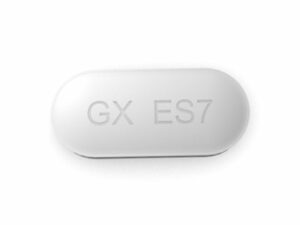


Biaxin (Clarithromycin) – Patient Information (UK)
Biaxin is a brand of the antibiotic clarithromycin, used to treat certain bacterial infections. This page explains what the medicine is for, how it works, how to take it, common side effects, important safety information, and practical guidance for everyday use in the UK.
Always read the patient information leaflet (PIL) supplied with your medicine and follow the advice of a healthcare professional.
1) Basic product information
| Feature | Details |
|---|---|
| Generic name | Clarithromycin |
| Brand name | Biaxin |
| Medicine type | Antibiotic (macrolide) |
| Common formulation | Tablets or oral suspension (strengths may vary) |
| Typical dosing frequency | Usually twice daily (varies by condition and formulation) |
Important note: Biaxin is not suitable for treating viral infections such as common colds or flu. It works only against bacteria.
2) How Biaxin works (mechanism of action)
Clarithromycin is a macrolide antibiotic. It works by interfering with bacterial protein production:
- It binds to the bacterial ribosome (50S subunit).
- This inhibits protein synthesis, preventing bacteria from growing and multiplying.
- At appropriate concentrations, clarithromycin can help the immune system clear the infection.
Clarithromycin also has an “active metabolite” called 14-hydroxyclarithromycin which contributes to antibacterial activity for some bacteria.
3) Pharmacokinetics (how the body handles it)
Pharmacokinetics describes how a medicine is absorbed, distributed, metabolised and excreted.
- Absorption: Clarithromycin is absorbed from the gut after oral dosing.
- Distribution: It reaches various body tissues, including the lungs and sinuses—one reason it’s used for respiratory infections.
- Metabolism: It is metabolised in the liver. Its active metabolite forms in varying amounts.
- Elimination: It is cleared partly via the kidneys (urine) and partly via other routes.
- Half-life: The time the body takes to reduce drug levels by half can vary depending on dose and formulation.
Why this matters: Dosing schedules are designed to keep antibiotic levels high enough to inhibit bacteria. If doses are missed or the course is stopped early, bacteria may survive and symptoms can return.
4) Typical uses and indications (what it’s used for)
Clarithromycin may be used to treat a range of infections caused by bacteria susceptible to it. Indications vary by local guidance and susceptibility patterns. Common uses may include:
- Respiratory tract infections such as certain cases of sinusitis, bronchitis, and community-acquired pneumonia (depending on clinical judgement and local resistance patterns).
- Skin and soft tissue infections where clarithromycin is appropriate.
- Infections caused by specific bacteria as determined by healthcare assessment.
- Some treatment pathways for Helicobacter pylori as part of combination therapy (regimens depend on local protocols and co-prescribed medicines).
- Prevention or treatment of specific infections in particular high-risk scenarios (specialist-led).
Antibiotic stewardship: Clarithromycin should be used only when bacterial infection is suspected or confirmed and when it is clinically appropriate. Overuse can increase antibiotic resistance and may cause unnecessary side effects.
5) Timing and how to take Biaxin
How often should it be taken?
Many adults take clarithromycin twice daily. However, the exact dose and schedule depend on:
- the infection being treated
- your age and weight (for children)
- kidney function and other health factors
- the formulation (e.g., tablets vs suspension)
- any combination therapy that may be required
Timing tips
- Try to take it at evenly spaced times (for example, morning and evening).
- Take the full course even if you feel better before finishing.
- If you miss a dose, take it when you remember unless it is nearly time for the next dose. Do not take a double dose to make up for a missed tablet.
How to swallow / use suspension
- Tablets: swallow whole with water.
- Oral suspension: shake well before use and measure carefully using a marked dosing syringe/spoon.
- Follow the manufacturer’s instructions on storage (some suspensions require refrigeration once made up).
6) Food interactions
Food can affect absorption and tolerability. In many cases, clarithromycin can be taken with or without food. However:
- Taking with food may reduce stomach upset for some people.
- Do not alter the dosing schedule without advice if your clinician has recommended a specific regimen.
Practical tip: If you notice nausea or stomach discomfort, try taking your dose with a snack (unless your healthcare provider advised otherwise).
7) Alcohol and medicine interactions
Alcohol does not always cause a direct chemical interaction with clarithromycin, but combining alcohol with antibiotics can worsen side effects and may reduce how well you feel during treatment.
- Potential issues: increased nausea, dizziness, stomach irritation, and slower recovery.
- Recommendation: consider avoiding alcohol during the course or keeping it minimal, especially if you experience side effects.
If you have liver problems, a history of heavy alcohol use, or are taking other medicines that affect the liver, discuss alcohol use with a healthcare professional.
8) Interactions with other medicines (important)
Clarithromycin can interact with several medicines, sometimes by affecting how the liver processes them. These interactions can increase side effects or alter effectiveness.
Tell a healthcare professional or pharmacist about all medicines you use, including over-the-counter products and herbal remedies.
Medicines that may be affected
Some interactions are particularly important. Examples include:
- Medicines that affect heart rhythm (QT prolongation) such as certain antiarrhythmics and some antipsychotics.
- Statins (cholesterol-lowering medicines). Some combinations increase the risk of muscle-related side effects; dose adjustments or alternatives may be needed.
- Ergot derivatives (migraine treatments) such as ergotamine/dihydroergotamine—this combination can be dangerous.
- Some anti-fungal medicines (e.g., certain azoles) and other drugs metabolised by similar liver pathways.
- Benzodiazepines and other sedatives (effects may be increased).
- Oral anticoagulants (blood thinners) such as warfarin—monitoring may be required.
- Diabetes medicines (e.g., repaglinide) due to possible blood sugar changes.
- Other medicines that interact via liver enzymes including cytochrome P450 pathways.
Practical safety checklist
- Before starting, review your medication list with a pharmacist.
- Be especially cautious with medicines for heart rhythm, cholesterol, migraine, sleep/anxiety, blood thinning, and diabetes.
- If you experience severe dizziness, fainting, palpitations, or unusual muscle pain, seek urgent medical advice.
Do not stop other medicines unless advised.
9) Safety profile and side effects
Like all medicines, Biaxin (clarithromycin) can cause side effects. Many people experience mild effects, but some may require urgent medical attention.
Common side effects
- Nausea
- Diarrhoea
- Abdominal pain or indigestion
- Headache
- Altered taste (dysgeusia)
Less common but important side effects
- Allergic reactions (rash, itching, swelling, difficulty breathing)
- Liver problems (yellowing of skin/eyes, dark urine, severe fatigue)
- Skin reactions (severe rash, blistering)
- Heart rhythm changes (palpitations, fainting, severe dizziness)
- Severe or persistent diarrhoea (especially with fever or blood/mucus)
Seek urgent medical help if
- You have signs of severe allergic reaction: swelling of face/lips, trouble breathing.
- You develop watery or bloody diarrhoea with fever or significant abdominal pain.
- You notice yellowing of eyes/skin or severe liver symptoms.
- You have fainting, sustained fast heartbeat, or severe dizziness.
How to reduce risk of side effects: take doses at the correct times, avoid unnecessary alcohol, stay hydrated, and report unexpected symptoms promptly.
10) Practical use tips
- Finish the course: even if you feel better, completing the full prescribed duration helps prevent relapse.
- Take with adequate fluids: especially if using tablets.
- Manage stomach upset: consider taking doses with food if tolerated.
- Probiotics? Evidence varies. Some people use probiotics to support gut comfort during antibiotics, but discuss with a pharmacist if you are immunocompromised or have severe bowel disease.
- Watch for diarrhoea: mild looseness can happen, but severe diarrhoea should be assessed promptly.
- Do not share antibiotics: never use someone else’s medicine for a new illness.
- Keep away from moisture and heat: store according to label instructions.
11) Alternative options to consider
The “best” antibiotic depends on the infection type, severity, local resistance patterns, previous antibiotic exposure, allergy history, and patient factors (e.g., kidney or liver function).
Depending on diagnosis, clinicians may consider alternatives such as:
- Amoxicillin or amoxicillin-clavulanate for appropriate bacterial respiratory or sinus infections.
- Doxycycline for certain infections where suitable.
- Azithromycin (another macrolide) in selected cases, though it can have different dosing and interaction profiles.
- Clindamycin in some skin/soft tissue infections or in specific allergy situations.
- Other antibiotic choices tailored to culture results or specialist guidance.
Allergies matter: if you’ve had a reaction to macrolides previously (e.g., clarithromycin, erythromycin, azithromycin), seek advice before using Biaxin.
12) UK market and legal context (overview)
In the United Kingdom, clarithromycin is a widely used antibiotic. Medicines may have different regulatory classifications depending on formulation and strength. In practice, antibiotic treatment is typically guided by clinical assessment, and the NHS and national guidance emphasise appropriate antibiotic use.
Antibiotic resistance is a major public health concern in the UK. Healthcare systems encourage:
- using antibiotics only when needed
- choosing the right antibiotic for the likely bacteria
- reviewing treatment if symptoms do not improve
- following local antimicrobial stewardship recommendations
13) Recent guidance and stewardship principles
In the UK, antimicrobial guidance continues to focus on prudent prescribing. Key themes include:
- Confirming likely bacterial cause where possible and avoiding antibiotics for viral illnesses.
- Using local resistance data to inform antibiotic choice for common infections.
- Reviewing response to treatment and adjusting if needed.
- Shorter, targeted courses when clinically appropriate.
If you don’t improve after a reasonable period, or you worsen at any time, consult a healthcare professional promptly. Do not extend antibiotic use without advice.
14) Delivery and availability (UK online pharmacy)
Availability of Biaxin (clarithromycin) may vary by formulation, strength, and stock levels. When purchasing online, delivery times depend on your location and the supplier’s dispatch schedule.
- Check product details (strength, formulation, pack size) before ordering.
- Follow storage instructions on the packaging.
- Keep packaging for reference (including the PIL) until your course is complete.
Customer care note: If you have questions about correct dosing or suitability, contact the pharmacy team before use.
15) Dosing information (general guidance)
Dosing must be individualised by a healthcare professional based on the infection and patient factors. The information below is general and not a substitute for personalised advice.
Adults
Clarithromycin is commonly prescribed at doses given twice daily for certain infections. For specific conditions, regimens may vary (including combination therapy schedules for particular infections).
Children
Children typically receive an oral suspension with dosing based on weight and clinical scenario. Accurate measurement is essential.
Renal impairment
People with kidney impairment may require dose adjustments. If you have reduced kidney function, tell your pharmacist or clinician so dosing can be checked.
Always use the dosing schedule provided on your medicine packaging or by your healthcare professional.
16) FAQ
1. Is Biaxin used for colds or flu?
No. Biaxin (clarithromycin) is an antibiotic for bacterial infections. Colds and flu are usually caused by viruses and antibiotics do not work against them.
2. How long does it take to start working?
Some people notice improvement within 1–3 days, but this varies by infection type and severity. If symptoms are not improving, contact a healthcare professional for advice.
3. What should I do if I miss a dose?
Take it as soon as you remember unless it is close to the time of your next dose. Do not take a double dose. If you are unsure, ask a pharmacist.
4. Can I take Biaxin with food?
Often it can be taken with or without food, but taking it with food may reduce stomach upset. Follow the instructions given with your medicine.
5. Can I drink alcohol while taking clarithromycin?
It’s best to minimise alcohol during treatment, as it can worsen side effects like nausea, dizziness, and stomach irritation. If you’re unsure—especially if you have liver disease—ask your pharmacist.
6. Are there medicines I must avoid?
Certain drug combinations require extra caution due to interaction risks, including some medicines affecting heart rhythm, some statins, ergot derivatives, and certain sedatives or blood thinners. Share your full medication list with your pharmacist.
7. What side effects are most common?
Common side effects include nausea, diarrhoea, abdominal discomfort, headache, and altered taste. Many are mild and improve after finishing treatment.
8. When should I seek urgent help?
Seek urgent medical advice for severe allergic reactions (swelling, breathing trouble), severe or bloody diarrhoea, yellowing of the skin/eyes, fainting, or significant palpitations.
9. Can I stop early if I feel better?
It is usually important to complete the full course to reduce the chance of the infection returning. Stop early only if advised by a healthcare professional due to side effects or complications.
10. What if my symptoms get worse?
Worsening symptoms during antibiotic treatment should be assessed promptly. Do not self-adjust the course without advice.
Disclaimer: This information is provided for general guidance for patients in the UK and may not cover every situation. Individual eligibility, interactions, and dosing can vary. If you have concerns about your condition, medicines, or side effects, speak to a healthcare professional or pharmacist.