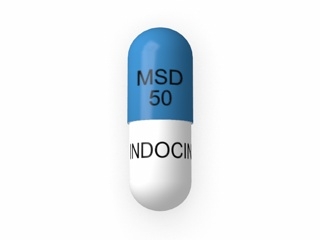
Indocin (Indomethacin) – Patient-Friendly Guide
Indocin is a brand name for indomethacin, a medicine from the non-steroidal anti-inflammatory drug (NSAID) group. Indomethacin is used to reduce pain, swelling, and inflammation. It can also help with certain medical conditions that involve painful inflammatory episodes.
This page explains how indomethacin works, typical uses, how to take it safely, what to consider with food and alcohol, and what options may be considered instead. It is written for general information in the United Kingdom (UK).
Quick facts
- Active ingredient: Indomethacin
- Drug type: NSAID (anti-inflammatory and pain-relieving medicine)
- Common reasons for use: short-term relief of certain inflammatory and painful conditions
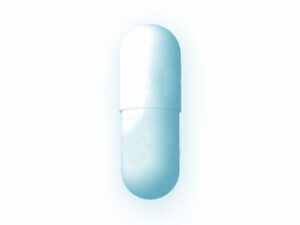
- Formulations: Indomethacin is available in different strengths and formulations (e.g., immediate-release capsules and other types, depending on supply)
- Key safety considerations: stomach irritation/ulcers, bleeding risk, kidney effects, and effects on cardiovascular risk
Basic product information
| Category | Information |
|---|---|
| Medicine name | Indocin (indomethacin) |
| Class | NSAID |
| How it helps | Reduces inflammation, pain, and fever by lowering prostaglandins |
| Who should be extra cautious | People with history of stomach ulcers/bleeding, kidney disease, heart disease, uncontrolled high blood pressure, or asthma triggered by NSAIDs |
| Typical approach | Use the lowest effective dose for the shortest time that controls symptoms |
How indomethacin works (mechanism of action)
Indomethacin works by blocking enzymes called cyclo-oxygenase (COX-1 and COX-2). These enzymes help produce prostaglandins—chemicals that contribute to:
- Inflammation (swelling and redness)
- Pain (pain signalling and sensitivity)
- Fever
By reducing prostaglandins, indomethacin can reduce pain and inflammation. Because the medicine affects prostaglandins involved in protecting the stomach and supporting kidney function, NSAIDs can also increase the risk of stomach irritation and kidney strain in some people.
Pharmacokinetics (how the body handles it)
While individual experience varies, the following general points help explain how indomethacin is absorbed, distributed, and cleared:
- Absorption: Indomethacin is absorbed from the gastrointestinal tract. Food may affect the speed of absorption, but it can reduce stomach irritation.
- Peak levels: Blood concentrations rise after dosing, with peak effect depending on the formulation. Immediate-release forms typically act sooner than modified-release forms.
- Distribution: Indomethacin binds to proteins in the blood and can distribute into tissues.
- Metabolism: The liver breaks down indomethacin into metabolites.
- Elimination: Metabolites are mainly excreted by the kidneys (with some excretion via bile/feces depending on the person and formulation).
Half-life (the time for blood levels to fall by half) can vary, but is typically in the range expected for many NSAIDs and may be longer in certain patients. Kidney or liver impairment can affect handling of NSAIDs and increase risk of side effects.
What is Indocin used for? (indications)
Indomethacin is used for conditions where strong anti-inflammatory and pain-relieving effects are needed. Availability and suitability depend on your specific diagnosis, severity, and medical history.
Common clinical indications include:
- Acute gout (a sudden, painful form of inflammatory arthritis caused by uric acid crystal deposition)
- Other inflammatory and painful joint conditions when NSAIDs are appropriate
- Some neurological pain conditions where indomethacin has a specific role (for example, particular headache syndromes may be treated with indomethacin under specialist guidance)
Indications can vary between countries and formulations. Your healthcare professional will decide whether indomethacin is the best choice for you. In the UK, prescribing and ongoing use usually follow evidence-based guidance and product information.
Typical timing and how to take it
How you take indomethacin depends on your formulation (e.g., immediate-release vs other types), the condition being treated, and your tolerance. Always follow the dosing instructions provided with your specific product.
General practical timing tips
- Consistency: Take it at the times recommended to maintain steadier symptom control.
- With food: Many people find taking indomethacin with or after food reduces stomach discomfort.
- Avoid extra NSAIDs: Do not combine with other NSAIDs (e.g., ibuprofen, naproxen, diclofenac) unless advised.
- Do not exceed recommended dose: More is not always better and increases risk.
Dosing information (general guidance)
Doses vary based on the condition being treated, age, kidney function, stomach history, and formulation. The points below are general and should not replace the instructions on your medicine label.
Adults (general)
- Indomethacin is often started at a lower dose and adjusted based on symptom response and tolerability.
- For some acute flare-ups (e.g., gout), a structured short course may be used, with careful attention to side effects.
Older adults
- Older adults are more likely to experience NSAID-related stomach bleeding, kidney effects, and fluid retention, so lower starting doses and closer monitoring may be considered.
Children
Indomethacin use in children depends strongly on the diagnosis and the licensed product details. If indomethacin is considered for a child, dosing must be strictly according to the authorised product information and clinician instructions.
Important: If you miss a dose, take it when you remember unless it is close to the next dose. Do not take a double dose to make up for a missed one.
Food interactions: what to know
Food can influence how comfortable indomethacin feels and sometimes how quickly it begins working. In general, NSAIDs may irritate the stomach lining, so taking indomethacin with food can help.
Recommended approach
- Take with or after meals to reduce stomach discomfort.
- Choose a consistent mealtime routine to avoid stomach upset.
Gastrointestinal protection (considerations)
Some people at higher risk of stomach ulceration or bleeding may be advised to use additional gastro-protection. This decision depends on your individual risk profile and other medicines.
Alcohol and medicine interactions
Alcohol can increase the risk of stomach irritation and gastrointestinal bleeding when combined with NSAIDs. It can also worsen dizziness, stomach upset, and overall tolerability.
Alcohol
- Limit alcohol while taking indomethacin, especially if you have a history of ulcers or bleeding.
- Avoid heavy drinking, and seek advice if you experience stomach pain, black stools, or vomiting blood.
Common medicine interactions
Indomethacin interacts with other medicines that affect bleeding risk, kidney function, or stomach lining. Examples include:
- Other NSAIDs (increased risk of ulceration/bleeding)
- Anticoagulants (e.g., warfarin)
- Antiplatelets (e.g., clopidogrel, aspirin for some indications)
- Corticosteroids (increased gastrointestinal risk)
- SSRIs/SNRIs (can increase bleeding tendency when combined)
- Diuretics (may affect kidney function)
- ACE inhibitors/ARBs (can affect kidney function, especially with diuretics)
- Lithium (risk of increased lithium levels)
- Methotrexate (risk of toxicity, especially at higher doses)
- Digoxin (may increase digoxin levels)
- Some diabetes medicines (rarely can affect glucose control)
This is not exhaustive. Always inform your healthcare professional about all medicines and supplements you take, including over-the-counter products.
Safety profile: who should be cautious and what to watch for
Like other NSAIDs, indomethacin can cause side effects. Many people tolerate NSAIDs reasonably, but risks can be higher in certain groups. The best approach is to use the lowest effective dose for the shortest duration.
Common side effects
- Stomach pain, indigestion, nausea
- Heartburn
- Dizziness or headache
- Fluid retention (in some people)
Serious side effects (seek urgent medical help)
- Signs of stomach bleeding such as black/tarry stools, vomiting blood, or severe persistent abdominal pain
- Allergic reactions such as facial swelling, wheeze, severe rash, or difficulty breathing
- Kidney problems such as reduced urine output, sudden weight gain from fluid retention, or marked fatigue
- Chest pain, sudden breathlessness, weakness on one side (possible cardiovascular or clot-related events)
- Severe skin reactions (rare) such as blistering rash
Who should be extra careful
You may need extra caution if you have any of the following:
- A past stomach ulcer or previous GI bleeding
- Kidney disease or dehydration
- Heart disease, history of stroke, or significant cardiovascular risk factors
- Uncontrolled high blood pressure
- Asthma that worsens with aspirin or NSAIDs
- Blood clotting disorders or use of medicines that increase bleeding risk
- Ageing frailty, multiple medicines, or known drug sensitivities
Practical use tips for safer everyday use
- Use a symptom diary: Record pain/swelling changes and any side effects to help gauge benefit vs risk.
- Take with food: This can improve stomach comfort.
- Stay hydrated: Particularly if you are older or at risk of dehydration.
- Avoid combining NSAIDs: Don’t take indomethacin alongside ibuprofen/naproxen/diclofenac.
- Check your labels: Some “cold & flu” products contain NSAIDs or aspirin—verify before use.
- Monitor warning symptoms: If you notice bleeding signs, severe indigestion, or reduced urination, stop and seek advice urgently.
- Consider timing around other doses: If you take medicines that affect stomach or blood clotting, space dosing and discuss timing with a clinician/pharmacist.
Recent guidance and UK context (high-level)
In the UK, NSAID use (including indomethacin) is supported by national and evidence-based recommendations that emphasise:
- Individual risk assessment (especially gastrointestinal, kidney, and cardiovascular risks)
- Using the lowest effective dose for the shortest time
- Avoiding unnecessary long-term NSAID therapy where possible
- Considering gastro-protection when risk is higher
- Regular review when NSAIDs are used for longer than short courses
Pharmacy teams may also advise on safer alternatives and non-medicine measures such as rest, physiotherapy, heat/cold, and graded activity depending on the condition.
Alternative options (what you could discuss instead)
Depending on the diagnosis and your personal risk factors, alternatives may include:
Other NSAIDs
- Some people are advised to use a different NSAID with a different side-effect profile or dosing schedule.
- However, you generally should not switch and stack NSAIDs—discuss a plan.
Non-NSAID pain relief
- Paracetamol (acetaminophen): often considered for mild to moderate pain, depending on the condition.
- May be used alongside NSAIDs in some cases, but totals and liver health should be considered.
Condition-specific alternatives
- Gout flares: other therapies may be considered depending on timing, severity, and history.
- Inflammatory joint conditions: disease-modifying approaches (where appropriate) may reduce future flare frequency.
The best alternative depends on your diagnosis and risk factors. A pharmacist can help you compare options and check interactions.
Delivery and availability in the UK
Availability of indomethacin/Indocin products can vary by manufacturer, strength, and formulation. Online pharmacies in the UK typically offer delivery to UK addresses subject to current stock status and regulatory requirements.
When placing an order, check:
- Product strength and formulation (immediate-release vs other types)
- Quantity supplied and total number of tablets/capsules
- Estimated delivery timeframe shown at checkout
- Storage requirements (often “store below 25°C” or as stated on the pack—always follow the label)
If a product is temporarily out of stock, an online pharmacy may offer an alternative formulation/strength or advise on expected restock dates.
Medication storage and handling
- Keep in the original packaging to protect from moisture and light.
- Store at room temperature as directed on the label.
- Keep out of sight and reach of children.
- Do not use after the expiry date printed on the pack.
FAQ
1) Is Indocin the same as indomethacin?
Yes. Indocin is a brand name that contains the active ingredient indomethacin.
2) How quickly does it start working?
Many people notice pain and inflammation relief within hours of taking an NSAID, but the exact timing depends on the condition, formulation, and how your stomach absorbs the medicine. Taking it with food may slightly affect how quickly it starts but often improves comfort.
3) Can I take it with food?
Generally, it is safer for the stomach to take indomethacin with or after meals. This can help reduce indigestion and stomach irritation.
4) Can I drink alcohol while taking Indocin?
It’s best to avoid or limit alcohol because alcohol combined with NSAIDs increases the risk of stomach irritation and bleeding. If you notice stomach pain, black stools, or vomiting blood, seek urgent medical help.
5) What medicines should not be taken with indomethacin?
Avoid combining with other NSAIDs unless a clinician/pharmacist tells you to. Extra caution is also needed with blood thinners, antiplatelets, corticosteroids, SSRIs/SNRIs, and some medicines that affect kidneys or lithium/methotrexate. If you are unsure, check with a pharmacist and keep a list of all your medicines.
6) What side effects are most common?
Common effects include indigestion, heartburn, nausea, and stomach discomfort. Dizziness or headache may also occur. If you experience severe abdominal pain, signs of bleeding, or allergic symptoms, seek urgent medical advice.
7) Is Indocin suitable for everyone?
Not always. People with a history of stomach ulcers/bleeding, kidney problems, certain heart conditions, or NSAID-triggered asthma may need alternative treatment or extra protection. A pharmacist can help review your risks and interactions.
8) Can I use it long-term?
NSAIDs are generally used for the shortest time necessary. If symptoms persist, it’s important to review the diagnosis and consider safer long-term strategies.
9) What should I do if I miss a dose?
Take the missed dose when you remember unless it is almost time for your next dose. Do not take a double dose to compensate.
10) Are there alternatives to indomethacin?
Yes. Depending on why you’re taking it, alternatives can include other NSAIDs, paracetamol, and condition-specific treatments. For inflammatory conditions such as gout, different flare therapies may be appropriate.
Important safety note
This guide is for information and does not replace advice from healthcare professionals. If you have severe symptoms, worsening pain, or any warning signs of bleeding, kidney problems, or allergy, seek medical help promptly. If you have questions about interactions with your medicines, ask a pharmacist.