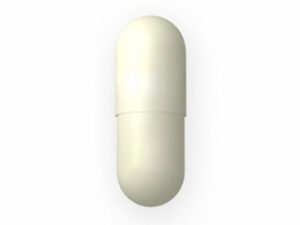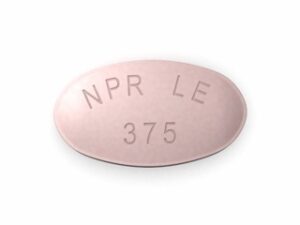
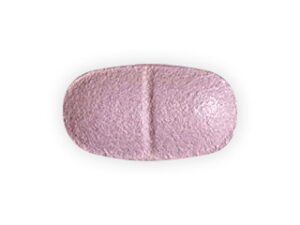

Feldene (Piroxicam) — Patient Information
Feldene is a brand of piroxicam, a type of medicine known as a non-steroidal anti-inflammatory drug (NSAID). It is used to help reduce pain, inflammation, and stiffness associated with certain conditions, particularly some chronic inflammatory joint disorders.
This guide is written for people in the United Kingdom and is designed to be patient-friendly. It explains how Feldene works, how it behaves in the body, typical uses, dosing principles, important safety information, and practical tips to help you use it more effectively.
Quick product facts
| Feature | Details |
|---|---|
| Active ingredient | Piroxicam |
| Medicine type | NSAID (anti-inflammatory painkiller) |
| Common strengths | Typically 10 mg or 20 mg tablets (availability may vary) |
| How it works | Reduces prostaglandins involved in pain and inflammation |
| Typical dosing frequency | Often once daily due to long duration of action |
| Major cautions | Stomach/ulcer risk, kidney effects, cardiovascular risk, bleeding risk |
How Feldene works (mechanism of action)
Piroxicam works by blocking cyclo-oxygenase (COX) enzymes. These enzymes help produce prostaglandins, chemical messengers involved in:
- Pain perception (making pain signals stronger)
- Inflammation (swelling and redness)
- Fever (in some conditions)
- Protection of the stomach lining
By reducing prostaglandins, Feldene can ease pain and reduce inflammation. However, because prostaglandins also help protect the stomach and support kidney blood flow, this is why NSAIDs can increase the risk of side effects in certain people.
Pharmacokinetics: what happens to the medicine in the body
“Pharmacokinetics” describes how the body absorbs, distributes, metabolises, and eliminates a medicine. The information below is a helpful overview—your exact response can vary.
Absorption
Piroxicam is absorbed after oral dosing. It has a relatively slow onset compared with some other pain-relief medicines, and you may need to give it time to build up to full effect.
Distribution
It distributes throughout the body and reaches tissues involved in inflammation, including joint areas. Piroxicam is highly protein-bound, meaning it binds to blood proteins. This can influence interactions with other medicines.
Metabolism and elimination
Piroxicam is metabolised mainly in the liver and cleared from the body through kidneys and bile. Because it can persist, it has a long duration of action, which is one reason it is often taken once daily.
Clinical implications
- Dose timing and consistency matter, because the medicine stays in the body for a long period.
- In people with kidney or liver impairment, or those who are older/frail, extra caution is needed and your prescriber may review the balance of benefits and risks.
What Feldene is used for (indications)
Feldene (piroxicam) is used for conditions where inflammation and joint pain are important. Common indications include:
- Rheumatoid arthritis (inflammatory joint disease)
- Osteoarthritis (degenerative joint disease with inflammation)
- Ankylosing spondylitis (inflammatory spine condition)
- Other painful inflammatory musculoskeletal conditions where an NSAID is appropriate
The exact suitability of Feldene depends on your history and risk factors (for example, stomach ulcers, heart or circulation problems, kidney disease, or other medicines you take).
Timing and how to take Feldene
Piroxicam is often taken once daily because of its long duration of action. Many people find it easiest to take it at the same time each day.
Typical timing guidance
- Take it at a time that fits your routine—many choose morning or evening.
- If it upsets your stomach, you may find it helps to take it with food (see food interactions below).
- Avoid taking it more frequently than advised to “speed up” relief; the long-lasting nature of piroxicam means extra doses increase risk.
How long until it helps?
Some NSAIDs provide faster relief, but piroxicam can take a little longer to reach full effect. You may notice improvement after starting treatment, but your response often becomes clearer over the first days to weeks. If pain remains uncontrolled, speak with a healthcare professional rather than increasing the dose.
Dosing (general principles)
Dosing varies by condition, age, and risk factors. The information below is general and not a substitute for individual advice.
Common dosing pattern
- Many adults take a dose equivalent to 10 mg or 20 mg once daily, depending on the condition and tolerance.
- Your healthcare professional will aim for the lowest effective dose for the shortest possible duration.
If you miss a dose
- Take the missed dose when you remember if it is not close to the next dose.
- If it is almost time for the next dose, skip the missed one and take the next dose at the usual time.
- Do not take double the amount to make up for a missed tablet.
Do not combine with other NSAIDs
To reduce risk, avoid taking piroxicam alongside other NSAIDs (for example ibuprofen, naproxen, diclofenac, or aspirin for pain relief) unless specifically advised.
Food interactions and stomach comfort
Food does not usually “cancel out” the medicine, but it can affect how it feels in the stomach. Taking NSAIDs with food may help reduce gastric irritation.
- With food: often easier on the stomach.
- On an empty stomach: may increase the chance of indigestion, nausea, or stomach pain.
If you develop persistent stomach discomfort, black stools, vomiting blood, or severe abdominal pain, seek urgent medical advice.
Alcohol interactions
Alcohol can increase the risk of stomach bleeding and gastrointestinal irritation when combined with NSAIDs. For this reason, it is generally recommended to avoid or limit alcohol while taking Feldene.
- Heavy or regular drinking increases risk.
- If you drink alcohol, consider discussing your personal level of risk with a healthcare professional.
Medicine interactions (important)
NSAIDs like piroxicam can interact with several commonly used medicines. Always check with a healthcare professional or pharmacist if you are unsure. The list below highlights frequent interaction concerns.
Blood-thinning medicines and bleeding risk
- Warfarin and other anticoagulants (risk of bleeding)
- Antiplatelet medicines (e.g., clopidogrel, and aspirin used for circulation reasons) may increase bleeding risk
Other anti-inflammatory pain medicines (NSAIDs)
- Avoid using multiple NSAIDs together unless specifically instructed.
Corticosteroids
Taking NSAIDs with medicines such as prednisolone may increase the risk of stomach ulcers and bleeding.
Blood pressure medicines and kidneys
NSAIDs can affect kidney function and may reduce the effect of some blood pressure medications. This is particularly important with:
- ACE inhibitors (e.g., lisinopril, ramipril)
- Angiotensin receptor blockers (ARBs) (e.g., losartan, candesartan)
- Diuretics (“water tablets”)
If you’re on these medicines, your kidney function and blood pressure may need monitoring.
Diabetes medicines
NSAIDs can sometimes affect blood sugar control. If you take insulin or tablets for diabetes, monitor for unusual changes in glucose and seek advice if needed.
Lithium and methotrexate
Piroxicam may increase levels or toxicity of certain medicines, including: lithium (used for mood stabilisation) and methotrexate (used for some inflammatory conditions and cancer regimens). These combinations generally require careful professional oversight.
Selective serotonin reuptake inhibitors (SSRIs)
SSRIs (e.g., sertraline, citalopram) can increase bleeding risk when combined with NSAIDs.
This is not a complete list. Always review your full medication list—including “over-the-counter” pain medicines—with a pharmacist if you are unsure.
Safety profile: who should be extra careful?
Like all NSAIDs, Feldene can cause side effects. Most people tolerate NSAIDs, but some risks are more serious. Your individual risk depends on factors such as age, previous ulcers, heart health, kidney function, and other medicines.
Serious risks to know about
- Stomach and bowel problems: ulcers, bleeding, or perforation (can occur without warning)
- Cardiovascular risk: NSAIDs may increase the risk of heart attack or stroke, particularly at higher doses or longer use
- Kidney effects: reduced kidney function, especially in dehydration or existing kidney disease
- Fluid retention: swelling of legs/ankles in some people
- Allergic reactions: including wheezing, swelling, or severe rash in sensitive individuals
- Severe skin reactions (rare but serious)
Who is at higher risk?
- Age 65 years and over
- History of stomach ulcer or gastrointestinal bleeding
- Taking medicines that increase bleeding risk (anticoagulants, antiplatelets, corticosteroids, SSRIs)
- Heart disease, previous stroke, uncontrolled high blood pressure, or significant cardiovascular risk
- Kidney disease, dehydration, or conditions affecting fluid balance
- Asthma triggered by NSAIDs
When to seek urgent medical help
Stop the medicine and get urgent medical advice if you notice:
- Black, tarry stools or blood in stools
- Vomiting blood or vomit that looks like coffee grounds
- Severe abdominal pain
- Chest pain, sudden breathlessness, weakness on one side, or facial drooping
- Unexplained swelling of the face, lips, or throat
- Severe skin rash with blistering or peeling
- Very little urine or signs of dehydration
Practical use tips
- Use the lowest effective dose and do not exceed recommended dosing.
- Take with food if you get indigestion or nausea.
- Stay hydrated, particularly if you are active or in hot weather.
- Avoid other NSAIDs and check labels for “ibuprofen,” “naproxen,” or similar ingredients.
- If you’re prescribed a stomach-protecting medicine (for example a proton pump inhibitor) for higher-risk situations, take it as directed.
- Keep an eye on blood pressure and any swelling if you have cardiovascular or kidney risk factors.
- Consider gentle movement (physiotherapy, stretching) alongside medication for long-term joint pain.
Typical side effects
Side effects can vary. The following are examples of reactions people report with NSAIDs. If you have bothersome symptoms or symptoms that persist, seek advice from a healthcare professional.
Common or less serious
- Indigestion, heartburn
- Nausea
- Abdominal discomfort
- Headache
- Dizziness
Less common but important
- Fluid retention, ankle swelling
- Increased blood pressure
- Kidney function changes
- Bleeding/bruising more easily
- Allergic reactions
If you are unsure whether your symptoms are related to Feldene, contact a pharmacist for guidance.
Alternative options for pain and inflammation
Depending on the cause of your pain and your medical history, other treatment options may be considered. Alternatives include both non-medicine approaches and other drug options.
Non-medicine alternatives
- Physiotherapy and exercise programmes
- Weight management (where relevant)
- Heat/cold therapy
- Supportive devices (e.g., braces)
- Topical treatments such as anti-inflammatory gels for some joint conditions
Medicine alternatives
- Paracetamol for pain relief (does not provide anti-inflammatory effects)
- Other NSAIDs (choice may be influenced by risk profile and tolerability)
- Topical NSAIDs (may lower some systemic risk for certain joints)
- For specific inflammatory joint diseases, specialists may use disease-modifying treatments and other targeted therapies
The best alternative depends on your diagnosis (for example osteoarthritis versus inflammatory arthritis), your age, and your risk factors.
Market and legal context in the UK
In the United Kingdom, medicines such as Feldene are regulated under the medicines framework administered by the Medicines and Healthcare products Regulatory Agency (MHRA). Safety information and product guidance are regularly updated to reflect evolving evidence.
NSAIDs in general are subject to ongoing safety monitoring. Public health messages have emphasised: use at the lowest effective dose, consider gastrointestinal protection in higher-risk patients, and assess cardiovascular risk in people who may be vulnerable.
Recent guidance (UK safety themes)
UK healthcare guidance and safety communications commonly stress the following themes for NSAID use:
- NSAIDs should be used with caution in people with history of ulcers or bleeding.
- Avoid combining NSAIDs with other medicines that increase bleeding risk unless clearly justified.
- For longer-term treatment, clinicians should review the ongoing need and balance the benefits versus risks.
- Kidney monitoring may be relevant for those at risk of dehydration or kidney impairment.
- Cardiovascular risk should be considered, especially in patients with known heart or circulation disease.
If you have questions about whether Feldene remains the best option for you, discussing your personal risk factors with a healthcare professional is recommended.
Delivery and availability in the UK
Availability can vary by pharmacy stock and formulation strength. Our online pharmacy service offers convenient purchasing where permitted. Delivery typically depends on the supplier’s dispatch schedule and local courier services.
- Processing and dispatch: orders are usually prepared promptly during working days
- Delivery times: depend on the selected delivery option
- Packaging: medicines are supplied in appropriate protective packaging
- Stock updates: if an item is unavailable, you may be offered an alternative or an estimated restock date (depending on service)
If you need Feldene for ongoing use, consider ordering ahead of time to avoid gaps in treatment. Always store the medicine as directed on the packaging.
Storage information
Follow the instructions on the carton or label. In general:
- Store below the recommended temperature on the pack
- Keep away from moisture and direct sunlight
- Keep out of the sight and reach of children
FAQ about Feldene (Piroxicam)
Is Feldene a steroid?
No. Feldene (piroxicam) is an NSAID, not a steroid. It reduces inflammation and pain through effects on prostaglandins.
How quickly does Feldene work?
Some people feel improvement within days, but piroxicam can take longer than some other pain-relief medicines to reach full effect. If you are not seeing expected benefit, speak with a healthcare professional rather than changing the dose on your own.
Can I take it with food?
Yes. Taking Feldene with food may help reduce stomach irritation. If you experience indigestion or nausea, food may make it easier to tolerate.
Can I drink alcohol while taking Feldene?
It’s generally best to avoid or limit alcohol because it can increase the risk of stomach bleeding and irritation when combined with NSAIDs.
What should I avoid while taking Feldene?
Avoid:
- Other NSAIDs (for example ibuprofen, naproxen, diclofenac) unless advised
- Excess alcohol
- Self-adjusting the dose
What are the warning signs of serious side effects?
Seek urgent help if you notice black stools, blood in stools, vomiting blood, severe stomach pain, chest pain, sudden breathlessness, weakness on one side, or a severe allergic rash.
Who should be especially cautious?
People who have a history of stomach ulcer/bleeding, kidney disease, heart disease, uncontrolled high blood pressure, are older, or take blood thinners or corticosteroids should take extra care and discuss risks with a healthcare professional.
Can I use Feldene together with paracetamol?
In many situations, paracetamol can be used alongside NSAIDs for additional pain relief. However, always follow the advice provided and check that your total daily paracetamol intake does not exceed recommended limits.
Are there alternatives if Feldene doesn’t suit me?
Yes. Options may include topical treatments, other NSAIDs with different risk profiles, paracetamol, physiotherapy, or other therapies specific to the underlying condition.
How should I dispose of unused tablets?
Keep medicines in their original packaging until you dispose of them. Follow local guidance (often via pharmacy take-back schemes) and do not dispose in household waste where avoidable.
Summary
Feldene (piroxicam) is an NSAID used to help manage pain and inflammation in conditions such as rheumatoid arthritis, osteoarthritis, and ankylosing spondylitis. It works by reducing prostaglandins, which helps relieve symptoms, but it can also increase the risk of stomach, kidney, and cardiovascular side effects—particularly in people with certain risk factors.
For safest use in the UK, take it as directed, consider taking it with food, avoid combining with other NSAIDs, and seek urgent help for warning signs such as black stools, vomiting blood, severe abdominal pain, chest pain, or allergic reactions.