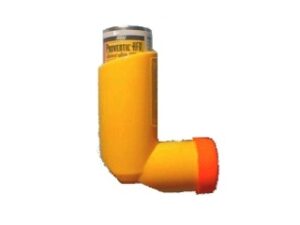
Proair Inhaler (Salbutamol / Albuterol) – Patient Information (UK)
Proair Inhaler contains salbutamol (also known as albuterol). It is a fast-acting “reliever” medicine used to ease symptoms such as wheeze, tightness of the chest and shortness of breath in people with reversible airways conditions.
This guide is written to help you understand what Proair Inhaler is for, how it works, how to use it correctly, and what to watch out for. It is not a substitute for personalised advice from a healthcare professional.
Basic product information
- Active ingredient: Salbutamol (Albuterol)
- Medicinal type: Short-acting beta2-adrenoceptor agonist (SABA)
- How it works: Relaxes airway muscles and improves airflow
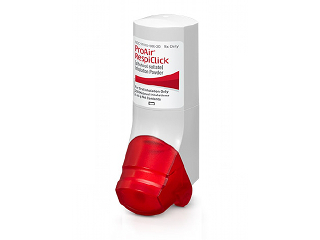
- Form: Pressurised metered-dose inhaler (typical for Proair brand)
- Typical use: Reliever medicine for sudden symptoms
Note: In the UK, inhalers may vary by brand, strength and dose per actuation. Always check the label or the leaflet inside the pack for the exact strength and number of doses.
Mechanism of action (how it works)
Salbutamol works mainly on beta2 receptors found in the muscles that wrap around the airways. When salbutamol reaches these receptors, it:
- Relaxes bronchial smooth muscle (the muscle around the airways)
- Widens the airways, making it easier to breathe
- Helps reduce bronchospasm (tightening of the airways)
Because it acts quickly, salbutamol is used to relieve acute symptoms and to prevent symptoms triggered by factors like exercise or allergens (depending on your action plan).
Pharmacokinetics (what the body does to it)
Pharmacokinetics describes how the medicine is absorbed, distributed, metabolised and eliminated.
- Absorption: When inhaled, salbutamol delivers most of its effect locally in the lungs. Some dose may deposit in the mouth or be swallowed.
- Onset: Relief is usually felt within minutes.
- Distribution: Small amounts may reach the bloodstream depending on lung deposition and swallowing.
- Metabolism: Primarily metabolised in the liver.
- Elimination: Metabolites and a small amount of unchanged drug are mainly cleared by the kidneys. The effect in the body fades over a few hours, which is why it’s typically used as a reliever.
Important: The exact duration of relief varies by person and by the severity of symptoms. If you frequently need your reliever, this may indicate that underlying asthma or airway inflammation is not adequately controlled.
Typical use in the UK (indications)
Proair Inhaler is used to treat symptoms of reversible airway narrowing. In the UK, salbutamol inhalers are commonly prescribed or recommended for:
- Asthma for relief of wheeze, cough, chest tightness and shortness of breath
- Chronic Obstructive Pulmonary Disease (COPD) to relieve symptoms such as breathlessness and wheeze
- Prevention of exercise-induced bronchospasm (in line with an individual action plan)
- Other reversible bronchospasm conditions as advised by a healthcare professional
Reliever vs preventer: Proair Inhaler is a reliever medicine. It opens airways during a flare, but it does not treat the underlying inflammation that drives ongoing asthma in many people.
When to use it (timing)
Typical timing depends on why you are using the inhaler.
- For sudden symptoms: Use at the start of wheeze or shortness of breath.
- Repeat doses: If symptoms do not improve quickly, a second dose may be needed according to your personal plan or the label instructions.
- Before exercise: Many people use a dose shortly before physical activity if exercise triggers symptoms (often about 10–15 minutes before), but follow your own action plan.
- Ongoing use: If you need your reliever more often than usual, speak to a clinician—this can be a sign your condition is not well controlled.
Seek urgent help if you are struggling to breathe, cannot speak in full sentences, your symptoms rapidly worsen, or your reliever does not help as expected.
How to take Proair Inhaler (practical use tips)
Correct inhaler technique is crucial. Even if you have the right medicine, poor technique can mean less reaches your lungs.
Step-by-step guidance
- Shake the inhaler (unless your specific device instructions state otherwise).
- Remove the mouthpiece cover.
- Exhale fully away from the mouthpiece.
- Seal your lips around the mouthpiece.
- Start a slow breath in and press the canister once at the same time.
- Continue breathing in slowly and deeply.
- Hold your breath for about 10 seconds or as long as comfortable.
- Wait before the next puff (typically around 30–60 seconds; follow your label/action plan).
If you struggle with coordination
- Consider using a spacer device (often recommended, especially for children, older adults, or anyone who finds timing difficult).
- Ask a pharmacist or nurse to show you the correct technique and check it regularly.
Common mistakes
- Pressing the canister too early or too late
- Breathing out into the inhaler
- Not holding your breath long enough
- Missing the mouthpiece seal
Food interactions
Salbutamol inhalers are mainly used via the lungs, so food interactions are generally not a major issue.
- Some inhaled dose may be swallowed, but this usually does not meaningfully depend on whether you have eaten.
- For best results, focus on correct inhaler technique rather than meal timing.
If you experience nausea or a sore throat after using your inhaler, it may help to rinse your mouth with water after use (spit it out), especially if you also use steroid inhalers.
Alcohol and medicine interactions
Here are key interaction considerations. Always check with a clinician/pharmacist if you have complex medication needs or other health conditions.
Alcohol
- There is no well-known direct interaction between salbutamol inhalers and moderate alcohol for most people.
- However, alcohol can affect breathing and may worsen asthma symptoms in some individuals.
- Be cautious if you notice alcohol triggers breathlessness or chest tightness.
Medicines that may interact with salbutamol
- Beta-blockers (including some eye drops): can reduce the effect of salbutamol. Examples include certain propranolol-type medicines. If you use beta-blockers, discuss with a clinician.
- Other inhaled medicines (e.g., anticholinergics in COPD): often used together, but your regimen should be checked to avoid duplicating doses unnecessarily.
- Diuretics (water tablets) and medicines that lower potassium: salbutamol can sometimes shift potassium levels, and combining with drugs that affect electrolytes may increase risk of low potassium (hypokalaemia)—more relevant with frequent high-dose use.
- Corticosteroids (especially tablets) and certain other medications: may also contribute to electrolyte shifts when combined with high doses of beta2 agonists.
- MAO inhibitors and certain antidepressants: can affect cardiovascular responses; check with a pharmacist if you take older-type antidepressants.
When to take extra care
- If you have heart rhythm problems, angina, uncontrolled high blood pressure, or thyroid disease.
- If you are using a high frequency of reliever doses.
Tip: Keep an up-to-date list of all medicines (including eye drops and over-the-counter products) and show it to your pharmacist if you’re unsure about interactions.
Dosing (typical guidance)
Dose depends on your diagnosis (asthma vs COPD), age, severity, and the inhaler strength/number of doses per actuation. Always follow the dose written on your product packaging or personalised healthcare plan.
General reliever dosing approach
- Adults and adolescents: commonly 1–2 inhalations per dose for symptom relief, with further inhalations if needed within your action plan.
- Children: dosing is usually lower and should be based on age and device instructions.
Important safety note: Taking more puffs than recommended can increase side effects and may indicate inadequate underlying control. If you find you need your reliever frequently, you should seek medical review to reassess your treatment plan.
Missed dose
Because Proair Inhaler is used for symptoms, missing a scheduled dose is less relevant than using it when symptoms occur. If you are using it regularly as part of a specific plan, follow that plan.
Safety profile and side effects
Like all medicines, Proair Inhaler can cause side effects. Many are mild and improve as your body adjusts.
Common side effects
- Tremor (shakiness), often in the hands
- Headache
- Feeling of palpitations or increased heartbeat
- Muscle cramps
- Temporary throat irritation
Less common but serious effects (get urgent medical advice)
- Chest pain or severe palpitations
- Fainting or severe dizziness
- Signs of an allergic reaction (swelling of face/lips, rash, breathing difficulty)
- Worsening breathlessness that does not improve after using the inhaler
Low potassium (hypokalaemia)
With high doses or frequent use, salbutamol can lower potassium levels in the blood, which may contribute to muscle weakness or abnormal heart rhythms. This risk is higher when used repeatedly or alongside other medicines that lower potassium.
Overuse warning (UK safety messaging)
If you need your reliever repeatedly (for example, frequent days where you use it more than usual), this can be a sign of poor control. Over-reliance on relievers is associated with higher risk of asthma attacks and hospital attendance.
Alternative options (reliever choices)
Depending on your condition, prescriber preferences, and UK availability, alternatives may include:
- Other salbutamol inhalers (different brands or device types)
- Short-acting beta2 agonists such as terbutaline (where appropriate)
- For COPD: combination inhalers or different bronchodilators (often include long-acting medicines for daily control, though relievers still may be used)
- Spacer devices to improve technique (a non-medicine alternative that can make the same inhaler work better)
Your best option depends on your diagnosis, inhaler technique, frequency of symptoms, and whether you need controller therapy as well as reliever medicine.
Market and legal context in the United Kingdom
In the UK, inhalers containing salbutamol are widely used for asthma and COPD. Medicines are regulated by the Medicines and Healthcare products Regulatory Agency (MHRA), and clinical use is supported by guidance from organisations such as National Institute for Health and Care Excellence (NICE) and respiratory societies.
General UK points to know:
- Inhaler types and strength can differ between manufacturers.
- Local pharmacy services may include inhaler technique checks and asthma/COPD support.
- Patients are encouraged to have an individualised asthma action plan where relevant, especially if asthma symptoms vary.
For up-to-date policies, it’s recommended to consult UK healthcare guidance and pharmacy advice relevant to your situation.
Recent guidance and best-practice reminders (UK)
UK respiratory guidance continues to emphasise that:
- Relievers should not be the only treatment for persistent asthma symptoms.
- If you regularly need reliever inhalations, you may require review of controller treatment (to address inflammation and reduce risk).
- Inhaler technique matters and should be reviewed at routine check-ups.
- Using reliever frequently can indicate worsening control, which needs clinical assessment.
If you have had recent worsening symptoms, multiple reliever doses, or nighttime symptoms, consider contacting a clinician promptly.
Delivery and availability in the UK (online pharmacy)
Online pharmacy delivery times and availability can vary by stock levels and your location in the UK. You should expect:
- Order processing: Typically within standard business hours (varies by provider).
- Delivery options: Standard or express may be available.
- Tracking: Many services provide tracking details by email or account notifications.
- Product packaging: Medicines should arrive in sealed packaging with the patient information leaflet included.
To help ensure you receive what you need, check that the product name, active ingredient, and strength match your intended treatment.
FAQ – Proair Inhaler (Salbutamol / Albuterol)
1) What is Proair Inhaler used for?
Proair Inhaler is used as a reliever to ease sudden breathing symptoms such as wheeze, chest tightness and shortness of breath in conditions like asthma and COPD.
2) How quickly does it work?
Many people feel improvement within minutes. If you notice little or no relief, follow your action plan and seek advice—especially if symptoms are worsening.
3) How often can I use it?
Use it according to the dose instructions on your label or personal action plan. Frequent need for reliever medicine can indicate poor control and should be reviewed by a healthcare professional.
4) Can I use Proair Inhaler before exercise?
Often, yes—depending on your trigger and personal plan. Many people use it shortly before exercise to prevent symptoms. Follow your clinician’s advice.
5) What if my inhaler doesn’t seem to work?
Check your inhaler technique and ensure the mouthpiece is sealed properly. Consider using a spacer if recommended. If symptoms persist or worsen, seek medical advice.
6) Should I rinse my mouth after using it?
Rinsing is particularly helpful if you use steroid inhalers as well. For salbutamol alone, mouth rinsing may still reduce throat irritation.
7) Are there food interactions?
There are generally no significant food interactions with inhaled salbutamol. Meal timing is usually not important.
8) Can I drink alcohol while using it?
Moderate alcohol is not known to have a direct interaction for most people, but alcohol may worsen breathing in some individuals. Use caution if you notice symptoms after drinking.
9) What side effects should I watch for?
Common effects include tremor, headache and palpitations. Seek urgent advice if you experience chest pain, severe palpitations, fainting, signs of allergy, or rapidly worsening breathlessness.
10) What should I do if I need my reliever again and again?
That can indicate your condition is not controlled. Contact a healthcare professional for review as soon as possible. In the UK, clinicians may reassess your inhaler technique, symptom triggers, and whether you need additional controller treatment.
Summary
Proair Inhaler (salbutamol/albuterol) is a fast-acting reliever that helps open airways during episodes of wheeze and breathlessness. Correct technique, awareness of side effects, and review if you need frequent doses can help keep symptoms under control. If you have any concerns about breathing difficulties or safety, seek prompt medical advice.
| Topic | What to know |
|---|---|
| Active ingredient | Salbutamol (Albuterol) |
| Type | Short-acting beta2 agonist (SABA) reliever |
| Main use | Relief of wheeze, chest tightness and shortness of breath |
| Onset | Usually minutes |
| Food interactions | Generally minimal |
| Alcohol | No common direct interaction; caution if it worsens symptoms |
| Common side effects | Tremor, headache, palpitations, muscle cramps |
| When to get urgent help | Worsening breathlessness, chest pain, severe palpitations, allergy symptoms |