
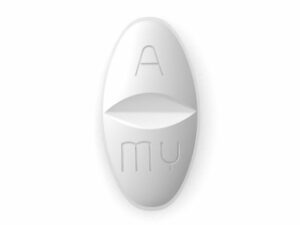
Lisinopril with Hydrochlorothiazide (ACE inhibitor + diuretic) — Patient Guide (UK)
What it is: Lisinopril with hydrochlorothiazide is a combination medicine used to treat conditions such as high blood pressure (hypertension) and, in some people, heart-related fluid retention. It combines:
- Lisinopril — an ACE inhibitor (angiotensin-converting enzyme inhibitor)
- Hydrochlorothiazide — a thiazide-like diuretic (“water tablet”)
This patient-friendly guide explains how the medicine works, how it is taken, likely effects, safety considerations, interactions (including alcohol), and practical tips. It is written for people in the United Kingdom and reflects common NHS-style guidance and regulatory expectations.
Basic product information
- Medicine names: Lisinopril + Hydrochlorothiazide
- Medicine type: Combination of an ACE inhibitor and a diuretic
- Common uses: High blood pressure; sometimes heart failure/heart-related fluid retention depending on clinical circumstances
- How it is usually taken: Once daily for most adults (exact dosing depends on your strength and condition)
- Typical strengths: Available in different tablet strengths (e.g., varying mg amounts of lisinopril and hydrochlorothiazide). Your exact product strength may differ.
Important note: Always follow the instructions on your medicine label and the advice of your healthcare professional.
How it works (mechanism of action)
Lisinopril and hydrochlorothiazide work in complementary ways to control blood pressure and reduce strain on the heart.
1) Lisinopril (ACE inhibitor)
- ACE is involved in producing angiotensin II, a substance that narrows blood vessels.
- By blocking ACE, lisinopril helps blood vessels relax and widen.
- This reduces blood pressure and can reduce the workload of the heart.
2) Hydrochlorothiazide (thiazide diuretic)
- Hydrochlorothiazide helps the kidneys remove salt and water.
- This leads to reduced circulating fluid volume, which contributes to lower blood pressure.
- Over time, thiazide diuretics also help improve blood vessel function.
Why combination therapy? Using both medicines can achieve stronger blood pressure control than either one alone, often allowing smoother results with fewer side effects than higher doses of a single drug.
What it is used for (indications)
Use varies depending on individual assessment, but typical indications include:
- Hypertension (high blood pressure): especially when blood pressure is not adequately controlled with lifestyle measures or with one medicine alone.
- Heart failure or fluid retention: in some patients, a diuretic and an ACE inhibitor may be used to help manage symptoms. Your clinician will determine suitability.
Some people who already take an ACE inhibitor and a diuretic separately may be switched to the combined tablet for convenience and adherence.
When and how to take it (timing and routine)
Most people take lisinopril/hydrochlorothiazide once daily. The exact schedule depends on the strength and your personal plan.
Typical timing
- Morning dosing is often preferred because hydrochlorothiazide can increase urination.
- Try to take it at the same time each day.
If you forget a dose
- Take it when you remember unless it is close to the next dose.
- If it’s almost time for the next dose, skip the missed dose.
- Do not take double to make up for a missed tablet.
If you’re unsure, ask a pharmacist for advice tailored to your schedule.
Dosing (how much to take)
Doses depend on your condition, blood pressure response, kidney function, and blood potassium levels.
| Patient group | Typical approach | What to expect |
|---|---|---|
| Adults with hypertension | Start at an appropriate strength based on prior treatment and health status; adjustments may follow after monitoring. | Blood pressure may start lowering within days; full effect may take a few weeks. |
| Adults with heart-related fluid retention (as advised) | Clinician-directed dosing with monitoring of kidney function, electrolytes, and symptoms. | Symptom improvement may be gradual; monitoring is especially important. |
| Older adults | Often start at lower doses and monitor closely (kidney function and electrolytes change with age). | Side effects such as dizziness may occur more easily. |
Do not change your dose without medical advice. If you experience dizziness, fainting, muscle cramps, or unusual weakness, contact a healthcare professional promptly.
Food interactions and what to eat
Food does not usually cause a major interaction with lisinopril/hydrochlorothiazide. Many people can take it with or without food.
However, consider the following practical points:
- Stay consistent with salt intake. Large swings in dietary salt can make blood pressure harder to manage.
- Potassium considerations: Lisinopril can increase potassium levels slightly, while hydrochlorothiazide can lower potassium. The combination may partially balance effects, but potassium levels still need monitoring.
- Avoid potassium substitutes unless your clinician tells you to—especially if you have kidney disease or are taking other medicines that raise potassium.
Alcohol: interactions and safety
Alcohol can increase the blood-pressure-lowering effect and may worsen dizziness or light-headedness—especially when you first start treatment or when the dose changes.
- Recommendation: If you drink alcohol, do so moderately and avoid binge drinking.
- Be cautious with driving: If alcohol and this medicine make you feel dizzy, avoid driving or operating machinery.
If you have episodes of fainting, dehydration, or you frequently feel dizzy, speak to a pharmacist or GP for tailored advice.
Medicine interactions (including common UK medicines)
Tell your pharmacist or clinician about all medicines you take, including over-the-counter products, herbal supplements, and vitamins. This medicine interacts with several drug classes.
1) NSAIDs and painkillers
- Examples: ibuprofen, naproxen, diclofenac (and some combination cold/flu products).
- Why it matters: NSAIDs can reduce kidney function and counteract blood pressure effects, and may increase risk of kidney-related side effects when combined with ACE inhibitors and diuretics.
- Tip: Use pain relief advice from a pharmacist. Paracetamol is often preferred for mild pain, but follow local guidance and personal suitability.
2) Potassium and electrolyte-related medicines
- Examples: potassium supplements, potassium salts, and some “low-salt” products.
- Additional caution: medicines that raise potassium (depending on your regimen) may increase the risk of high potassium.
3) Lithium
- ACE inhibitors and diuretics can increase lithium levels.
- Only use with close monitoring if lithium is prescribed.
4) Other blood pressure medicines
- Combining with other antihypertensives may enhance blood pressure lowering.
- This can be beneficial under supervision, but it can also increase risk of dizziness or low blood pressure.
5) Diabetes medicines
- Lisinopril may affect blood sugar control in some people.
- If you take insulin or tablets for diabetes, monitor for symptoms of low or high blood sugar and seek advice if needed.
6) Steroids and laxatives
- These can affect electrolyte balance (especially potassium), which may influence tolerability and safety with thiazide diuretics.
7) Dehydrating illnesses or medicines
- If you are vomiting, have severe diarrhoea, or are taking other diuretic products, you may become dehydrated.
- Dehydration increases risk of kidney issues and low blood pressure with ACE inhibitors.
Action step: Before starting any new medicine (including “natural” or herbal products), ask a pharmacist to check interactions.
Pharmacokinetics (how the body handles the medicine)
Pharmacokinetics describes what the body does to the medicine—how it is absorbed, distributed, metabolised, and eliminated.
Lisinopril
- Absorption: Lisinopril is absorbed after oral dosing, though absorption can vary between individuals.
- Distribution: It distributes into body tissues and acts by inhibiting ACE.
- Metabolism: Lisinopril is generally not extensively metabolised in the body.
- Elimination: It is mainly excreted by the kidneys.
Hydrochlorothiazide
- Absorption: Hydrochlorothiazide is absorbed through the gastrointestinal tract.
- Distribution: It distributes into body fluids and tissues where it can exert a diuretic effect.
- Metabolism: It is not extensively metabolised.
- Elimination: It is primarily eliminated via the kidneys.
Why this matters: Because both components rely heavily on kidney function, your clinician may monitor kidney blood tests and electrolytes, especially at the start of therapy or after dose changes.
Safety profile: what to watch for
Most people tolerate lisinopril/hydrochlorothiazide well, but it can cause side effects. Some are mild and improve as your body adjusts; others require urgent attention.
Common or expected side effects
- Dizziness or light-headedness, particularly when standing up
- Dry cough (class effect of ACE inhibitors; usually persistent but not dangerous in most cases)
- Increased urination soon after starting (mainly due to hydrochlorothiazide)
- Headache
- Fatigue
- Muscle cramps or weakness (may relate to electrolyte changes)
Serious side effects — seek urgent medical help
- Swelling of the face, lips, tongue, or throat (angioedema). This can be life-threatening. Seek urgent care immediately.
- Difficulty breathing or severe allergic reaction
- Fainting or severe dizziness
- Signs of kidney problems: reduced urine output, sudden swelling, or severe weakness
- Severe dehydration (especially with vomiting/diarrhoea)
- Palpitations or significant muscle weakness that could indicate electrolyte disturbances
When to contact a pharmacist or GP promptly
- If your cough is bothering you, worsening, or preventing sleep
- If you develop persistent vomiting, diarrhoea, or you’re unable to drink fluids
- If you have muscle cramps, unusual tiredness, or symptoms suggesting low blood pressure
- If you suspect you might be pregnant (ACE inhibitors can be harmful in pregnancy)
Monitoring: Your clinician may arrange blood tests for kidney function (creatinine/eGFR) and electrolytes (especially potassium and sodium), particularly after initiating therapy or changing dose.
Practical use tips (making treatment easier)
- Start gently: When first beginning treatment, avoid sudden standing. If you feel dizzy, rise slowly from a seated or lying position.
- Hydrate responsibly: Drink fluids normally unless you’ve been told to restrict fluids for another condition.
- Take in the morning: This can reduce night-time bathroom trips.
- Check your blood pressure regularly if advised by your clinician.
- Keep a symptom diary during the first few weeks (dizziness, cough, swelling, cramps).
- Be “sick day” aware: If you develop vomiting or severe diarrhoea, dehydration can increase the risk of kidney injury and low blood pressure. Contact your GP or pharmacist for advice on whether to pause medicines temporarily (often called “sick day rules”).
- Electrolytes and diet: Avoid high-potassium substitutes unless instructed. Maintain a balanced diet.
Recent UK guidance and clinical considerations (overview)
Clinical practice in the UK typically emphasises:
- Appropriate selection of patients for ACE inhibitors and diuretics based on kidney function, potassium level, age, comorbidities, and concomitant medicines.
- Monitoring after initiation and dose changes with blood tests for kidney function and electrolytes.
- Attention to dehydration risks (“sick day rules”) to reduce harm in people who become acutely unwell.
- Cardiovascular risk management alongside blood pressure control (e.g., lifestyle advice, smoking cessation support, and cholesterol management where appropriate).
Because recommendations can evolve, your best source for the latest personalised plan is your GP practice or clinic team.
Alternative options
Depending on your diagnosis, other medicines may be considered. Alternatives include:
1) Other ACE inhibitors or ACE inhibitor combinations
- Different ACE inhibitors may be used in place of lisinopril.
- ACE inhibitor + diuretic combinations can vary in composition.
2) Angiotensin II receptor blockers (ARBs)
- If you cannot tolerate ACE inhibitors due to persistent cough or other side effects, an ARB may be offered instead.
3) Other classes of blood pressure medicines
- Calcium channel blockers
- Beta blockers (often for specific heart conditions)
- Other diuretics or aldosterone antagonists in selected patients
Your pharmacist or GP can discuss what’s suitable for you, including how a switch might affect side effects and monitoring.
Market and legal context in the United Kingdom
In the UK, lisinopril/hydrochlorothiazide is a widely used cardiovascular medicine. Medicines of this type are regulated by the Medicines and Healthcare products Regulatory Agency (MHRA) and must meet quality and safety standards.
Online pharmacies operating in the UK typically:
- Ensure products are sourced from authorised supply chains.
- Provide clear information on dosing, interactions, and safety warnings.
- Support safe use through patient counselling and guidance on monitoring.
Important: The availability of specific strengths may vary by supplier and manufacturer.
Delivery and availability (UK)
Availability can depend on the exact tablet strength and manufacturer. If you require a specific strength, it’s helpful to:
- Check the product page for current stock and delivery options.
- Allow extra time if you’re ordering a less common strength.
- Ensure your contact details are up to date so dispatch updates can reach you.
Most UK online pharmacies offer several delivery speeds. Delivery timelines vary based on location and order volume, so the checkout page typically displays the most accurate estimate.
FAQ
1) How quickly will lisinopril/hydrochlorothiazide start working?
Many people notice blood pressure reduction within the first few days. However, the full effect can take a few weeks as your body adjusts and as dose optimisation occurs. If you feel very dizzy early on, consult a healthcare professional promptly.
2) Can I take it with food?
Yes, it is usually safe to take with or without food. Choose a routine that helps you remember, such as taking it in the morning.
3) Why do I pee more after starting?
Hydrochlorothiazide increases urine production. This effect may be strongest at the beginning and should gradually lessen as the body adapts. Taking it in the morning can reduce disruption to sleep.
4) Is the dry cough dangerous?
A dry cough is a known ACE inhibitor effect and is not typically dangerous, but it can be distressing. If the cough is persistent or severe, contact your clinician or pharmacist—an alternative medicine may be considered.
5) Can I drink alcohol while taking this?
You can usually drink alcohol in moderation, but alcohol may increase dizziness and the blood-pressure-lowering effect. Avoid heavy drinking and be cautious with driving or operating machinery if you feel light-headed.
6) What if I miss a dose?
Take it as soon as you remember unless it’s almost time for your next dose. If you are close to the next dose, skip the missed tablet. Do not take a double dose.
7) Should I avoid salt?
It’s wise to keep dietary salt at a steady, moderate level. Very high salt intake can make blood pressure harder to control. Do not use salt substitutes containing potassium unless advised.
8) Are there medicines I should not combine with it?
Tell your pharmacist if you take NSAIDs (like ibuprofen), potassium supplements or substitutes, lithium, diabetes medicines, or other blood pressure medicines. These can change blood pressure, kidney function, or electrolyte levels. Always check before starting new products.
9) What side effects are most concerning?
Seek urgent help for signs of angioedema (swelling of face/lips/tongue/throat) or severe breathing problems. Also seek urgent care for fainting, severe dizziness, marked weakness, or reduced urine output.
10) Can it be used in pregnancy?
ACE inhibitors are generally not suitable in pregnancy. If pregnancy is possible or you suspect you may be pregnant, contact your clinician promptly for advice on switching to a safer option.
Need help choosing or checking your medicine? If you’re unsure about your dose, timing, or interactions with other medicines, speak to a pharmacist. They can help you use lisinopril/hydrochlorothiazide safely and effectively.