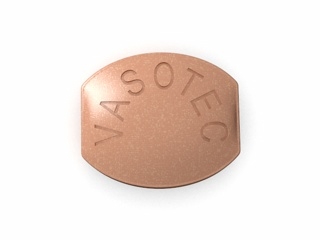


Vasotec (Enalapril) – Patient-Friendly Guide (UK)
Vasotec contains enalapril, a medicine used to treat certain cardiovascular conditions such as high blood pressure and heart failure. This guide explains what Vasotec does, how it works in the body, typical uses, dosing principles, key safety information, and practical tips for everyday use in the United Kingdom.
Please read this information alongside the product label and any advice from your healthcare professional. If anything is unclear, seek medical advice.
Basic product information
- Medicine name: Vasotec
- Active ingredient: Enalapril
- Medicinal group: ACE inhibitor (Angiotensin-Converting Enzyme inhibitor)
- Common forms: Tablets (strength varies by product)
- Used for: High blood pressure; heart failure; and to reduce risk in certain heart conditions (as advised)
In the UK, enalapril is also available under other brand names and as generics, depending on availability.
What is Vasotec and what does it do?
Vasotec (enalapril) helps your body control blood vessel tone and fluid balance. By relaxing blood vessels and reducing workload on the heart, it can lower blood pressure and improve symptoms in people with heart failure.
It is a long-term treatment for many people, not usually a “quick fix”. Benefits are often seen within days for blood pressure, while heart-failure improvements may take several weeks.
Mechanism of action (how it works)
Enalapril belongs to a group of medicines called ACE inhibitors. It works by blocking the enzyme ACE (angiotensin-converting enzyme), which plays a role in producing a hormone called angiotensin II.
- Lower angiotensin II levels → blood vessels relax (vasodilation)
- Reduced aldosterone secretion → less sodium and water retention
- Lower resistance in the circulation → the heart works more efficiently
- Some ACE inhibitors also increase bradykinin activity, which contributes to blood-vessel effects (and can be linked to side effects such as cough)
Pharmacokinetics (what happens in the body)
Understanding pharmacokinetics can help explain when doses work and how the medicine is handled by the body.
- Absorption: Enalapril is absorbed after oral dosing.
- Activation: Enalapril is converted in the body to enalaprilat, the active form that inhibits ACE.
- Onset of effect: Blood pressure effects begin within hours of a dose, though full effects may take days.
- Duration: Many people experience effects over a full day; dosing is typically once or twice daily depending on the condition and strength.
- Elimination: Mainly through the kidneys. Kidney function affects dosing needs.
If you have reduced kidney function, your clinician may adjust the dose and monitor blood tests more closely.
Typical uses (indications)
Vasotec is used for several cardiovascular conditions. The exact indication and best regimen depend on your individual health profile. Common UK indications include:
- Hypertension (high blood pressure): to lower blood pressure and reduce cardiovascular risk.
- Heart failure: to improve symptoms and reduce risk of hospitalisation in appropriate patients.
- As part of treatment after certain cardiac events or in selected patients: your clinician may consider enalapril based on clinical assessment and guidelines.
Always follow the plan agreed with your healthcare professional.
How and when to take Vasotec
Timing
- Once daily or twice daily: Your prescribed schedule may differ; many regimens are once or twice daily depending on the dose and condition.
- Consistency helps: Take it at roughly the same times each day.
- If switching from another ACE inhibitor: timing and dose adjustments should be guided by your clinician.
With or without food
Enalapril can be taken with or without food. Food does not usually prevent its effect, although personal comfort and routine may influence what works best for you.
Missed dose
- If you miss a dose, take it when you remember unless it is close to the next dose.
- Do not take a double dose to make up for the missed one.
Food interactions
Enalapril has no major food restrictions. You may take it with a meal if this helps reduce stomach discomfort.
However, your overall dietary and fluid intake can affect blood pressure and kidney function:
- Salt intake: Very high salt diets may make blood pressure harder to control.
- Dehydration: Vomiting or diarrhoea can reduce fluid volume and increase the risk of low blood pressure or kidney strain.
Alcohol and interactions with other medicines
Alcohol
Alcohol can increase the blood-pressure-lowering effect of Vasotec in some people. This may lead to dizziness or fainting, especially when you first start treatment or if you change your dose.
- Consider limiting alcohol, particularly during the early weeks of treatment.
- If you feel lightheaded, avoid alcohol and seek advice.
Important medicine interactions
Some medicines may increase the risk of side effects such as kidney problems, high potassium, or low blood pressure. Tell your healthcare professional or pharmacist about all medicines you take, including over-the-counter products.
Particularly important interactions include:
- Potassium supplements and potassium-sparing diuretics (e.g., spironolactone, eplerenone, amiloride, triamterene): may increase potassium levels.
- Diuretics (“water tablets”): may enhance blood-pressure-lowering effects and affect kidney function, especially early on.
- Non-steroidal anti-inflammatory drugs (NSAIDs) (e.g., ibuprofen, naproxen, diclofenac): can reduce kidney protection and may increase kidney strain, especially in older adults or those with dehydration.
- Lithium: ACE inhibitors may increase lithium levels and toxicity risk.
- Other blood-pressure medicines: additive effects can increase the chance of dizziness or low blood pressure.
- Immune system medicines or other drugs affecting kidney function: monitoring may be needed.
If you are starting or stopping any medicines, consult a clinician or pharmacist to check for compatibility.
Dosing (how much to take)
The correct dose is tailored to your condition, kidney function, blood pressure, and how you respond. The information below gives typical dosing principles used in clinical practice. For your exact dosing, always follow the instructions on your product label and clinician’s advice.
General dosing principles
- Start low, go slow: especially in older adults, people with low blood pressure, or those with kidney impairment.
- Monitor labs: clinicians often check kidney function and potassium levels.
- Titrate as needed: the dose may be increased gradually to reach target blood pressure or improve heart-failure outcomes.
Typical dosing patterns (overview)
| Condition | Typical approach | Monitoring |
|---|---|---|
| High blood pressure | Often started at a lower dose and adjusted based on response | Blood pressure, kidney function, potassium (especially after dose changes) |
| Heart failure | Typically initiated carefully, with gradual titration | Symptoms, blood pressure, kidney function, potassium; watch for dizziness or worsening kidney function |
If you have kidney problems, dose adjustments are often necessary because enalapril is eliminated mainly through the kidneys.
Do not change your dose without medical advice. Stopping suddenly can worsen blood pressure control or heart failure symptoms.
Safety profile and side effects
Like all medicines, Vasotec can cause side effects. Many people tolerate enalapril well, but it’s important to know what to watch for.
Common side effects
- Dizziness (especially at the start or after dose increases)
- Low blood pressure symptoms (feeling faint, lightheaded)
- Headache
- Dry, persistent cough (a known ACE inhibitor effect)
- Fatigue
Less common but important
- High potassium (hyperkalaemia) (may cause weakness or abnormal heart rhythms)
- Worsening kidney function in susceptible individuals
- Rashes or taste changes
Seek urgent medical attention if you notice
- Signs of angioedema (swelling of face, lips, tongue, throat; difficulty breathing or swallowing)
- Severe allergic reaction
- Fainting or severe dizziness
- Very reduced urine output or sudden kidney-related symptoms
Who should be extra careful?
- People with kidney disease
- People with low blood pressure or dehydration risk
- Older adults (often more sensitive to blood-pressure changes)
- Those taking medicines that affect potassium or kidney function (e.g., potassium supplements, NSAIDs, diuretics)
- People with a history of ACE inhibitor cough or angioedema
Practical use tips (everyday guidance)
- First-dose caution: when starting, or after a dose increase, take care when standing up slowly to reduce dizziness.
- Hydration matters: stay adequately hydrated unless you have been told to restrict fluids.
- Keep medication routines: use a daily reminder if you take it at consistent times.
- Don’t skip monitoring: attend blood tests if advised—especially soon after starting or adjusting the dose.
- Be careful with NSAIDs: if you need pain relief, ask your pharmacist which options are safer for you.
- Watch for cough: a dry persistent cough can occur with ACE inhibitors. Tell your clinician if it becomes troublesome.
Alternative options to Vasotec (enalapril)
If enalapril is not suitable (for example due to side effects like cough or certain safety concerns), clinicians may consider other classes or alternative medicines. Options can include:
- Other ACE inhibitors: similar mechanism, different individual tolerability.
- ARBs (Angiotensin II Receptor Blockers): often used when ACE inhibitors cause persistent cough (e.g., losartan, valsartan—depending on clinical situation).
- Other heart-failure or hypertension treatments: beta-blockers, diuretics, calcium-channel blockers, or mineralocorticoid receptor antagonists, depending on diagnosis and comorbidities.
The “best” alternative depends on your condition, blood pressure targets, kidney function, potassium levels, and other medicines you take. Your clinician can advise what fits your personal circumstances.
Market and legal context in the UK
In the United Kingdom, enalapril and its brands are regulated medicines. They are supplied through pharmacy channels and are subject to standard quality and safety controls. Availability can vary by strength and formulation, with generics often widening choice and improving affordability.
If you are purchasing from an online pharmacy, ensure the website is reputable and follows UK medicines regulations. Your healthcare professional remains the key source of personalised clinical guidance.
Note: Medicines policies and recommended practice can change as new evidence emerges. Always check the latest advice provided by your clinician or NHS resources where applicable.
Recent guidance and monitoring themes
Over recent years, clinical practice has continued to emphasise:
- Starting ACE inhibitors carefully and titrating gradually.
- Monitoring kidney function and potassium, particularly after initiation or dose changes.
- Patient safety during intercurrent illness (e.g., vomiting/diarrhoea causing dehydration). Many clinicians advise temporary caution or review when patients are acutely unwell—this should be done under medical guidance.
- Medication review to avoid problematic combinations (e.g., NSAIDs, potassium supplements) when possible.
If you are unsure about what to do during illness, ask your pharmacist or clinician for advice tailored to your treatment plan.
Delivery and availability (UK)
Availability of Vasotec/enalapril depends on the specific strength and formulation. In many cases, generics and alternative brands containing enalapril may be available. Delivery times can vary by supplier and stock status.
- Stock checks: reputable online pharmacies commonly confirm availability before dispatch.
- Packaging: medicines should arrive in original manufacturer packaging where possible.
- Cold-chain: enalapril tablets generally do not require special temperature storage beyond normal conditions, unless stated otherwise by the product.
If delivery is delayed or the exact product is unavailable, a pharmacy may offer an equivalent option (e.g., different brand/generic) in accordance with UK regulations and your clinician’s directions.
FAQ – Frequently asked questions
1) How quickly does Vasotec start working?
Blood pressure improvements often begin within hours to days after a first dose. With ongoing treatment, fuller effects can take longer. Heart-failure improvements may develop over several weeks as your body adjusts.
2) Why might I feel dizzy when I first take Vasotec?
Enalapril lowers blood pressure. Early on, some people experience a drop in blood pressure that can cause dizziness, especially when standing up. This is often most noticeable after starting or increasing the dose.
3) Will I need blood tests?
Many people taking ACE inhibitors need periodic monitoring—often for kidney function and potassium—particularly after starting treatment or changing the dose. Follow the monitoring schedule recommended by your healthcare professional.
4) Does food affect Vasotec?
Typically, enalapril can be taken with or without food. Choose the option that helps you stick to your routine.
5) Can I take ibuprofen or other painkillers with Vasotec?
NSAIDs such as ibuprofen can interact with ACE inhibitors and may affect kidney function in some people. Ask a pharmacist what pain relief options are safest for you, especially if you have kidney issues, dehydration risk, or are older.
6) Is it safe to drink alcohol?
Alcohol may increase the chance of dizziness or low blood pressure. If you notice lightheadedness, reduce or avoid alcohol and seek advice.
7) What if I develop a dry cough?
A dry, persistent cough is a known side effect of ACE inhibitors. Contact your healthcare professional to discuss whether to continue, adjust, or switch to another medicine class (often an ARB).
8) What should I do if I’m unwell with vomiting or diarrhoea?
Dehydration can increase the risk of side effects for ACE inhibitors. If you become acutely unwell, contact your healthcare professional for specific guidance. Do not make changes without advice unless you have been given an “illness plan” to follow.
9) Can I take Vasotec if I’m pregnant?
ACE inhibitors such as enalapril are not recommended during pregnancy due to potential harm to the unborn baby. If you are pregnant or planning pregnancy, speak to your healthcare professional promptly about safer alternatives.
10) What are warning signs that require urgent help?
Seek urgent medical assistance if you experience swelling of the face/lips/tongue/throat, trouble breathing or swallowing, fainting, severe dizziness, or signs of sudden kidney problems (e.g., very reduced urine output).
Summary
Vasotec (enalapril) is an ACE inhibitor used in the UK to treat high blood pressure and heart failure. It works by relaxing blood vessels and improving how the heart and circulation function. Because it can affect kidney function and potassium levels, careful dosing and monitoring are important—especially early in treatment or after dose changes.
If you have questions about your dose, interactions with other medicines, or what to do during illness, speak to your pharmacist or clinician for personal advice.