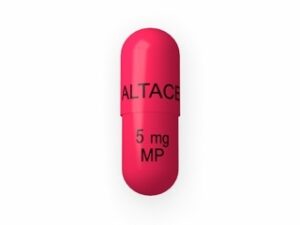
Atacand (Candesartan) — Patient Guide (UK)
Atacand is a medicine containing candesartan, used to treat certain long-term conditions affecting the heart and blood vessels. This guide explains what Atacand does, how it works, how it is usually taken, and the main safety points to know. It is written for people in the United Kingdom.
Always follow the advice given by your healthcare professional. Medicines can be individualised based on your condition, kidney function, blood pressure, and other medicines you take.
Quick overview
| Feature | What to know |
|---|---|
| Active ingredient | Candesartan |
| Medicine class | Angiotensin II receptor blocker (ARB) |
| Typical uses | High blood pressure, heart failure, and to improve outcomes after certain cardiovascular events |
| How it works | Helps relax blood vessels and reduce strain on the heart |
| How it’s taken | Usually once daily (tablet strength and dose vary) |
| Common side effects | Often mild; may include dizziness, low blood pressure, or changes in kidney function and potassium levels |
What Atacand is and what it’s used for
Atacand belongs to a group of medicines known as ARBs (angiotensin II receptor blockers). It blocks the effect of angiotensin II, a natural substance in the body that tightens blood vessels and increases blood pressure.
In the UK, Atacand (candesartan) is commonly used for:
- High blood pressure (hypertension) — to help lower blood pressure and reduce cardiovascular risk.
- Heart failure — to help improve symptoms and reduce the risk of worsening in certain people, often alongside other treatments.
- Post–heart attack complications — in some patients to reduce risk when the heart’s function has been affected.
How Atacand works (mechanism of action)
Angiotensin II acts on receptors in blood vessels and other parts of the body, causing:
- Narrowing (constriction) of blood vessels, which raises blood pressure
- Increased workload on the heart
- Hormonal and fluid balance changes that can worsen heart failure
Candesartan blocks the angiotensin II type 1 (AT1) receptor. This helps:
- Relax and widen blood vessels
- Lower blood pressure
- Reduce strain on the heart
- Support safer fluid and hormonal balance in long-term cardiovascular conditions
Pharmacokinetics — what the body does to the medicine
Understanding the basic “journey” of the medicine may help you take it more confidently.
- Absorption: After swallowing a tablet, candesartan is absorbed from the gut.
- Distribution: It circulates in the bloodstream and reaches its site of action.
- Metabolism: Candesartan is partly processed by the liver. Compared with some other medicines, it has relatively straightforward metabolism.
- Elimination: The body removes candesartan via both biliary (into the gut) and renal (through the kidneys) routes.
- Onset and duration: Blood-pressure effects are typically seen within hours, and a once-daily regimen provides sustained benefit across the day.
Clinical takeaway: Because the effect lasts long enough for once-daily dosing, you generally do not need to split tablets unless instructed.
Typical timing and how to take Atacand
Atacand is usually taken once daily. Many people find it easiest to take it at the same time each day.
When during the day?
- Any time of day is generally acceptable.
- If Atacand makes you feel dizzy, taking it at bedtime may help some people.
- Try to take it at roughly the same time each day to maintain steady effect.
With or without food?
You can usually take Atacand with or without food (see the section “Food interactions” for details).
Missed dose
- If you miss a dose, take it when you remember unless it is close to the time for the next dose.
- Do not take a double dose to make up for the missed one.
- If you’re unsure, ask a pharmacist for advice.
Food interactions
For most people, food does not significantly affect how candesartan works. Atacand can typically be taken with or without meals.
However, if you notice symptoms such as dizziness or light-headedness after changes in diet, appetite, or hydration (for example, during a period of illness or reduced fluid intake), speak to a healthcare professional. These situations can affect blood pressure and kidney function regardless of food.
Alcohol and medicine interactions
Alcohol
Alcohol can lower blood pressure and may increase the risk of dizziness or light-headedness—especially when you first start Atacand or when your dose is adjusted.
- Consider reducing alcohol intake if you feel unsteady.
- A “hangover” or dehydration can also worsen side effects.
Interactions with other medicines
Some medicines can increase the risk of low blood pressure, kidney problems, or high potassium levels when taken with ARBs like candesartan.
Tell your pharmacist or healthcare professional if you take any of the following:
- Potassium supplements (or salt substitutes containing potassium)
- Potassium-sparing diuretics (such as spironolactone or eplerenone)
- ACE inhibitors (another blood-pressure/heart medicine, such as lisinopril or ramipril) — combination therapy may be used in select cases, but it increases monitoring needs
- NSAIDs (painkillers like ibuprofen, naproxen, and others), especially if taken regularly or in higher doses
- Other blood-pressure medicines (may amplify the blood-pressure-lowering effect)
- Lithium — can raise lithium levels and require monitoring
- Medicines affecting kidney function or hydration (for example, some diuretics and dehydration during illness)
Important: If you become unwell with vomiting or diarrhoea (or you are not able to drink normally), ask about “sick day rules” for ARBs. In some circumstances, your clinician may advise temporarily holding medicines that affect the kidney’s blood flow.
Indications (approved uses) and who might benefit
Atacand is used in UK clinical practice for cardiovascular conditions where reducing the effects of angiotensin II can improve long-term outcomes.
- Hypertension: for lowering blood pressure and reducing risk of cardiovascular events.
- Heart failure: for people with symptoms and reduced heart function, typically as part of broader treatment plans.
- After myocardial infarction (heart attack) complications: in appropriate patients to reduce further risk when the heart’s function is compromised.
Dosing — general guidance
Doses can vary depending on your condition, blood pressure, kidney function, and whether you take other medicines.
- Typical pattern: start at a lower dose and adjust if needed.
- Kidney or liver impairment: dose adjustments may be required based on test results.
- Monitoring: blood tests may be used to check kidney function and potassium levels, particularly after starting or changing dose.
Practical tip: Keep a note of your tablet strength and daily dose. If you travel or switch pharmacies, having this information can help ensure continuity.
What to expect — timing of benefits
Results often come gradually:
- Blood pressure: may start to improve within the first few days, but the full effect may take several weeks.
- Heart failure: benefits are often seen over time as the heart’s workload reduces.
Even if you feel better, it is important to continue taking your medicine as directed.
Safety profile — who should take extra care
Atacand is generally well tolerated. Like all medicines, it can cause side effects, and some people need closer monitoring.
Common or expected side effects
- Dizziness or light-headedness (often related to lower blood pressure)
- Headache
- Fatigue
- Changes in blood test results, especially:
- Potassium levels (can increase)
- Kidney function (may change, especially at start or after dose increases)
Serious side effects — seek urgent advice
Get medical help urgently if you experience symptoms such as:
- Fainting or severe dizziness
- Signs of allergic reaction (swelling of face/lips/tongue, difficulty breathing, rash)
- Severe or persistent muscle weakness, unusual heartbeat, or severe fatigue (may indicate significant potassium changes)
- Very reduced urination or signs of serious dehydration during illness
Special considerations
- Pregnancy: ARBs like candesartan can harm the unborn baby. Use is generally not recommended during pregnancy. If pregnancy is possible or you become pregnant, contact a healthcare professional promptly.
- Breastfeeding: guidance may vary; discuss with a clinician.
- Renal artery stenosis or severe kidney impairment: may require close monitoring.
- Dehydration or low blood pressure: starting may cause dizziness; your clinician may adjust the starting dose or monitoring plan.
Practical use tips
- Measure blood pressure regularly if you’ve been advised to do so. Keep a log to show your pharmacist or GP practice.
- Attend blood test appointments. Checking kidney function and potassium helps keep treatment safe.
- Stay hydrated, especially during hot weather or when you are unwell.
- Be careful with painkillers. Frequent NSAID use (e.g., ibuprofen) can affect kidney function in some people taking ARBs.
- Use a pill organiser if you sometimes miss doses.
- Know your “sick day rules”. When vomiting, diarrhoea, or significant dehydration occurs, you may need advice about whether to temporarily stop certain medicines.
Alternative options
If Atacand isn’t suitable due to side effects, interactions, or other reasons, clinicians may consider other medicines depending on the condition being treated.
For blood pressure
- Other ARBs (e.g., losartan, valsartan, telmisartan)
- ACE inhibitors (e.g., ramipril, lisinopril) — may be used when ARBs are not appropriate
- Calcium-channel blockers (e.g., amlodipine)
- Thiazide-like diuretics (e.g., indapamide, bendroflumethiazide)
For heart failure
- Often part of multi-medicine regimens, which may include medicines targeting different pathways (for example, beta blockers, mineralocorticoid receptor antagonists, and others).
Your healthcare team will select alternatives based on your overall health, kidney function, potassium levels, and how you respond to treatment.
Market and legal context in the UK (patient-facing)
In the United Kingdom, Atacand (candesartan) is an established cardiovascular medicine used across the NHS and privately. It is regulated under UK medicines law and manufactured/marketed according to requirements set by UK regulatory authorities.
For online pharmacies, products should be supplied in line with UK legislation and pharmacy standards. Availability may vary by strength and pack size, and some products may need to be sourced from wholesalers.
Supply notes: In general, reputable suppliers in the UK aim to maintain consistent stock, but temporary delays can occur for certain strengths due to logistics or manufacturing schedules.
Recent guidance and monitoring trends
While individual recommendations depend on your clinical situation, UK practice commonly emphasises:
- Regular monitoring of kidney function and potassium after starting an ARB or adjusting dose.
- Medication review when adding medicines that affect the kidneys or potassium (for example, NSAIDs or potassium supplements).
- Safety during acute illness (“sick day” management) to reduce the risk of kidney complications.
- Patient education on recognising symptoms of low blood pressure, dehydration, and abnormal potassium levels.
If you have been asked to get blood tests or to track blood pressure at home, doing so helps make treatment safer and more effective.
Delivery and availability (online pharmacy)
Availability and delivery times can vary across the UK depending on the medicine strength, pack size, and local distribution.
- Before ordering: confirm the strength you need (e.g., tablet strength) and check that it matches your usual prescription/dispensing instructions.
- Packaging: medicines are typically supplied in sealed packaging to protect quality and support safe storage.
- Delivery: most UK online pharmacies offer standard delivery; some also provide faster options depending on location and order time.
- Stock changes: if a pack is temporarily unavailable, you may be offered an equivalent strength or an alternative based on clinical suitability and local supply rules.
Storage: store tablets according to the instructions on the packaging, usually at room temperature, away from moisture and out of reach of children.
FAQ — Frequently asked questions
Is Atacand the same as candesartan?
Yes. Atacand is a brand name that contains the active ingredient candesartan.
How quickly will it lower my blood pressure?
Some effect may be noticed within days, but the full blood-pressure benefit may take several weeks. If you’re monitoring at home, share your readings with your clinician.
Can I take Atacand with other blood pressure medicines?
Often, yes—combination therapy is common. However, the overall plan should be coordinated to minimise side effects like dizziness or overly low blood pressure. Always check before starting new medicines.
What should I do if I feel dizzy?
- Sit or lie down until you feel better.
- Avoid driving or operating machinery if you feel unsteady.
- If dizziness is persistent or severe, contact your healthcare professional; you may need dose review.
Does Atacand affect kidney function?
It can change kidney blood flow, so clinicians often monitor kidney function and potassium levels—especially after starting treatment or increasing the dose. Many people take Atacand safely with appropriate monitoring.
Can I take ibuprofen (or other NSAIDs) with Atacand?
Occasional use may be possible for some people, but regular or high-dose NSAID use can increase the risk of kidney issues in combination with ARBs. If you use NSAIDs frequently, discuss options with a pharmacist or GP.
Are there foods I should avoid?
There are no specific food restrictions for Atacand. The main considerations relate to hydration and your overall diet, especially if you use salt substitutes (which may be high in potassium).
Can I drink alcohol?
Alcohol may increase the chance of dizziness due to blood-pressure-lowering effects. If you choose to drink, do so carefully and consider limiting intake, especially at the start of treatment.
What if I forget a dose?
Take it when you remember unless it’s close to the time of the next dose. Don’t take a double dose. If you’re uncertain, ask your pharmacist for guidance.
Who should not take Atacand?
People with certain contraindications (for example, specific pregnancy circumstances) should avoid it. If you are pregnant, planning pregnancy, or have been advised to avoid ARBs, speak to a healthcare professional for safe alternatives.
Is Atacand suitable for long-term use?
In many cases, yes. Conditions like hypertension and heart failure require long-term management. Do not stop suddenly unless your clinician tells you to.
Summary
Atacand (candesartan) is an ARB used in the UK to treat high blood pressure and certain heart-related conditions. It works by blocking angiotensin II, helping blood vessels relax and reducing strain on the heart. Many people take it once daily, with or without food. Safe use typically includes monitoring kidney function and potassium, especially after starting or increasing the dose. If you experience severe dizziness, signs of allergy, or symptoms suggesting kidney problems, seek urgent medical advice.
If you have questions about whether Atacand is suitable for you, or you want help comparing options, speak to a pharmacist or healthcare professional.