
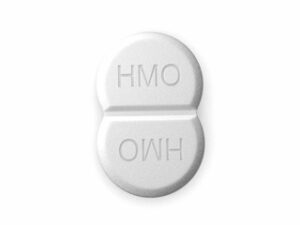

Verampil (Verapamil Hydrochloride) – Patient Guide (UK)
Verampil contains verapamil hydrochloride, a medicine used to treat certain heart rhythm and heart-related conditions. This guide explains what Verampil is, how it works, how it’s taken, possible side effects and safety information, and practical tips for getting the most from your treatment. It is written for people in the United Kingdom and includes information commonly relevant to UK patients.
Important: Always follow the instructions given by your healthcare professional and read the leaflet that comes with your medicine. If you’re unsure about anything—especially regarding dosing schedules or interactions—seek advice promptly.
Basic product information
| Item | Details |
|---|---|
| Medicine name | Verampil (Verapamil HCl) |
| Active ingredient | Verapamil hydrochloride |
| Medicine type | Calcium channel blocker (non-dihydropyridine class) |
| Typical forms | Varies by brand/presentation (commonly tablets; some may be sustained/modified release depending on strength and product) |
| Used for | Heart rhythm problems and certain cardiovascular conditions |
| UK availability | Availability depends on local supply, product presentation, and your needs |
How Verampil works (mechanism of action)
Verapamil blocks “L-type” calcium channels in the heart and blood vessel walls. By reducing calcium entry into heart muscle cells, it:
- Slows conduction through the AV node (an important electrical relay in the heart). This helps control certain abnormal heart rhythms.
- Reduces the heart’s workload by lowering heart rate and contractility (in some people).
- Relaxes blood vessels (vasodilation), which can help lower blood pressure in some treatment regimens.
Depending on the exact formulation (immediate-release vs modified-release), the effect may last for different lengths of time.
Pharmacokinetics – what the body does with verapamil
“Pharmacokinetics” describes how the body absorbs, distributes, metabolises, and eliminates a medicine.
- Absorption: Verapamil is absorbed from the gastrointestinal tract. The rate and extent can vary by formulation (for example, immediate vs sustained release).
- First-pass metabolism: Verapamil undergoes significant metabolism in the liver before it reaches systemic circulation. This contributes to variability between people.
- Distribution: It distributes into body tissues, with a higher concentration in cardiovascular tissues.
- Metabolism: It is mainly metabolised in the liver (commonly involving enzymes such as CYP3A4, though the overall interaction profile is broader).
- Elimination: Metabolites are eliminated primarily through the kidneys and partly via bile.
- Half-life (general note): The duration of action and clearance depend on formulation and individual liver function.
Why this matters: Because verapamil is processed by the liver and affects heart conduction, dose decisions and interaction checks are especially important—particularly if you have liver problems or take other medicines that affect liver enzymes.
Typical uses of Verampil in the UK
Verapamil is commonly used for cardiovascular conditions, including:
- Control of certain supraventricular tachyarrhythmias (fast heart rhythms arising above the ventricles), such as some types of re-entry or atrial rhythm disturbances.
- Rate control in specific rhythm disorders where slowing the heart rate via AV node action is beneficial.
- Angina in some cases as part of a treatment plan (depending on the specific clinical situation and regimen).
- Other indications may exist depending on the formulation and local clinical guidance.
Whether Verampil is suitable for you depends on your diagnosis, heart rhythm findings, blood pressure, heart function, and other medicines you take.
When to take Verampil – timing and adherence
Taking verapamil at the right time and consistently is important for stable control of heart rate and rhythm.
- Follow your specific product schedule: The correct timing depends on your formulation (for example, modified-release products often have different dosing intervals from immediate-release tablets).
- Consistency helps: Try to take it at the same times each day.
- Do not crush or split modified-release tablets: This can alter the release pattern and increase side effects or reduce effectiveness. Always check your product instructions.
- If you miss a dose: Take it when you remember unless it’s nearly time for the next dose. Do not take double doses to catch up. If you’re uncertain, ask a pharmacist for advice.
Food interactions (what to watch with meals)
Food can affect how quickly verapamil enters the bloodstream, particularly for certain formulations.
- General approach: It’s often advised to take verapamil as directed—some people take it with meals to reduce stomach discomfort.
- Grapefruit and grapefruit juice: These may increase verapamil levels due to effects on drug-metabolising enzymes and transporters. Many clinicians advise avoiding grapefruit products while taking verapamil.
- Alcohol-containing foods/drinks: See alcohol section below for safety considerations.
If you notice side effects after meals or find the medicine feels “stronger” at certain times, discuss this with your healthcare professional.
Alcohol interactions
Alcohol may increase the risk of side effects with verapamil, mainly due to added effects on:
- Dizziness and light-headedness
- Low blood pressure (postural or general)
- Fatigue or reduced alertness
Practical advice: If you choose to drink, do so in moderation and monitor how you feel—especially when you first start treatment or when your dose is changed. If you experience faintness, unusual weakness, or worsening symptoms, avoid alcohol and seek advice.
Medicine interactions – important safety notes
Verapamil interacts with multiple medicines because it affects cardiac conduction and can alter drug metabolism (particularly in the liver). Interaction risk is higher when medicines are combined that also slow heart rate or affect enzyme pathways.
Common interaction categories
- Other medicines that slow the heart: such as certain beta-blockers, digoxin, and some antiarrhythmics. Combination therapy may lead to excessive slowing of the heart or AV block.
- Antiarrhythmic medicines: may have additive effects on electrical conduction.
- Blood pressure medicines: may increase the risk of low blood pressure.
- Medicines affecting liver metabolism:
- CYP3A4 inhibitors (some antifungals and antibiotics) may raise verapamil levels, increasing side effects.
- CYP3A4 inducers (some anti-epileptics, rifampicin-like drugs) may reduce verapamil effectiveness.
- Statins: some statins may interact, raising muscle-related side effect risk. Your clinician may choose a safer statin or dose.
- Immunosuppressants or other specialty medicines: may interact and require closer monitoring.
What to do
- Tell your pharmacist about every medicine you take, including over-the-counter products and herbal supplements.
- Don’t start new medicines (including antibiotics, antifungals, or migraine treatments) without checking interactions.
- Report symptoms quickly (for example, fainting, severe dizziness, very slow pulse, or worsening shortness of breath).
Dosing guidance (general information for UK patients)
Dosing of verapamil depends on the condition being treated, your heart rhythm pattern, blood pressure, heart rate, liver function, and your response to therapy. Your clinician may adjust your dose over time.
- Individualised dosing: Never use someone else’s schedule or tablets.
- Start low, go slow (common approach): To reduce risk of side effects and conduction problems, clinicians often start at a lower dose and increase only if needed and safe.
- Formulation matters: Immediate-release and modified-release products are not interchangeable on a tablet-for-tablet basis.
Safety reminder: Because verapamil affects heart electrical conduction, dose changes should be medically supervised, especially if you have known heart block, heart failure, or bradycardia (slow heart rate).
Safety profile – side effects and who needs extra caution
Like all medicines, Verampil can cause side effects. Many people tolerate it well, but it’s important to know what’s normal and what could be serious.
Common or expected side effects
- Constipation (a well-recognised effect of verapamil)
- Headache
- Dizziness or light-headedness
- Flushing
- Swelling of the ankles/feet (peripheral oedema)
- Nausea
Serious side effects – seek urgent help
Contact urgent care or emergency services immediately if you experience:
- Fainting or near-fainting
- Very slow heartbeat or symptoms of significant bradycardia
- Severe dizziness with weakness
- New/worsening shortness of breath, chest pain, or sudden breathlessness
- Signs of severe allergic reaction (swelling of face/lips, difficulty breathing, widespread rash)
- Symptoms suggestive of heart block such as persistent light-headedness, confusion, or severe fatigue with bradycardia
Who should be particularly cautious
Extra caution may be needed if you have:
- Low heart rate (bradycardia) or known conduction disorders (e.g., AV block)
- Heart failure or reduced heart function (your clinician will consider risks vs benefits)
- Low blood pressure or tendency to feel faint
- Liver impairment (higher drug levels may occur)
- Multiple interacting medicines
- Neuromuscular disorders or conditions affecting how you respond to medications (discuss with your clinician)
If you experience worsening fatigue, dizziness, or swelling after dose changes, contact your healthcare professional promptly.
Practical use tips (getting the best results safely)
- Monitor your pulse and symptoms: If you’re able, check your heart rate regularly and note symptoms such as dizziness or palpitations.
- Manage constipation early: Drink fluids, eat fibre, and consider regular gentle activity. If constipation becomes troublesome, speak to a pharmacist about suitable options.
- Use a pill organiser: This helps avoid missed or double doses.
- Keep a medicine list: Include doses and timings of all medicines and supplements. This is especially helpful when you see different clinicians.
- Avoid grapefruit: Unless your pharmacist advises otherwise.
- Be careful with driving: If you feel dizzy or drowsy, avoid driving or operating machinery until you know how verapamil affects you.
- Tell healthcare staff: If you’re going to have tests, surgery, or a procedure, make sure professionals know you’re taking verapamil.
Alternative options (if Verampil isn’t suitable)
There are other medicines that may be used for similar conditions. The best alternative depends on your specific rhythm problem, blood pressure, other health conditions, and overall treatment plan.
Common classes of alternatives
- Other calcium channel blockers (depending on indication, often different subclasses such as dihydropyridines for blood pressure control)
- Beta-blockers for rate control in some tachyarrhythmias
- Other antiarrhythmic medicines for rhythm control in selected cases
- Specialist interventions (e.g., procedures such as catheter ablation) for certain arrhythmias in appropriate patients
Your clinician will choose alternatives based on a careful assessment of risks and benefits. If Verampil is causing side effects or isn’t effective, discuss options rather than stopping suddenly.
Market and legal context in the United Kingdom
In the UK, medicines are regulated through the Medicines and Healthcare products Regulatory Agency (MHRA) and supported by guidance from bodies such as NICE (National Institute for Health and Care Excellence) where applicable. Pharmacy supply and dispensing are governed by UK regulations, including requirements around safe use, patient counselling, and pharmacovigilance (reporting suspected adverse reactions).
Availability of specific brand names, pack sizes, and presentations can change over time due to supply and manufacturer factors. For verapamil, different strengths and release formulations may be used depending on the condition being treated.
Product availability note: Online pharmacies may offer various presentations depending on local stock, regulatory status, and prescribing/dispensing requirements. If you need a particular strength or release type, it’s best to confirm availability before placing an order.
Recent guidance and monitoring (what patients should know)
Guidance for cardiovascular medicines evolves as new safety data becomes available and as clinical practice is updated. While the core actions of verapamil remain consistent, clinicians typically review the following:
- Ongoing monitoring of heart rate and rhythm (and sometimes ECGs) when adjusting dose or when symptoms change.
- Medication reviews for interactions, especially when antibiotics, antifungals, or other new medicines are started.
- Assessment of liver function in patients with known liver disease or unexplained side effects.
- Review of tolerability (e.g., constipation, ankle swelling, dizziness).
If you are due for a follow-up appointment, it’s a good time to review how you’re feeling, check your pulse/blood pressure, and discuss whether your current regimen is still right for you.
Delivery and availability (UK online pharmacy)
Delivery times and availability depend on stock levels and your location within the UK. Many online pharmacies aim to dispatch orders quickly when items are in stock.
- In-stock vs special order: Common presentations may be dispatched faster; less common strengths may take longer.
- Packaging: Medicines are typically supplied in manufacturer packaging with clear labelling and patient information.
- Delivery notifications: Many services provide tracking updates.
- What to check on arrival: Confirm the name, strength, and dosage form match your usual product and follow storage instructions.
If you require reassurance: Contact the pharmacy’s support team if you have questions about a specific strength, release type, or delivery timeframe.
FAQ – Frequently asked questions
1) Is Verampil the same as verapamil?
Yes. Verampil is a brand name that contains verapamil hydrochloride. The active ingredient is what provides the therapeutic effect.
2) How quickly does Verampil work?
Some effects may be noticed after the first dose, particularly if you’re being treated for heart rhythm issues. However, optimal control often depends on the formulation and your individual response. If symptoms worsen soon after starting or after a dose increase, seek advice.
3) Can I stop taking Verampil if I feel better?
Do not stop suddenly unless a clinician instructs you to. Stopping can lead to recurrence of symptoms. If you’re having side effects or feel the medicine isn’t right for you, discuss alternatives or dose adjustments.
4) What if I miss a dose?
Take it as soon as you remember, unless it’s close to the time for your next dose. Avoid taking double doses. If you’re unsure, ask your pharmacist for guidance based on your exact product and dosing schedule.
5) Are there restrictions on grapefruit?
Grapefruit and grapefruit juice may increase verapamil levels and the likelihood of side effects. Many clinicians recommend avoiding them. If you’d like personalised advice, ask your pharmacist.
6) Does verapamil cause constipation?
Yes. Constipation is a common effect. Managing fluids, fibre, and activity can help. Speak to a pharmacist if constipation becomes persistent or uncomfortable.
7) Can I drink alcohol while taking Verampil?
Alcohol may increase dizziness and the risk of low blood pressure. If you choose to drink, do so in moderation and be alert to symptoms such as light-headedness or faintness.
8) What medicines should I avoid?
Some medicines can interact significantly with verapamil—particularly those affecting heart rate/conduction or those that alter liver metabolism. Always share your full list of medicines and supplements with your pharmacist.
9) Will Verampil affect driving or working?
Some people feel dizzy or tired, particularly when starting treatment or after dose increases. If this happens, avoid driving and operating machinery until you feel safe.
10) Who should seek urgent medical help?
Seek urgent help for fainting, severe dizziness, very slow heartbeat, chest pain, severe shortness of breath, or signs of a serious allergic reaction.
Summary
Verampil (verapamil hydrochloride) is a calcium channel blocker used to manage specific heart rhythm and cardiovascular conditions. It works mainly by slowing electrical conduction in the heart and relaxing blood vessels. Because it can interact with other medicines and can affect heart rate and blood pressure, safe use involves correct dosing, attention to interactions (including grapefruit), and prompt reporting of concerning symptoms.
If you’d like, tell us the exact Verampil strength and release type you’re considering (for example, modified-release vs immediate-release) and what condition it’s for, and we can help tailor practical, patient-friendly guidance for timing and common side-effect management.