
Nolvadex (Tamoxifen) – Patient Information (UK)
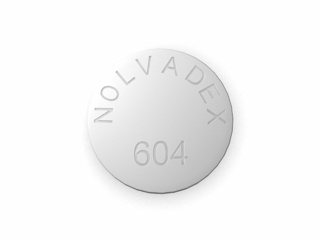
Nolvadex is a medicine containing tamoxifen, a widely used treatment for certain hormone-dependent cancers. It works by changing how the body responds to oestrogen, helping to slow or stop the growth of oestrogen-receptor positive tumours.
This guide explains what Nolvadex is, how it works, how it behaves in the body, how it is typically taken, and what patients should know about safety, interactions, and practical use. It is written for people in the United Kingdom and includes general information about current UK clinical practice.
Quick facts
- Active ingredient: Tamoxifen
- Brand: Nolvadex
- Medicine type: Selective oestrogen receptor modulator (SERM)
- Common uses: Breast cancer treatment and prevention in selected cases
- How it is taken: Usually once or twice daily as tablets
- Key safety issues: Increased risk of blood clots and uterine changes (endometrial effects)
What Nolvadex is
Nolvadex (tamoxifen) is a SERM. SERMs are medicines that can block the effects of oestrogen in some tissues (such as breast tissue) while having oestrogen-like effects in others (such as the uterus). This mixed activity is the reason tamoxifen is used for breast cancer but also why it needs careful monitoring.
In the UK, tamoxifen is an established therapy used by specialists in oncology and breast clinics. It has been used for many years, so clinicians and healthcare teams have extensive experience managing benefits and risks.
How Nolvadex works (mechanism of action)
Tamoxifen acts mainly by binding to oestrogen receptors (ER) in the body.
- In breast tissue: It prevents oestrogen from stimulating growth of hormone-dependent cancer cells.
- In the uterus: It can partially mimic oestrogen’s effects, which is why certain uterine side effects need attention.
- Overall result: Reduced tumour growth and reduced risk of recurrence in appropriate patients.
Important note: The effectiveness of tamoxifen depends on whether the cancer is oestrogen receptor positive (and sometimes progesterone receptor status), which your specialist will consider.
Pharmacokinetics (how the body handles tamoxifen)
Understanding pharmacokinetics can help explain dosing schedules and potential interaction risks.
| Topic | What happens in the body |
|---|---|
| Absorption | Tamoxifen is absorbed after oral dosing. Food generally does not require dose changes for most people. |
| Distribution | It distributes widely in the body and is highly protein-bound. |
| Metabolism | Tamoxifen is metabolised in the liver. A key active metabolite is endoxifen, which contributes significantly to tamoxifen’s effectiveness. |
| Enzyme pathway | Conversion to endoxifen involves liver enzymes, including CYP2D6. Medicines that strongly inhibit CYP2D6 can reduce active metabolite levels. |
| Elimination | It is eliminated mainly via metabolism and excretion through bile and faeces, with a long overall persistence in the body. |
| Half-life | Tamoxifen and its metabolites have a prolonged half-life, which is one reason dose timing consistency matters and effects may persist after stopping. |
Typical uses in the UK
Nolvadex is used in selected patients with breast cancer and related conditions, depending on tumour biology, stage, and treatment goals. The exact plan should be determined by a specialist team.
Common indications include:
- Early breast cancer (oestrogen-receptor positive): to reduce the risk of recurrence after primary treatment.
- Adjuvant treatment: hormone therapy given alongside other treatments such as surgery and/or radiotherapy.
- Advanced or metastatic breast cancer: for hormone-receptor positive disease, sometimes when cancer is not suitable for other options.
- Certain risk-reduction strategies in high-risk groups: the suitability of tamoxifen for prevention depends on individual risk factors and clinical guidance.
Not all breast cancers respond to tamoxifen. It is generally used when the cancer is hormone receptor positive and when the overall risk–benefit is favourable.
How to take Nolvadex: timing and dosing
Always follow the dosing instructions provided by your healthcare team. Tamoxifen dosing may vary by indication, tumour characteristics, and treatment stage.
Typical adult dosing (general information)
- Early breast cancer / prevention (common approach): often 20 mg once daily.
- Other treatment situations: dosing may be different (for example, higher doses or divided dosing) depending on clinical scenario.
Timing: Many people take tamoxifen at the same time each day. If it is prescribed twice daily, try to spread doses evenly (e.g., morning and evening). Consistency helps maintain steady drug levels.
Swallowing and missed doses
- Swallow whole with water; do not crush or chew tablets unless instructed otherwise.
- Missed dose: If you miss a dose, take it as soon as you remember unless it is close to the next dose. Do not take a double dose to make up for a missed tablet.
- If you are unsure: contact your pharmacist for advice specific to your dosing schedule.
Food interactions
In general, tamoxifen can be taken with or without food. Food is not usually expected to significantly change its effectiveness for most patients.
- If tamoxifen makes you nauseous, taking it with a meal or in the evening may help.
- Maintain a consistent routine. If you notice recurring stomach discomfort, discuss options with your pharmacist or clinician.
Alcohol and medicine interactions
Alcohol: There is no universally required total avoidance of alcohol with tamoxifen, but alcohol can affect overall health, liver function, and may worsen side effects such as nausea, fatigue, or mood changes. If you choose to drink, consider keeping intake moderate and discuss with your clinician if you have liver problems or are taking other medicines with liver effects.
Medication interactions are important because tamoxifen’s effectiveness depends on liver enzymes. In particular, medicines that strongly inhibit CYP2D6 can reduce conversion to endoxifen.
Medicines that may reduce tamoxifen effectiveness (CYP2D6 inhibitors)
- Certain antidepressants (examples include some selective serotonin reuptake inhibitors)
- Other medicines that are strong CYP2D6 inhibitors
This is not an exhaustive list. If you start, stop, or change any medicine—including over-the-counter products and herbal supplements—ask a pharmacist whether there is an interaction risk.
Other interaction considerations
- Blood thinning medicines: If you are taking anticoagulants or antiplatelets, be alert to bleeding and clot risk discussions with your healthcare team.
- Liver-acting drugs: Tamoxifen is metabolised by the liver. Inform your team about all medicines, including those for infections and long-term conditions.
- Herbal supplements: Some herbal products can affect liver enzymes. Avoid starting supplements without checking first.
Safety profile: side effects and when to seek help
Like all medicines, tamoxifen can cause side effects. Many are mild or manageable, but some require urgent attention. The most important concerns involve thromboembolic events (blood clots) and uterine/endometrial changes.
Common side effects
- Hot flushes (very common)
- Vaginal dryness or discharge
- Changes in periods (may become irregular or stop)
- Fatigue
- Headaches
- Nausea or stomach discomfort
- Swelling (fluid retention) in some people
Serious side effects – seek urgent medical advice
Contact urgent care or seek emergency help if you develop signs of a blood clot, such as:
- Breathlessness or chest pain
- Coughing blood
- Sudden swelling or pain in one leg
Also seek prompt medical review if you develop possible uterine symptoms, especially if you are post-menopausal:
- Unusual vaginal bleeding
- Persistent pelvic pain
- Watery or blood-stained discharge
Other important safety points
- Eye symptoms: Report any visual changes promptly.
- Mood changes: Inform your healthcare team if you experience significant mood changes, depression, or anxiety.
- Skin reactions: Seek advice for rash, blistering, or signs of allergy.
Who should be extra careful?
Your clinician may take additional precautions if you have:
- History of blood clots
- Significant liver disease
- Uterine abnormalities or a history of endometrial conditions
- Other risk factors for thrombosis
Practical use tips to get the best from Nolvadex
- Stick to your daily routine: Choose a time you can remember (morning with breakfast or evening routine).
- Manage hot flushes: Wear layers, use a fan, avoid triggers such as spicy foods or hot drinks if they affect you, and discuss treatments for troublesome symptoms.
- Track symptoms: Keep a simple record of side effects (timing, severity). This helps during clinic reviews.
- Attend follow-ups: Regular reviews are essential, particularly for uterine health and clot risk assessment.
- Know your red flags: If you notice breathing problems, leg swelling/pain, or unusual bleeding, seek medical help promptly.
- Ask about contraception and pregnancy planning: Tamoxifen can be harmful to an unborn baby. Discuss family planning and contraception needs with your healthcare team.
- Keep a medication list: Include all prescription, over-the-counter, and herbal products. This supports safe interaction checking.
Alternative options (general overview)
Alternative hormonal strategies may be considered depending on menopausal status, cancer stage, receptor status, and individual risk factors. Your specialist will compare the most suitable options for you.
Possible alternatives include:
- Other SERMs (less commonly used than tamoxifen for breast cancer in many settings)
- Aromatase inhibitors (often used in post-menopausal hormone receptor-positive breast cancer)
- Oestrogen receptor downregulators or other endocrine therapies depending on specific clinical circumstances
- Combination or sequential endocrine therapy approaches
If tamoxifen is not tolerated or interactions are problematic, clinicians may consider changing therapy. Do not stop or switch medicines without professional advice.
UK market and legal context (high-level)
In the United Kingdom, tamoxifen-containing medicines are part of established cancer care pathways and are supplied through regulated channels. Availability may include brand-name and generic versions depending on supply and commissioning.
Online supply should follow UK pharmaceutical regulations and safety practices. Patients are encouraged to use reputable pharmacies and ensure medicines are supplied legally, with correct packaging and product information. If you are unsure about a product’s authenticity, contact the supplier or consult a community pharmacist.
Important: For cancer therapies, the choice of medicine, dose, and duration should be guided by your healthcare team and local clinical guidelines.
Recent UK guidance and clinical practice notes (general)
Clinical practice in the UK for hormone receptor-positive breast cancer continues to evolve. Key themes in ongoing guidance and common practice include:
- Ensuring hormone receptor status supports the use of endocrine therapy.
- Reviewing drug–drug interactions, particularly around medicines that may reduce tamoxifen effectiveness (notably CYP2D6 inhibitors).
- Monitoring for safety, including clot risk and uterine symptoms.
- Considering menopausal status when selecting endocrine options (tamoxifen vs aromatase inhibitors or switching strategies).
Because guidance can change and recommendations can differ based on individual circumstances, your oncology or breast clinic team remains the best source of personalised advice.
Delivery and availability in the UK
Availability of Nolvadex/tamoxifen can vary by strength, formulation, and supply conditions. When ordering online from a UK pharmacy, you should expect:
- Clear product information (strength, pack size, and manufacturer details)
- Transparent delivery estimates at checkout
- Secure packaging to protect tablets and labels
- Tracking or delivery confirmation, depending on service level
Delivery times can differ by location in the UK. If you need the medicine urgently, contact the pharmacy before placing the order.
Storage instructions
- Store at room temperature, away from excessive heat.
- Keep tablets in the original packaging to protect from light and moisture.
- Keep out of sight and reach of children.
- Do not use after the expiry date on the pack.
FAQ about Nolvadex (tamoxifen)
1. What is Nolvadex used for?
Nolvadex (tamoxifen) is used for certain hormone receptor-positive breast cancer conditions. It may be used to reduce the risk of recurrence after initial treatment, and in some cases to treat advanced disease. It may also be considered in prevention strategies for carefully selected high-risk people.
2. How long will I take tamoxifen?
Duration depends on your diagnosis and treatment plan. Many patients take tamoxifen for multiple years in early breast cancer settings. Your specialist will advise the intended length of therapy.
3. Can I take Nolvadex with food?
Yes. Tamoxifen can usually be taken with or without food. If you experience nausea, taking it with a meal may help.
4. What should I do if I miss a dose?
If you miss a dose, take it when you remember unless it is almost time for the next dose. Do not take two doses together. If you are unsure, ask your pharmacist for guidance.
5. Are there foods or supplements I should avoid?
There are no specific food restrictions for tamoxifen in most patients. However, avoid starting herbal supplements without checking first, as some can affect liver enzymes or overall safety.
6. Can I drink alcohol while taking tamoxifen?
Moderate alcohol is not automatically forbidden for everyone, but alcohol may worsen side effects and can affect the liver. If you have liver issues or other risk factors, discuss alcohol use with your healthcare team.
7. What medicines interact with tamoxifen?
Medication interactions can occur. Of particular importance are medicines that inhibit CYP2D6, which may reduce tamoxifen’s conversion to its active metabolite. Always tell your pharmacist about all medicines (including over-the-counter products and antidepressants) before starting anything new.
8. What are the most serious side effects?
The most serious concerns include blood clots (such as deep vein thrombosis or pulmonary embolism) and uterine changes (including abnormal bleeding). Seek urgent help for symptoms of clots or report unusual vaginal bleeding promptly.
9. Does tamoxifen affect contraception or pregnancy?
Tamoxifen can be harmful to an unborn child. If you could become pregnant, contraception advice should be discussed with your healthcare team before starting treatment.
10. What if I have bothersome hot flushes?
Hot flushes are common. Lifestyle measures (cool rooms, layers, avoiding triggers) can help, and your clinician may suggest additional treatments. If hot flushes disrupt sleep or daily activities, raise the issue at your next review.
11. Are there alternatives to Nolvadex?
Depending on your situation, clinicians may consider other endocrine therapies such as aromatase inhibitors or different treatment sequencing. The right option depends on cancer characteristics and menopausal status.
Further advice
If you have questions about taking Nolvadex safely—especially about side effects, missed doses, or potential interactions—speak to a pharmacist or your healthcare team. Keeping your medication list up to date and attending recommended monitoring appointments can make treatment safer and more effective.