
Xeloda (Capecitabine) — Patient-Friendly Guide (UK)
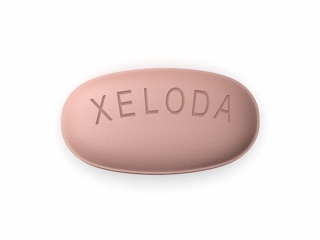
Xeloda is a brand name for capecitabine, a chemotherapy medicine used to treat certain cancers. This guide is written to help you understand what Xeloda does, how it works in the body, how it is typically taken, and what to consider for day-to-day use in the United Kingdom.
Always follow the instructions provided by your oncology team. If you have questions about your schedule, doses, or side effects, speak with your healthcare professional.
1. Basic product information
| Category | Details |
|---|---|
| Medicinal product | Xeloda (capecitabine) |
| What it is | An oral anticancer (chemotherapy) medicine |
| How it is given | Tablets taken by mouth in cycles |
| Common strengths | Available in different tablet strengths (your regimen will specify the exact strength) |
| Where it is used (UK) | Specialist oncology care for specific cancer types, often in combination therapies |
Note: Tablet strength and number of tablets depend on your prescribed dose, your body surface area, and whether dose adjustments are needed for side effects.
2. What is capecitabine and how does it work?
Capecitabine is a “prodrug,” meaning it is converted inside the body into the active chemotherapy drug 5-fluorouracil (5-FU). This conversion helps deliver active treatment preferentially in tissues where the drug can be activated.
Mechanism of action (in plain language)
- Capecitabine is taken by mouth and absorbed into the bloodstream.
- Enzymes in the body convert it step-by-step into 5-FU.
- The active drug interferes with cancer cell growth by affecting how cells make and use DNA and RNA, preventing cancer cells from dividing.
- Cancer cells are generally more affected because of higher levels of certain enzyme activity in tumour tissues.
The result is reduced ability of rapidly dividing cancer cells to multiply, helping to control the disease.
3. Pharmacokinetics: how the body handles Xeloda
Pharmacokinetics describes what happens to a medicine over time in the body—absorption, distribution, metabolism, and elimination.
Key points (typical)
- Absorption: Capecitabine is absorbed after oral dosing.
- Conversion to active forms: It is metabolised in the liver and tumour tissues, producing 5-FU and related metabolites.
- Distribution: It circulates and is processed through metabolic pathways before active effects occur.
- Elimination: Metabolites are cleared mainly through the kidneys.
- Influence of kidney function: Reduced kidney function can increase drug exposure; monitoring and dose adjustments may be needed.
Your clinician will take account of kidney and liver function tests and other factors when determining dosing and monitoring.
4. Typical uses and indications in the UK
Xeloda (capecitabine) is used for several cancer types. The exact choice and schedule depend on: the cancer stage, prior treatments, overall health, and whether the medicine is used alone or with other medicines.
Common indications (examples)
- Breast cancer: used in certain settings, including adjuvant treatment and metastatic disease, sometimes in combination.
- Colorectal cancer: used for metastatic colorectal cancer and also in certain adjuvant or combination settings.
- Gastrointestinal cancers: may be used in specific advanced-stage contexts depending on treatment plans.
Because cancer treatment strategies evolve, the exact regimen varies. Your oncology team will specify the correct indication and schedule for you.
5. How and when to take Xeloda
Xeloda is taken in cycles. A very common regimen is: twice daily for a set number of days, followed by a rest period. However, your exact schedule may differ.
General timing guidance
- Take doses about 12 hours apart.
- Try to take each dose at consistent times each day.
- Swallow tablets whole with water (unless your clinician instructs otherwise).
- Use a dosing calendar or app to track the start and end of each cycle.
Missed dose
- Follow your prescriber’s instructions for missed doses.
- In general, do not double up to make up for a missed dose unless you are specifically told to do so.
If you are unsure, contact your oncology team or a member of your treatment support service for advice.
6. Food interactions: taking Xeloda with meals
Food affects capecitabine absorption. To reduce variability and improve tolerability, Xeloda is usually taken after food.
Practical meal timing
- Take within 30 minutes after a meal (or as instructed in your regimen).
- Avoid taking it on an empty stomach.
- Aim for a regular meal pattern to help maintain stable dosing.
If you have reduced appetite, nausea, or vomiting, speak to your care team about how to manage meals during treatment. They may suggest strategies to support intake and reduce side effects.
7. Alcohol interactions and drinking considerations
There is no simple “safe” or “unsafe” rule for alcohol that fits every person on Xeloda. However, alcohol can worsen certain side effects and may affect your hydration status and liver function.
Why alcohol may be a concern
- Dehydration risk: Diarrhoea and reduced fluid intake can occur with capecitabine; alcohol may worsen dehydration.
- Stomach irritation: Nausea or indigestion may be aggravated.
- Liver strain: While capecitabine metabolism involves the liver, your overall hepatic status and other medicines matter.
Many oncology services advise avoiding alcohol or keeping it minimal during treatment, especially if you experience side effects. Discuss your situation with your clinician or pharmacist to decide what is appropriate for you.
8. Other medicine interactions (including common examples)
Xeloda can interact with other medicines due to metabolism and kidney clearance pathways. Always inform your healthcare team about all medicines you take, including: over-the-counter products, vitamins, herbal supplements, and occasional pain relief.
Important interaction considerations
- Anticoagulants (blood thinners): Warfarin and related medicines may be affected, increasing bleeding risk or altering INR.
- Allopurinol: Used for gout; may affect levels of chemotherapy by altering metabolism.
- Leucovorin (folinic acid): Used with some cancer regimens; can intensify effects when combined.
- Other fluoropyrimidines: Medicines with similar active components may increase toxicity.
- Vaccines: Live vaccines may be inappropriate for some patients during chemotherapy; check with your team.
- Kidney-affecting medicines: Drugs that change kidney function may alter capecitabine exposure.
If you start any new medication (including antibiotics for infections, antiemetics, or gut medicines), check it with your pharmacy team.
9. Dose and regimen: what to expect
Your dose of Xeloda is calculated based on body surface area and your overall condition, and may be adjusted for kidney function and tolerance.
Common dosing pattern (example)
- Many regimens use twice-daily dosing on treatment days.
- A rest period follows, allowing recovery from side effects.
- Cycles repeat until the planned number of cycles or until your clinician decides treatment should continue or change.
Your oncology team will provide an exact dose schedule (tablet numbers and timing). Do not change your dose without guidance.
Dose adjustments: why they happen
If you develop side effects—particularly diarrhoea, mouth ulcers, or hand-foot syndrome—your clinician may:
- Pause treatment temporarily
- Reduce the dose
- Delay the next cycle
- Provide supportive medicines
10. Safety profile: side effects and when to seek help
Like all medicines, Xeloda can cause side effects. Not everyone experiences them, and severity varies by person. Your healthcare team will monitor you with blood tests and clinical checks.
Common side effects
- Diarrhoea (sometimes severe)
- Nausea and vomiting
- Mouth sores (stomatitis)
- Fatigue
- Decreased appetite
- Hand-foot syndrome (palmar-plantar erythrodysesthesia): redness, swelling, pain, or peeling on palms/soles
- Rash or dry skin
- Blood count changes (e.g., low white cells or platelets) detected on tests
Serious side effects: seek urgent advice
Contact your oncology team promptly or seek urgent medical help if you experience:
- Severe diarrhoea, especially if you cannot keep fluids down
- Signs of infection (e.g., fever, chills), or you feel very unwell
- Severe mouth ulcers causing difficulty eating or drinking
- Severe hand-foot syndrome affecting your ability to walk or use your hands
- Allergic-type reactions (rare): swelling, rash with breathing difficulty
- Bleeding or bruising more easily than usual, especially if you are on blood thinners
Blood tests and monitoring
Monitoring often includes:
- Full blood count (white cells, haemoglobin, platelets)
- Urea and electrolytes (hydration status)
- Liver function tests
- Kidney function tests
11. Practical use tips (what helps day-to-day)
Hand-foot syndrome prevention and care
- Avoid friction and pressure on hands and feet (e.g., long walks, tight shoes).
- Use moisturisers regularly; ask your clinician/pharmacist what is suitable.
- Keep skin cool and protected; report early symptoms (tingling, redness).
- Do not ignore worsening pain—early management can reduce severity.
Diarrhoea management basics
- Start treatment for diarrhoea as advised by your oncology team promptly.
- Maintain hydration (small frequent sips may be easier).
- Follow dietary guidance given for your situation (avoid foods that worsen symptoms).
- Report diarrhoea early—dose adjustments may be needed.
Oral care for mouth sores
- Use a soft toothbrush and gentle mouth care routine.
- Avoid alcohol-based mouthwashes if they irritate you.
- Report painful ulcers so supportive treatment can be started.
Taking tablets safely
- Store tablets according to the package instructions, away from heat and moisture.
- Keep out of sight and reach of children.
- Wash hands after handling tablets.
- Follow local safe-disposal guidance for unused or expired tablets (ask your pharmacist).
Managing fatigue
- Prioritise rest, gentle movement, and hydration.
- If you feel dizzy or unwell, avoid driving and speak with your team.
12. Alternative options (treatment choices)
“Alternative options” can mean different chemotherapy regimens or supportive medicines. Exact choices depend on your cancer type, stage, biomarkers, previous therapies, and overall health.
Common alternatives doctors may consider
- Other oral or intravenous fluoropyrimidines (depending on regimen)
- 5-FU-based regimens (often combined with other agents)
- Targeted therapies if your tumour has relevant molecular markers
- Immunotherapy in suitable cancers and settings
- Supportive and symptom-control medicines to help you tolerate therapy
Discuss your options with your oncology team. They can explain the rationale for capecitabine in your individual case and what alternatives may be appropriate if side effects become difficult to manage.
13. Market and legal context in the United Kingdom
In the UK, cancer medicines like Xeloda are regulated and supplied through pharmacy channels that meet national requirements for quality, safety, and traceability.
What patients should expect
- Medicines are sourced from licensed suppliers and distributed through compliant systems.
- Online pharmacy services, where available, should clearly describe delivery areas, packaging, and quality safeguards.
- Medication information (including patient information resources) should be made available to support safe use.
Guidance and prescribing practices can change as clinical evidence evolves. For the most up-to-date advice for your regimen, your oncology team remains the best source.
14. Recent guidance and practice updates (UK context)
Oncology guidance in the UK is periodically updated by evidence reviews and clinical guideline bodies. Recent years have reinforced the importance of:
- Early recognition and prompt management of capecitabine-related diarrhoea and hand-foot syndrome
- Patient education on cycle timing, hydration, mouth care, and skin protection
- Dose modifications based on severity (rather than pushing through toxicity)
- Safety monitoring with blood tests and kidney/liver function checks
- Drug interaction awareness, especially with medicines affecting coagulation or kidney function
Your care team may also tailor recommendations for diet, infection prevention, and when to contact the service.
15. Delivery and availability (UK)
Availability may vary by supplier and tablet strength. When ordering through an online pharmacy, you can typically expect:
- Confirmation of the required product strength and quantity for your regimen
- Secure packaging designed to protect tablets during transit
- Delivery to the address within the UK service area (depending on courier and stock)
- Tracking information where available
For medicines used in cancer treatment, it can be important to avoid delays. If you are close to starting a new cycle, plan ahead and order early. If stock is delayed, contact the pharmacy for an alternative plan or ETA.
16. Xeloda FAQ
How long does a course of Xeloda last?
Treatment is usually given in cycles, for a planned number of cycles or until benefit is seen and side effects are manageable. Your oncology team will set the schedule based on your cancer type and response.
What time of day should I take my doses?
Many regimens involve taking Xeloda twice daily about 12 hours apart, usually after food. Use the exact timing given to you to maintain consistency.
Can I take Xeloda with food?
Yes—Xeloda is typically taken after meals to improve absorption and reduce variability. Avoid taking it on an empty stomach unless your clinician specifically instructs otherwise.
What should I do if I vomit after taking a dose?
Contact your oncology team for advice. Do not automatically repeat the dose without guidance. They can tell you how to handle the situation based on timing and your regimen.
Is hand-foot syndrome common?
Hand-foot syndrome is a known side effect of capecitabine. Reporting early symptoms helps your team adjust treatment to reduce the chance of severe problems.
Can I drive while taking Xeloda?
Some people experience fatigue, dizziness, or feeling unwell. If you feel impaired, avoid driving and seek advice. Discuss any concerns with your clinician.
Are there any dietary restrictions?
There are no universal dietary restrictions, but treatment-related diarrhoea or mouth sores may require temporary adjustments. Ask your care team for individual nutrition advice, particularly if you lose weight or struggle to eat.
Does Xeloda affect the immune system?
It can. Blood count changes may occur, which can increase infection risk. If you develop fever or feel unusually unwell, contact your medical team promptly.
What vaccines should I avoid?
Live vaccines may not be suitable during chemotherapy. Ask your oncology team or pharmacist what is safe for you, especially before travel.
Can I take paracetamol (acetaminophen) with Xeloda?
Paracetamol is commonly used for pain or fever in cancer patients, but your specific medicines and medical history matter. Check with your pharmacist to confirm what is appropriate for you.
Who can I contact if I get side effects?
Use your oncology team’s contact pathway (often an urgent advice line) if symptoms are severe or worsening. Keep a note of the number and when to call, including emergency services if needed.
17. Important reminders
- Follow your personalised dosing schedule exactly.
- Take Xeloda after food and keep doses about 12 hours apart if that matches your regimen.
- Report side effects early—particularly diarrhoea, mouth sores, and hand-foot syndrome.
- Tell your pharmacist and oncology team about all medicines and supplements you use.
- Plan ahead for delivery so you do not run out before the next cycle starts.
If you would like, share the exact dosing schedule shown on your treatment plan (e.g., days on/off and tablet counts) and I can help you create a simple UK-friendly “cycle calendar” to track timing and meals.