
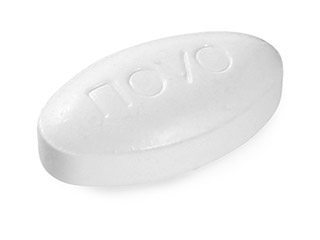
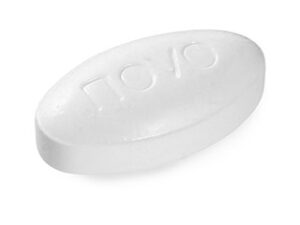
Rybelsus (Semaglutide) – Patient Guide (UK)
Rybelsus is an oral medicine containing semaglutide, used to improve blood sugar control in adults with type 2 diabetes. It is taken once daily as a tablet and is designed to work alongside diet and exercise. Rybelsus belongs to the group of medicines called GLP-1 receptor agonists.
This guide explains how Rybelsus works, how to take it, key safety information, and practical tips. It is written for people in the United Kingdom and focuses on common patient questions.
Basic product information
| Item | Details |
|---|---|
| Medicinal substance | Semaglutide |
| Brand | Rybelsus |
| Medicine type | GLP-1 receptor agonist (oral tablet) |
| How it’s taken | Once daily by mouth (tablet) |
| Common strengths | 3 mg, 7 mg, 14 mg (strength may vary by prescriber plan) |
| Typical role | Improve blood glucose in type 2 diabetes, often alongside lifestyle |
Note: Product availability and tablet strengths may differ between retailers. Always check the packaging and the instructions provided with your medicine.
How Rybelsus works (mechanism of action)
Semaglutide mimics the effects of a natural hormone called GLP‑1 (glucagon-like peptide-1). In people with type 2 diabetes, this helps to:
- Increase insulin release from the pancreas when blood sugar is high.
- Reduce glucagon release, which helps lower blood sugar.
- Slow gastric emptying, meaning food leaves the stomach more slowly—this can reduce post-meal blood sugar spikes.
- Support appetite control, which may lead to weight reduction for some people.
Rybelsus does not rely on “pushing insulin” regardless of glucose levels; instead, it works in a glucose-dependent way, which contributes to a lower risk of hypoglycaemia when used alone.
Pharmacokinetics (what the body does to semaglutide)
Understanding pharmacokinetics can help you take the medicine correctly. Key points for oral semaglutide include:
- Absorption: Semaglutide is absorbed through the gut, but its absorption can be reduced by food and certain drinks taken close to the tablet.
- Slow and steady exposure: After taking Rybelsus, semaglutide levels rise gradually, supporting once-daily dosing.
- Half-life: Semaglutide has a long half-life, which helps maintain therapeutic levels over 24 hours.
- Excretion: The body mainly eliminates semaglutide metabolites through urine and faeces (metabolites rather than unchanged drug).
Practical takeaway: Because absorption is sensitive to food and timing, the tablet should be taken with plain water and only after an appropriate fasting period (see “Timing and how to take Rybelsus”).
What Rybelsus is used for (indications)
In the UK, Rybelsus is used in adults with type 2 diabetes to improve glycaemic control as part of a comprehensive diabetes management plan, which includes healthy eating and physical activity.
It may be used:
- When diet and exercise alone do not provide adequate glucose control
- In combination with other glucose-lowering medicines (for example, metformin and/or other therapies), depending on individual circumstances and clinical judgement
Your clinician will advise the best option based on your HbA1c, current medicines, weight goals, and risk factors.
Typical dosing schedule and timing
Rybelsus is taken once daily. Starting dose is usually low to reduce gastrointestinal side effects, then increased gradually.
Typical titration (general pattern)
- Start: often 3 mg once daily for at least 30 days
- Increase: commonly to 7 mg once daily
- Further increase: may increase to 14 mg once daily if needed and tolerated
Important: The exact dose and timing plan should follow the advice provided with your treatment. Do not change the dose without medical guidance.
How and when to take Rybelsus (timing rules)
- Take the tablet once daily.
- Take it in the morning (or at the same time each day, unless your clinician instructs otherwise).
- Take it at least 30 minutes before your first food, drink, or other oral medicines for the day.
- Swallow with a full glass of plain water (approximately 120 ml).
- Do not take it with coffee, tea, milk, fruit juice, or any drink other than plain water.
- Do not lie down after taking the tablet.
Why this matters: Food and certain drinks can significantly reduce how much semaglutide is absorbed, potentially making the medicine less effective.
Food interactions and absorption considerations
Food interactions are one of the most important practical aspects of oral semaglutide.
General rule
- Keep a minimum 30-minute fasting window after taking Rybelsus before consuming food or other beverages.
- Preferably avoid taking the tablet late in the day unless you can maintain the required fast period.
What to avoid around dosing
- Food: reduces absorption
- Calorie-containing drinks: may reduce absorption (take only plain water)
- Other oral medicines: should be separated by at least 30 minutes from the Rybelsus tablet to avoid interference with absorption
If you miss a dose, see the FAQ for common advice.
Alcohol and medicine interactions
Alcohol does not directly “cancel” semaglutide, but it can affect diabetes control and safety—especially depending on your blood sugar levels and whether you use other glucose-lowering medicines.
Consider these points
- Blood sugar risk: Alcohol can cause low blood sugar, particularly if you take medicines that may lower glucose (such as insulin or sulfonylureas).
- Stomach side effects: Rybelsus can cause nausea, indigestion, and diarrhoea in some people. Alcohol may worsen these symptoms.
- Dehydration: If you experience vomiting or diarrhoea, avoid alcohol and focus on hydration.
Interactions with other medicines
Semaglutide can influence digestion and gastric emptying. This may affect how quickly some medicines are absorbed. Your clinician or pharmacist may adjust the timing or consider alternatives for certain therapies, especially:
- Insulin or sulfonylureas (higher risk of hypoglycaemia when combined)
- Oral medicines that require a specific absorption speed
Always tell your healthcare professional about all medicines and supplements you take, including over-the-counter products.
Safety profile: common and important side effects
Like all medicines, Rybelsus can cause side effects. Not everyone gets them, and many improve as your body adapts during dose escalation.
Common side effects
- Nausea
- Diarrhoea
- Vomiting
- Constipation
- Abdominal (stomach) pain
- Indigestion / acid reflux
- Decreased appetite
Hypoglycaemia risk
When used alone, Rybelsus has a relatively low risk of causing hypoglycaemia. However, the risk increases if used together with:
- Insulin
- Sulfonylureas (such as gliclazide or glimepiride)
Symptoms of low blood sugar may include sweating, shaking, dizziness, hunger, headache, or confusion. If you are at risk, ask your clinician about monitoring and how to manage a low reading.
Serious warnings (seek urgent advice if needed)
Contact a healthcare professional promptly if you experience:
- Symptoms of pancreatitis (e.g., severe persistent abdominal pain, sometimes radiating to the back, with or without vomiting)
- Signs of dehydration (e.g., severe vomiting, inability to keep fluids down, dizziness, marked weakness)
- Allergic reactions (e.g., swelling of the face/lips, difficulty breathing, widespread rash)
- Gallbladder problems (e.g., right upper abdominal pain, fever, yellowing of skin/eyes)
Diabetic eye complications: Rapid improvements in blood sugar can temporarily worsen some eye conditions in certain individuals. If you have diabetic retinopathy, discuss monitoring with your clinician.
Practical tips for using Rybelsus
- Use a consistent routine: choose a time you can reliably meet the “30 minutes before food” requirement.
- Keep water ready: take the tablet with plain water immediately upon waking (or at your chosen dosing time).
- Swallow whole: do not crush or chew tablets (follow the instructions on the packaging).
- Manage nausea: smaller, less fatty meals may help; eat slowly and avoid large portions, especially during dose increases.
- Stay hydrated: aim for adequate fluids, particularly if you experience mild gastrointestinal side effects.
- Monitor glucose if at risk: if you also take insulin or a sulfonylurea, you may need extra blood glucose checks as your dose is adjusted.
- Report side effects early: if symptoms are severe, persistent, or stop you from keeping fluids down, seek advice promptly.
Missed dose guidance (general patient information)
If you forget a dose, the usual approach is to take it when you remember, provided there is still enough time before the next scheduled dose. If it is close to the next dose, you should skip the missed dose and continue with your regular schedule.
Because specific instructions may vary by local guidance and product instructions, follow the advice provided with your medicine or ask a pharmacist for personalised advice.
Who should take extra care? (important considerations)
Rybelsus may not be suitable for everyone. You should discuss your medical history with a healthcare professional, especially if you have:
- A history of pancreatitis
- Severe problems with gastrointestinal motility
- Relevant kidney problems (particularly if you risk dehydration)
- Diabetic eye disease (e.g., retinopathy)
- A history of thyroid tumours or specific thyroid conditions (your clinician can advise on suitability)
Also tell your clinician if you are pregnant, trying to conceive, or breastfeeding.
Alternative options for type 2 diabetes (if Rybelsus isn’t right)
Several other medicines and treatment approaches may be considered depending on your health needs. Alternatives can include:
Other GLP-1 receptor agonists
- Some GLP‑1 medicines are injectable, while others may be tablets or different formulations.
DPP-4 inhibitors
- Oral medicines that help increase incretin levels (different mechanism to GLP‑1).
Metformin
- Often first-line in type 2 diabetes; may be used with or without GLP‑1 therapy.
SGLT2 inhibitors
- Oral medicines that help the kidneys remove glucose via urine.
Other glucose-lowering medicines
- Examples include sulfonylureas, insulin, and others. Choice depends on your HbA1c, weight, cardiovascular and kidney profile, and risk of hypoglycaemia.
Discuss options with your clinician or pharmacist. If you stop Rybelsus, do not replace it with another glucose medicine without advice.
Pharmaceutical guidance and UK market/legal context
In the United Kingdom, diabetes medicines are supplied through regulated channels and are subject to prescribing and supply rules under the Medicines and Healthcare products Regulatory Agency (MHRA). Rybelsus (semaglutide) is an authorised medicine and is used according to its product characteristics and current clinical guidance.
Clinical practice in the UK is influenced by major guidance sources, including:
- NICE (National Institute for Health and Care Excellence) recommendations for diabetes management and when to use certain medicines
- Local formularies and diabetes pathways used by NHS services
- Ongoing safety communications from regulators and professional bodies
Recent guidance themes (patient-relevant): GLP‑1 therapies are increasingly considered for people who need improved glucose control and may benefit from weight reduction and/or specific cardiovascular risk profiles, but eligibility depends on individual clinical factors and assessment of benefits and risks. Keep in mind that recommendations can evolve as new evidence becomes available.
Delivery and availability (UK online pharmacy)
Availability of Rybelsus can vary by strength and supply conditions. When ordering online:
- Check stock status for the exact strength you need (3 mg, 7 mg, or 14 mg).
- Confirm delivery timing at checkout. Dispatch times and courier services may vary.
- Keep tablets in their original packaging and store as directed on the label (typically at room temperature, away from moisture and heat).
If your regular strength is temporarily unavailable, your pharmacist may advise options such as waiting for restock or switching temporarily only under clinical direction.
FAQ about Rybelsus (semaglutide)
1) When should I take Rybelsus?
Take it once daily, ideally in the morning. Take the tablet with plain water and wait at least 30 minutes before having food, drink, or other oral medicines.
2) Can I take Rybelsus with my coffee or tea?
No. It should be taken with plain water only. Coffee, tea, milk, and other drinks may reduce absorption.
3) What if I miss a dose?
Follow the directions provided with your medicine. In general, if you remember later, take it only if it is not close to your next scheduled dose; otherwise skip it and continue as normal. Ask a pharmacist if you are unsure.
4) Will Rybelsus cause weight loss?
Some people lose weight due to reduced appetite and slower digestion. Weight changes vary—don’t treat this as a guaranteed weight-loss medication.
5) What side effects are most common?
The most common are nausea, diarrhoea, vomiting, constipation, stomach pain, and indigestion. These often improve as your dose increases gradually.
6) Can Rybelsus cause low blood sugar?
Low blood sugar is less likely if you use Rybelsus alone. The risk increases if you take it with insulin or a sulfonylurea. Monitor glucose more closely if you’re on combination therapy.
7) Are there any food interactions besides timing?
The key interaction is timing. Food soon after taking the tablet can reduce absorption. Keep the recommended 30-minute fasting interval.
8) Is it safe to drink alcohol while using Rybelsus?
Moderate alcohol may be possible for some people, but alcohol can worsen nausea, and it may affect blood sugar—especially if combined with other glucose-lowering medicines. If you’ve had vomiting/diarrhoea or have risk of dehydration, avoid alcohol.
9) Can Rybelsus be used with other diabetes medicines?
Yes, it can be used in combination with other glucose-lowering treatments depending on your diabetes plan. Combination therapy may require dose adjustments to reduce hypoglycaemia risk (especially with insulin or sulfonylureas).
10) What should I do if I get severe stomach pain?
Seek prompt medical advice. Severe persistent abdominal pain, especially with or without vomiting, can be a sign of pancreatitis or other serious conditions. Do not wait for symptoms to resolve if they are severe.
Summary
Rybelsus (semaglutide) is a once-daily oral GLP‑1 receptor agonist used to improve blood glucose control in adults with type 2 diabetes. It works by enhancing glucose-dependent insulin release, reducing glucagon, slowing gastric emptying, and supporting appetite regulation. Because absorption is sensitive to food and drinks, the tablet must be taken with plain water and at least 30 minutes before food and other oral medications. Most side effects are gastrointestinal and often improve during dose escalation. If you experience severe or persistent symptoms, seek medical advice promptly.
Always follow the instructions on your medicine and consult a healthcare professional for advice tailored to your health situation.