AndroGel (Testosterone Topical) – Patient Information (UK)
AndroGel is a medicine that contains testosterone, a hormone essential for male sexual development and for maintaining many aspects of adult male health. It is applied to the skin as a gel so that testosterone is absorbed through the skin into the bloodstream.
This guide explains what AndroGel is used for, how it works, how to use it safely, what to expect, and important precautions. It also covers common questions about timing, interactions, monitoring, and availability in the United Kingdom.
1. Basic Product Information
| Topic | Details |
|---|---|
| Medicine name | AndroGel (testosterone topical) |
| Active ingredient | Testosterone |
| Dosage form | Transdermal (skin) gel |
| Purpose | Testosterone replacement therapy for eligible adult men with low or absent testosterone due to specific medical conditions |
| How it works | Absorbed through the skin to raise testosterone levels to a more normal range |
| Who it is for | Adults assigned male at birth with clinically confirmed hypogonadism (low testosterone) and appropriate underlying causes |
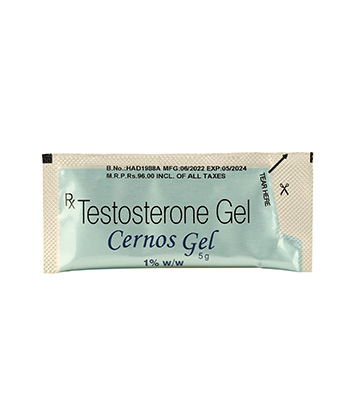
| Common strengths | Available in different pump/sachet/pack presentations depending on local market supply |
Note: Product presentation and strength may vary. Always use the specific dose information provided with your pack and local clinical advice.
2. What AndroGel Does (Mechanism of Action)
Testosterone is an androgen hormone. In adult men, it supports:
- Development and maintenance of male sexual characteristics
- Libido (sex drive)
- Erection quality (in combination with other factors)
- Fertility parameters (though testosterone therapy may reduce sperm production in some men)
- Muscle mass and strength
- Bone density
- General energy and well-being in some men
- Red blood cell production (testosterone can increase haemoglobin/haematocrit)
AndroGel delivers testosterone through the skin. Once absorbed, testosterone is converted in tissues to active forms (including di-hydrotestosterone (DHT) and oestrogen through aromatase). These metabolites interact with androgen receptors and help restore hormone balance.
3. Pharmacokinetics (How the Body Handles It)
AndroGel is absorbed through the skin into the bloodstream. Compared with oral testosterone, transdermal testosterone aims to provide a steadier release.
- Absorption: Testosterone absorption occurs through intact skin. Application site, skin integrity, and drying time can affect uptake.
- Distribution: Testosterone circulates bound to proteins in the blood (including sex hormone-binding globulin and albumin).
- Metabolism: Testosterone is metabolised primarily in the liver to inactive metabolites.
- Elimination: Metabolites are mainly excreted via the kidneys.
Individual response varies. Clinicians typically measure blood testosterone levels (often morning samples) to ensure appropriate dosing.
4. Indications (When AndroGel Is Used)
AndroGel is intended for testosterone replacement therapy in adult men with clinically confirmed hypogonadism (low testosterone) due to specific medical conditions.
In the UK, testosterone therapy should be considered only after careful assessment, which commonly includes:
- Symptoms consistent with low testosterone
- Repeated blood tests showing low testosterone (often measured on more than one morning)
- Evaluation of causes (for example, pituitary/hypothalamic disorders, primary testicular failure, or other medical issues)
AndroGel is not for use to improve performance or muscle gain, and it is not intended for women or children. Use in people without confirmed low testosterone may carry unnecessary risk.
5. Typical Use and Expected Benefits
AndroGel is generally used as part of longer-term treatment when low testosterone is persistent. Benefits can be gradual and may differ from person to person.
What you may notice
- Libido and sexual function: may improve over weeks
- Energy and mood: some men report improvements
- Body composition: changes in fat and lean mass may take months
- Strength: often improves with combined activity and lifestyle changes
- Bone density: may improve over longer periods
If you do not feel better or your symptoms do not improve after an appropriate time, speak with a healthcare professional. Dose adjustment may be needed, or another cause may be contributing to symptoms.
6. Dosing (General Guidance)
Your exact dose depends on your testosterone blood levels, symptoms, and tolerability. In practice, dosing is commonly started at a dose intended to reach the desired range and then adjusted based on follow-up measurements.
Important: Follow the dose schedule supplied with your AndroGel product. Do not increase or decrease the dose without medical advice.
Common dosing patterns
- Once daily application: Many testosterone gels are applied once a day.
- Same time each day: helps maintain stable levels and makes monitoring easier.
Monitoring: Clinicians typically check testosterone levels, blood counts (haematocrit/haemoglobin), and prostate-related measures where appropriate, especially in older men or those at risk.
7. Timing: When to Apply AndroGel
To improve consistency, apply the gel at roughly the same time every day. Your healthcare professional may advise timing based on how your blood tests are scheduled.
- Morning vs evening: Some monitoring strategies use morning blood samples; your clinician will advise the best routine for you.
- Drying time: Allow the gel to dry before dressing to reduce transfer risk.
- Bathing/showering: Avoid washing the application area immediately after applying. Follow product instructions for timing.
If you forget a dose, follow the guidance provided with your gel pack. In general, do not apply extra gel to make up for a missed dose unless advised.
8. Food Interactions
Because AndroGel is absorbed through the skin rather than the gut, food interactions are not typically expected in the same way as oral testosterone.
However, maintaining a stable overall health routine is important. Tell a healthcare professional about all medicines and supplements you take. If you have liver disease or other significant medical conditions, your clinical team may monitor you more closely.
9. Alcohol Interactions and Considerations
Moderate alcohol is not known to directly interact with testosterone gel in a way comparable to oral medications. That said, heavy or chronic alcohol use can affect hormone regulation, liver function, and overall health.
- Heavy drinking: may increase risk of liver problems and worsen general outcomes.
- Safety: If you experience dizziness, fatigue, or mood changes, consider alcohol’s role and seek advice if symptoms persist.
If you have liver disease, a history of heavy alcohol use, or abnormal liver tests, discuss alcohol intake with your healthcare professional.
10. Medicine Interactions (Other Treatments)
AndroGel can interact with certain medicines through effects on hormones, blood clotting risk, or other pathways. The most important practical interactions are described below; always check your specific medicine list with a pharmacist or clinician.
Potential interaction areas
- Blood thinners (anticoagulants), especially warfarin: Testosterone can affect the way warfarin is handled, potentially altering clotting control (INR). If you take warfarin, closer monitoring may be required after starting or changing testosterone therapy.
- Diabetes treatments: Androgens can improve insulin sensitivity, so blood sugar requirements may change. If you have diabetes, monitor glucose and watch for signs of hypoglycaemia.
- Corticosteroids: Testosterone may influence hormonal balance; your clinician may monitor closely if used together.
- Medicines affecting hormone levels: Some treatments influence hormone production or receptor activity. Discuss your full list with your clinician.
- Other gels/androgens: Do not combine testosterone products unless specifically directed.
Always inform your healthcare professional about: prescription medicines, over-the-counter products, herbal supplements (including “testosterone boosters”), and recreational substances.
11. Safety Profile (Important Risks and When to Seek Help)
Testosterone therapy can be beneficial when used appropriately, but it is not risk-free. Safety monitoring is an important part of treatment.
Commonly discussed side effects
- Skin reactions at the application site (redness, irritation, rash)
- Headache or changes in mood
- Acne or oily skin
- Breast tenderness or swelling
- Changes in libido (improves in low testosterone; may also cause unwanted changes in some people)
- Changes in body fluid retention (swelling in some individuals)
Serious risks (seek urgent medical advice if severe)
- Signs of an allergic reaction (swelling of face/lips, difficulty breathing, widespread rash).
- Breathing difficulties or worsening sleep apnoea (snoring, daytime sleepiness, pauses in breathing during sleep).
- Severe chest pain, shortness of breath, one-sided weakness, sudden vision changes (possible vascular events—seek emergency care).
- High red blood cell count symptoms such as headache, dizziness, unusual fatigue, or redness of the skin. Your clinician may monitor blood counts to reduce risk.
- Worsening urinary symptoms (reduced flow, difficulty starting urination, frequent night-time urination). Prostate-related monitoring is important, especially in older men.
Transfer risk: why skin contact matters
A major practical safety issue with testosterone gels is that testosterone can be transferred by skin-to-skin contact to others—especially women and children—if the treated area is not covered or properly dried.
- Let the gel dry completely before dressing.
- Cover the application area with clothing once dry.
- Avoid skin contact with others on the treated area.
- Wash your hands after application.
If transfer occurs, the exposed person may develop signs of testosterone exposure such as acne or changes in body hair distribution. Seek medical advice if this happens.
12. Practical Use Tips (How to Apply AndroGel Safely)
Proper application improves effectiveness and reduces transfer risk. Follow the exact instructions in your package leaflet. The steps below reflect common best practice for testosterone gels.
Before you apply
- Use clean, dry skin.
- Apply to recommended areas only (often upper arms/shoulders or abdomen, depending on product instructions).
- Avoid application on damaged or irritated skin.
How to apply
- Dispense the gel as directed (pump or sachet method depending on your product).
- Spread evenly to create a thin layer—do not rub aggressively.
- Wash hands thoroughly immediately after applying.
After you apply
- Allow the gel to dry fully before dressing.
- Cover with clothing to reduce transfer risk.
- Do not shower, swim, or bathe until enough time has passed per your instructions.
- Wait before applying sunscreen or other topical products on the same area (unless your clinician/pharmacist advises it is safe).
Storage: Keep the product at room temperature as instructed on the pack. Keep out of reach of children.
13. Missed Dose and Overdose Guidance
Missed dose: Apply as soon as you remember on the same day if this fits with the pack instructions. If it is almost time for the next dose, skip the missed dose rather than doubling.
Overdose: Overuse may increase side effects and transfer risk. If you believe you have used too much gel, contact a healthcare professional for advice promptly.
14. Alternative Options (Other Treatments for Low Testosterone)
Testosterone replacement therapy can be delivered in different ways. Alternatives may include:
- Other testosterone gels (different brands or strengths)
- Testosterone injections (given at intervals)
- Testosterone patches (where available)
- Oral options (in some contexts, though not all products are appropriate for every patient)
- Treating the underlying cause (for example, management of pituitary problems)
- Fertility-focused options (some men who wish to preserve fertility may be managed differently)
The “best” option depends on your symptoms, blood test results, lifestyle, skin sensitivity, and fertility goals. Your clinician can discuss what may suit you.
15. UK Market and Legal/Clinical Context
In the United Kingdom, testosterone products are regulated medicines and are supplied through authorised channels. Testosterone therapy is typically managed within specialist or structured primary care pathways because it requires diagnosis confirmation and ongoing monitoring.
Professional guidance commonly emphasises:
- Diagnosing hypogonadism using symptoms plus consistently low testosterone on repeated testing
- Assessing contraindications and risk before starting therapy
- Monitoring testosterone levels, haematocrit, and relevant prostate parameters where appropriate
- Reviewing benefits vs harms periodically
Recent guidance and approach: UK clinicians continue to apply cautious, evidence-based use of testosterone therapy, aiming to reduce inappropriate prescribing and to improve monitoring for cardiovascular and haematological risks. Always follow the advice provided for your personal circumstances.
16. Delivery and Availability (UK Online Pharmacy)
AndroGel availability in the UK may vary by pack type and strength. Where it is available, online pharmacy services typically provide:
- Secure ordering through authorised processes
- Discreet packaging for privacy
- Home delivery where permitted and supported
Delivery times depend on your location and the supplier’s dispatch schedule. If the product is temporarily unavailable, some services may offer alternatives or notify you of restocking.
Storage on receipt: Keep the gel as instructed on the label and check the expiry date before use.
17. FAQ – Frequently Asked Questions
Can women or children come into contact with the gel?
They should avoid contact with the treated skin. Testosterone may transfer through skin-to-skin contact. Let the gel dry fully, cover the area with clothing, and wash your hands after application. If you anticipate close skin contact, take additional precautions (for example, cover the application site well and avoid direct contact).
How long does it take to work?
Some symptoms such as libido or energy may improve within weeks. Other changes—such as body composition, strength, and bone density—often take longer (months). Your clinician may reassess your response and blood levels after a suitable interval.
Do I need blood tests?
Yes. Testosterone therapy generally requires follow-up to confirm that levels are in the desired range and to monitor safety. Your clinician may check testosterone, blood count (haematocrit/haemoglobin), and prostate-related measures where appropriate.
What if I get skin irritation?
Mild skin dryness or irritation can occur. If irritation is persistent or severe, stop applying to the affected area and seek advice. Your clinician may adjust the dose, change the application site, or consider an alternative formulation.
Can I shower after applying AndroGel?
You should avoid washing the application site immediately after applying. Follow the timing instructions in your pack leaflet. Showering too soon may reduce absorption and increase the risk of transfer.
Will food affect AndroGel?
Food interactions are not typically expected because AndroGel is absorbed through the skin. If you take medicines that affect blood clotting or diabetes, these interactions are more relevant than food.
Can I drink alcohol while using AndroGel?
Moderate alcohol is not known to directly interact with testosterone gel. However, heavy alcohol use may affect liver function and overall health. If you have liver disease or notice troubling symptoms, discuss alcohol intake with your healthcare professional.
Does AndroGel affect fertility?
Testosterone therapy can reduce sperm production in some men by suppressing the natural hormonal signals that support spermatogenesis. If fertility is a concern, discuss options with a clinician before starting or continuing testosterone therapy.
What medicines commonly interact with testosterone?
Examples include blood thinners (notably warfarin), diabetes medicines, and other hormonal treatments. Always tell your pharmacist or clinician about your full medication and supplement list.
What should I do if transfer accidentally occurs?
If another person contacts your treated skin, wash the area promptly with soap and water. Watch for signs of testosterone exposure and seek medical advice, especially for children or women.
Is AndroGel suitable for everyone with low testosterone symptoms?
No. AndroGel is intended for men with confirmed hypogonadism due to specific conditions. Conditions such as untreated prostate or breast cancer, certain elevated risks, and some serious health issues may mean testosterone therapy is not appropriate. A clinician should evaluate your suitability.
18. When to Seek Medical Advice
Contact a healthcare professional urgently if you develop symptoms suggestive of serious adverse effects, including:
- Severe allergic symptoms (swelling, difficulty breathing)
- Chest pain, shortness of breath, stroke-like symptoms
- Marked mood changes or severe behavioural changes
- Worsening symptoms of sleep apnoea
- Unexplained high fever, severe headaches, or significant neurologic symptoms
For non-urgent concerns (skin irritation, concerns about your dose, changes in urinary symptoms, or questions about blood test results), arrange advice promptly.
Remember: AndroGel should be used as directed and combined with appropriate medical monitoring. If you have any uncertainty about dosing, timing, or interactions, speak with a pharmacist or clinician for personalised guidance.