Levocetirizine
Levocetirizine is a widely used antihistamine medicine for the relief of allergy symptoms such as sneezing, runny or itchy nose, and itchy/watery eyes. In the UK, levocetirizine is commonly chosen because it is effective and, for many people, causes less drowsiness than some older antihistamines.
This page explains how levocetirizine works, how to take it, what to expect, and important safety information. If you are unsure whether it is right for you, speak to a pharmacist or healthcare professional.
Basic product information
- Medicine name: Levocetirizine
- Type: Second-generation antihistamine
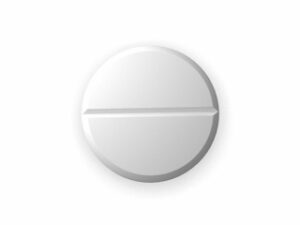
- Common forms (UK): Tablets, usually 5 mg; sometimes oral drops depending on brand
- Typical dosing strength: Often 5 mg once daily for adults and children (age-dependent)
Brand names and exact strengths can vary. Always check the pack for the specific product you have.
How levocetirizine works (mechanism of action)
Levocetirizine is an H1 antihistamine. When you have an allergic reaction, your body releases histamine, a chemical messenger that contributes to symptoms such as:
- sneezing and a runny nose
- itching (nose, eyes, skin)
- watery eyes
- hives (urticaria) and swelling in some allergy conditions
Levocetirizine blocks histamine H1 receptors on cells involved in allergy symptoms. By reducing the effect of histamine, it helps relieve symptoms and can also reduce the intensity of allergic signs.
It is considered a second-generation antihistamine, designed to be effective with a lower likelihood of crossing into the brain compared with some earlier medicines, which may help reduce drowsiness for some people.
Pharmacokinetics (how the body handles the medicine)
“Pharmacokinetics” describes what happens to a medicine after you take it—how it is absorbed, distributed, metabolised, and eliminated.
- Absorption: Levocetirizine is absorbed after oral dosing. Effects typically begin within an hour for many people.
- Distribution: It distributes throughout the body and acts at H1 receptors.
- Metabolism: Levocetirizine undergoes limited metabolism.
- Elimination: It is primarily cleared by the kidneys. This is important for people with reduced kidney function.
- Half-life (general concept): It has a duration that supports once-daily dosing for most indications.
Kidney function matters: If you have kidney impairment, your doctor or pharmacist may recommend a reduced dose or a different approach. Do not adjust your dose yourself—check professional guidance.
Typical uses in the UK
Levocetirizine is used to treat allergic symptoms and related conditions, including:
- Allergic rhinitis (hay fever), including seasonal and year-round symptoms
- Chronic idiopathic urticaria (long-lasting hives) in appropriate patients
It may help with symptoms like sneezing, runny or blocked nose, itchy nose, itching of the eyes, and watery eyes. For urticaria, it can reduce itching and the number of hives.
Indications (what symptoms/conditions it’s for)
| Indication | Common symptoms it can help | Typical approach |
|---|---|---|
| Allergic rhinitis | Sneezing, runny nose, itching, watery/itchy eyes, nasal discomfort | Daily use during allergy periods; review if symptoms are intermittent |
| Chronic idiopathic urticaria | Itching and hives (often recurrent) | Regular dosing as directed; reassess with symptoms control |
When to take levocetirizine (timing and onset)
Levocetirizine is usually taken once daily for many indications. For best symptom control, try to take it at about the same time each day.
- Onset: Many people notice symptom improvement within 1 hour, though full benefit may take longer.
- Best time: Some people prefer evening dosing if they feel mildly drowsy; others take it in the morning.
- Course length: For hay fever, it may be used during the allergy season. For ongoing symptoms, the appropriate duration depends on your condition and response.
If symptoms persist or worsen despite regular use, consider speaking to a pharmacist or healthcare professional for review.
Dosing (how much to take)
Dosing depends on the patient’s age and medical circumstances, particularly kidney function. Always follow the instructions on your specific product packaging.
Common UK dosing (general information):
- Adults and children aged 12 years and over: Typically 5 mg once daily.
- Children aged 6 to 11 years: Often 2.5 mg once daily, though products and local guidance may vary.
- Children under 6 years: Dosing varies and may require liquid formulations and clinician guidance.
If you have kidney problems, your dose may need to be reduced. Levocetirizine is cleared largely through the kidneys. Ask your pharmacist if you have any condition affecting kidney function.
Food interactions
Levocetirizine can generally be taken with or without food. Food may slightly affect the speed of absorption, but it usually does not significantly reduce overall effectiveness.
- If you experience an upset stomach, taking it with food may be more comfortable.
- Try to maintain consistent timing day to day.
Alcohol and medicine interactions
Alcohol
Levocetirizine can cause drowsiness in some people. Drinking alcohol may increase the risk of feeling sleepy or less alert. For safety, it’s usually advised to:
- Avoid or limit alcohol while taking levocetirizine, especially when starting treatment.
- Be cautious if you need to drive or operate machinery.
Other medicines
Many medicines can be taken together safely, but some interactions are possible. Particular care is advised if you take:
- Other antihistamines (to avoid doubling doses and increasing side effects)
- Sedating medicines (sleeping tablets, some pain relief, anxiety medicines), due to possible added drowsiness
- Medicines that affect the kidneys or require dose adjustment in renal impairment
Tell your pharmacist about all medicines you use, including: prescription medicines, over-the-counter remedies, herbal products, and vitamins. This helps them check for suitability and safety for your personal situation.
Safety profile and side effects
Like all medicines, levocetirizine can cause side effects. Not everyone gets them. Most side effects are mild and improve as your body adjusts.
Common side effects
- Drowsiness or tiredness
- Dry mouth
- Headache
- Fatigue
Less common or cautionary side effects
- Dizziness
- Gastrointestinal discomfort (e.g., nausea)
- Agitation or unusual restlessness (uncommon)
Seek urgent medical advice if
Stop the medicine and seek urgent help if you experience signs of a severe allergic reaction, such as:
- swelling of the face, lips, tongue, or throat
- difficulty breathing or swallowing
- severe rash or widespread hives with breathing difficulty
Driving and operating machinery
Levocetirizine may cause drowsiness in some people. Until you know how it affects you:
- avoid driving
- avoid operating machinery
- be cautious with tasks requiring alertness
Special populations
- Pregnancy and breastfeeding: If you are pregnant or breastfeeding, discuss with a healthcare professional before use.
- Children: Use age-appropriate products and dosing instructions; do not guess doses.
- Older adults: Consider possible sensitivity to drowsiness and check kidney function if relevant.
- Kidney impairment: Dose adjustment may be necessary.
Practical use tips (how to get the best results)
- Take it regularly during allergy exposure: For hay fever, starting shortly before the season or when symptoms begin often helps.
- Check the label for your exact strength: “Levocetirizine” products may differ in formulation (tablets vs drops).
- Don’t combine with another antihistamine: If you use another allergy medicine, check the ingredients carefully.
- Pair with non-medicine strategies: If pollen triggers symptoms, keep windows closed, shower after outdoor exposure, and consider air filtration.
- Manage chronic urticaria expectations: Hives can fluctuate. A consistent dosing routine may improve symptom control.
Alternatives to levocetirizine
Depending on your symptoms and personal preferences, alternatives include other antihistamines and, for some people, allergy-targeted treatments. Common options include:
- Loratadine or desloratadine (often taken once daily; different drowsiness profiles)
- Fexofenadine (commonly considered less sedating for many people)
- Cetirizine (very similar antihistamine class; may cause more drowsiness for some)
- Non-sedating options and intranasal corticosteroids for persistent allergic rhinitis (a pharmacist or clinician can advise)
- For hives: antihistamines are usually first-line; doctors may adjust dose strategies if needed
If levocetirizine doesn’t control symptoms adequately, a pharmacist can help you compare options based on your medical history and lifestyle.
Market and legal context in the UK
In the UK, levocetirizine is available through pharmacy channels and may be supplied under “general sale” arrangements depending on the product, strength, and formulation. Availability can differ between brands and pack sizes.
Medicines are regulated by UK authorities, including oversight of quality, safety, and labelling. Healthcare professionals and pharmacists help ensure patients receive the correct product and suitable information for safe use.
Always follow the instructions provided with the specific brand you purchase.
Recent guidance and advice (general UK allergy approach)
UK allergy management guidance generally emphasises:
- Using non-drowsy strategies where possible for day-to-day functioning
- Choosing the most appropriate medicine based on symptoms (nasal vs eye vs skin)
- Considering intranasal corticosteroids for moderate to severe allergic rhinitis, especially if symptoms are persistent
- Reassessing treatment if symptoms are not controlled after an appropriate period
- For urticaria, using antihistamines regularly and seeking professional advice if it persists or worsens
Since guidance can evolve, a pharmacist is a helpful source for up-to-date advice relevant to UK practice.
Delivery and availability
Levocetirizine is commonly available from online pharmacies in the UK. Availability may vary by brand and formulation (tablets vs oral drops), and in-demand stock can occasionally change.
- Dispatch: Many UK online pharmacies aim to dispatch orders quickly on working days.
- Delivery options: Delivery may be standard or express depending on the provider.
- Packaging: Medicines are supplied in manufacturer packaging with clear leaflets and dosage instructions.
Check the product page for live stock status, delivery estimates, and any eligibility requirements.
What to do if you miss a dose
- If you forget a dose, take it when you remember unless it’s close to the next dose.
- If it’s near the next scheduled dose, skip the missed dose and continue as usual.
- Do not take a double dose to make up for the missed one.
Overdose information (when to get help)
If you believe you have taken too much levocetirizine, seek medical advice immediately, especially for children. In the UK, you can contact 111 for urgent advice (or 999 for emergencies). Keep the medicine packaging available for healthcare staff.
FAQ about levocetirizine
How long does levocetirizine take to work?
Many people notice symptom relief within about 1 hour. For longer-term allergy control, consistent daily use during exposure usually provides the best results.
Will levocetirizine make me drowsy?
Some people experience drowsiness or tiredness. The degree varies from person to person. Until you know how it affects you, take care with driving, cycling, and operating machinery.
Can I take levocetirizine every day?
It depends on your condition and symptoms. For allergic rhinitis during allergy seasons, daily use is common. For chronic urticaria, ongoing use may be recommended. Follow the dosage instructions on your product packaging and consult a pharmacist if unsure.
Is levocetirizine safe for children?
Children can use levocetirizine when appropriate dosing is used for their age and weight category, and the correct formulation is selected. Always follow the pack instructions or pharmacist advice, particularly for younger children.
Can I take levocetirizine with other allergy medicines?
Be careful about combining antihistamines. If you want to use a nasal spray or eye drops, they may be compatible, but check ingredients and discuss with a pharmacist if you’re using multiple products.
Does food affect levocetirizine?
Usually not significantly. You can take it with or without food. If you find it upsets your stomach, taking it with food may help.
Can I drink alcohol while taking it?
It’s best to avoid or limit alcohol, as levocetirizine can cause drowsiness. Alcohol may increase sleepiness and reduce alertness.
What if my symptoms don’t improve?
If symptoms are not controlled after using levocetirizine as directed, or if they worsen, seek advice from a pharmacist. You may need a different medicine, a different dosing schedule, or an additional approach (for example, for allergic rhinitis).
Is levocetirizine the same as cetirizine?
They are related antihistamines. Cetirizine is a different compound; levocetirizine is the active form of cetirizine. People may respond differently, so if one doesn’t suit you, ask about alternatives.
Summary
Levocetirizine is a second-generation antihistamine used for allergic rhinitis and chronic urticaria symptoms. By blocking histamine receptors, it helps reduce sneezing, itching, runny nose, watery eyes, and hive-related discomfort. Most people take it once daily, with effects often starting within about an hour.
As with any medicine, consider safety—especially drowsiness, alcohol use, and possible dose adjustment in kidney impairment. If you have questions about suitability or combining treatments, a pharmacist can help you choose the safest option for your situation.