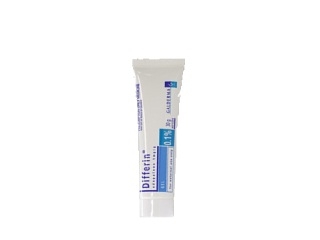
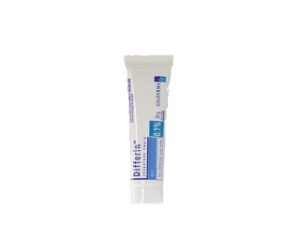
Differin (Adapalene) – Patient Guide (UK)
Differin contains adapalene, a topical medicine used to treat acne. It works by helping to prevent clogged pores and by reducing inflammation associated with acne. This guide explains how Differin works, how to use it safely and effectively, what to expect during treatment, and what to consider with other medicines and alcohol.
Note: Product strengths and formulations (e.g., gel or cream) may vary. Always follow the instructions provided with your specific product and check the package leaflet for details specific to your strength.
1) Basic product information
- Active ingredient: Adapalene
- Medicine type: Topical retinoid (a form of vitamin A derivative)
- Common forms: Adapalene topical gel/cream (varies by country and product strength)
- For: Acne (including blackheads/whiteheads and inflammatory spots)
- Where applied: Usually to the affected area(s) of the skin (face, and sometimes chest/back depending on clinician advice and product directions)
- Availability in the UK: Adapalene-containing products are available through different supply routes depending on strength and product presentation (for example, pharmacy or online). Availability and classification can change over time.
2) How Differin works (mechanism of action)
Acne develops when skin follicles become clogged with a mix of oil (sebum) and dead skin cells. This can block pores and encourage inflammation and bacterial growth. Adapalene helps address several key processes in acne:
- Normalises skin cell turnover: Adapalene promotes a healthier shedding pattern of skin cells inside pores.
- Reduces clogged pores: It helps to prevent and reduce comedones (blackheads and whiteheads).
- Anti-inflammatory action: It can reduce inflammatory signals involved in acne.
- Improves the skin surface over time: This can lead to gradual clearing and smoother texture.
Because it works on the underlying causes of acne rather than just drying spots, results typically build gradually.
3) Pharmacokinetics (what happens in the body)
Adapalene is applied to the skin. Compared with some other retinoids, adapalene is generally absorbed through the skin in small amounts.
- Absorption: Low systemic absorption through intact skin.
- Distribution: Because systemic exposure is limited, whole-body distribution is generally minimal.
- Metabolism: Any small amount absorbed is metabolised primarily in the liver.
- Elimination: Metabolites are excreted mainly via the body’s normal elimination pathways.
In practical terms: when used as directed on the skin, Differin is designed to act mainly where you apply it, with low levels reaching the bloodstream.
4) Typical use and timing
What it’s used for
Differin (adapalene) is commonly used to treat acne, including:
- Comedonal acne (blackheads and whiteheads)
- Inflammatory acne (red pimples/pustules)
- Mixed acne (a combination of comedones and inflammatory lesions)
When you should apply it
- Usually once daily in the evening. Many people apply it at night because it can be easier to keep a thin layer undisturbed.
- Start gradually if your skin is sensitive (for example, every other night for the first 1–2 weeks, then increase as tolerated).
How long it takes to work
Acne medicines often take time. Typical expectations:
- First changes: You may notice less new breakouts after a few weeks.
- More visible improvement: Often around 8–12 weeks.
- Best results: May take longer, and maintenance may be needed.
It is common to experience temporary irritation or a “getting used to” phase. However, severe worsening can indicate that the dose or frequency is too high for your skin.
5) Indications (who might benefit)
Differin is intended for people who have acne and want a topical retinoid option. It may be particularly helpful if you:
- Have recurring blackheads and whiteheads
- Want to treat both comedones and inflamed spots
- Are looking for a preventative approach to reduce clogged pores over time
It may be used as part of combination acne regimens (for example, with other acne treatments), but combinations should be approached carefully to reduce irritation.
6) How to dose and apply Differin (adapalene)
Follow your product’s instructions. The information below reflects common patient guidance for topical adapalene use.
Typical dosing
- Frequency: Usually once daily (often at night).
- Amount: Apply a thin layer—more is not better and may increase irritation.
- Areas: Apply to the whole acne-prone area rather than only individual spots (when appropriate), so that new comedones are prevented.
Step-by-step practical application
- Wash your skin with a gentle cleanser and pat dry (wait 10–20 minutes if skin is still slightly damp).
- Use a pea-sized amount for the entire face (example guidance; adjust based on product instructions and coverage needed).
- Apply thinly to areas affected by acne.
- Avoid sensitive zones: eyes, eyelids, corners of the nose, corners of the mouth, and any broken or irritated skin.
- Wash hands after applying (unless product instructions advise otherwise).
- Moisturise if needed: A moisturiser can reduce dryness and irritation.
What to do if you miss a dose
- If you miss a dose, apply it when you remember unless it’s close to the next scheduled dose.
- Do not apply extra to make up for the missed dose.
7) Food interactions
Differin (adapalene) is used on the skin. As a result, food interactions are not expected to be clinically significant. No specific dietary restrictions are usually required for topical adapalene.
If you are taking other acne medicines (such as certain oral therapies), discuss any dietary concerns with your pharmacist or clinician.
8) Alcohol and medicine interactions
Alcohol
There is no direct interaction between topical adapalene and alcohol. However, alcohol may indirectly affect acne through dehydration, skincare changes, or increased irritation if you experience dryness.
Interactions with other medicines (topical and skincare)
The main issue with adapalene is often skin irritation when it is used alongside other irritating products.
- Other acne actives: Using multiple exfoliating or strongly active products at the same time may cause redness, peeling, or burning.
- Potentially irritating combinations:
- Strong exfoliants (e.g., high-strength salicylic acid, glycolic acid)
- Scrubs with abrasive particles
- Harsh cleansers or alcohol-based toners
- Other retinoids (topical vitamin A derivatives)
- Products that are known to irritate your skin
If you want to combine Differin with other treatments, consider introducing them gradually and spacing them across different times (for example, using one at night and another in the morning), based on label guidance and tolerability.
If you are using any prescription or non-prescription acne treatments, speak to a pharmacist for advice on safe layering.
9) Safety profile and side effects
Like all medicines, Differin may cause side effects. Many side effects are related to irritation, especially during the early weeks.
Common side effects
- Dryness or flaking
- Redness
- Skin peeling
- Burning or stinging sensation
- Itching
- Increased sensitivity to sunlight
Serious or concerning side effects
Stop using the product and seek medical advice promptly if you develop signs of a severe reaction, such as:
- Severe swelling of the face or eyelids
- Blistering or extensive skin sores
- Severe rash or widespread irritation that does not improve
- Signs of an allergic reaction (e.g., hives, trouble breathing)
Skin sensitivity and sun exposure
- Adapalene can make skin more sensitive to sunlight.
- Use daily sunscreen (SPF 30 or higher) and consider protective clothing and shade.
- Avoid strong sun exposure and sunbeds.
Pregnancy and breastfeeding (important UK guidance)
Retinoids are associated with concerns in pregnancy. Topical adapalene is absorbed in small amounts, but because retinoids are of special concern, it is important to:
- Avoid use during pregnancy.
- If you could become pregnant, discuss contraceptive advice and safer alternatives with a pharmacist or clinician.
- If breastfeeding, ask for guidance on whether adapalene should be used and ensure the product is not applied to the breast area.
If you become pregnant while using adapalene, stop treatment and seek advice promptly.
10) Practical use tips for better results and less irritation
Start slowly
- During the first 1–2 weeks, consider applying it every other night.
- If your skin is comfortable, you can increase to once nightly.
Moisturise to “buffer” dryness
- Use a gentle, fragrance-free moisturiser.
- You can apply moisturiser before (on dry skin) or after Differin depending on what your skin tolerates.
Use gentle cleansing
- Choose mild cleansers.
- Avoid hot water and aggressive scrubbing.
Be careful with other strong skincare products
- Avoid combining with other irritating actives at the same time (especially at the start).
- If you want to use acids or exfoliants, introduce them cautiously and not immediately when irritation is active.
Don’t “spot treat” only if your acne is widespread
If you have multiple areas of acne or many comedones, treating the whole affected zone may reduce future clogging. However, if your skin is sensitive, you can start by treating smaller areas.
Watch for the “trial period”
- Mild dryness or redness can be part of the adjustment period.
- If irritation becomes severe, reduce frequency, use moisturiser, and seek advice.
11) Alternative options for acne (UK overview)
Acne can be treated with different topical and oral approaches. Alternative options may include:
- Other topical retinoids: e.g., tretinoin (availability varies)
- Benzoyl peroxide: helpful especially for inflammatory acne; may bleach fabrics
- Topical antibiotics: often used in combination to reduce antibiotic resistance (availability depends on product and prescriber guidance)
- Azelaic acid: can help with acne and post-acne marks; often well tolerated
- Salicylic acid: a keratolytic that can assist with clogged pores
- Oral treatments: used for moderate to severe acne depending on individual factors
If you have persistent acne, scarring, or significant inflammation, it may be helpful to discuss a tailored plan with a pharmacist or clinician.
12) Market and legal context in the UK
Medicines availability in the UK can depend on classification (for example, whether a product is a pharmacy-only item or available through other routes) and on the product’s strength and formulation. Online pharmacy services must comply with UK medicines regulations and supply rules, including identity verification and safe supply practices.
Differin/adapalene products may be supplied as pharmacy products or through other legal channels depending on the specific product and concentration. Availability can change as brands and formulations evolve.
For the most up-to-date information on what you can buy and how it’s supplied, check the product listing details on the site and any current guidance from the UK regulator and professional bodies.
13) Recent guidance and practical expectations (UK patient perspective)
Acne treatment guidance in the UK commonly emphasises:
- Consistency and patience: topical acne medicines often take weeks to show significant benefit.
- Skin tolerance: irritation is managed by starting gradually, using moisturisers, and avoiding harsh combinations.
- Sun protection: because retinoids can increase sensitivity to sunlight.
- Layering strategy: using non-irritating routine steps (gentle cleanser, moisturiser, sunscreen) can improve comfort and adherence.
If your acne is worsening rapidly, you develop painful inflamed lesions, or you have scarring, you may need a different treatment strategy rather than simply increasing the adapalene dose.
14) Delivery and availability (online pharmacy in the UK)
Online availability may vary depending on product strength and formulation. In general:
- Dispatch: Orders are typically dispatched after verification and processing.
- Delivery times: Delivery speed depends on the courier service selected and your location.
- Packaging: Medicines are usually shipped in protective packaging to maintain product integrity.
To ensure timely delivery, confirm your postal address and allow for standard processing and transit times shown at checkout.
15) FAQ (Frequently Asked Questions)
1. Can I use Differin every day?
Many people use it once daily at night, but if your skin is sensitive, start every other night and increase as tolerated. Aim for a schedule you can maintain without severe irritation.
2. How much Differin should I apply?
Use a thin layer. A typical starting point is a pea-sized amount for the entire face. More product increases irritation risk and does not necessarily speed up results.
3. Will Differin make my skin peel or purge?
Dryness and peeling are common early on. Some people also experience a short period where acne seems worse (“purging”), especially if clogged pores are being cleared. Severe irritation or extensive worsening beyond the expected adjustment period should be reviewed.
4. Can I use moisturiser with Differin?
Yes. A gentle moisturiser can reduce dryness and make treatment more comfortable. If your skin is irritated, moisturiser use is often key to successful continuation.
5. Can Differin be used with sunscreen?
Yes, and it’s recommended. Use sunscreen daily, especially in daylight, to reduce irritation and photosensitivity.
6. Can I combine Differin with other acne treatments?
Sometimes, but go slowly. Combining with other active ingredients can increase irritation. If you use benzoyl peroxide, acids, or other retinoids, ask a pharmacist for a safe routine.
7. What should I avoid while using adapalene?
Avoid harsh cleansers, scrubs, and strong exfoliants early in treatment if they irritate your skin. Avoid sunbeds and excessive sun exposure.
8. Is there any interaction with alcohol?
There is no known direct interaction with topical adapalene. However, alcohol may worsen dryness or affect your skincare routine, indirectly impacting comfort.
9. Can I use it if I have sensitive skin?
Many people can use it with a slower start and moisturising strategy. If you have a history of strong reactions to skincare products, begin cautiously and consider patch testing (where appropriate) and professional advice.
10. When should I seek medical advice?
Seek advice if you have severe burning, swelling, blistering, rash, or no improvement after a sufficient trial period (often around 12 weeks), or if acne is causing scarring or significant distress.
16) Summary table: key points for quick reference
| Topic | What to know |
|---|---|
| Active ingredient | Adapalene (topical retinoid) |
| Main purpose | Helps prevent clogged pores and reduces acne-related inflammation |
| How often | Usually once daily in the evening; start gradually if needed |
| Expected timeline | Some improvement in weeks; best results often 8–12 weeks |
| Common side effects | Dryness, redness, peeling, stinging/itching (often early) |
| Sun precautions | Use daily sunscreen; avoid sunbeds |
| Food interactions | Not expected to be significant (topical use) |
| Alcohol | No direct interaction; may indirectly affect dryness/skin comfort |
| Best routine | Gentle cleanse, thin layer, moisturiser, sunscreen |
Important: This information is intended to help you understand Differin (adapalene) and use it more comfortably. For advice about your specific skin condition, routine, and other products you use, consult a pharmacist.