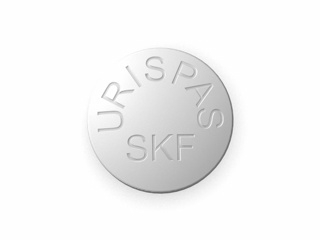

Urispas (Flavoxate Hydrochloride)
Urispas contains flavoxate hydrochloride, a medicine used to relieve symptoms related to the urinary tract. It is commonly chosen when people experience discomfort such as frequent urges to pass urine, urgency, or bladder spasms (sometimes described as “overactive bladder” symptoms), where a calmer, more comfortable urinary pattern is needed.
This guide is designed to be patient-friendly and practical. It explains how Urispas works, how it’s typically taken, what to expect, and important safety information—especially interactions with other medicines and alcohol.
Quick overview
- Medicine: Urispas
- Active ingredient: Flavoxate hydrochloride
- Common purpose: Helps relieve urinary urgency, frequency, and bladder spasms
- How it may help: Aims to reduce abnormal bladder contractions
- Typical form: Tablets (availability may vary by brand/strength)
- Where it’s used: Symptom relief in conditions such as bladder spasm/irritable bladder
What is Urispas used for?
Urispas is used to treat symptoms associated with bladder spasms and irritable bladder. People often seek it for symptoms such as:
- Urgency (a sudden, hard-to-delay need to pass urine)
- Frequency (needing to pass urine more often than usual)
- Bladder discomfort or a “crampy” feeling
- Spasms of the bladder muscle
Important: Urispas helps with bladder symptoms. It is not an antibiotic and does not treat a bacterial urinary infection. If you suspect a urine infection (for example, burning pain, fever, or cloudy/bad-smelling urine), you should seek appropriate medical advice promptly.
How Urispas works (mechanism of action)
Bladder symptoms such as urgency and frequency can occur when the bladder muscle contracts in an irregular or too-sensitive way. Flavoxate is thought to act mainly by influencing smooth muscle function in the urinary tract.
In practical terms, Urispas may help to:
- Reduce involuntary bladder contractions (bladder spasm)
- Ease urinary urgency and frequency linked to overactivity
- Improve comfort by decreasing irritability of the bladder
Pharmacokinetics: what the body does with flavoxate
Pharmacokinetics describes how the body absorbs, distributes, metabolises, and eliminates a medicine. While exact values can vary between individuals, flavoxate generally follows these broad patterns:
- Absorption: When taken by mouth, flavoxate is absorbed from the gastrointestinal tract.
- Distribution: It acts mainly on the urinary tract, with the active effects related to its pharmacologic action.
- Metabolism: Flavoxate is metabolised in the body.
- Elimination: Metabolites are eliminated primarily via the kidneys (urine).
If you have impaired kidney or liver function, medicine levels may be affected. Always follow the dosage instructions on the package, and consult a healthcare professional if you have relevant conditions.
Typical timing and how long it takes to work
Many people notice symptom relief within the first day or two, though responses vary. For best benefit:
- Start as directed: Take Urispas regularly as instructed on the product packaging.
- Don’t “double up”: If a dose is missed, follow package instructions rather than taking extra.
- Allow time: Bladder-related symptoms can improve gradually as spasms settle.
If symptoms do not improve after a reasonable period (for example, within a few days), or if they worsen, seek advice. Persistent urinary symptoms may have other causes such as infection, prostate issues, bladder stones, or other bladder conditions.
Food interactions
Food interactions are often mild with flavoxate for many users, but absorption and comfort can differ from person to person. As a general guide:
- Can it be taken with meals? Many people take it with or after food to reduce stomach discomfort.
- Consistency helps: Taking it in a similar way each day may help maintain routine symptom control.
For the most accurate guidance, follow the instructions on the specific Urispas pack you receive. If the label says to take it before meals or after meals, stick to that advice.
Alcohol and medicine interactions
Alcohol can affect the urinary system and may worsen urinary urgency or frequency for some people. It may also increase drowsiness or dizziness with certain medicines.
Practical advice:
- Limit alcohol: If you notice your urinary symptoms worsen after drinking alcohol, consider avoiding it.
- Be cautious with sedation: If you feel light-headed, avoid driving or operating machinery.
There are no universally applicable “must never” rules for alcohol with flavoxate, but it’s wise to monitor how you respond. If you’re on other medicines, check their interaction information as well.
Interactions with other medicines
Always inform a healthcare professional (or check the medicines’ packaging) if you take other drugs regularly. While specific interactions can depend on your exact products and conditions, watch for the following categories:
- Medicines affecting the nervous system (may increase side effects such as dizziness or drowsiness)
- Anticholinergic or bladder-relaxing medicines (may increase the risk of dryness or constipation in some people)
- Other urinary symptom medicines (don’t combine unless advised—double therapy may raise side effects)
- Heart medicines or medications with rhythm effects (always check interaction guidance)
If you are taking multiple medicines, it’s particularly important to verify suitability with a pharmacist.
Dosing: how to take Urispas
Dosage can vary by age and the severity of symptoms. Always follow the dose instructions on your Urispas pack. The information below provides general guidance commonly used for flavoxate products.
Adults
Urispas is typically taken several times per day to maintain symptom control. The exact number of doses depends on the strength and product presentation. Use the dosing schedule on the pack.
Children and adolescents
Use in children may be restricted or based on age and symptoms. Check the pack for age recommendations and dosing. If in doubt, seek advice from a pharmacist or clinician.
Missed dose
- Take it when you remember if it is close to the next dose.
- If it’s nearly time for the next dose, skip the missed dose.
- Do not take a double dose to make up for a missed one.
Overdose advice
If you think you may have taken too much Urispas, contact NHS 111 for advice or seek urgent help if symptoms are severe. Keep the medicine pack with you.
Safety profile and side effects
Like all medicines, Urispas can cause side effects. Not everyone will experience them. Many people experience mild effects that settle.
Common side effects
- Dry mouth
- Nausea or stomach discomfort
- Dizziness or light-headedness
- Headache
Less common but important side effects
- Allergic reactions (such as rash, itching, swelling)
- Severe dizziness or fainting
- Changes in heart rate or palpitations (seek advice if this occurs)
Seek urgent help if
- You have signs of an allergic reaction (swelling of face/lips, breathing difficulty)
- You experience severe or worsening symptoms after starting Urispas
- You develop high fever, back/flank pain, or feel very unwell (possible infection or kidney involvement)
Who should be extra cautious?
Check suitability and seek professional advice if you have:
- Glaucoma (especially narrow-angle glaucoma)
- Urinary retention or difficulty passing urine
- Severe stomach or bowel problems (risk of worsening constipation or discomfort)
- Significant liver or kidney impairment
- Known sensitivity to flavoxate or any tablet ingredients
Practical use tips for urinary symptom relief
Medicine can help, but lifestyle steps can also reduce bladder irritation and improve comfort. Consider:
- Hydration balance: Drink adequate fluids but avoid very large volumes at once.
- Reduce bladder irritants: Some people find caffeine (coffee/tea/energy drinks), alcohol, and fizzy drinks worsen urgency.
- Timed toilet visits: Try to go at regular intervals to reduce “urge build-up”.
- Bladder training: Gradually extend the time between bathroom visits (where appropriate).
- Warmth and comfort: Warm compresses may help if spasms are linked to discomfort.
- Track triggers: Note what you eat/drink and when symptoms occur (helps identify patterns).
If you have pain when urinating, visible blood in urine, fever, or symptoms that rapidly worsen, contact a healthcare professional urgently. Bladder symptom medicines are not a substitute for infection or emergency evaluation.
Alternative options
Depending on the underlying cause of your urinary symptoms, alternatives may include bladder-specific lifestyle strategies or different medications. Options that may be discussed with a pharmacist or clinician include:
- Other bladder antispasmodics or urinary symptom medicines
- Non-drug measures such as bladder training and pelvic floor exercises
- Infection management if symptoms are due to a urinary tract infection (antibiotics may be required)
The best alternative depends on whether your symptoms are due to spasm, infection, prostate/bladder outlet issues, or another condition. If symptoms persist, a proper assessment helps target the correct cause.
Market and legal context in the UK
In the United Kingdom, medicines are authorised and regulated by the Medicines and Healthcare products Regulatory Agency (MHRA). Product availability, classification, and how medicines are supplied can vary. Urispas may be supplied as an over-the-counter or pharmacy product depending on current UK regulations and pack status.
Guidance for patients and clinicians is typically reflected in official medicines information, including Summary of Product Characteristics (SmPC) and patient information leaflets supplied with the product.
Pharmacy supply decisions also take into account suitability screening (for example, age, existing medical conditions, and potential interactions).
Recent guidance and safety reminders (UK context)
UK healthcare guidance commonly emphasises that urinary symptoms should be reviewed if they:
- Persist despite initial symptom-relieving treatment
- Are accompanied by fever, flank pain, or blood in urine
- Recur frequently or worsen over time
- Occur alongside risk factors (such as older age, male sex with possible prostate symptoms, or known bladder conditions)
In line with these principles, Urispas should be used to manage symptoms consistent with bladder spasm/irritable bladder, while other causes (especially infection) are excluded or treated as needed.
Delivery and availability
Urispas (flavoxate hydrochloride) availability may vary by strength and pack size. When ordering online in the UK, stock status can change quickly due to supplier lead times.
Typical online pharmacy services include:
- Home delivery across the UK where available
- Tracking (depending on the courier)
- Careful packaging to protect tablets
Delivery timelines can depend on your address and stock levels. Check the shipping information at checkout for the most accurate estimate.
Product details at a glance
| Feature | What you should know |
|---|---|
| Brand | Urispas |
| Active ingredient | Flavoxate hydrochloride |
| Typical use | Symptomatic relief of urinary urgency, frequency, and bladder spasm |
| How it may feel | Less urgency and fewer “sudden” urges over time |
| How to take | Follow the pack instructions for timing and number of doses per day |
| Food | Often taken with or after food for comfort; follow pack guidance |
| Alcohol | May worsen symptoms for some people; limit and monitor your response |
| Seek help | If fever, severe pain, blood in urine, or no improvement occurs |
FAQ about Urispas (Flavoxate Hcl)
1) What does Urispas treat?
Urispas is used for symptoms linked to bladder spasm and irritable bladder, such as urinary urgency, frequency, and discomfort related to involuntary bladder contractions.
2) Will Urispas cure a urine infection?
No. Urispas helps relieve bladder symptoms, but it does not treat a bacterial urine infection. If you have signs of infection (burning, fever, lower abdominal pain, or back/flank pain), seek appropriate medical advice.
3) When should I start feeling better?
Some people notice improvement quickly, while others may take a little longer. If you don’t see any benefit after several days, or if symptoms worsen, consult a pharmacist or clinician.
4) Can I take Urispas with food?
Many people take it with or after food to reduce stomach discomfort. Follow the instructions on the Urispas pack you receive.
5) Are there any foods I should avoid?
No specific foods are universally prohibited, but bladder irritants—especially caffeine and alcohol—often worsen urgency. Hydration habits can also affect symptoms.
6) Can I drink alcohol while using Urispas?
Alcohol may worsen urinary symptoms in some people. For safety and symptom control, it’s sensible to keep alcohol to a minimum and monitor how you feel. If you notice increased urgency or dizziness after drinking, avoid alcohol.
7) What if I miss a dose?
Don’t take a double dose. Take it when you remember unless it’s nearly time for your next dose; then continue as normal. Check the pack for exact instructions.
8) Is Urispas suitable for everyone?
Suitability depends on your medical history, other medicines, and kidney/liver function. If you have conditions such as glaucoma, urinary retention, or significant kidney disease, ask a pharmacist for advice.
9) What side effects should I watch for?
Possible side effects include dry mouth, nausea, and dizziness. Seek urgent advice if you experience signs of an allergic reaction (such as swelling or breathing difficulty) or if you develop severe/worsening symptoms.
10) If my symptoms return, what should I do?
If symptoms repeatedly return, it’s worth speaking with a pharmacist or clinician. Recurrent urinary symptoms can have multiple causes, and treating the underlying reason is key.
Important: This information is intended to help you understand Urispas and use it safely. Always read the patient information leaflet included with your medicine and follow the directions on the pack. If you are unsure whether your symptoms match bladder spasm/irritable bladder, or you have red-flag symptoms (fever, blood in urine, severe pain), seek medical advice promptly.