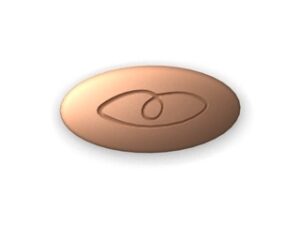
Triamcinolone (Corticosteroid) – Patient Information for the UK
Triamcinolone is a corticosteroid medicine used to reduce inflammation and calm an overactive immune response. In the UK, it may be supplied in different forms (such as tablets, injections, and topical preparations depending on the brand and indication). This page explains how triamcinolone works, what it is used for, how to take it safely, and what to expect.
Always check the specific strength and form of the triamcinolone product you have. Information below applies to triamcinolone as a class of medicines, but individual products and formulations may differ.
Key Product Information
- Medicine name: Triamcinolone
- Type: Corticosteroid (anti-inflammatory / immunosuppressant)
- Common forms in the UK: Tablets, injections, topical preparations (varies by product)
- How it’s used: Reduces swelling, redness, itching, and inflammation
- Who it may be suitable for: People with inflammatory or immune-related conditions, depending on the indication and severity
Important: Triamcinolone can affect your immune system and should be used according to the plan provided for your specific condition.
How Triamcinolone Works (Mechanism of Action)
Triamcinolone belongs to the group of medicines called glucocorticoids. These mimic natural hormones produced by your adrenal glands. Triamcinolone helps control inflammation by:
- Reducing inflammatory chemicals released by the immune system
- Decreasing immune cell activity involved in swelling and immune reactions
- Stabilising blood vessel responses to reduce leakage and swelling
- Suppressing certain immune pathways that drive symptoms in allergic and autoimmune conditions
The result is a reduction in symptoms such as pain, swelling, redness, itching, and breathing difficulty caused by inflammation.
Pharmacokinetics (How the Body Handles It)
Pharmacokinetics describes how the body absorbs, distributes, metabolises, and eliminates medicine. Triamcinolone behaviour depends on the formulation (oral tablets vs injections vs topical preparations).
General points
- Absorption: Oral triamcinolone is absorbed through the gut; topical absorption depends on skin condition and application site; injected forms act locally or systemically depending on route.
- Distribution: Triamcinolone spreads through the bloodstream and tissues.
- Metabolism: It is metabolised primarily in the liver.
- Elimination: Metabolites are eliminated mainly through the kidneys (urine).
Because it can suppress the body’s own steroid production when taken for longer periods, your clinician may adjust dose slowly rather than stopping suddenly, especially after sustained use.
What Triamcinolone Is Used For (Typical Use & Indications)
Triamcinolone is used to treat conditions where inflammation or immune activity contributes to symptoms. Exact indications vary with formulation.
Common treatment areas
- Allergic and inflammatory conditions (for example, allergic swelling)
- Skin inflammation (with topical preparations, for selected conditions)
- Joint and musculoskeletal inflammation (for example, certain inflammatory arthritis; often via local injections in specialist settings)
- Severe inflammatory episodes where rapid symptom control is important
- Some autoimmune-related conditions where immune suppression may reduce symptoms
Triamcinolone may be used short-term or longer-term depending on the condition. In all cases, the goal is usually the lowest effective dose for the shortest practical time.
When It Starts Working (Timing)
Timing can vary by route and condition.
- Oral tablets: Symptoms may improve within hours to a few days, with more noticeable improvement over several days. Some conditions may take longer.
- Topical preparations: Skin symptoms may start improving within 1–3 days, with better results over 1–2 weeks (depending on the condition).
- Injections: Local steroid injections often reduce pain and inflammation over days, sometimes with peak benefit within 1–2 weeks.
If symptoms worsen, do not “wait it out” without advice—contact your healthcare professional for guidance.
Food Interactions
In many cases, food does not significantly change how triomcinolone works, but some people may experience stomach irritation with oral steroids.
- Taking with food: If you experience indigestion, taking your dose with or after a meal may help.
- Grapefruit: As a general precaution with corticosteroids metabolised in the liver, it’s wise to avoid large amounts of grapefruit products unless your clinician advises otherwise.
- Gastro-protection considerations: Long courses may increase the risk of stomach irritation; your clinician may recommend preventive measures if needed.
Always follow the instructions specific to your product and your care plan.
Alcohol and Medicine Interactions
Triamcinolone may affect your body’s responses to alcohol indirectly through effects on the stomach, immune system, and overall health. Alcohol may also worsen certain conditions (such as gastric irritation) and can increase risk when combined with other medicines.
Practical guidance
- Occasional light alcohol: Usually not a problem for short courses for many people, but avoid if you feel unwell or if you’ve been advised to avoid alcohol.
- Avoid heavy or binge drinking: This can increase risk of infections and stomach problems, and can be harmful when combined with other medicines you may be taking.
- Check “overlap medicines”: If you take other medicines (for example, anti-inflammatories, anticoagulants, diabetes medicines, or stomach-protecting treatments), the interaction risk may increase.
If you are unsure, ask your pharmacist for personalised advice based on your current medicines and condition.
Safety Profile – Who Should Be Cautious?
Triamcinolone can be very effective but carries important risks. Safety depends on dose, duration, route, and your medical history.
Common side effects
- Raised blood sugar (particularly relevant for people with diabetes or pre-diabetes)
- Increased appetite and possible weight gain
- Fluid retention and swelling
- Stomach irritation (indigestion, heartburn)
- Headache
- Mood changes (including irritability or changes in sleep)
- Acne or skin changes (especially with topical or higher doses)
Serious risks (seek urgent advice)
Get medical attention promptly if you develop signs of serious infection or other emergencies, such as:
- High fever, severe sore throat, or rapidly worsening illness
- Shortness of breath or chest pain
- Severe allergic reaction symptoms (swelling of face/lips, difficulty breathing)
- Black/tarry stools or vomiting blood (potential severe stomach bleeding)
- Severe eye pain or sudden vision changes
Important long-term considerations
- Suppressed adrenal function: The body may reduce its own cortisol production during prolonged use. Do not stop suddenly after extended treatment.
- Bone thinning (osteoporosis): Risk increases with longer courses and higher doses.
- Increased infection risk: Immune suppression may make infections more likely or harder to recognise.
- Eye effects: Cataracts or glaucoma can occur with longer-term steroid use.
- Blood pressure and cholesterol changes: Steroids can affect cardiovascular risk factors.
Your clinician may monitor blood pressure, blood sugar, weight, bone health, and eyes depending on your treatment length.
Practical Use Tips (How to Take Triamcinolone Safely)
General dosing principles
- Use the lowest effective dose for the shortest time possible.
- Follow your schedule exactly. Consistency helps maintain symptom control.
- Do not stop abruptly if you’ve been taking it for more than a short duration—ask for tapering guidance.
Taking oral doses
- Consider timing in the morning: Many corticosteroids are taken earlier in the day to align with natural hormone rhythms, which may reduce insomnia.
- Take with food if stomach upset occurs.
- Use a reminder system: Tablets can be taken at a set time; setting an alarm may improve adherence.
Using topical preparations
- Apply a thin layer unless instructed otherwise.
- Avoid eyes, mouth, and genitals unless specifically directed.
- Do not cover with tight dressings unless your clinician tells you to.
- Wash hands after application (unless treating the hands).
After injections
- Injection administration should be performed by a trained healthcare professional.
- Report any severe pain, swelling, redness, or fever around the injection site.
If you miss a dose, the best action depends on your product and dosing schedule. For specific advice, ask your pharmacist or clinician.
Dosing – What to Expect
Dosing varies widely depending on the condition, formulation, severity, and patient factors (including age and comorbidities). Therefore, dosing below is presented as general guidance rather than a personalised schedule.
| Formulation | Typical dosing approach (general) | Notes |
|---|---|---|
| Oral tablets | Often given as a once-daily morning dose or split dosing, depending on indication. | Dose may be adjusted based on response and side effects. Longer courses usually require gradual reduction. |
| Topical | Applied once or twice daily in thin layers for a limited period. | Avoid use on large areas or under occlusion unless instructed. |
| Local injections | Given in selected joints or areas by a clinician. | Frequency depends on response and clinical judgement. It is not typically a daily treatment. |
Do not exceed the prescribed dose. If you feel the effect is too weak or too strong, speak to a healthcare professional rather than changing the dose yourself.
Alternatives to Triamcinolone
Depending on the condition and severity, alternatives may include other corticosteroids or steroid-sparing medicines. Your pharmacist or clinician can advise what is appropriate for your situation.
Possible alternative options
- Other corticosteroids: Prednisolone, dexamethasone, or hydrocortisone (selection depends on indication and formulation).
- Non-steroidal anti-inflammatory or symptom-relief medicines: depending on the condition (e.g., for pain/inflammation).
- Immunomodulators/DMARDs: for some chronic inflammatory or autoimmune conditions where long-term control is needed.
- Topical non-steroid anti-inflammatories: for certain skin conditions (availability depends on specific diagnosis).
- Biologic therapies: for selected immune-mediated diseases, typically under specialist care.
If you are trying to reduce steroid exposure due to side effects, discuss steroid-sparing strategies with your healthcare professional.
Recent Guidance and UK Context (Market / Legal Considerations)
In the UK, corticosteroids are widely used and are regulated medicines. Supply, access, and monitoring depend on the formulation and intended use. For online pharmacy services, medicines may be provided through appropriate channels in line with UK medicines legislation and pharmacy standards.
Good practice for corticosteroids in the UK typically emphasises:
- Right medicine, right dose, right duration
- Risk assessment for infection, osteoporosis, diabetes, glaucoma, and mood/sleep effects
- Patient education about not stopping abruptly and recognising side effects
- Monitoring for longer courses, including bone health and eye checks when appropriate
Guidance may evolve based on emerging evidence and national health recommendations. Always refer to the advice from your healthcare team for the most up-to-date plan for your condition.
Delivery and Availability in the UK
Availability of triamcinolone can vary by strength, formulation, and the specific product brand. Online pharmacies typically aim to provide:
- Clear product details (strength, form, and quantity)
- Secure packaging for safe delivery
- Delivery tracking where offered
- Customer support for questions about usage and timing
Delivery times may differ based on stock availability and your location within the UK. During peak demand, dispatch may take slightly longer. If you need the medicine urgently, contact the pharmacy before ordering.
Food, Medicine, and Condition Interactions
Triamcinolone interacts with some medicines and may be less suitable in certain conditions. The section below lists common interaction themes; always check your specific medicines list with your pharmacist.
Alcohol
- Moderation recommended: Alcohol may worsen stomach irritation and could increase risk when combined with other medicines.
Other medicines that may interact
- Non-steroidal anti-inflammatory drugs (NSAIDs) (e.g., ibuprofen, naproxen): may increase stomach irritation/bleeding risk.
- Blood thinning medicines (e.g., warfarin): steroid therapy can affect clotting control, requiring closer monitoring.
- Diabetes medicines (insulin or tablets): triamcinolone may raise blood sugar; dose adjustments may be needed.
- Antifungal medicines and certain antibiotics: some can affect steroid metabolism, potentially changing steroid levels.
- Vaccines: steroid treatment may affect vaccine response and may restrict use of certain live vaccines while on higher doses.
Medical conditions to mention before using
- Recent or ongoing infection (including chickenpox or shingles exposure)
- Diabetes or history of high blood sugar
- Gastric ulcers or history of gastrointestinal bleeding
- Glaucoma or cataracts
- Osteoporosis risk
- Psychiatric history (mood or sleep sensitivity)
If you are unsure, a pharmacist can review your current medicines and advise on interaction risk.
Safety Checklist Before You Start
Consider discussing the following with your healthcare professional if applicable:
- Have you been unwell recently, or had a fever?
- Any history of stomach ulcers or reflux symptoms?
- Any history of diabetes, glaucoma, cataracts, or osteoporosis?
- Do you take blood thinners or diabetes medication?
- Have you had recent vaccinations or do you plan any soon?
- Are you likely to be exposed to infections like chickenpox?
When to Get Urgent Medical Advice
Contact urgent medical services or seek urgent care if you experience:
- Signs of serious infection: high fever, severe shortness of breath, severe weakness, or confusion
- Severe allergic reactions: swelling of face/lips, wheezing, or difficulty breathing
- Severe stomach bleeding signs: vomiting blood or black stools
- Eye emergencies: severe eye pain or sudden vision changes
- Severe mood or behaviour changes, particularly if new or escalating
FAQ – Triamcinolone
1) Is triamcinolone a steroid?
Yes. Triamcinolone is a corticosteroid (a steroid medicine) that reduces inflammation and affects immune responses.
2) How long does triamcinolone take to work?
Improvement may start within hours to a few days for oral treatment, while topical products may show changes within days. Injections often improve symptoms over days, with fuller effect sometimes over 1–2 weeks.
3) Can I take it with food?
Many people can take it with or without food. If you get indigestion, taking your dose with a meal may help reduce stomach upset.
4) Can I drink alcohol while using triamcinolone?
Moderate alcohol may be acceptable for some people, but it can increase risk of stomach irritation and can worsen overall health. Avoid heavy drinking and ask a pharmacist if you are unsure or taking other medicines.
5) What happens if I miss a dose?
It depends on your schedule and formulation. If you are unsure, contact your pharmacist for advice. In general, do not double up unless instructed.
6) Should I stop triamcinolone suddenly?
Do not stop abruptly after longer courses without medical advice. Your body may need time to recover normal cortisol production (tapering is often recommended).
7) Are there long-term risks?
Yes. Longer or higher-dose steroid treatment can increase risk of infection, bone thinning, eye problems, blood sugar changes, and mood/sleep effects. Monitoring may be recommended for longer courses.
8) Does triamcinolone suppress the immune system?
It can. Steroids reduce immune activity, which is why people on triamcinolone may be more prone to infections or may experience atypical infection symptoms.
9) Can I have vaccinations?
Vaccine suitability depends on dose and timing. Some vaccines may be less effective or not recommended while on higher-dose steroid treatment, particularly live vaccines. Ask your pharmacist or clinician.
10) What alternatives could I ask about?
Alternatives depend on your condition and severity. Options may include other corticosteroids, topical non-steroidal treatments, or steroid-sparing immunomodulators or biologics for selected conditions.
Summary
Triamcinolone is an effective anti-inflammatory corticosteroid used for a range of immune- and inflammation-related conditions in the UK. It works by reducing inflammatory signals and dampening immune activity. Because it can affect the immune system, blood sugar, stomach, mood, and long-term bone/eye health—especially with longer courses—safe use depends on correct dosing, appropriate timing, and awareness of interactions (including alcohol and other medicines).
If you have questions about your specific triamcinolone product (tablets vs topical vs injection), or you want help understanding interactions with your current medicines, speak to a pharmacist.