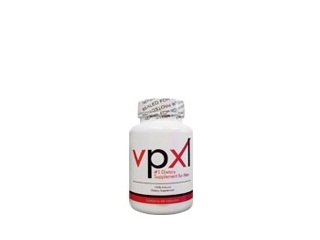

VPXL (vaburanocog & co.) — Patient Information Guide (UK)
VPXL is a medicine used to treat certain conditions in adults. This page is designed to help you understand what VPXL is, how it works, how it’s taken, and what to expect. It also covers common safety considerations, interactions (including alcohol), and practical tips for use.
Important: Always follow the advice of your healthcare professional and read the medicine label and any patient information leaflet provided with your medicine. Information below is general and may not cover all personal circumstances.
Quick facts about VPXL
- Medicine name: VPXL
- Medicinal ingredient: Varies by product presentation (please check your pack for the exact active substance and strength).
- Who it’s for: Adults meeting the indicated clinical criteria
- Common forms: Tablets/capsules/other oral presentations (check your pack)
- How it’s taken: By mouth, usually once daily or as directed
- Key considerations: Interactions with some other medicines and alcohol; timing matters
What VPXL is and what it’s used for
VPXL is used for the treatment of specific medical conditions as determined by your clinician. The exact indication depends on the active ingredient and formulation included in your VPXL pack.
Common reasons clinicians may prescribe medicines like VPXL-type therapies include:
- Improving symptom control in approved indications
- Reducing flare-ups or disease activity (where relevant to the product’s mechanism)
- Supporting long-term management as part of a treatment plan
Indications on your label/pack will describe the intended use. If you’re unsure why you were given VPXL, ask your pharmacist or clinician.
How VPXL works (mechanism of action)
The “mechanism of action” explains how the medicine produces its effect in the body. VPXL works by targeting specific biological pathways associated with the condition it treats. Depending on the exact active ingredient, the approach may involve one or more of the following:
- Modulating receptor activity (affecting how cells respond to natural signals)
- Reducing harmful signalling linked to disease activity
- Altering downstream biochemical processes that drive symptoms
Because VPXL can come in different presentations, the precise mechanism is best confirmed by the active substance listed on your packaging. In general, the goal is to restore or improve the body’s functioning in the relevant pathway.
Pharmacokinetics: what the body does to VPXL
“Pharmacokinetics” describes absorption, distribution, metabolism, and excretion—how the body handles VPXL over time. Exact values vary by formulation, dose, and individual factors, but typical patterns include:
Absorption
- VPXL is taken by mouth and is absorbed through the gastrointestinal tract.
- Absorption may be influenced by food (see “Food interactions” below).
Distribution
- The medicine travels in the bloodstream and may bind to plasma proteins.
- It reaches target tissues as determined by its chemical properties.
Metabolism
- VPXL is typically metabolised by the liver and/or other metabolic pathways.
- Some medicines can affect metabolism and therefore change VPXL levels.
Elimination
- VPXL is eliminated mainly via renal (urine) and/or faecal routes.
- Kidney or liver impairment can change how quickly the medicine leaves the body.
Why this matters: Pharmacokinetic differences can influence both effectiveness and side effects. That’s one reason clinicians may adjust dose or monitor more closely in certain patients.
Typical use and treatment timing
VPXL is generally used as part of a structured treatment plan. How often you take it and for how long depends on:
- Your diagnosis/indication
- Your medical history
- Other medicines you take
- How well you tolerate VPXL
Common dosing schedule
Many oral medicines in this category are taken:
- Once daily (for some formulations)
- At the same time each day to keep blood levels steadier
Starting and adjusting
- Your clinician may start at a lower dose, then adjust if needed.
- Do not change your dose without medical advice.
How to take VPXL (dosing guidance)
Always follow the dose on your label and the instructions you were given. Below is general educational guidance—your pack and clinician instructions take priority.
General dose principles
- Swallow tablets whole unless your pharmacist advises otherwise.
- Use consistent timing (e.g., morning or evening) based on your prescribed schedule.
- Do not double up if you miss a dose—follow the “missed dose” instructions provided with your medicine.
Typical adult dosing (illustrative)
Because strengths and dosing frequency vary, refer to your specific VPXL pack for the exact regimen. In many UK medicines, adult dosing is described by:
- Number of tablets/capsules per day
- Strength per unit
- Whether with or without food
| Consideration | General approach |
|---|---|
| Starting dose | Use the prescribed dose as written on your label. |
| Long-term use | Continue for the duration advised by your clinician; do not stop suddenly unless instructed. |
| Missed dose | Follow the leaflet/label advice. Many medicines advise taking it when remembered unless close to the next dose. |
| Special populations | Dose adjustments may be needed in kidney/liver impairment or older adults. |
Monitoring: Some treatments require periodic review (symptoms, blood tests, or other assessments). Ask your pharmacist what monitoring is expected for your indication.
Food interactions: can you take VPXL with meals?
Food interactions depend on the exact formulation. For some medicines, food can increase, decrease, or delay absorption. For others, taking with food may reduce stomach upset.
Check your pack for the precise instruction. In general, consider the following:
- If your label says “with food”, take it during or after a meal.
- If your label says “without food”, take it on an empty stomach or at least a defined interval away from meals (e.g., one hour before or two hours after, depending on the medicine).
- If you usually eat at irregular times, try to keep your routine consistent so absorption stays more predictable.
If you’re unsure whether VPXL should be taken with food, ask your pharmacist. If the medicine leaflet includes any specific guidance about meals, fasting, grapefruit, or high-fat meals, follow that advice.
Alcohol interactions and practical advice
Alcohol can affect both side effects and how your body processes medicines. For VPXL-type treatments, alcohol may:
- Increase risk of dizziness, sleepiness, nausea, or stomach irritation (depending on the medicine’s profile)
- Worsen dehydration or fatigue
- Interfere with liver metabolism for medicines processed in the liver
Practical guidance:
- If you want to drink alcohol, discuss it with your healthcare professional—especially if you’re taking other medicines that also affect the brain or liver.
- Avoid heavy drinking and never use alcohol to “test” tolerance.
- If you feel unwell after drinking while taking VPXL (e.g., marked dizziness, persistent vomiting, unusual drowsiness), seek medical advice promptly.
Medicine interactions (including OTC and herbal products)
Interactions occur when VPXL and another medicine change each other’s absorption, metabolism, or effects. To help reduce risk:
- Tell your pharmacist about all medicines you take, including OTC products and supplements.
- Include medications taken “as needed,” such as painkillers, sleep aids, or cold remedies.
- Be cautious with herbal remedies and “natural” supplements.
Common interaction categories
While the exact list depends on the active ingredient, medicines in VPXL may interact with:
- Other prescription medicines that affect liver enzymes or transporters
- Antacids or medicines that strongly alter stomach acidity (if relevant to your formulation)
- Strong inducers or inhibitors of drug-metabolising enzymes (which can lower or raise VPXL levels)
- Medicines affecting bleeding (if your condition or VPXL profile relates to clotting)
- Sedatives or medicines that can cause drowsiness
What to do if you start a new medicine
- Ask your pharmacist whether it’s safe to take alongside VPXL.
- If a new medicine causes side effects, seek advice rather than stopping abruptly without guidance.
Safety profile: side effects and when to get help
All medicines can cause side effects. Many are mild and improve as your body adjusts. However, some effects require urgent medical attention.
Common side effects (may include)
Depending on the exact active ingredient, common or mild side effects might include:
- Nausea or stomach discomfort
- Headache
- Dizziness
- Fatigue
- Dry mouth or changes in appetite
Less common but important risks
- Allergic reactions (rash, swelling, difficulty breathing)
- Severe skin reactions (rare but serious)
- Unusual bleeding or bruising (if the medicine affects clotting pathways)
- Changes in mood or behaviour (if relevant to the mechanism)
Seek urgent medical advice if
- You develop signs of anaphylaxis (face/lip swelling, wheeze, severe difficulty breathing)
- There is severe chest pain, fainting, or a sudden severe worsening of symptoms
- You have persistent vomiting, severe abdominal pain, or signs of dehydration
- You notice yellowing of the skin/eyes or dark urine (possible liver-related issues)
Reporting side effects: In the UK, suspected side effects can be reported via the Yellow Card scheme (MHRA). Your pharmacist can provide details.
Practical use tips (to get the most from VPXL)
- Set a routine: Choose a consistent time and link it to a daily habit (e.g., after breakfast).
- Use a pill organiser: Helps reduce missed doses (but ensure correct strength and instructions).
- Keep the pack accessible: So you can confirm the strength and “with/without food” guidance.
- Check prescriptions and labelling carefully: Confirm you have the right strength and dosing instructions.
- Stay alert to interactions: If you start a new medicine or supplement, check first.
- Track symptoms: Note any changes in symptoms or side effects, especially during the first few weeks.
Alternative options (discuss with your clinician)
The best alternative depends on the exact diagnosis and the active ingredient in your VPXL pack. If VPXL isn’t suitable, your healthcare professional may consider alternatives such as:
- Different formulations of the same therapeutic class (e.g., immediate-release vs modified-release, if available)
- Medicines with a similar target but different active ingredients
- Non-medicine approaches (where appropriate to your condition), such as lifestyle interventions or therapy
Ask your pharmacist what other options are available in the UK for your specific indication, including whether switching would require a tapering schedule or a washout period.
UK market and legal context (what this means for patients)
In the United Kingdom, medicines are regulated to ensure safety, quality, and effectiveness. Availability can vary depending on whether the product is:
- Authorised by the Medicines and Healthcare products Regulatory Agency (MHRA)
- Listed for use under specific conditions
- Supplied through licensed channels (pharmacies and approved wholesalers)
Authorisation status and guidance may be updated as new evidence emerges. UK clinical practice can also change over time following guidance reviews and safety communications.
Note: If VPXL is not authorised for your specific use, your pharmacist or clinician will advise appropriate alternatives.
Recent guidance and updates (how to stay informed)
Guidance for medicines can change due to:
- Updated clinical guidelines for the condition
- Safety communications from UK regulators
- Supply or formulation changes
To ensure you have the most current information, check:
- The patient leaflet included in your VPXL box
- Updates from your prescriber or pharmacist
- Any MHRA safety communications if relevant
Delivery and availability in the UK
Online pharmacies in the UK typically offer home delivery or local collection depending on the product’s regulatory status and stock levels.
Availability considerations
- Stock levels: VPXL availability may fluctuate due to supply chain demands.
- Strength and formulation: Ensure you order the correct strength and pack type.
- Delivery times: Delivery estimates are usually shown at checkout and may vary by location.
Delivery best practices
- Order with sufficient time to avoid running out.
- Keep medicines in the original packaging and follow storage instructions on the pack.
- If your delivery is delayed, contact the online pharmacy for guidance on alternative options.
Storage: Check the label for temperature and light-protection instructions. Many oral medicines should be stored at room temperature away from direct sunlight and moisture.
FAQ about VPXL
1) How soon will VPXL start working?
Some people notice symptom improvement within days, while others may take weeks. The time frame depends on the condition, dose, and individual factors. If you’re not seeing improvement or you’re getting worse, contact your clinician or pharmacist for advice.
2) What should I do if I miss a dose?
Follow the specific “missed dose” instructions in your patient leaflet or on the label. In general, many medicines advise taking the missed dose when you remember unless it’s close to the next scheduled dose—do not double up. If you’re unsure, ask a pharmacist.
3) Can I take VPXL with food?
That depends on your exact formulation. Some VPXL presentations should be taken with meals, while others may require an empty stomach or a set interval from food. Check your pack instructions. If there’s no clear advice, ask your pharmacist.
4) Can I drink alcohol while taking VPXL?
Alcohol may increase side effects and affect how your body handles the medicine. It’s best to limit or avoid alcohol unless your clinician or pharmacist says it’s safe for you. If you choose to drink, do so moderately and monitor how you feel.
5) Are there medicines or supplements I should avoid?
Potential interactions can occur with some prescription medicines, OTC treatments, antacids, and herbal supplements. Provide a full list of what you take to your pharmacist to check safety.
6) What side effects are most common?
Common side effects vary by active ingredient but may include nausea, headache, dizziness, and fatigue. If side effects are severe, persistent, or worsening, seek medical advice promptly.
7) Who should take extra care with VPXL?
Extra caution may be needed for people with liver or kidney impairment, older adults, people taking multiple medicines, and anyone with a history of medication allergies. Your clinician may adjust the dose or monitor more closely.
8) Is VPXL safe to stop suddenly?
Do not stop VPXL without advice from your clinician. Some medicines can lead to worsening symptoms if stopped abruptly. If you want to stop, discuss a safe plan with your healthcare professional.
9) Can I drive or operate machinery?
If VPXL makes you feel dizzy, drowsy, or unwell, avoid driving or using machinery. See how you respond to the first doses, and follow local advice provided by your clinician or pharmacist.
10) How long can I store VPXL once opened/received?
Use the expiry date printed on the pack and follow storage instructions. Do not use the medicine after the expiry date. If you have concerns about storage conditions during delivery, contact the pharmacy.
Need personalised advice? If you tell your pharmacist the exact strength and active ingredient listed on your VPXL pack, they can provide tailored guidance on interactions, timing, and what to expect for your specific condition.