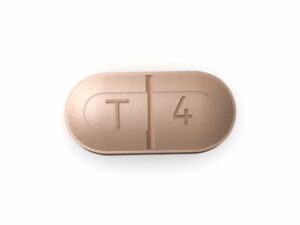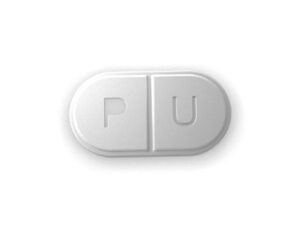


Cytomel (Liothyronine) – Patient Information
Cytomel contains liothyronine, a man‑made form of the thyroid hormone triiodothyronine (T3). It is used to treat conditions where thyroid hormone levels are too low or where T3 is needed as part of thyroid management.
This guide is written for people in the United Kingdom and aims to be clear and practical. It does not replace advice from your prescriber or pharmacist.
Quick facts
- Active ingredient: Liothyronine (T3)
- Drug class: Thyroid hormone replacement
- Common use: Hypothyroidism and selected thyroid-related situations
- How it works: Replaces or supplements thyroid hormone in the body
- Typical form: Tablets (strength depends on product)
- Key tips: Take consistently, and discuss timing with your pharmacist—especially with other medicines and supplements
Basic product information
Cytomel is a brand of liothyronine. Liothyronine is absorbed from the gut and used by the body to regulate metabolism, energy use, growth, and many body functions.
In the UK, liothyronine is used in selected clinical scenarios and is also sometimes considered when patients cannot tolerate, do not respond adequately to, or prefer alternatives to levothyroxine (T4) therapy.
| Category | Information |
|---|---|
| Generic name | Liothyronine |
| Brand name | Cytomel |
| Therapeutic use | Thyroid hormone replacement (often for hypothyroidism in specific circumstances) |
| Main hormone replaced | T3 (triiodothyronine) |
| Route | Oral (by mouth) |
Mechanism of action (how Cytomel works)
Thyroid hormones act in almost every tissue. Liothyronine (T3) enters cells and binds to thyroid hormone receptors, influencing gene activity that controls:
- Metabolism: how fast the body uses energy
- Heart function: effects on heart rate and strength
- Body temperature and energy levels
- Brain development and function
- Growth and tissue repair
- Cholesterol and fat metabolism
- Digestive activity
In hypothyroidism, the body’s tissues receive too little thyroid hormone. Cytomel helps restore thyroid hormone levels, allowing metabolic processes to return closer to normal.
Pharmacokinetics (how your body handles it)
Pharmacokinetics describes what the body does to the medicine—absorption, distribution, metabolism, and elimination.
- Absorption: Liothyronine is absorbed from the gastrointestinal tract. The exact rate can vary between individuals.
- Onset: Because liothyronine is already the active T3, effects can be noticeable earlier than with levothyroxine (T4), but symptoms and lab values take time to settle.
- Distribution: Thyroid hormones circulate in the blood and bind to transport proteins.
- Metabolism: T3 can be converted and metabolised within the body, and it participates in the thyroid hormone balance.
- Elimination: Thyroid hormones clear from the body through metabolic pathways. Overall, steady state may take time depending on dose changes and individual factors.
Practical implication: Because T3 can act relatively quickly, dose adjustments may be felt sooner. This makes careful titration and monitoring important.
Typical uses in clinical practice (indications)
Liothyronine is used to treat thyroid-related conditions where T3 replacement is appropriate. Indications can vary based on local practice and patient factors.
Common indications include:
- Hypothyroidism: replacing thyroid hormone in people who need T3-based treatment.
- Selected cases of hypothyroidism not adequately controlled on alternative therapy, or when a combination strategy is considered by clinicians.
- Some special circumstances where T3 is preferred or required (your clinician will advise based on your situation).
Because thyroid management is highly individual, your healthcare team will tailor your treatment goals and monitoring plan.
Timing and how to take Cytomel
When to take it
Many people take liothyronine once or twice daily, depending on their dose plan. Your prescriber/pharmacist will tell you the schedule that fits your situation.
Consistency matters: Try to take Cytomel at the same times each day.
With or without food
- You may be advised to take it on an empty stomach or with a consistent relation to meals, depending on how your body responds.
- If you notice symptoms fluctuate depending on meals, discuss timing with a pharmacist.
Missed dose
- If you miss a dose, take it as soon as you remember unless it is close to the time for the next dose.
- Do not double the next dose.
- If you are unsure what to do, contact a pharmacist for advice.
Food interactions (what to watch for)
Some foods and drinks can affect how thyroid medicines work, primarily by altering absorption or how hormones behave in the body.
- High-fibre diets: can sometimes reduce absorption of thyroid medicines in some people.
- Calcium and iron-rich foods: not usually a major issue from food alone, but high intakes may contribute to absorption problems when combined with supplement medicines.
- Soy products: may interfere with thyroid hormone absorption in some cases.
- Grapefruit and similar products: generally less of a concern for thyroid hormones than for many other medicines, but it’s best to keep your diet consistent.
Most important: Keep your diet changes steady and inform your healthcare team if you start a significant dietary change (for example, switching to a high-fibre supplement, soy-based diet, or a new weight-loss regimen).
Alcohol interactions
For most people, moderate alcohol intake is not expected to directly interact with liothyronine.
- However: excessive alcohol may affect nutrition, liver function, and general health—factors that can indirectly influence thyroid hormone balance.
- If you drink alcohol, aim for moderation and keep it consistent.
- If you have liver disease or other complex health conditions, ask a clinician or pharmacist for advice tailored to you.
Medicine interactions (important examples)
Several medicines and supplements can affect thyroid hormone absorption or thyroid hormone levels. Always check interactions when starting or stopping other medicines.
Medicines that may reduce absorption
These medicines can bind to thyroid hormone or reduce absorption in the gut. Your pharmacist may recommend separating doses by several hours:
- Iron supplements
- Calcium supplements
- Magnesium-containing antacids
- Aluminium-containing antacids
- Sucralfate
- Bile acid sequestrants (used to lower cholesterol)
Medicines that may affect thyroid hormone levels
- Amiodarone (affects thyroid function)
- Some anti-epileptic medicines (may affect thyroid hormone metabolism)
- Oestrogens (including hormone replacement therapy or oral contraceptives) can alter thyroid-binding proteins
- Glucocorticoids (can affect thyroid hormone levels
- Biotin (vitamin B7) in high doses can interfere with lab tests, which may affect monitoring decisions
Advice on separation
If you take interacting supplements such as iron or calcium, a common practical approach is to space them away from Cytomel by several hours (your pharmacist can specify a suitable interval for your regimen). Do not change timing without guidance if you are close to a dose adjustment.
Dosing (how much and how it’s adjusted)
Thyroid hormone dosing is personalised. The right dose depends on:
- Your thyroid condition and symptoms
- Your age and weight
- Other health conditions (especially heart disease)
- Your blood test results (particularly TSH and thyroid hormone levels)
Important: Follow your clinician’s instructions exactly. Cytomel should not be adjusted frequently without monitoring.
Typical approach
- Start low and increase gradually if needed—especially in older adults or those with heart problems.
- Monitor labs after dose changes to confirm the body’s response.
When monitoring is needed
After starting or changing the dose, blood tests are usually checked after an interval chosen by your clinician. This allows hormone levels to stabilise. T3 can act relatively quickly, so monitoring schedules may be planned differently compared with T4 alone.
If you experience symptoms of over-replacement or under-replacement, contact your healthcare team promptly.
Safety profile and side effects
Cytomel is generally well tolerated when dosed correctly. Taking too much can cause symptoms of thyroid hormone excess (hyperthyroidism), while taking too little can leave hypothyroid symptoms unresolved.
Common symptoms of excess thyroid hormone
- Fast or irregular heartbeat (palpitations)
- Tremor
- Anxiety or feeling unusually energetic
- Heat intolerance and sweating
- Unintentional weight loss
- Diarrhoea or increased bowel movements
- Insomnia
Serious side effects (seek urgent medical advice)
- Chest pain or severe shortness of breath
- Fainting or severe dizziness
- Markedly fast heart rate, especially if persistent
- New severe symptoms suggesting a significant change in thyroid status
Special considerations
- Heart disease: T3 can increase strain on the heart. People with angina, arrhythmias, or a history of heart disease require careful dosing and monitoring.
- Pregnancy: Thyroid hormone needs can change. Management should be closely monitored by a clinician.
- Children: Dosing must be carefully calculated and monitored.
Stop or adjust only with advice: Never stop thyroid hormone abruptly unless instructed by your clinician. If side effects appear, contact a pharmacist or healthcare professional promptly.
Practical use tips (to get the best results)
- Take it the same way each day: consistent timing and relation to meals helps maintain stable hormone levels.
- Use a medication organiser: helps reduce missed doses.
- Keep a symptom diary: especially after starting or adjusting dose (energy, heart rate, sleep, bowel habits).
- Review supplements: iron, calcium, magnesium, and high-dose biotin can affect absorption and blood tests.
- Be cautious with “natural” thyroid products: Some supplements may contain iodine or other active ingredients that can alter thyroid function.
- Don’t share your medicine: thyroid dosing is not transferable between individuals.
Alternative options
Thyroid replacement therapy options may include:
- Levothyroxine (T4) – commonly used as first-line thyroid hormone replacement in many cases.
- Combination therapy (T4 and T3) – used in selected circumstances based on response and clinician judgement.
- Natural desiccated thyroid – available in some settings but may vary in content; suitability depends on local availability and clinical guidance.
Your clinician can explain which option best matches your diagnosis, lab results, symptoms, and preferences.
UK market and legal context (availability and prescribing practice)
In the UK, liothyronine products are regulated medicines. Availability and access can depend on:
- Local formulary practices (what is preferred in a given service)
- Clinical guidance and patient-specific factors
- Supply and stock from manufacturers and wholesalers
Thyroid medicines may have different brand names and strengths. Your pharmacist can help ensure you receive the correct product and dosage form for your treatment plan.
Note: Access pathways vary—so if you have questions about whether you can obtain Cytomel through your usual route, ask a pharmacist for local advice.
Recent guidance and monitoring (UK context)
Thyroid management in the UK commonly emphasises:
- Regular monitoring of thyroid function blood tests (commonly TSH and free T4, with clinician-specific use of free T3 depending on context).
- Gradual dose changes and careful review of symptoms and side effects.
- Assessment of interactions (for example, supplements and medicine timing).
- Individualised care for symptoms, comorbidities, pregnancy plans, and age-related factors.
Because evidence around different thyroid preparations continues to evolve, guidance may be updated over time. Your healthcare team will follow the most appropriate, up-to-date recommendations for your condition.
Delivery and availability (what to expect when ordering online)
Availability can vary depending on stock levels from suppliers. When ordering Cytomel online:
- Check strength and pack size: liothyronine comes in different strengths—ensure it matches your required dose.
- Delivery times: depend on supplier dispatch schedules, courier routes, and address.
- Cold-chain: thyroid tablets typically do not require special temperature storage for delivery under normal conditions.
- Packaging: medicines should arrive in secure, tamper-evident packaging.
If an item is temporarily unavailable, you may be offered alternatives (such as a different brand or strength) or notified of expected restock times—subject to policy and local availability.
Storage
- Store at room temperature as stated on the packaging.
- Keep tablets in the original container to protect from moisture.
- Keep out of sight and reach of children.
- Do not use after the expiry date on the pack.
FAQ
1) What is Cytomel used for?
Cytomel (liothyronine) is used to treat thyroid hormone deficiency (hypothyroidism) and certain selected thyroid-related situations where T3 replacement is considered appropriate.
2) How quickly will I feel the effects?
Some effects may be noticed sooner because T3 is an active hormone. However, overall symptom improvement and stable blood test results can take longer. Your clinician will monitor and adjust the dose carefully.
3) Should I take Cytomel in the morning or at night?
Many people take it earlier in the day to reduce the risk of insomnia. The best time for you depends on your schedule and symptoms. If you feel wired or have trouble sleeping, speak to a pharmacist about timing.
4) Can I take Cytomel with food?
Some people take it with or without food, but absorption can vary. If your results or symptoms are inconsistent, ask your pharmacist whether taking it on an empty stomach (or with a consistent meal pattern) would suit you.
5) What supplements should I avoid around the time I take Cytomel?
Iron, calcium, magnesium, and aluminium antacids can affect absorption. It is often recommended to separate these from thyroid hormone by several hours. Ask your pharmacist for an interval that fits your regimen.
6) Does biotin affect thyroid blood tests?
Yes. High-dose biotin can interfere with some laboratory assays and cause misleading results. Inform your healthcare team if you take biotin, and ask whether you should pause it before blood tests.
7) Is alcohol safe while taking Cytomel?
Moderate alcohol is generally not expected to interact directly with liothyronine. However, excessive alcohol can affect overall health and nutrition. Keep intake moderate and consistent.
8) What should I do if I miss a dose?
Take it when you remember unless it is near the time of the next dose. Do not double up. If you are unsure, contact a pharmacist for guidance.
9) What are the signs that my dose may be too high?
Possible signs include palpitations, tremor, anxiety, heat intolerance, sweating, insomnia, weight loss, or diarrhoea. Contact your healthcare team promptly if these occur.
10) Are there alternatives to Cytomel?
Yes. Levothyroxine (T4) is commonly used, and in some cases combination therapy may be considered. The best alternative depends on your diagnosis, lab results, symptoms, and medical history.
Always seek advice if you are unsure about interactions, timing, or dose changes—especially if you have heart conditions, are pregnant, or start new medications or supplements.