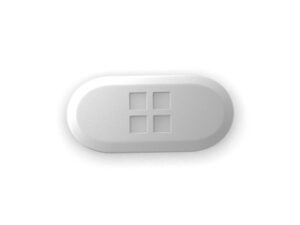
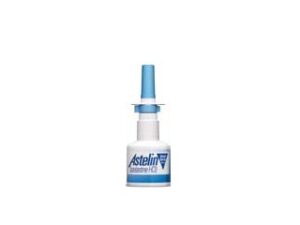
Allegra (Fexofenadine) – Allergy Relief for Adults and Children
Allegra is an antihistamine medicine containing fexofenadine, used to relieve symptoms caused by allergies. It is commonly used for hay fever (allergic rhinitis) and urticaria (hives). Allegra works by reducing the effects of histamine, a substance your body releases during an allergic reaction.
This patient-friendly guide explains how Allegra works, when to take it, key interactions (including food, alcohol, and other medicines), dosing for common age groups, safety information, and practical tips to help you use it effectively in the UK.
Quick Product Information
- Active ingredient: Fexofenadine
- Common uses (UK): Hay fever (seasonal allergic rhinitis); hives (chronic urticaria/urticaria)
- Type of medicine: Non-drowsy (second-generation) antihistamine
- How it’s taken: Usually by mouth, once daily for hay fever; dosing varies by indication and age
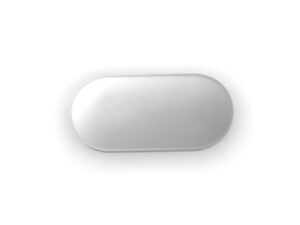
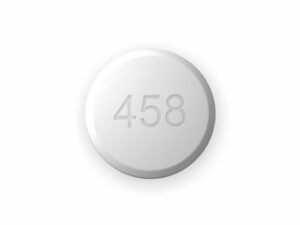
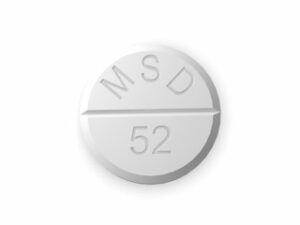
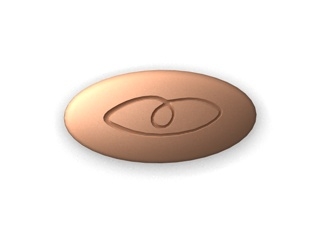
- Available forms: Tablets/suspension (depending on product and strength)
Note: Always check your specific pack (strength and age suitability) or follow advice from your healthcare professional/pharmacist.
How Allegra Works (Mechanism of Action)
Allergies often involve the release of histamine. Histamine attaches to H1 receptors in the body, leading to symptoms such as:
- sneezing
- itchy/watery eyes
- runny or blocked nose
- itching and swelling in hives
Fexofenadine is a second-generation antihistamine. It selectively blocks H1 receptors. By blocking histamine’s action, Allegra can help reduce allergic symptoms.
Because it is second-generation, fexofenadine is generally associated with less drowsiness than older antihistamines (though some people may still feel sleepy).
Pharmacokinetics: How the Body Handles Fexofenadine
“Pharmacokinetics” describes what happens to a medicine after you take it.
- Absorption: Fexofenadine is absorbed from the gut, but absorption can be reduced by certain drinks (notably fruit juices rich in specific sugars).
- Onset: Symptoms often begin to improve within about 1–3 hours after taking a dose.
- Peak effect: The medicine reaches maximum concentration relatively within a few hours.
- Half-life: The elimination half-life is typically around 10–15 hours (can vary by individual).
- Elimination: Fexofenadine is mainly cleared from the body via bile/faeces and urine.
If you have kidney impairment, levels may rise and you may need dosing adjustments—ask your pharmacist for advice.
Typical Uses in the UK
Allegra is commonly used to treat:
- Hay fever (allergic rhinitis): relief of sneezing, runny nose, itchy nose, and itchy/watery eyes.
- Urticaria (hives): reduction of itching and number/size of hives.
It may be used seasonally (for hay fever) or long-term under medical guidance in conditions such as chronic urticaria.
When to Take Allegra: Timing & Expected Relief
Many people prefer taking Allegra at the same time each day for consistent symptom control.
Common timing guidance
- Hay fever: commonly taken once daily (follow the pack or your pharmacist’s advice).
- Urticaria: dosing may also be once daily depending on age/strength and local product instructions.
How soon will it work?
- Some symptom relief may start within 1–3 hours.
- For best control, continue daily dosing during the period you’re exposed to allergens.
Practical tip: If your symptoms tend to be predictable (e.g., seasonal pollen), starting a day or two before symptoms begin can help some people.
Food Interactions: What to Know
Food and drink can affect how much fexofenadine you absorb. The most important issue is fruit juice.
- Fruit juices (especially grapefruit and orange/apple): may reduce absorption and lower the effect of fexofenadine.
- Taking with water: is usually the safest and simplest option.
General advice: Take your dose with water, and avoid taking it at the same time as fruit juice. If you routinely drink fruit juice, speak to a pharmacist for personalised timing advice.
Alcohol and Medicine Interactions
Alcohol
Fexofenadine is generally less sedating than older antihistamines. However, alcohol can still increase drowsiness in some people. For best safety, consider avoiding or limiting alcohol—especially if you notice any sleepiness after taking Allegra.
Important medicine interactions
Certain medicines can affect absorption or clearance. Always check with a pharmacist if you take other medicines regularly.
- Antacids containing aluminium or magnesium: can reduce absorption. If you use antacids, consider separating doses by at least 2 hours (or as advised by a pharmacist).
- Other antihistamines or allergy medicines: avoid accidental double-dosing. Using multiple H1 antihistamines together may increase side effects without improving benefit.
- Rifampicin: may affect levels of some medicines; discuss if you are taking strong enzyme inducers.
- Kidney-related medicines: if you have kidney problems, always seek advice about suitability and dosing.
This is not a complete list. For UK consumers, product packaging and the patient information leaflet provide interaction details for your specific formulation.
Indications: What Allegra Treats
Indications means the conditions a medicine is used to treat. For Allegra in the UK, typical indications include:
- Seasonal allergic rhinitis (hay fever): symptoms such as sneezing, nasal congestion, runny nose, itching of the nose/throat, and itchy/watery eyes.
- Urticaria (hives): itching and the appearance of hives.
Always use Allegra for the condition described on your pack or as recommended by a healthcare professional.
Dosing Information (Typical Adult and Child Use)
Dosing depends on the condition being treated, the patient’s age, and the strength/formulation of the product you have.
Please check your specific pack strength and the age ranges listed in the leaflet. Below are typical dosing examples seen in practice, but always follow the pack instructions.
| Use | Typical dosing pattern | Age considerations |
|---|---|---|
| Hay fever (allergic rhinitis) | Often taken once daily | Follow pack instructions by age. Some formulations are suitable for adults only; others for children. |
| Urticaria (hives) | Often taken once daily | Children’s dosing varies by product strength and age—confirm on the pack. |
Important: Do not exceed the recommended dose shown on the pack. If symptoms persist or worsen, speak to a pharmacist or clinician.
Missed dose
- If you miss a dose, take it when you remember unless it’s nearly time for your next dose.
- Do not double doses to make up for a missed one.
Overdose advice
If you accidentally take more than recommended, seek advice immediately from a healthcare professional or NHS services. If severe symptoms occur (for example, unusual sleepiness, fainting, or rapid worsening), seek urgent medical help.
Safety Profile: Side Effects and Who Should Be Cautious
Like all medicines, Allegra can cause side effects. Many people experience no side effects or only mild, temporary symptoms.
Common or mild side effects
- Headache
- Nausea or stomach discomfort
- Dry mouth
- Fatigue
- In some people: mild dizziness
Seek urgent medical help if you experience signs of an allergic reaction
- Swelling of the face, lips, tongue, or throat
- Difficulty breathing or swallowing
- Severe rash or hives that rapidly worsen
Who should take extra care
- People with kidney impairment: may need dose adjustments.
- People taking multiple medicines: check interactions (especially antacids and other antihistamines).
- People who have previously found antihistamines sedating: avoid driving or operating machinery if you feel drowsy.
Pregnancy and breastfeeding
If you are pregnant, trying to conceive, or breastfeeding, discuss suitability with a pharmacist or clinician. They can help weigh benefits and risks for your specific situation.
Practical Use Tips for Better Symptom Control
- Take with water: helps reduce variability in absorption.
- Avoid fruit juice around dosing: particularly grapefruit and some citrus/fruit juices.
- Use consistently during exposure: pollen seasons and other triggers can last weeks—stopping too early may allow symptoms to return.
- Manage the environment: shower and change clothes after outdoor exposure, keep windows closed on high pollen days, and consider HEPA filtration indoors.
- For eye symptoms: lubricating eye drops may complement antihistamines (ask a pharmacist for options).
- For persistent severe symptoms: nasal corticosteroid sprays are often more effective for blocked nose than antihistamines alone. A pharmacist can guide you on choosing the most appropriate combination.
Alternative Options (UK Allergy Relief Choices)
If Allegra isn’t suitable or doesn’t provide enough relief, there are several alternatives. Which option is best depends on your symptoms (nose, eyes, skin), triggers, and your medical history.
Other antihistamines
- Loratadine, cetirizine, levocetirizine: different second-generation antihistamines with similar goals.
- Where drowsiness matters: some people find certain antihistamines more or less sedating—trial under normal conditions may help.
Non-antihistamine options
- Intranasal corticosteroid sprays (commonly used for hay fever): often improve nasal blockage and congestion more effectively.
- Eye drops (for allergic conjunctivitis): can target itchy/watery eyes directly.
- Skin treatments for urticaria: some people may need additional measures guided by a clinician.
Advice: Speak to a pharmacist if you want to switch products—especially if symptoms are frequent, severe, or you’re using multiple allergy treatments.
Market and Legal Context in the United Kingdom
In the UK, fexofenadine and similar allergy medicines are widely available via pharmacies. Depending on the product and strength, availability may be over-the-counter (OTC) for certain age groups and indications, subject to UK regulatory and labelling requirements.
UK consumers should rely on:
- the patient information leaflet (PIL) supplied with the medicine
- pack instructions for age, dosing, and contraindications
- pharmacist advice where symptoms are complex, recurrent, or involve other health conditions
Recent Guidance and Seasonal Allergy Considerations
UK clinical practice generally supports a stepwise approach to allergy management:
- Start appropriate treatment early during pollen seasons.
- For blocked nose, consider that nasal steroid sprays often provide stronger relief than antihistamines alone.
- Use combined approaches when symptoms affect multiple areas (nose, eyes, skin).
- Continue monitoring if you need medicines daily for long periods—this can indicate a need to review triggers and the most effective plan.
Recommendations can evolve, so it’s sensible to check updated pharmacy/clinical advice during peak seasons.
Delivery and Availability (UK Online Pharmacy)
Allegra is commonly stocked by UK online pharmacies, and availability may vary by strength and formulation. Delivery options may include standard and express services depending on your postcode.
- In-stock items: typically dispatched promptly after payment.
- Delivery tracking: many shipments include tracking for easier monitoring.
- Packaging: medicines are usually supplied in secure, manufacturer-approved packaging.
Always store according to the instructions on the pack. Keep out of sight and reach of children.
Frequently Asked Questions (FAQ)
1) Is Allegra non-drowsy?
Fexofenadine is generally considered “less likely” to cause drowsiness than older antihistamines. However, individual responses vary. If you feel sleepy, avoid driving or operating machinery and ask a pharmacist for advice.
2) How long does it take to work?
Many people notice relief within about 1–3 hours. Continue taking it as directed for best symptom control during exposure.
3) Can I take Allegra with fruit juice?
It’s best to avoid fruit juice around the time you take Allegra, as it may reduce absorption and effectiveness. Take with water instead.
4) Can I drink alcohol while taking Allegra?
Alcohol may increase the chance of drowsiness in some people. If you notice sleepiness, limit alcohol and avoid activities requiring alertness.
5) What should I do if my symptoms don’t improve?
If symptoms persist, consider discussing your treatment plan with a pharmacist. For example, blocked nose may respond better to nasal steroid sprays. Also check that you’re taking the dose correctly and consistently.
6) Can I take Allegra with other allergy medicines?
You should avoid accidentally doubling up on antihistamines. If you want to use other allergy products (e.g., eye drops or nasal sprays), a pharmacist can help you choose a safe combination.
7) Is Allegra suitable for children?
Suitability depends on the child’s age and the exact product formulation/strength. Always follow the pack instructions and ask a pharmacist if unsure.
8) Are there people who should not use Allegra?
Most people can use fexofenadine if it matches their symptoms and they follow dosing instructions. However, extra caution is needed for those with kidney problems or those with medication interactions (such as certain antacids). Check the pack leaflet and speak to a pharmacist for personal advice.
9) How should I store Allegra?
Store according to pack instructions—typically at room temperature and away from moisture and direct sunlight. Keep out of the reach of children.
10) What if I miss a dose?
Take it when you remember unless it is close to the time for your next dose. Do not take a double dose.
Reminder: This information is intended to help you use Allegra safely and effectively. For advice tailored to you—especially if you are taking other medicines, have kidney issues, or you’re treating children—consult a pharmacist or clinician.