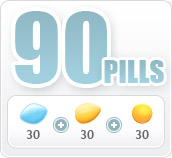
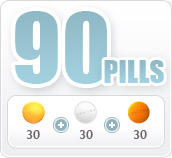
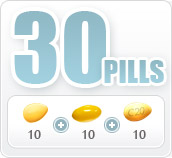
Super Pack – Patient Information (UK)
Super Pack is a combination of medicines designed to help treat specific conditions commonly seen in the UK. This product page provides general, patient-friendly information to help you understand how it works, how it’s usually taken, and what safety considerations to keep in mind.
Please note: Always follow the instructions supplied with your Super Pack and the advice given by a qualified healthcare professional.
Basic product information
| Category | Details |
|---|---|
| Product name | Super Pack |
| Intended use | Treat specific medical conditions depending on the pack contents |
| Where to buy | Online and pharmacy channels in the United Kingdom (subject to availability and suitability checks) |
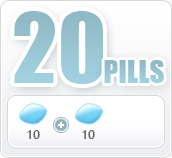
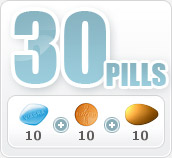
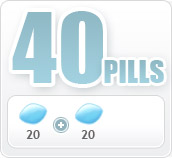
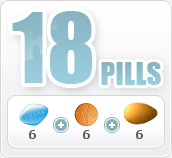
| Form | Typically includes more than one medicine or step-by-step dosing components (exact items may vary) |
| How it is taken | Oral use for each component as directed on the pack/leaflet |
Important: Because “Super Pack” can refer to a set that includes different medicines, the exact components and doses may vary by manufacturer and formulation. Check the pack label and patient leaflet for the names and strengths of each medicine included.
How Super Pack works (mechanism of action)
The medicines inside Super Pack are usually selected to provide a combined effect. Depending on the specific formulation, this may involve:
- Targeting the underlying cause of a condition (for example, by affecting bacteria, inflammation, or other pathways).
- Reducing symptoms such as pain, swelling, irritation, or discomfort.
- Improving treatment effectiveness by using more than one active ingredient or by using a defined sequence of doses over a short time.
Why combinations help: Many common conditions improve faster when treatment addresses more than one step in the disease process. The pack format also helps you follow a structured course.
Pharmacokinetics (how the body processes it)
Pharmacokinetics describes what happens to a medicine after you take it—absorption, distribution, metabolism, and excretion. Exact pharmacokinetics depends on the individual ingredients in your Super Pack.
In general, for oral combination packs:
- Absorption: Active ingredients are absorbed through the digestive tract into the bloodstream. Food can sometimes change the rate or extent of absorption.
- Peak levels: Many oral medicines reach their highest concentration in the blood within a few hours, but this varies by ingredient.
- Distribution: Medicines travel through the bloodstream to the tissues and organs where they work.
- Metabolism: The liver often breaks down medicines. Some ingredients may interact with liver enzymes.
- Elimination: Active metabolites and unchanged drug are removed mainly by the kidneys and/or through the liver and bile.
Practical meaning for you: Follow the timing on the pack carefully and avoid unnecessary dose changes. If you have liver or kidney problems, ask a clinician or pharmacist whether any component requires extra caution.
Typical use and indications
Super Pack is used for specific indications depending on what’s inside the pack. Common indications for combination “pack” treatments may include:
- Treatment of infections caused by susceptible organisms (in combination regimens)
- Management of inflammatory or related conditions requiring more than one component
- Short, structured courses aiming to achieve symptom relief and clinical improvement
Check your pack leaflet to confirm the exact indication(s) for your Super Pack. If your symptoms are not improving after the course, or if they worsen, seek medical advice promptly.
How to take Super Pack: dosing and timing
Always follow the dosing schedule provided with your pack. Combination packs may include different medicines taken at different times of day. The information below is general and may not exactly match your specific pack.
Typical dosing principles
- Complete the course: Even if you feel better, continue for the full duration stated.
- Use consistent timing: Try to take doses at the same times each day.
- Do not double doses: If you miss a dose, follow the leaflet guidance for your specific component.
- Check strength and instructions: Some components may have different tablet strengths or dosing frequency.
Example timing approach (may differ from your pack)
- Morning dose: Taken with or after food depending on instructions.
- Evening dose: Taken at least several hours after the morning dose (or as directed).
- Sequence: Some packs use Step 1 / Step 2 or different medicines at different stages.
If you tell a pharmacist the exact medicines and strengths in your pack, they can confirm the precise schedule for you.
When to take it in relation to food
Food interactions: Whether you take Super Pack with food depends on the ingredients within it. Some medicines are better absorbed with food, while others may cause stomach upset if taken on an empty stomach.
General guidance:
- Follow the leaflet: It will specify whether each component should be taken with meals or on an empty stomach.
- If stomach upset occurs: Taking with food (if allowed) may reduce nausea or indigestion.
- Be cautious with high-fat meals: Some medicines absorb differently after fatty foods.
- Separate certain interactions: If your pack includes medicines affected by minerals (for example, iron, calcium, or antacids), you may need spacing from these products.
Tip: Keep a simple routine—take doses during mealtimes or soon after a meal if your leaflet permits.
Alcohol and medicine interactions
Alcohol: Alcohol may worsen side effects like nausea, dizziness, drowsiness, reflux, or stomach irritation. It can also affect how your liver processes medicines.
General recommendations:
- Avoid alcohol during the course unless your clinician or pharmacist says it is safe for your specific ingredients.
- If alcohol is taken, limit it and watch for side effects.
- Do not drive or operate machinery if you feel drowsy or unwell.
Important: Some combinations contain ingredients that can interact with alcohol more strongly than others. For the most accurate advice, check the patient leaflet for warnings related to alcohol.
Safety profile and who should take extra care
All medicines can cause side effects. Most people taking Super Pack experience mild and temporary effects, but some reactions require urgent attention.
Common side effects (may vary by ingredient)
- Nausea
- Diarrhoea or loose stools
- Stomach discomfort, indigestion, or abdominal pain
- Headache
- Changes in taste
Less common but important side effects
- Allergic reactions (rash, itching, swelling of face/lips, breathing difficulties)
- Severe or persistent diarrhoea, especially if watery or with blood/mucus
- Unusual bruising or bleeding
- Yellowing of the skin/eyes (jaundice) or dark urine (possible liver issues)
Seek urgent medical help if
- You have difficulty breathing or swelling of the face/throat
- You develop severe allergic symptoms
- You experience severe diarrhoea, dehydration, or symptoms suggest a serious intestinal condition
- You develop severe abdominal pain or signs of liver problems
Who should use extra caution
- Pregnancy or breastfeeding: Ask a clinician before starting.
- Children and teenagers: Only use if specifically advised and dosed appropriately.
- Older adults: May be more sensitive to side effects and may have more medicines to consider.
- Liver disease: Some ingredients are processed by the liver; monitoring may be needed.
- Kidney disease: Some ingredients rely more on kidney elimination; dosing may need adjustment.
- History of severe allergies to any medicine in the pack
Practical use tips to get the best results
- Read the pack instructions carefully before taking the first dose.
- Use a reminder: Phone alarm or calendar to help avoid missed doses.
- Stay hydrated: Especially if you experience diarrhoea or stomach upset.
- Keep an eye on symptoms: Note any side effects and whether symptoms improve as expected.
- Avoid unnecessary supplements: Unless your pharmacist confirms it’s safe, avoid new supplements during the course.
- Do not share: Super Pack is intended for the individual whose condition it was selected for.
- Report persistent issues: If symptoms don’t improve within the expected timeframe, seek advice.
Medicine interactions: what to watch for
Interactions can occur between Super Pack ingredients and other medicines, including over-the-counter products. Because the pack includes more than one component, interactions depend on the specific ingredients.
Common interaction categories (examples)
- Antacids and mineral supplements (e.g., magnesium, aluminium, calcium, iron): may affect absorption of some medicines.
- Other medicines affecting the liver: can increase or decrease levels of active ingredients.
- Blood thinners (for example, warfarin): may require closer monitoring depending on ingredients.
- Diabetes medicines: some regimens can affect glucose control indirectly via illness or stomach upset.
- Oral contraceptives: some medicines can reduce effectiveness for certain individuals—check the leaflet and ask a pharmacist for guidance.
Action step: Before starting, make a list of all medicines and supplements you take and show it to a pharmacist to confirm there are no important interactions.
Alternative options
Depending on your diagnosis and medical history, alternatives may include:
- Single-medicine regimens (where appropriate)
- Different combinations using other active ingredients
- Non-medicine approaches for symptom relief (e.g., hydration, rest, supportive therapy)
- Symptom-specific treatments tailored to what you’re experiencing
How to choose: The best option depends on the exact cause of your condition, local resistance patterns (when relevant), your medical history, and what you’re currently taking.
Market and legal context in the United Kingdom
In the UK, medicines are regulated to ensure quality, safety, and effectiveness. Online pharmacy supply is subject to strict compliance requirements, including:
- Medicines classification: Whether a medicine is available without specialist assessment depends on its legal status.
- Appropriateness checks: Pharmacies commonly ensure the product is suitable for your age and relevant health details.
- Patient information: Clear instructions and warnings must be provided.
- Controlled information: For medicines requiring additional safeguards, additional processes may apply.
Safety and stewardship: In the UK, responsible use of medicines—especially antibiotics when applicable—is strongly encouraged to reduce side effects and limit antimicrobial resistance.
Recent guidance and stewardship considerations
While guidance changes over time, UK public health messages commonly stress:
- Using antibiotics only when needed and completing the course as directed.
- Not sharing medicines or using leftovers.
- Seeking advice if symptoms worsen or do not improve.
- Considering local guidance for infection management and appropriate testing.
If your Super Pack includes an antibiotic (check the ingredient list), use it exactly as instructed and be alert for signs of complications such as severe diarrhoea.
Delivery, availability, and what to expect when ordering online
Availability can vary based on stock and the specific components in Super Pack. When ordering through a UK online pharmacy, you can generally expect:
- Availability status: The website will show whether it is in stock or has limited availability.
- Packaging: Medicines are typically dispatched in secure, tamper-evident packaging.
- Delivery timeframe: Delivery times depend on service level and location within the UK.
- Tracking: Many services provide tracking or dispatch confirmation.
- Pharmacy support: If you have questions about use, a pharmacist may be available.
Storage: Store medicines according to the leaflet. Avoid high temperatures and keep out of reach of children.
FAQ (Frequently asked questions)
1) What is included in Super Pack?
Super Pack is a combination pack that typically includes more than one medicine or a structured sequence of dosing. The exact ingredients and strengths vary by the specific product variant. Check the label and patient leaflet for the names and dosages of each component.
2) How long does Super Pack usually take to work?
Many people notice some symptom improvement within a few days. However, the time to feel better depends on the condition being treated, your overall health, and how consistently you take each component. If there is no improvement within the timeframe stated in your leaflet, seek advice.
3) What should I do if I miss a dose?
Follow the missed-dose instructions in the patient leaflet for your specific component. In general, do not take double doses to make up for a missed one. If you are unsure, speak to a pharmacist.
4) Can I take Super Pack with food?
It depends on the individual ingredients. Some components should be taken with meals, while others may be better taken on an empty stomach. Always follow the pack instructions for each medicine.
5) Are there any foods I should avoid?
There are usually no universal food exclusions, but certain ingredients may be affected by dairy, high-fat meals, or mineral-containing supplements. If your leaflet advises avoiding specific items, follow those instructions.
6) Is it safe to drink alcohol while taking Super Pack?
It’s generally recommended to avoid alcohol during the course unless your pharmacist or leaflet specifically says it is safe. Alcohol may worsen side effects and can increase strain on the liver.
7) Can Super Pack interact with other medicines?
Yes. Interactions can occur with antacids, supplements (including minerals), blood thinners, and other medicines. Provide your current medication list to a pharmacist to check compatibility.
8) What side effects are most common?
Common side effects may include nausea, stomach upset, headache, and changes in stool consistency. If you develop severe diarrhoea, signs of an allergic reaction, or symptoms suggest liver problems, seek urgent medical advice.
9) Who should not take Super Pack or should ask first?
Extra caution is advised for people with liver or kidney disease, those who are pregnant or breastfeeding, children, and anyone with a history of serious allergies to medicines in the pack. Ask a clinician or pharmacist if unsure.
10) What if my symptoms get worse?
If your symptoms worsen, you develop new severe symptoms (such as high fever, rash, breathing difficulty, or severe pain), or you don’t improve as expected, seek medical advice promptly.
References and label information
This page provides general information. For the most accurate guidance, always read the patient leaflet provided with your specific Super Pack and follow the instructions on the product label.