
Dutas (Dutasteride) – Patient Information Guide (UK)
Dutas is a brand of dutasteride, a medicine used mainly to treat symptoms of an enlarged prostate (benign prostatic hyperplasia, BPH) in adult men. This guide explains how it works, how to take it safely, what to expect, and important interactions and precautions. It is written for patients and reflects typical UK practice and regulatory context.
| Topic | Key details |
|---|---|
| Medicine name | Dutas (dutasteride) |
| What it’s used for | Helps reduce prostate size and improve urinary symptoms in men with BPH |
| How it works | Reduces dihydrotestosterone (DHT) by inhibiting 5α-reductase enzymes |
| Typical dosing | Commonly 0.5 mg once daily (dose must follow clinician instructions) |
| Onset of benefit | Often some improvement within weeks; best results may take 6 months |
| Important safety notes | Changes in sexual function and ejaculation can occur; pregnancy exposure must be avoided |
Basic product information
Dutasteride is an oral medicine taken by mouth. It belongs to a group of medicines called 5α-reductase inhibitors. In the UK, dutasteride is used to manage lower urinary tract symptoms caused by an enlarged prostate. It may reduce urinary symptoms, lower the risk of certain BPH-related complications, and help shrink the prostate over time.
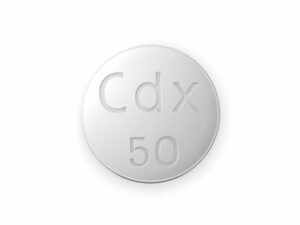
Strength and form: commonly available as oral capsules containing 0.5 mg dutasteride. Exact product strength and appearance depend on the specific pack you receive.
How dutasteride works (mechanism of action)
The prostate is influenced by hormones, particularly androgens. A key androgen in the prostate is dihydrotestosterone (DHT). DHT contributes to prostate growth. Dutasteride reduces DHT by blocking enzymes responsible for producing it.
- Dutasteride inhibits 5α-reductase enzymes (Type I and Type II).
- With less DHT, the prostate tends to shrink gradually.
- This shrinkage can reduce pressure on the urethra and improve symptoms such as weak urine flow, difficulty starting urination, frequent urination, or waking at night to urinate.
Pharmacokinetics: how the body handles dutasteride
Understanding how dutasteride moves through the body can help explain why consistent daily dosing is important. Key pharmacokinetic features include:
- Absorption: Dutasteride is absorbed after oral dosing, with absorption potentially improved by taking it consistently at the same time each day.
- Distribution: It distributes throughout tissues, including the prostate.
- Metabolism: It is metabolised mainly by the liver.
- Elimination half-life: Dutasteride has a long half-life (often reported at around weeks), meaning it stays in the body for a long time. This contributes to its long-term effect on DHT.
- Steady state: With daily use, levels build gradually and steady-state effects occur over time.
Because dutasteride remains in the body for an extended period, stopping the medicine does not lead to an immediate rebound increase in DHT. Benefits may fade gradually after discontinuation.
What dutasteride is used for (typical use and indications)
Dutasteride is used in men with benign prostatic hyperplasia (BPH)—a non-cancerous enlargement of the prostate that can cause bothersome urinary symptoms.
Common goals of treatment include:
- Improving urinary symptoms related to BPH
- Reducing prostate volume
- Reducing the risk of acute urinary retention
- Reducing the likelihood of BPH-related surgical interventions in appropriate patients
Dutasteride is not used for prostate cancer treatment. However, it can influence prostate-specific antigen (PSA) levels, which is important for ongoing monitoring decisions.
When will it start working? (timing)
Dutasteride works by changing hormone levels and shrinking the prostate over time. This means results may not be immediate.
- Early changes: Some men notice symptom relief after a few weeks, but this varies.
- Best effect: Many patients experience clearer improvement by around 6 months.
- Long-term management: The prostate-shrinking effect and symptom improvement are typically maintained only with ongoing treatment.
If your symptoms are severe or you develop urinary complications (for example, inability to urinate), seek medical advice promptly.
How to take Dutas (dosing and practical instructions)
Always follow the dose schedule provided with your treatment. Typical adult dosing for dutasteride used for BPH is 0.5 mg once daily.
Typical dosing
- Adults (men): usually one capsule (0.5 mg) once daily
- Children and adolescents: not used
- Missed dose: take it as soon as you remember on the same day. If it is nearly time for the next dose, skip the missed capsule. Do not take a double dose.
How to take it
- Swallow the capsule whole with water.
- Try to take it at the same time each day to help you remember.
- Do not crush or open capsules.
Practical use tips
- Be patient: because prostate shrinkage is gradual, consistent daily use matters.
- Track symptoms: keep a note of urinary symptoms (frequency, urgency, weak stream, night-time waking) so you can judge response over time.
- Attend monitoring: you may have PSA tests or prostate-related checks before and during treatment.
- Report side effects: early discussion can help manage or adjust treatment if sexual side effects, breast tenderness, or other issues occur.
Food interactions and whether you can take it with meals
Food effects: Dutasteride can generally be taken with or without food. Taking it consistently is usually more important than choosing meals. If your stomach is sensitive, some people find it easier to take with food.
If you notice nausea or indigestion after taking the capsule, consider taking it after a meal and speak with a pharmacist if symptoms persist.
Alcohol interactions
There is no universally required “avoid alcohol completely” rule for dutasteride. However:
- Moderate alcohol is unlikely to directly interact with dutasteride in a clinically significant way.
- Individual tolerance varies. Alcohol may worsen urinary frequency or sleep disruption for some people, which could affect perceived BPH symptom control.
- If you have liver problems or take other medicines that affect the liver, discuss alcohol use with a clinician or pharmacist.
Medicine interactions (important)
Dutasteride is metabolised primarily in the liver. Certain medicines that influence liver enzymes can change drug levels. Your pharmacist or clinician should check for interactions based on your full list of medicines.
Medicines to be cautious with
- Strong CYP3A4 inhibitors: medicines that strongly inhibit a key liver enzyme may increase dutasteride levels in the body. Examples (not exhaustive) can include some antifungals and some antibiotics.
- Herbal products: supplements can also affect drug metabolism in unpredictable ways. Ask before taking herbal products, especially those marketed for “prostate health.”
- Other BPH treatments: dutasteride may be used alone or with other therapies (depending on symptoms and clinical assessment). If your treatment includes combination therapy, follow the plan carefully.
What to do
- Tell your healthcare professional about all medicines and supplements you take.
- Do not start, stop, or change doses without advice.
- If you develop unusual side effects, report them rather than trying to “manage” them by adjusting doses yourself.
Safety profile and side effects
Like all medicines, dutasteride can cause side effects. Many people experience no or mild effects, while others may find certain issues bothersome. Side effects often relate to hormone changes.
Commonly reported side effects
- Sexual effects: reduced libido, erectile dysfunction, or changes in ejaculation (e.g., reduced volume)
- Breast changes: breast tenderness or breast enlargement (less commonly)
- General: sometimes people report dizziness or mood changes, though these are not always directly attributable
Less common but important reactions
- Allergic reactions: seek urgent help if you develop swelling of the face/lips, difficulty breathing, or a widespread rash.
- Persistent symptoms: if sexual side effects are significant or persist, discuss with a pharmacist or clinician.
Pregnancy and exposure warnings (very important)
Dutasteride can affect male sexual development in a developing foetus. Because of this:
- Women who are pregnant or may become pregnant must not handle leaking capsules.
- If a capsule is damaged and liquid contacts the skin, wash the area promptly with soap and water.
- Keep capsules out of reach of children and other people who should not be exposed.
PSA testing and prostate monitoring
Dutasteride can lower PSA levels. Doctors interpret PSA results differently during treatment. Continue routine monitoring as advised, and remind clinicians that you are taking dutasteride.
Who can take it? (special populations and precautions)
Dutasteride is indicated for adult men with BPH. It is not intended for women or children. Extra caution is needed in people with certain health conditions.
- Liver impairment: discuss if you have liver disease; metabolism may be affected.
- Prostate cancer risk: dutasteride can mask PSA signals; ongoing checks are important.
- Existing sexual side effects: if you already experience sexual dysfunction, discuss potential risks before starting.
Recent guidance and UK clinical context
In the UK, management of BPH is guided by clinical practice and evidence-based recommendations. Treatment decisions often consider:
- Symptom severity and impact on quality of life
- Prostate size and risk of disease progression
- PSA trends and prostate monitoring plans
- Medication preferences and side effect tolerability
5α-reductase inhibitors such as dutasteride are generally considered when prostate enlargement is present or when there is higher risk of complications, and they are typically assessed alongside other therapies. Because PSA interpretation is altered, clinicians tailor monitoring accordingly.
Always follow the advice of your healthcare professional. Local formularies and guideline updates may affect how treatments are chosen.
Delivery, availability, and ordering in the UK
Medicines availability can vary by supplier and stock status. When ordering online in the UK, look for clear information on:
- Product identification: the correct strength and form (capsules) of dutasteride
- Packaging: intact seals and original manufacturer packaging where possible
- Delivery options: standard and tracked delivery
- Estimated delivery times: shown at checkout
- Customer support: access to pharmacist review or guidance if you have questions
If your treatment schedule is time-sensitive, choose a delivery option that allows enough time to avoid interruptions. Because dutasteride is taken daily and requires continuity, plan ahead for repeat supplies.
Alternative options to dutasteride
Depending on your symptoms, prostate size, overall health, and preferences, clinicians may consider other options. Alternatives may include:
- Other 5α-reductase inhibitors: finasteride is a commonly used alternative in this drug class.
- Alpha-blockers: medicines that relax prostate and bladder neck muscles to improve urine flow (often work faster, though they do not shrink the prostate).
- Combination therapy: in some patients, a 5α-reductase inhibitor plus an alpha-blocker is used.
- Non-medicine approaches: lifestyle adjustments (fluid timing, reducing caffeine/alcohol), and in some cases procedures if symptoms are severe.
Your healthcare professional can help decide which option is most suitable based on your symptom pattern and risk factors.
Frequently Asked Questions (FAQ)
1) What is Dutas used for?
Dutas (dutasteride) is used in adult men to improve symptoms of an enlarged prostate (BPH) by reducing prostate size over time.
2) How long does it take to work?
Some improvement may be noticed within weeks, but the clearest benefit often takes up to 6 months. Continue daily treatment consistently to achieve the intended effect.
3) Can I take it with food?
Yes. Dutasteride can generally be taken with or without food. Try to take it the same time each day for consistency.
4) Are there alcohol interactions?
Moderate alcohol is not usually a direct interaction, but alcohol can worsen urinary symptoms in some people and may affect sleep. If you notice worsening symptoms after drinking, consider reducing alcohol intake.
5) Will dutasteride affect PSA blood tests?
Yes. Dutasteride lowers PSA levels. Clinicians interpret PSA results differently during treatment, so it’s important to remind healthcare professionals that you take dutasteride.
6) What side effects should I watch for?
Commonly reported side effects include sexual effects (lower libido or erectile changes) and changes in ejaculation volume. Report breast tenderness or enlargement, and seek urgent help if you have signs of allergy (e.g., facial swelling, breathing difficulty, widespread rash).
7) Can women take dutasteride?
Dutasteride is not intended for women and is not used for BPH in female patients. Pregnancy exposure must be avoided, particularly when capsules might be damaged or leaking.
8) Is it safe to share my medicine?
No. Dutas is intended for a specific patient and condition. Do not share medication with others, even if they have similar symptoms.
9) What if I miss a dose?
Take it when you remember on the same day. If it is close to your next dose, skip the missed dose. Do not take two doses at once.
10) Can I take other medicines at the same time?
Some medicines can affect dutasteride levels. Tell your pharmacist about all medicines and supplements you are taking so potential interactions can be assessed.
11) Why is dutasteride taken daily?
Dutasteride works by reducing DHT over time. Because levels in the body last for a long time but DHT reduction depends on ongoing enzyme inhibition, daily dosing helps maintain consistent effect.
12) What should I do if symptoms suddenly worsen?
If you develop severe urinary difficulty, inability to urinate, fever, blood in urine, or significant pain, seek urgent medical advice. These may indicate complications requiring prompt assessment.
Important patient reminder
This information is designed to help you understand dutasteride and how it is commonly used in the UK for BPH. It does not replace personal medical advice. If you have concerns about side effects, interactions, or whether dutasteride is appropriate for you, speak with a qualified healthcare professional.