


Anafranil (Clomipramine HCl) – Patient Information (UK)
Anafranil contains the active ingredient clomipramine hydrochloride. It belongs to a group of medicines known as tricyclic antidepressants (TCAs). Anafranil is used to treat certain mental health conditions, including obsessive-compulsive disorder (OCD), and in some cases related conditions where symptoms may include distressing thoughts and repetitive behaviours.
This page is designed to help you understand how Anafranil works, what it’s used for, how to take it safely, and what interactions and side effects to watch for. Always follow the advice given by your healthcare professional.
Basic product information
- Brand name: Anafranil
- Active ingredient: Clomipramine hydrochloride (Clomipramine HCl)
- Medicinal type: Tricyclic antidepressant (TCA)
- Common uses: OCD and related conditions
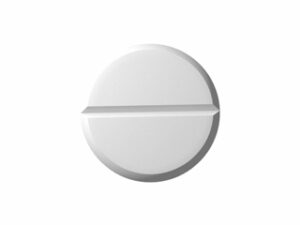
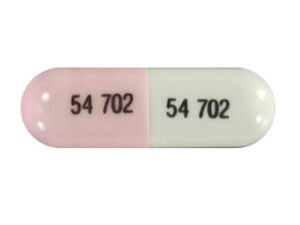
- How it comes: Usually tablets (strengths may vary by product presentation)
- Availability in the UK: Sold via licensed pharmacies in accordance with UK medicines regulations
How Anafranil works (mechanism of action)
Clomipramine helps to relieve symptoms by affecting the way the brain uses chemical messengers (neurotransmitters). It primarily increases the activity of serotonin in the brain and also affects noradrenaline.
In OCD, anxiety and obsessive thoughts can become “stuck” in a loop. By balancing neurotransmitter activity, Anafranil may reduce the intensity and frequency of obsessions, and help decrease compulsive behaviours. Over time, symptoms often improve gradually as the brain adapts to the medicine.
Pharmacokinetics (what the body does to the medicine)
Pharmacokinetics describes how the body absorbs, distributes, metabolises, and eliminates a drug. While individual results vary, the following points are generally relevant to clomipramine:
- Absorption: Clomipramine is absorbed from the gastrointestinal tract after oral dosing.
- Metabolism: The liver metabolises clomipramine to active and inactive products, including compounds such as desmethylclomipramine.
- Elimination: The metabolites are cleared mainly via the kidneys and through bile/faeces.
- Half-life: Clomipramine has a long duration in the body; steady effects develop over time.
- Steady state: It may take days to weeks of consistent dosing to reach stable blood levels.
Because clomipramine is processed in the liver, people with liver impairment may need closer monitoring and dose adjustment. If you have liver disease, discuss this with your healthcare professional before starting.
Typical use in the UK
In the UK, Anafranil is used for conditions where obsessive-compulsive symptoms are prominent. It may be considered when:
- OCD is diagnosed and symptoms are significantly affecting daily life
- Symptoms may include intrusive thoughts (obsessions) and repetitive behaviours or mental acts (compulsions)
- Symptoms do not adequately respond to other first-line approaches, as determined by clinical guidance
Treatment plans can vary. Your clinician may also recommend psychological therapies, for example cognitive behavioural therapy (CBT), alongside medication.
Indications (what it is used for)
Anafranil is indicated for the treatment of:
- Obsessive-compulsive disorder (OCD), including when obsessions and compulsions cause marked distress or impairment
- Other depressive/anxiety-related conditions may be considered in specific circumstances, depending on clinical assessment and local prescribing practices
If you are unsure why it was prescribed for you, ask your pharmacist or prescriber. Understanding the target symptoms can help you judge whether treatment is working and how to track progress.
How and when to take Anafranil
Timing and daily routine
Anafranil is usually taken once or divided doses per day, depending on your prescribed regimen. Many people take it with food to reduce stomach upset.
- Choose a consistent time: Taking it at the same time each day helps keep levels steady.
- Daytime vs evening dosing: Because clomipramine can cause drowsiness in some people, some clinicians may prefer an evening dose. If you feel sleepy, ask your healthcare professional about timing.
- Gradual increases: The dose is often increased slowly to improve tolerability.
What to do if you miss a dose
If you miss a dose, take it when you remember unless it is close to the next dose. Do not take a double dose to make up for a missed tablet. If you are uncertain, ask your pharmacist for advice.
Dose adjustments and monitoring
People vary in sensitivity to TCAs. Your prescriber may:
- start with a low dose and increase gradually
- monitor for side effects
- consider heart-related checks (e.g., ECG) in certain situations, especially if you have risk factors
Dosing (general guidance)
Dosing depends on your diagnosis, age, other medical conditions, and how well you tolerate the medicine. Typical dosing regimens are described below for general information; your own dose should be set by your healthcare professional.
| Patient group | Typical approach | Notes |
|---|---|---|
| Adults | Often started at a low dose, then increased gradually | In OCD, clinicians commonly titrate slowly to reduce side effects. |
| Older adults | May require a lower starting dose and slower titration | Extra care is needed due to higher sensitivity to side effects (e.g., dizziness, falls, confusion). |
| Children & adolescents | Use is specialist-led and careful monitoring is essential | Suitability depends on indication, severity, and local guidelines. |
Important: Never increase or decrease your dose without professional advice. Stopping suddenly can be difficult for some people and may cause withdrawal symptoms.
How long it takes to work
Anafranil does not usually work instantly. Many people notice changes gradually over time:
- Early effects: Some people feel changes within the first 1–2 weeks (especially reduced anxiety or sleep changes).
- Symptom improvement: OCD symptoms often improve more noticeably over several weeks.
- Full benefit: It can take several months to achieve maximum benefit in some cases.
If you feel worse at the beginning of treatment, or if your symptoms become significantly more distressing, contact your healthcare professional promptly. Do not stop the medicine abruptly unless advised.
Food interactions
Clomipramine can be taken with or without food, but taking it with food may reduce stomach upset. A few practical points:
- Meal timing: Consistency helps. If you experience nausea, take it after meals.
- Grapefruit and similar products: Some medicines are affected by fruit-derived compounds. If you regularly consume grapefruit or supplements, ask your pharmacist if any concern applies to clomipramine.
Always read the leaflet that comes with your specific product and ask your pharmacist if you have dietary restrictions.
Alcohol and medicine interactions
Alcohol
Avoid alcohol while taking Anafranil, or at least keep alcohol to an absolute minimum. Alcohol can worsen side effects such as:
- drowsiness and impaired alertness
- dizziness
- mood changes
- risk of falls and accidents
Alcohol may also make it harder to judge your mental health progress accurately.
Medicines that may interact with clomipramine
Some medicines can change clomipramine levels or increase the risk of side effects. Tell your healthcare professional about all medicines you take, including over-the-counter products, herbal remedies, and supplements.
Common interaction categories include:
- Other antidepressants (including SSRIs/SNRIs): can increase clomipramine levels and side effect risk
- MAO inhibitors: can cause serious interactions (avoid unless specifically directed)
- Medicines that affect serotonin: risk of serotonin syndrome if combined improperly
- Medicines that affect heart rhythm: clomipramine can affect cardiac conduction in some people
- Antipsychotics and some antiarrhythmics: may require careful monitoring
- Medicines that lower the seizure threshold: may increase seizure risk in susceptible individuals
- Strong liver enzyme inhibitors: may raise clomipramine levels
- St John’s wort (herbal): may cause unwanted changes in serotonin balance
If you start any new medicine (including short courses like antibiotics or antifungals), ask your pharmacist whether it is safe to combine with Anafranil.
Safety profile and possible side effects
Like all medicines, Anafranil can cause side effects. Many improve as your body adapts, particularly after slow dose titration. However, some side effects may be serious.
Common side effects
- Drowsiness or fatigue
- Dizziness or light-headedness
- Dry mouth
- Constipation or changes in bowel habit
- Blurred vision
- Nausea
- Increased sweating
- Weight change (often gradual)
- Tremor or restlessness
Less common but important risks
- Heart rhythm problems: especially in people with existing cardiac risk or those taking interacting medicines
- Seizures: risk may increase at higher doses or with other risk factors
- Urinary retention (difficulty passing urine), particularly in men with prostate issues
- Angle-closure glaucoma risk: clomipramine can worsen symptoms in susceptible individuals
- Mania/hypomania: in people with bipolar disorder or risk of bipolar switch
- Serotonin syndrome (rare): particularly if combined with other serotonergic drugs
Seek urgent medical advice if you experience
- severe chest pain, fainting, or a very fast/irregular heartbeat
- confusion, high fever, severe agitation, muscle stiffness, or diarrhoea with other symptoms of serotonin syndrome
- signs of an allergic reaction such as swelling of the face/lips, wheezing, or hives
- new seizures or severe worsening headaches with neurological symptoms
- thoughts of harming yourself or severe suicidal thoughts, especially when symptoms worsen suddenly
If you are concerned about safety, contact your healthcare professional immediately. In the UK, if you believe you are in danger or may require emergency care, call 999. If you need urgent advice but it’s not an emergency, 111 can help direct you.
Practical use tips
Support tolerability during the first weeks
- Constipation management: Drink enough fluids, include fibre, and ask your pharmacist about suitable remedies if needed.
- Dry mouth: Sugar-free gum, frequent sips of water, and good oral hygiene can help.
- Safety first: Be cautious when standing up quickly, especially if you feel dizzy.
- Sleepiness: Avoid driving or operating machinery if you feel drowsy until you know how the medicine affects you.
Do not stop suddenly
If you need to stop Anafranil, your prescriber will usually recommend a gradual reduction (taper). This helps reduce discontinuation symptoms such as nausea, headache, irritability, and sleep disturbance.
Keep track of progress
- Use a simple diary to note changes in obsessions, compulsions, sleep, mood, and side effects.
- Attend follow-up appointments, especially during dose changes.
Heart and medical checks
Because TCAs can affect the heart’s electrical activity, clinicians may consider an ECG or monitoring, particularly if you have risk factors (for example, certain heart conditions, electrolyte imbalance, or relevant family history).
Alternative options (discuss with your clinician)
OCD and related conditions have multiple treatment approaches. Alternatives may include:
- Psychological therapy: CBT with exposure and response prevention (ERP) is commonly recommended.
- Other antidepressants: In many cases, SSRIs (selective serotonin reuptake inhibitors) are used as first-line medication options for OCD. Your healthcare professional will decide what is appropriate based on your history and symptom pattern.
- Combination therapy: Medication plus structured therapy may improve outcomes.
- Specialist referral: For complex or treatment-resistant OCD, referral to a mental health specialist may be considered.
If you’re considering switching medicines due to side effects or lack of benefit, do not change your regimen on your own. Switching from a TCA requires careful planning to reduce risks.
UK market and legal context (overview)
In the United Kingdom, medicines are authorised, regulated, and supplied under the Medicines and Healthcare products Regulatory Agency (MHRA) and associated legislation. Availability through pharmacy channels is governed by UK rules on medicines classification, pharmacy oversight, and safe supply practices.
Anafranil is a long-established medicine. Its supply, permitted indications, and prescribing practice may vary depending on local clinical guidelines and individual patient circumstances.
Recent guidance and clinical context (high-level)
UK clinical practice for OCD typically emphasises evidence-based psychological therapy and the careful selection of medication where appropriate. For pharmacological treatment, clinicians often follow national and international guidance that supports:
- using structured assessment to confirm diagnosis and severity
- first considering CBT/ERP when suitable
- using medications that have demonstrated benefit for OCD symptoms, tailored to the individual
- monitoring safety, especially for medicines that can affect heart rhythm, metabolic balance, or other organ systems
- reviewing response over time, as benefits may build gradually
If you’d like, consult your healthcare professional for the most up-to-date NHS/clinical pathway relevant to your care.
Delivery and availability (UK)
Anafranil may be available through UK-licensed pharmacies and online pharmacy services that meet legal requirements. Availability depends on the specific formulation strength and batch supply.
- Stock status: Some strengths may be limited at times; alternative presentations or doses may be offered.
- Delivery times: Delivery timeframes vary by supplier and location within the UK.
- Packaging: Medicines are supplied in secure, tamper-evident packaging.
- Cold-chain: Anafranil tablets generally do not require refrigeration.
If you need urgent supply, contact the pharmacy service directly and ask about current dispatch options. Ensure you have enough medication to avoid missed doses during delivery delays.
FAQ
Is Anafranil the same as clomipramine?
Yes. Anafranil is a brand name containing clomipramine hydrochloride. Clomipramine is the active ingredient.
When will I feel better?
Improvement is usually gradual. Some people notice early changes within 1–2 weeks, but for OCD, meaningful symptom relief often takes several weeks to months. Benefits build as treatment continues.
Can I take Anafranil with food?
Yes. Taking Anafranil with food may reduce stomach upset. If you get nausea, consider taking it after a meal.
Can I drink alcohol while on Anafranil?
It’s best to avoid alcohol as it can worsen drowsiness, dizziness, and mood effects and increase accident risk.
What interactions should I be careful about?
Tell your healthcare professional about all medicines and supplements you use. Particular caution is needed with: other antidepressants, MAO inhibitors, medicines affecting heart rhythm, serotonergic drugs, and strong liver enzyme inhibitors. If unsure about a specific medicine, ask your pharmacist.
Are there any warning signs that require urgent help?
Yes. Seek urgent advice if you have severe chest pain, fainting, very fast/irregular heartbeat, signs of serotonin syndrome (e.g., high fever, severe agitation, muscle stiffness), seizures, or signs of an allergic reaction.
How should I stop Anafranil if needed?
Do not stop suddenly. Your prescriber will typically recommend a gradual reduction (“taper”) to minimise withdrawal/discontinuation symptoms.
Does Anafranil cause weight gain?
It can. Some people gain weight gradually. Diet, activity, and monitoring can help manage this. If weight changes are significant, discuss options with your clinician.
Will Anafranil make me sleepy?
Drowsiness can occur. If you feel sleepy, avoid driving and machinery until you know how you respond. Your clinician may adjust timing or dose if needed.
Can I take other over-the-counter medicines?
Some over-the-counter products can interact, especially cold and flu preparations, sleep aids, and certain painkillers. Check with your pharmacist before combining medicines.
Disclaimer: This information is for general educational purposes and does not replace advice from a healthcare professional. If you have questions about your personal situation—symptoms, side effects, or interactions—seek guidance from your pharmacist or prescriber.