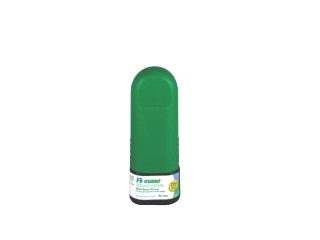
Flonase Nasal Spray (Fluticasone) – Patient Guide (UK)
Flonase Nasal Spray contains fluticasone, a corticosteroid medicine used to help relieve symptoms caused by allergies and inflammation in the nose. It works by reducing inflammation, swelling and mucus production inside the nasal passages.
This guide explains how Flonase Nasal Spray works, when and how to use it, key safety information, possible interactions, and frequently asked questions. It is written for patients in the United Kingdom and focuses on practical, day-to-day use.
Quick overview
| Feature | What to know |
|---|---|
| Active ingredient | Fluticasone (usually as fluticasone propionate) |
| Medicine type | Intranasal corticosteroid (anti-inflammatory) |
| Common uses | Allergic rhinitis (hay fever), nasal inflammation |
| How it helps | Reduces inflammation and symptoms such as sneezing, blocked nose, and runny/itchy nose |
| Typical onset | May start working within 12–24 hours; best effect often after several days |
| Common dosing pattern | Once daily for many patients; follow the product label/your pharmacist’s guidance |
| Form | Nasal spray |
What is Flonase Nasal Spray?
Flonase Nasal Spray is an intranasal (into the nose) medicine designed to treat inflammation inside the nasal passages. The active ingredient, fluticasone, belongs to a group of medicines called corticosteroids. When used correctly, it can significantly improve symptoms of allergic rhinitis such as:
- Blocked or congested nose
- Sneezing
- Runny nose
- Itchy nose
- Post-nasal drip (mucus running down the throat)
Flonase can be useful both for seasonal allergies (e.g., during pollen season) and year-round allergic symptoms.
How it works (mechanism of action)
Fluticasone helps control allergic symptoms by targeting the inflammatory process that occurs in the nose. Allergens (such as pollen, dust mites or animal dander) can trigger the immune system. This leads to inflammation, swelling, and excess mucus.
Fluticasone is a corticosteroid that:
- Reduces inflammation by affecting inflammatory chemicals released during allergic reactions
- Decreases swelling of the nasal lining, helping the nose open up
- Improves mucus regulation, reducing runny or dripping symptoms
- Helps control sneezing and nasal irritation over time
Unlike some medicines that provide immediate symptom relief, intranasal corticosteroids typically work best when used consistently for a few days.
Pharmacokinetics (how the body handles it)
Understanding pharmacokinetics can help explain why intranasal medicines generally have a low overall effect on the rest of the body.
Absorption
When Flonase is sprayed into the nose, much of the dose stays locally in the nasal passages. A smaller amount may be swallowed and absorbed through the gut. Overall, systemic absorption is typically low when used as directed.
Distribution
The active ingredient is bound to plasma proteins and is carried in the bloodstream at low levels.
Metabolism
Fluticasone is largely metabolised in the liver by an enzyme called CYP3A4. This is one reason some drug interactions can increase steroid levels in the body.
Elimination
The medicine and its metabolites are primarily eliminated via bile and faeces. Because systemic levels are usually low, most patients do not experience widespread corticosteroid effects when using the correct intranasal dose.
Typical indications (what it is used for)
Flonase Nasal Spray is used to relieve symptoms related to inflammation of the nose, especially allergic rhinitis. It may be recommended for:
- Hay fever (seasonal allergic rhinitis)
- Allergic rhinitis due to long-term triggers (e.g., dust mites)
- Nasal inflammation symptoms such as blocked nose, sneezing and runny nose
If your symptoms persist, worsen, or are unusual (for example, severe nosebleeds or facial pain), you should seek advice from a healthcare professional.
Dosing and timing (how to take it safely)
Dosing can vary by product strength and age group, so always follow the instructions on the pack or the advice of your pharmacist. Below are common patterns used for intranasal fluticasone products.
Typical adult and adolescent use
- Often once daily administration is used for symptom control.
- If symptoms are severe, some regimens use more frequent dosing initially. However, you should follow the exact directions on your Flonase product label.
Children
Use in children should be based on the age recommendations on the specific Flonase product and the guidance available in the UK. Ask your pharmacist if you are unsure which product strength and dosing is appropriate for your child’s age.
When to start
For seasonal allergies, consider starting before the pollen season begins if possible (for example, about 1–2 weeks before the expected start), to help prevent symptom flare-ups.
How long it takes to work
- Some improvement can occur within 12–24 hours.
- For best results, allow up to several days of consistent use.
- If symptoms do not improve after the advised trial period, review your technique and ask for advice.
Missed dose
If you miss a dose, use it when you remember, unless it is nearly time for the next dose. Do not use a double dose to make up for a missed spray.
Practical use tips (step-by-step)
Proper technique improves effectiveness and reduces irritation. Follow the steps below each time you use Flonase Nasal Spray.
Before first use
- Check the bottle and nozzle are intact and clean.
- If the pump is new or has not been used for a period of time, it may require priming (pumping the spray until a fine mist appears), as described on the pack leaflet.
How to apply
- Gently blow your nose to clear mucus (if you can). This helps the spray reach the nasal lining.
- Tilt your head slightly forward, not back.
- Shake the bottle if the leaflet says to do so.
- Insert the nozzle into one nostril. Aim the spray slightly outward, towards the ear on the same side, not straight up the nose.
- Press the nozzle while sniffing gently. Avoid a strong deep sniff (this can increase the chance of the medicine flowing into the throat).
- Repeat in the other nostril if your dose requires it.
- Wipe the nozzle with a clean tissue and replace the cap.
Cleaning the nozzle
Keep the nozzle clean. If it becomes blocked, rinse it according to the leaflet instructions. Avoid poking the nozzle with sharp objects, which could damage the spray mechanism.
Common technique mistakes
- Using it too soon after blowing the nose (some people need a brief pause to breathe comfortably).
- Pointing the nozzle towards the septum (the inner middle wall), which may increase irritation or nosebleeds.
- Not priming the device after it has been unused.
- Stopping too early—symptoms may take days to settle.
Food interactions
Fluticasone intranasal spray is primarily used locally in the nose, and significant food interactions are not generally expected. Because a small portion may be swallowed, you might wonder about effects with meals.
In most people, no special dietary restrictions are required. If you have swallowing difficulties or find the spray frequently runs into your throat, discuss technique with a pharmacist.
Alcohol and medicine interactions
Alcohol
There is no well-established direct interaction between alcohol and fluticasone nasal spray. However, if you drink alcohol heavily or often, it can affect your overall immune function and increase the likelihood of infections or irritation—so it’s wise to use alcohol moderately and seek advice if you have concerns.
Interactions with other medicines (important)
Fluticasone is metabolised by CYP3A4. Some medicines can affect this pathway and increase steroid levels in the body, potentially raising the risk of systemic corticosteroid side effects.
Examples of medicines commonly known to interact with fluticasone include:
- Some antifungal medicines (e.g., ketoconazole, itraconazole)
- Some antibiotics (e.g., clarithromycin, telithromycin)
- HIV/HCV medicines that can strongly affect CYP3A4
This does not mean you must stop these medicines—rather, it highlights the importance of checking with your pharmacist if you take long-term therapy.
Other nasal medicines
If you use other nasal sprays (such as saline rinses, decongestant sprays, or antihistamine nasal sprays), they can often be used alongside fluticasone. Ask your pharmacist about:
- Whether to separate doses in time
- Whether to use a saline rinse before fluticasone
- How long to use decongestant sprays safely (many should not be used for long periods)
Safety profile and side effects
Flonase Nasal Spray is generally well tolerated when used at the recommended dose. Like all medicines, it can cause side effects, though not everyone experiences them.
Common (often mild) side effects
- Nose irritation or dryness
- Sore throat or hoarseness
- Headache
- Frequent sneezing immediately after spraying
- Minor nosebleeds (nosebleeds can occur, especially if the nozzle is directed incorrectly or the nasal lining is dry)
Less common but important side effects
- Persistent or heavy nosebleeds
- Worsening breathing through the nose or severe irritation
- Signs of infection in the nose (e.g., worsening pain, unusual discharge)
Seek urgent medical advice if
- You develop swelling of the face/lips, severe rash, or difficulty breathing
- You experience severe allergic reaction symptoms
Special considerations
- Nasal ulcers or recent nasal surgery: ask a pharmacist or clinician before use.
- Eye problems: rarely, corticosteroids can contribute to eye effects in susceptible people, especially with higher systemic exposure. With correct intranasal use, this risk is generally low, but tell a healthcare professional if you have glaucoma or cataracts.
- Frequent infections or tuberculosis history: seek medical advice if relevant.
Safety in pregnancy and breastfeeding
Many patients use intranasal corticosteroids during pregnancy or while breastfeeding under medical advice. If you are pregnant, trying to conceive, or breastfeeding, discuss with your pharmacist or healthcare professional to ensure the most suitable approach for your symptoms and dose.
Practical tips for better symptom control
Flonase works best when combined with sensible allergy control measures. Consider these steps to improve results:
- Use consistently: don’t stop when symptoms ease, especially during a pollen season, unless advised.
- Check your technique: correct aiming and gentle sniffing reduce irritation and improve effectiveness.
-
Manage triggers:
- Keep windows closed during high pollen days
- Shower after outdoor exposure and change clothing if pollen exposure is significant
- For dust mite allergy, consider bedding covers and regular hot washing
- Consider a combined approach if symptoms are not fully controlled: antihistamine tablets or other allergy treatments may be appropriate for some people—ask your pharmacist.
Alternative options (UK)
If Flonase does not suit you, alternatives may include other intranasal treatments or supportive measures. Options depend on your symptoms, age, and medical history.
Other nasal allergy sprays
- Other intranasal corticosteroids (same drug class, different brands/strengths)
- Intranasal antihistamines (can help with sneezing and runny nose for some people)
- Saline (salt water) rinses/sprays to moisturise and clear nasal mucus
Oral options
- Antihistamine tablets or liquids for allergy symptoms
- Leukotriene receptor antagonists in specific scenarios (typically discussed by a clinician)
A pharmacist can help you choose a practical option, especially if you have a mix of symptoms (e.g., blocked nose plus itching) or if one product causes irritation.
UK market and legal context (general information)
In the UK, availability of allergy medicines and the level of healthcare involvement can vary by product and brand. Some intranasal corticosteroids may be available to purchase from pharmacies without a prescription, while others may be supplied through clinical routes depending on formulation and strength.
Online pharmacies commonly provide:
- Information about use, dosing, and storage
- Eligibility checks based on age and symptoms
- Delivery services within the UK
Always check the product packaging and leaflet for the most accurate dosing details for your specific Flonase presentation.
Recent guidance and updates (what to know)
Allergy management guidance in the UK commonly emphasises:
- Correct diagnosis of rhinitis (allergic vs non-allergic causes)
- Early and consistent use of intranasal corticosteroids for persistent nasal symptoms
- Checking inhalation/nasal technique to improve benefit and reduce side effects
- Escalation to additional treatments when symptoms are not adequately controlled
If your symptoms change or you suspect a different cause (for example, chronic sinusitis), seek advice rather than simply increasing dose on your own.
Delivery and availability in the UK
Flonase Nasal Spray is commonly available through UK pharmacies and reputable online medicine retailers. Availability can depend on:
- Product strength and pack size
- Current stock levels
- Seasonal demand (often higher during pollen periods)
Delivery typically takes place within agreed timeframes shown at checkout. Store the bottle at room temperature as indicated on the pack, away from direct sunlight and moisture.
Storage and handling
- Keep the bottle upright with the cap on when not in use.
- Avoid storing in very hot or very cold conditions (such as a car).
- Check the expiry date on the label and don’t use after it expires.
Frequently asked questions (FAQ)
1) When will Flonase start working?
Many people notice some improvement within 12–24 hours, but the full benefit often takes several days of daily use. For seasonal allergies, starting before symptoms begin can help.
2) How many times a day should I use it?
Dosing depends on the exact Flonase product and your age. Always follow the directions on the pack leaflet or guidance provided by your pharmacist. Many people use once daily, but some regimens can differ.
3) Can I use Flonase long term?
Some people use intranasal corticosteroids for long periods, especially for year-round allergic rhinitis. Use the lowest effective dose and review ongoing need with a healthcare professional if symptoms persist or you have frequent side effects.
4) Will Flonase cause dependency?
Flonase does not work like decongestant sprays that can cause “rebound congestion” when used too long. However, if you feel your symptoms are worsening when you stop, discuss with a pharmacist or clinician rather than changing dose independently.
5) Can I use it with other allergy medicines?
Often, yes. Many patients combine an intranasal steroid with antihistamine tablets or other allergy treatments if needed. If you are using several products, ask a pharmacist about timing and safe combination options.
6) Why do I get nosebleeds or a sore nose?
Nosebleeds and irritation may occur due to dryness, incorrect aiming, or frequent blowing. Ensure you aim slightly outward towards the ear, avoid strong sniffing, and consider using saline if your nasal lining is dry. If nosebleeds are frequent or heavy, seek advice.
7) What if my symptoms don’t improve?
Check the technique (especially aiming and priming), ensure consistent daily use, and confirm you’re using the correct dose for your age. If symptoms remain uncontrolled after the recommended trial period, seek pharmacist or clinician advice to review diagnosis and treatment plan.
8) Is it safe to use during pregnancy or breastfeeding?
Many patients use intranasal fluticasone during pregnancy or breastfeeding under healthcare guidance. If you are pregnant or breastfeeding, consult a pharmacist for personalised advice about dose and duration.
9) Are there alcohol interactions?
No direct alcohol interaction is commonly expected with fluticasone nasal spray. If you have concerns related to other medications you take, it’s best to check with your pharmacist.
10) What medicines might interact with Flonase?
Medicines that affect CYP3A4 metabolism may increase fluticasone levels. Examples include certain antifungals, antibiotics, and some antiviral medicines. Tell your pharmacist about all medicines you take, including tablets, nasal sprays, and herbal products.
When to get advice (contact a healthcare professional)
Contact a pharmacist or healthcare professional if you experience:
- Severe nosebleeds, worsening pain, or persistent irritation
- Symptoms suggesting infection (e.g., fever, worsening discharge, facial pain)
- No improvement after following the correct use for the advised period
- Frequent recurrence or changes in your pattern of symptoms
This information is intended to help you use Flonase Nasal Spray safely and effectively. Always read the package leaflet for your specific product and follow the instructions provided by your pharmacist.