

Diclofenac (Diclofenac Sodium) — Patient Information Guide (UK)
Diclofenac (also written as diclofenac sodium) is a widely used anti-inflammatory medicine for pain and swelling. It belongs to a group of medicines called NSAIDs (non-steroidal anti-inflammatory drugs). This page explains what diclofenac does, how it works, how it’s typically used, key safety considerations, and practical tips to help you use it more effectively.
In the UK, diclofenac is available in different forms, such as tablets and gels/creams. The best choice depends on your symptoms, your medical history, and the product strength you’re using.
Basic product information
| Item | Details |
|---|---|
| Active ingredient | Diclofenac (as diclofenac sodium) |
| Medicinal group | NSAID (anti-inflammatory painkiller) |
| Common uses | Pain with inflammation (e.g., sprains, muscle/joint pain, arthritis-related pain) |
| Common forms in the UK | Oral tablets and topical gels/creams (availability varies by product) |
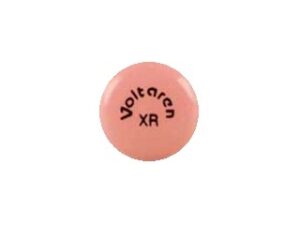
| Also known as | Voltaren® and other brand names (varies by formulation) |
| How it’s usually supplied | Over-the-counter options may be available for certain strengths/forms; always check the specific product listing |
How diclofenac works (mechanism of action)
Diclofenac works by reducing the production of prostaglandins, chemical messengers that contribute to pain, inflammation, and fever. It does this by inhibiting COX enzymes (cyclo-oxygenase enzymes, including COX-1 and COX-2).
- Anti-inflammatory effect: helps reduce swelling and tissue irritation.
- Analgesic effect: helps relieve pain.
- Potential fever reduction: may lower fever, though this is not its main everyday use.
Pharmacokinetics (how the body handles diclofenac)
“Pharmacokinetics” describes what happens after you take or apply diclofenac—how quickly it starts working, how it’s absorbed, how your body processes it, and how it leaves your system.
-
Absorption:
- Oral diclofenac: absorbed through the digestive tract; onset of pain relief can occur within hours.
- Topical diclofenac (gel/cream): delivers medicine through the skin to local tissues; only a portion enters the bloodstream.
- Distribution: diclofenac circulates in the body and reaches tissues involved in inflammation and pain.
- Metabolism: mainly processed in the liver.
- Elimination: broken down metabolites are eliminated mostly via the kidneys (urine) and partly via bile/feces.
- Half-life: diclofenac levels in the body decline over several hours (exact timing can vary by formulation).
- Monitoring considerations: because metabolism is largely hepatic and elimination involves kidneys, some people need extra caution, especially if they have liver or kidney problems.
Typical uses in the UK
Diclofenac may be used for conditions where inflammation contributes to pain. Common examples include:
- Muscle and joint pain: sprains, strains, back pain, sports injuries (supporting symptom relief)
- Arthritis and joint conditions: osteoarthritis pain, rheumatoid arthritis symptoms (as part of a broader management plan)
- Localised inflammatory pain: topical use for aches and pains affecting nearby joints or soft tissue
- Period-related pain: some people may use NSAIDs for symptoms associated with painful periods, depending on product suitability
The exact indications depend on your specific product and strength (oral vs topical) and what’s permitted for that formulation in the UK. Always follow the instructions supplied with your medicine.
When to take/use diclofenac (timing and onset)
Timing depends on your formulation:
- Oral tablets: take at the times recommended on the pack. Many people start to notice symptom relief within the first few hours. If your doctor/pharmacist has provided specific timing advice, follow that schedule.
- Topical gel/cream: apply to the affected area and allow it time to absorb. Avoid applying heat (e.g., heating pads) directly over the treated area unless a clinician advises otherwise.
For ongoing pain, it’s common to use diclofenac for short periods while other measures (rest, physiotherapy, exercise, stretching, or switching medicine) take effect. If symptoms persist or worsen, seek advice promptly.
Food interactions (what to know)
Food can affect how quickly oral diclofenac is absorbed. Diclofenac taken with food may help reduce stomach discomfort for some people.
- Oral diclofenac: taking with a meal or snack may lessen irritation of the stomach.
- Topical diclofenac: food does not usually affect the local absorption through skin, but your overall NSAID exposure still matters.
In general, avoid taking diclofenac on an empty stomach if you are prone to indigestion or gastritis. If you already have a sensitive stomach, ask your pharmacist which product and dosing schedule is most appropriate.
Alcohol and medicine interactions
Alcohol
Drinking alcohol while using diclofenac can increase the risk of stomach irritation and gastrointestinal bleeding. Alcohol may also worsen drowsiness or increase the chance of side effects in some people. If you choose to drink, consider keeping it minimal and avoid binge drinking. If you’ve previously had a stomach ulcer or bleeding, it’s best to avoid alcohol unless a clinician advises otherwise.
Important medicine interactions
Diclofenac can interact with several other medicines. Tell your pharmacist or healthcare professional about everything you take, including over-the-counter products.
- Other NSAIDs: avoid combining with ibuprofen, naproxen, aspirin for pain, or similar NSAIDs, unless advised. Using multiple NSAIDs increases the risk of bleeding and kidney problems.
- Anticoagulants (“blood thinners”): such as warfarin. Combination can raise bleeding risk.
- Antiplatelet medicines: e.g., clopidogrel or aspirin (unless prescribed). Increases bleeding risk.
- Systemic corticosteroids: can further increase gastrointestinal side effects.
- SSRIs/SNRIs (antidepressants): may increase bleeding risk when combined with NSAIDs.
- Diuretics (“water tablets”) and ACE inhibitors/ARBs: together with NSAIDs may affect kidney function.
- Lithium: NSAIDs can increase lithium levels, raising toxicity risk.
- Methotrexate: NSAIDs may increase methotrexate toxicity (timing and doses matter).
- Digoxin: NSAIDs may raise digoxin levels in some cases.
- Diabetes medicines: rarely, NSAIDs can affect blood sugar control; monitor as advised.
- Other ulcer/acid medicines: acid suppression (e.g., proton pump inhibitors) may reduce stomach risk for some people, but does not remove all risk.
If you’re taking medicines for heart disease, high blood pressure, kidney problems, ulcers, or asthma, interactions may be especially relevant. Always check with a pharmacist for the product you plan to use.
Dosing (general guidance)
Dosing depends on the formulation, strength, and your age and medical history. Always follow the directions on the specific pack you buy. The information below is general and designed to help you understand what dosing usually looks like.
Oral diclofenac (tablets)
- Start low and use the lowest effective dose: this is a key safety principle for NSAIDs.
- Short-term use is usually preferred: use for the shortest time needed to control symptoms.
- Do not exceed the maximum daily dose: as stated on the product label.
- Swallow whole (if tablets are not marked for splitting): follow pack instructions.
Topical diclofenac (gel/cream)
- Apply to the affected area as directed on the pack.
- Use only the recommended amount (often measured in a length of gel) and do not cover with airtight dressings unless advised.
- Wash hands after application (unless hands are the treated area) and avoid contact with eyes or mouth.
- Allow it to dry before covering with clothing.
Missed dose: If you forget a dose, apply/take it when you remember unless it’s close to your next scheduled dose. Do not take double doses.
Indications: what it’s for and what it won’t do
Diclofenac is indicated for the relief of pain and inflammation associated with a range of conditions, such as:
- arthritis-related pain
- musculoskeletal pain with inflammation
- localised joint or soft-tissue pain (topical formulations)
Diclofenac is not an “instant fix” for every cause of pain. If your symptoms have features suggesting a more serious condition (e.g., severe swelling, unexplained weight loss, fever, chest pain, difficulty breathing, or neurological symptoms), seek medical advice urgently rather than relying on pain relief.
Safety profile (important warnings)
Diclofenac can be very effective, but it also has important safety considerations—especially for the stomach, heart, kidneys, and for people with certain underlying conditions. If you’re unsure whether diclofenac is suitable, check with your pharmacist.
Common side effects
- Oral: indigestion, stomach pain, nausea, heartburn.
- Topical: skin redness, itching, or mild irritation where you apply the gel/cream.
Serious side effects—get urgent help if
- Signs of stomach or bowel bleeding: black/tarry stools, vomiting blood, or sudden severe abdominal pain.
- Allergic reaction: swelling of face/lips, wheezing, severe rash, or difficulty breathing.
- Serious skin reactions: blistering or peeling skin.
- Heart or stroke symptoms: chest pain, shortness of breath, weakness on one side, trouble speaking.
- Kidney problems: reduced urine output, swelling of ankles/feet, or unexplained tiredness.
Who should take extra care (or avoid)
Diclofenac may not be suitable for everyone. Extra caution is advised if you have:
- a history of stomach ulcers or gastrointestinal bleeding
- inflammatory bowel disease (e.g., Crohn’s disease, ulcerative colitis)
- known heart disease, history of stroke, or significant risk factors
- uncontrolled high blood pressure
- kidney impairment or dehydration
- liver disease
- asthma that worsens with NSAIDs
- pregnancy (especially later pregnancy)
Topical diclofenac generally results in lower blood levels than oral diclofenac, but systemic risks can still apply, particularly with frequent use, large areas, broken skin, or prolonged treatment.
Practical tips for safe use
- Use the lowest effective dose for the shortest time: this reduces risk.
- Read the pack carefully: dosing schedules differ between strengths and formulations.
- Avoid combining NSAIDs: don’t take diclofenac alongside ibuprofen/naproxen unless advised.
- Protect your stomach: consider taking oral diclofenac with food if it irritates you.
- Watch your skin: for topical products, avoid applying to broken or infected skin.
- Check hand hygiene: wash hands after application and avoid eye/mouth contact.
- Don’t apply heat on top of topical treatment: it can increase absorption.
- Keep track of symptom duration: if pain persists beyond a few days (or returns repeatedly), seek advice rather than continuing indefinitely.
- Consider non-medicine measures: rest, gentle movement, physiotherapy exercises, and supportive footwear can improve outcomes.
Alternative options (what you might use instead)
If diclofenac isn’t suitable, alternatives may include other NSAIDs or non-NSAID pain relief, depending on the cause of pain. Options can include:
- Topical alternatives: other anti-inflammatory gels/creams (different active ingredients), or local pain-relief options.
- Oral NSAIDs: ibuprofen, naproxen (but avoid using multiple NSAIDs together).
- Paracetamol (acetaminophen): may help pain and is often easier on the stomach, although it’s not an anti-inflammatory.
- Non-medicine approaches: heat/cold therapy, physiotherapy, stretching and strengthening plans, ergonomic changes.
The best alternative depends on whether your pain is inflammatory (swelling, stiffness) and on your personal risk factors. A pharmacist can help you choose a safer option.
UK market and legal context (availability and labelling)
In the UK, medicine supply is regulated under the Medicines and Healthcare products Regulatory Agency (MHRA) and related legislation. Availability of specific diclofenac strengths and formulations can vary. Some forms may be available without a prescription, while others may be restricted according to dose, route, and product licensing.
Online pharmacy listings should clearly show:
- the product name and strength
- route of administration (oral vs topical)
- use instructions and maximum daily dose (for oral products)
- contraindications and warnings relevant to the specific medicine
- where to seek urgent help for serious side effects
Always check that the product you purchase is intended for your age group and the symptom you’re treating.
Recent guidance and safety updates (high-level overview)
UK and European medicine-safety communications over the years have emphasised that NSAIDs—particularly at higher doses or longer durations— may increase risks such as gastrointestinal bleeding, kidney injury, and cardiovascular events. The consistent message has been to use the lowest effective dose for the shortest time and to assess risk in people with prior ulceration, bleeding, heart disease, or kidney problems.
Pharmacists and clinicians may also recommend:
- considering stomach protection for higher-risk users (where appropriate)
- avoiding multiple NSAIDs together
- reviewing ongoing NSAID need for long-term conditions
If you’ve used diclofenac for more than a short course, it’s sensible to review your overall pain management plan.
Delivery and availability (online pharmacy)
Diclofenac products can vary in form and strength. Availability depends on the specific item listed by the online pharmacy, packaging size, and the category of the product (e.g., topical gel vs oral tablets).
- Delivery times: typically depend on location and selected shipping method.
- Order lead time: some items may be dispatched quickly if in stock; others may take longer if sourced from supplier networks.
- Packaging: items are supplied in original manufacturer packaging with patient information leaflets.
- Checking suitability: before ordering, review the product warnings (age, medical conditions, and interactions) carefully.
If you want help selecting the right diclofenac product (topical vs oral, or the right strength), you can contact a pharmacist through the pharmacy support channel.
FAQ: Diclofenac (Diclofenac Sodium)
1) Is diclofenac for short-term or long-term use?
Diclofenac is often used for short-term symptom relief (days to a limited period). If you need it longer—for example, for chronic arthritis— your situation should be reviewed to balance benefit against risks. Use the lowest effective dose for the shortest time.
2) Can I take diclofenac with other painkillers?
It depends on which painkillers. You should generally avoid combining diclofenac with other NSAIDs (such as ibuprofen or naproxen). Paracetamol may be an alternative to combine for pain relief, but follow pack instructions and check suitability for your health conditions.
3) How long before it starts working?
Oral diclofenac often starts easing pain within a few hours. Topical diclofenac begins working locally and may provide relief over the first day, depending on the condition and how consistently it’s applied.
4) Does diclofenac gel work as well as tablets?
Topical diclofenac can be helpful for localised pain, particularly in joints near the skin (e.g., hands, knees, or superficial areas). Tablets may be considered when pain is more widespread or when topical treatment isn’t sufficient. The “best” choice depends on your symptoms and risk profile.
5) Can I use diclofenac if I have asthma?
Some people with asthma worsen when taking NSAIDs. If you have NSAID-sensitive asthma or have previously had an NSAID reaction, avoid diclofenac unless a clinician has advised it is safe for you.
6) Is diclofenac safe for the stomach?
Diclofenac can irritate the stomach and may increase the risk of ulcers or bleeding, especially with higher doses, older age, history of ulcers, and with alcohol or interacting medicines. Taking with food may help some people, but it doesn’t eliminate risk.
7) Can I drink alcohol while using diclofenac?
Alcohol may increase stomach bleeding risk and worsen irritation. It’s best to avoid or keep alcohol to a minimum while using diclofenac. If you have a history of ulcers or bleeding, avoid alcohol and seek advice.
8) What should I do if I miss a dose?
If you miss a dose, use it when you remember, unless it’s close to the next scheduled dose. Don’t take double doses.
9) When should I stop using diclofenac and get advice?
Stop and seek advice urgently if you develop signs of allergy, stomach bleeding, severe rash, breathing difficulties, chest pain, stroke-like symptoms, or signs of kidney problems (such as reduced urination or unusual swelling). For persistent pain that isn’t improving, contact a pharmacist or clinician.
10) Are there long-term risks?
Long-term or high-dose NSAID use can increase risks, particularly affecting the stomach, kidneys, and cardiovascular system. If you require diclofenac for more than a short course, it’s important to review ongoing need with a healthcare professional.
Important: This information is intended to help you understand diclofenac better. Always read the patient information leaflet supplied with your specific product and follow the dosing instructions on the label. If you have questions about suitability or interactions, speak to a pharmacist before using diclofenac.