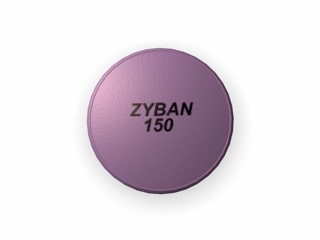
Zyban (Bupropion) – Patient Guide (UK)
Zyban contains bupropion. It is an established medicine used to help people stop smoking. This guide explains how Zyban works, how it is taken, what to expect, and how to stay safe while using it. It is written for patients in the United Kingdom.
| Topic | What you should know |
|---|---|
| Medicine | Zyban (bupropion) |
| Common use | Helping you stop smoking (with support/behavioural advice) |
| Typical strength | Commonly supplied as tablets for oral use (follow your pack) |
| How it works | Helps reduce nicotine cravings and withdrawal symptoms |
| Key safety point | Do not take if you have certain seizure risks or eating disorders |
Basic product information
Active ingredient: Bupropion (often referred to by the brand name Zyban).
Why it’s used: To support people trying to stop smoking by reducing cravings and withdrawal symptoms.
Availability in the UK: Zyban is a recognised medicine and may be supplied through UK pharmacies. Your local availability may vary depending on stock levels and pharmacy services.
How Zyban works (mechanism of action)
Zyban (bupropion) is believed to help with smoking cessation by affecting brain chemicals involved in reward and addiction. Specifically, bupropion is thought to:
- Increase activity of dopamine and noradrenaline pathways in the brain.
- Reduce nicotine cravings and help ease withdrawal symptoms.
- Support the brain in adapting to lower nicotine levels, making it easier to quit.
Importantly, it doesn’t simply “block nicotine”. Instead, it changes how your brain responds to cravings and withdrawal.
Pharmacokinetics (how the body handles Zyban)
“Pharmacokinetics” describes what happens to a medicine after you take it—absorption, distribution, metabolism, and elimination.
- Absorption: Bupropion is absorbed after oral dosing.
- Metabolism: Bupropion is metabolised in the body (primarily by the liver).
- Active metabolites: Some metabolites may contribute to the overall effect.
- Elimination: It is eliminated mainly through metabolism and subsequent clearance by the body.
- Why timing matters: Because levels change over time, taking tablets at the correct intervals and allowing an initial “build-up” period can be important for effectiveness.
If you have kidney or liver problems, or you take other medicines that affect liver enzymes, your prescriber may adjust your treatment approach.
Typical use in the UK
Zyban is used as part of a structured stop-smoking attempt, ideally combined with behavioural support such as smoking-cessation counselling, advice from your GP or pharmacist, or support services provided by NHS and local stop-smoking services.
For many people, success is improved when medicine and support work together.
Who it may be suitable for
- People who want to stop smoking and can follow a quit plan.
- Those who prefer a non-nicotine approach or have tried nicotine replacement previously.
Who should be extra cautious
Some conditions and medicines may make Zyban unsuitable or require extra monitoring. Key examples include:
- History of seizures or conditions that increase seizure risk.
- Eating disorders (such as bulimia or anorexia nervosa).
- Certain brain injuries or severe head injury.
- Regular or heavy alcohol use or abrupt stopping of alcohol or sedatives.
- Severe liver disease.
Always check your individual situation with a healthcare professional before starting.
How to start: timing and quit date
Zyban is usually started before your planned quit date. A common approach in smoking cessation is:
- Start Zyban first.
- Set a quit date during the first couple of weeks after starting.
- Continue Zyban through the quit attempt and beyond, as advised.
Important: Follow the dosing schedule provided with your own tablets and the advice from your healthcare professional. Different regimens may be used depending on your health and the specific product instructions.
Dosing (general information)
Doses may vary by individual and product presentation. For safety, it’s essential to use the dose instructions printed on your packaging or given by your clinician.
Common structure:
- Beginning dose: Often started at a lower dose and then increased after several days to improve tolerability.
- Maintenance dose: Typically taken at regular intervals across the day.
Take it at the right times: Many people find it helpful to take doses earlier in the day. Taking too late can worsen sleep problems for some people.
Do not exceed the recommended dose: Overdose increases the risk of serious side effects, including seizures.
Food interactions and taking with meals
Zyban can generally be taken with or without food. However, individual tolerability may vary:
- If you feel nausea or stomach discomfort, taking it with a meal may help.
- If you experience heartburn or indigestion, follow practical steps such as avoiding large late meals and taking doses earlier.
Alcohol considerations: See the section below for important safety information about drinking alcohol while taking bupropion.
Alcohol and medicine interactions
Alcohol
It’s important to be cautious with alcohol when taking Zyban. Alcohol may increase side effects such as dizziness, drowsiness, and impaired coordination, and it may also affect seizure risk—especially with heavy drinking or sudden withdrawal from alcohol.
- Avoid heavy or binge drinking.
- Seek advice if you drink regularly and are considering stopping or reducing abruptly.
- If you notice worsening dizziness, agitation, or unusual symptoms, contact a healthcare professional promptly.
Other medicines that may interact
Zyban can interact with several medicines. Interactions can change either how Zyban works or how other medicines work, and may increase the risk of side effects.
It’s especially important to mention all medicines and supplements you take, including:
- Other antidepressants or medicines that affect mood
- Medicines that lower the seizure threshold (for example, some antipsychotics, antimalarial medicines like mefloquine, stimulants, and others)
- Medicines used for Parkinson’s disease (some may increase seizure risk)
- Some antibiotics (certain drugs can influence seizure risk)
- Immunosuppressants or medicines affecting metabolism in the liver
- Ritonavir, efavirenz and other antiviral medicines
- Medicines that also affect brain chemicals (increasing risk of side effects such as agitation or tremor)
Seizure risk: Combining bupropion with other medicines that increase seizure risk or with alcohol misuse can raise the chance of serious events. Your pharmacist can help check interactions.
Nicotine products
Some people use Zyban alongside nicotine replacement therapy (NRT), such as patches, gum or inhalators, though the specific combination should be discussed with a healthcare professional to ensure it suits your situation.
Indications (what Zyban is used for)
Zyban is indicated to help people stop smoking. It may be recommended when:
- You want to quit and need support for cravings and withdrawal symptoms.
- Behavioural support is planned alongside the medicine.
It is not intended as a “quick fix”. A structured plan and continued use as instructed tend to offer better results.
Safety profile: side effects and warnings
Like all medicines, Zyban can cause side effects. Many are mild and improve as your body adjusts, but some require urgent attention.
Common side effects
- Dry mouth
- Headache
- Nausea or stomach discomfort
- Difficulty sleeping or insomnia
- Feeling restless or anxious
- Dizziness
- Changes in appetite
Less common but important risks
- Seizures (rare but serious; risk increases with certain factors such as high doses, eating disorders, abrupt alcohol withdrawal, or interacting medicines)
- Allergic reactions (for example, rash, swelling, breathing difficulty)
- High blood pressure in some people
- Heart-related symptoms such as palpitations or chest discomfort (seek medical advice if these occur)
- Neuropsychiatric effects such as agitation, unusual behaviour, or changes in mood
Seek urgent medical help if you experience
- Seizure or fainting
- Severe allergic reaction (swollen face/lips, difficulty breathing)
- Signs of serious mental health changes (e.g., severe agitation, confusion, suicidal thoughts)
- Severe rash or blistering skin reactions
If you are unsure whether symptoms are serious, contact NHS services (for example, NHS 111) for advice.
Practical use tips for better results
Medicine works best when combined with preparation and support. These tips are designed to help you get the most from Zyban while staying safe.
- Set a clear quit plan: Choose your quit date and write down reasons for quitting.
- Identify triggers: Think about when and why you smoke (morning coffee, stress, alcohol, social situations).
- Use coping strategies: Replace smoking routines with alternatives—short walks, sugar-free gum, deep-breathing, or a glass of water.
- Take doses consistently: Use a reminder on your phone or a pill organiser.
- Look after sleep: If insomnia occurs, take doses earlier in the day (and discuss persistent sleep problems with your pharmacist).
- Stay hydrated: Dry mouth can be managed with water and sugar-free sweets/gum.
- Don’t stop suddenly unless advised: If you want to stop or are experiencing side effects, discuss it with a healthcare professional rather than stopping abruptly.
Support matters: Many local stop-smoking services offer behavioural coaching and check-ins, which can significantly improve your chance of success.
Missed dose and what to do
If you miss a dose, follow the advice on the patient information leaflet for your specific product. In general:
- Do not take a double dose to make up for a missed tablet.
- Take your next dose at the usual time.
If you’re unsure, speak to a pharmacist for guidance.
Overdose: do not exceed the dose
Taking more than the prescribed dose increases the risk of serious harm, including seizures. If overdose is suspected, seek urgent medical help and contact the NHS urgent care pathway or emergency services.
Alternative options in the UK
If Zyban isn’t suitable or you prefer another approach, there are alternative smoking cessation treatments commonly available in the UK.
1) Nicotine replacement therapy (NRT)
- Patches (steady nicotine release)
- Gum or lozenges (for cravings)
- Inhalators or sprays (where available)
2) Varenicline
A medicine that works on nicotine receptors and may reduce cravings and withdrawal. Suitability depends on your medical history and other medicines.
3) Behavioural support and stop-smoking services
Structured counselling and support tools can be effective on their own or combined with medicine.
4) Combination approaches
Many people do best with a combined approach, such as combining behavioural support with medicine or using appropriate NRT strategies. A pharmacist or stop-smoking service can help tailor options.
Market and legal context (United Kingdom)
In the UK, smoking cessation medicines are regulated by the Medicines and Healthcare products Regulatory Agency (MHRA) and are used within national clinical frameworks and guidance from bodies including the NHS.
Access routes may include community pharmacies and GP services, with decisions based on individual suitability and safety. Local stop-smoking services may provide additional support and monitoring.
Recent guidance (UK context)
UK smoking cessation guidance has consistently emphasised:
- Combining stop-smoking medicines with behavioural support where possible.
- Choosing the safest and most suitable option based on the patient’s medical history, comorbidities, and concurrent medicines.
- Regular follow-up to address side effects and adjust the plan if needed.
Guidance and eligibility criteria can change over time. If you want the most current local recommendations, your pharmacist or NHS stop-smoking service can advise.
Delivery and availability (online pharmacy)
Availability and delivery options can vary by supplier and prescription/dispensing arrangements. If ordering online, you should expect:
- Clear information about stock status and estimated delivery times.
- Secure packaging suitable for medicines.
- Compliance checks (for example, identity/eligibility processes where required by UK law and pharmacy regulations).
When ordering, check:
- Whether delivery is available to your postcode/area.
- Any cut-off times for same-day or next-day dispatch.
- How to track your delivery.
- Return and cancellation policies for medicines (which may be restricted for safety reasons).
Frequently Asked Questions (FAQ)
1) How long does it take for Zyban to work?
Zyban is typically started before the quit date so your body can build up to the medicine’s effect. Many people notice reduced cravings and withdrawal symptoms over the first days to weeks. Your experience can vary, and behavioural support can make a difference.
2) Can I drink alcohol while taking Zyban?
It’s best to be cautious. Alcohol can increase side effects and may increase seizure risk, particularly with heavy drinking or abrupt withdrawal from alcohol. If you drink regularly, ask a healthcare professional or pharmacist for personal advice.
3) What if I can’t quit on the planned quit date?
Don’t give up. Quitting is a process and many people need adjustments. Contact your stop-smoking service or pharmacist to refine your plan and continue support.
4) Will Zyban make me feel different in a bad way?
Some people experience mild side effects such as headache, dry mouth, nausea, or insomnia—often during the adjustment period. If side effects are severe, worsening, or you develop worrying symptoms (including signs of an allergic reaction, seizures, or major mood changes), seek medical advice promptly.
5) Can I take Zyban with other medicines?
Some medicines can interact with bupropion. Always tell your pharmacist or healthcare professional about all medicines you take, including over-the-counter products and herbal supplements.
6) What should I do if I get insomnia?
Try taking doses earlier in the day (as directed on your regimen). Avoid late caffeine and large evening meals. If insomnia continues, speak to your pharmacist—adjusting the schedule or addressing contributing factors may help.
7) Is Zyban suitable for everyone who wants to stop smoking?
No. Zyban may not be suitable for people with certain medical conditions (such as seizure risk or certain eating disorders) or for those taking interacting medicines. A healthcare professional can assess suitability based on your health history.
8) How should I store Zyban tablets?
Store tablets according to the instructions on the package and patient leaflet. Keep them out of sight and reach of children and protect from moisture and excessive heat.
9) Does Zyban help with cravings only, or also reduce withdrawal symptoms?
It can help with both cravings and withdrawal symptoms by modifying brain pathways associated with nicotine dependence. Many people find cravings become easier to manage as treatment continues and routines change.
10) What are the best ways to increase chances of success?
For most people, combining Zyban with a quit plan and support gives the best chance. Consider counselling, phone or online coaching, trigger planning, and strategies for high-risk times (stress, alcohol, social situations).
Summary
Zyban (bupropion) is a medicine used in the UK to support smoking cessation. It helps reduce nicotine cravings and withdrawal symptoms by acting on brain chemicals involved in addiction. Correct timing, consistent use, and combining treatment with behavioural support can improve the chance of quitting successfully. While many side effects are mild, it’s important to understand safety warnings—particularly seizure risk and potential interactions with other medicines and alcohol. If you have questions about whether Zyban is suitable for you, speak to a pharmacist or stop-smoking service for tailored advice.