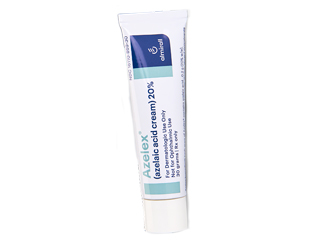
Azelex (Azelaic Acid) — Patient Guide (UK)
Azelex contains azelaic acid, a medicine used to treat skin concerns such as acne and rosacea. It works on multiple targets in the skin, helping to reduce inflammation, unblock pores, and improve the appearance of uneven skin tone. This guide explains how Azelex works, how to use it safely, and what to expect.
Quick product overview
| Category | Details |
|---|---|
| Active ingredient | Azelaic acid |
| Common strengths (varies by product) | Often 20% cream (commonly supplied in the UK as Azelex 20% cream) |
| How it’s used | Topical (applied to the skin) |
| Main skin goals | Acne (especially inflammatory lesions), rosacea symptoms, and pigment-related concerns (e.g., uneven tone) |
| Typical start time | Some improvement may be noticed after a few weeks; best results often take several months |
| How often | Commonly 1–2 times daily depending on condition and tolerance |
What is Azelex?
Azelex (azelaic acid) is a topical treatment applied to the skin. It is a naturally occurring dicarboxylic acid. In dermatology, it is valued for its ability to:
- Reduce clogged pores and help prevent new acne lesions
- Calm redness and inflammation in rosacea
- Support a more even skin tone by affecting pigment production
How it works (mechanism of action)
Azelaic acid has several complementary actions in the skin:
- Anti-inflammatory effects: Helps reduce inflammation and redness, which is important for acne and rosacea.
- Antimicrobial activity: Can reduce growth of acne-related bacteria on the skin surface.
- Unclogging and keratin regulation: Helps normalise the way skin cells shed inside pores, reducing the formation of comedones (blocked pores).
- Antioxidant properties: Supports skin’s defence against oxidative stress, which may contribute to irritation and pigment changes.
- Skin lightening / anti-pigment effects: Can reduce abnormal melanin formation, useful for areas of darkening (hyperpigmentation).
Why this matters: Unlike treatments that only target one factor, azelaic acid works across multiple pathways. That is one reason it can be suitable for people who want a gentler, multi-purpose option.
Pharmacokinetics (what happens in the body)
Because Azelex is applied to the skin, only a small amount is absorbed systemically in most people.
- Absorption: Azelaic acid is absorbed through the skin to a limited extent.
- Distribution: Systemically absorbed azelaic acid distributes throughout the body.
- Metabolism: It is broken down into smaller components (including dicarboxylic acids).
- Elimination: Predominantly cleared by the kidneys (via urine).
Clinical takeaway: Topical azelaic acid generally results in low whole-body exposure, which supports its good local safety profile for many users.
Typical use in the UK
Azelex is commonly used for:
- Acne vulgaris (particularly inflammatory acne)
- Rosacea (to help reduce redness and inflammatory bumps)
- Hyperpigmentation / uneven tone in appropriate cases (for example, after blemishes)
Results depend on your skin type, severity, and whether you are using a consistent routine.
Indications (when you might consider Azelex)
In everyday practice, azelaic acid products are used where the main skin problems involve:
- Red, inflamed spots and acne lesions
- Persistent redness and visible inflammation associated with rosacea
- Dark marks caused by post-blemish pigmentation (where appropriate for your skin)
If your symptoms are severe, rapidly worsening, or you’re unsure about the cause (e.g., eczema, infection, or allergy), it’s best to seek professional advice.
How to use Azelex: dosing and timing
Typical dosing schedule
Most people start with a conservative approach to reduce irritation:
- Starting phase (first 1–2 weeks): Apply a thin layer once daily (often at night)
- Maintenance phase: If tolerated, increase to twice daily (morning and evening)
Important: Always follow the instructions provided with your specific product and packaging.
How much to apply
- Use a thin layer covering the affected area.
- A small amount is usually enough for the face; avoid over-application, which can increase irritation.
- If you are treating a larger area, apply evenly rather than thickly.
Step-by-step routine
- Cleanse with a gentle cleanser and pat the skin dry.
- Wait about 10–20 minutes if your skin feels damp or warm (this can improve tolerance).
- Apply a thin layer of Azelex to the affected areas (and usually just beyond visible spots).
- If dryness occurs, apply a moisturiser after the medication has absorbed (often within 10 minutes) or use a moisturiser beforehand if advised in your routine.
How long before you see effects?
- Early signs: may appear after a few weeks
- More noticeable improvement: typically after 8–12 weeks
- For pigment and long-term control: may take several months
Continue regularly even if you don’t see immediate changes—stopping too early can delay results.
Food interactions
No direct food interactions are expected with azelaic acid when used topically, because the medication is applied to the skin and systemic absorption is limited.
That said, general skin health can be influenced by overall diet and hydration. If you notice certain foods consistently worsen your acne or rosacea, it may be worth discussing triggers with a healthcare professional.
Alcohol and medicine interactions
Alcohol
There are no well-established direct interactions between topical azelaic acid and alcohol. However:
- Alcohol can trigger or worsen flushing in some people with rosacea.
- If you notice symptoms worsen after drinking, reducing alcohol or avoiding alcohol triggers may help.
Other medicines
Because Azelex is applied to the skin, systemic drug–drug interactions are unlikely. Still, interactions can occur at the skin level (irritation or changes in how your skin barrier behaves).
- Other topical acne products: Using multiple active ingredients at once (e.g., strong exfoliants, retinoids, benzoyl peroxide, or other acids) may increase dryness or irritation.
- Makeup and occlusive products: These can trap heat and increase irritation for some people.
- Medicated cleansers/toners: If they are very drying, you may need to simplify your routine while you start Azelex.
Practical suggestion: Introduce Azelex gradually and consider using other potentially irritating products less frequently at first (for example, on alternate evenings).
Safety profile and side effects
Azelex is generally well tolerated, but it can cause skin irritation, especially during the first days or weeks.
Common side effects
- Skin dryness
- Stinging or burning sensation (particularly at the start)
- Redness
- Itching
- Peeling or mild flaking
Less common concerns
- More pronounced irritation in sensitive individuals
- Allergic-type skin reactions (rare)
When to stop and seek help
Stop using the product and seek medical advice promptly if you experience:
- Signs of a serious allergic reaction (e.g., swelling of the face, lips, or throat; widespread rash)
- Severe or persistent burning that does not settle after reducing frequency
- Blistering, weeping, or skin breakdown
Special skin considerations
- Avoid eyes, lips, and inside the nostrils.
- Use caution on broken, sunburnt, or freshly shaved skin.
- If you have eczema, sensitivity can be higher—start slowly and consider extra moisturising.
Practical use tips for best results
- Start low, go slow: Once daily at first can reduce stinging.
- Consistency beats intensity: Apply regularly as directed rather than applying thicker layers.
- Moisturiser helps: A simple moisturiser can improve comfort and adherence.
- Use sun protection: UV exposure can worsen acne marks and pigmentation. Consider broad-spectrum sunscreen daily.
- Be gentle with cleansing: Over-washing or scrubbing can worsen irritation.
- Patch test if you’re sensitive: If you have a history of sensitive skin, apply to a small area first and monitor for 24–48 hours.
If stinging happens
Temporary stinging is common early on. Try:
- Applying less frequently (e.g., every other day)
- Using a moisturiser to support the skin barrier
- Waiting for the skin to fully dry after cleansing
If symptoms remain severe, reduce use and get advice.
Alcohol and rosacea: a practical note
Rosacea can involve flushing triggers. Some people find that alcohol—especially red wine or spirits—worsens facial redness. If you use Azelex for rosacea, track any patterns you notice between drinking and symptom flare-ups. You may be able to identify personal triggers.
Alternative options
If you’re looking for alternatives, the best choice depends on whether your main concern is acne, rosacea, or hyperpigmentation. Options may include:
- Other topical acne treatments: such as benzoyl peroxide, topical retinoids (e.g., adapalene/tretinoin depending on availability), and topical antibiotics in some cases.
- Azelaic acid alternatives: other formulations with azelaic acid (different brand or strength) or similar anti-pigment agents used for uneven tone.
- For rosacea: soothing topical treatments; sometimes other prescription skin therapies or gentle skincare routines.
- For pigmentation: sunscreen plus targeted brightening agents can complement azelaic acid.
Tip: If you’re switching, consider spacing out introductions to reduce the chance of irritation.
Market and legal context in the UK
In the United Kingdom, topical medicines are regulated under UK pharmaceutical laws. Products like azelaic acid are typically supplied through pharmacy channels depending on the specific product, strength, and the status assigned to that medicine.
What this means for you:
- You may see azelaic acid products labelled for acne or rosacea depending on the marketing authorisation.
- Availability and supply routes can vary by product strength and manufacturer.
- Packaging and instructions should always be checked for the exact usage information relevant to the item you buy.
Recent guidance: Dermatology guidance generally supports a “start slowly” approach for topical actives to improve tolerability and adherence. For acne and rosacea, moisturising, sun protection, and avoiding harsh, overlapping irritants are commonly recommended practices.
Delivery and availability (UK)
Availability of Azelex (azelaic acid) can vary by stock level and the exact product presentation. Most online pharmacies in the UK aim to deliver within standard courier times once your order is processed.
- In-stock items: typically despatched promptly during business hours
- Shipping times: depend on location and courier service
- Packaging: medicines are generally packed securely to prevent leakage or damage
- Tracking: many services provide a delivery update or tracking link
If you need delivery by a particular date, check the website’s delivery options at checkout.
FAQ
1) Can I use Azelex on my whole face?
Often, it can be used on affected areas and sometimes beyond visible spots. However, if your skin becomes very irritated, you may need to limit application to areas with symptoms. Start with a thin layer and adjust based on tolerance.
2) Will Azelex make my skin dry?
Some dryness or peeling is common, especially at the beginning. Using a moisturiser and starting once daily can improve comfort. If irritation is significant, reduce frequency and seek advice if it doesn’t settle.
3) How should I combine Azelex with moisturiser or sunscreen?
You can apply moisturiser after Azelex once it has absorbed (or before, depending on your comfort and routine). Sunscreen should be applied during the day, especially since sun can worsen pigmentation and irritation.
4) Can I use Azelex with other acne products?
It depends on the product. Combining multiple strong actives may increase irritation. If you want to use other acne treatments, consider introducing them one at a time and use a less frequent schedule initially (for example, alternate evenings). If unsure, ask a pharmacist or healthcare professional.
5) Is it safe to use during pregnancy or breastfeeding?
Many topical treatments are used in these situations only after careful consideration. For personal guidance, speak with a healthcare professional. Always read the product leaflet and follow the advice given for your specific circumstances.
6) What if I miss a dose?
Use it when you remember unless it’s nearly time for your next dose. Do not apply extra amounts to make up for a missed dose.
7) When should I expect improvements for acne?
Some people notice changes after a few weeks, but meaningful improvement often takes 8–12 weeks with consistent use. Continue as directed for the best results.
8) How long does hyperpigmentation take to fade?
Dark marks often improve gradually. It may take several months to see the greatest effect, alongside strict sun protection.
9) Can Azelex cause a rash?
Mild irritation such as redness or stinging is common. A more severe rash, swelling, or signs of allergy require stopping the product and seeking advice promptly.
10) Does it have a smell or stain?
Azelaic acid creams may have a mild odour and can sometimes leave a residue depending on the formulation and how much you apply. Using a thin layer and allowing it to absorb can help.
Summary
Azelex (azelaic acid) is a versatile topical treatment for acne, rosacea symptoms, and certain pigment-related skin concerns. It works by reducing inflammation, supporting normal pore function, and helping limit pigment formation. For many people, the key to success is consistent use, starting slowly to reduce irritation, and supporting the skin barrier with moisturiser and daily sun protection.
If you have persistent symptoms, severe irritation, or uncertainty about suitability for your condition, consult a qualified healthcare professional for tailored advice.