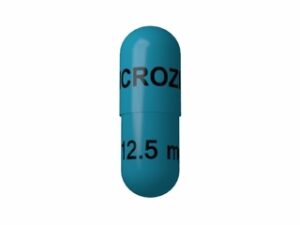
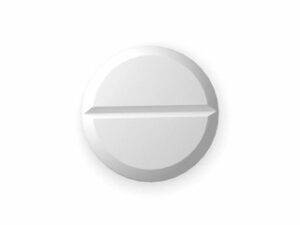
Acetazolamide: Patient-Friendly Guide (UK)
Acetazolamide is a medicine used to treat several conditions where reducing certain body processes can help—most notably some types of glaucoma and certain fluid-related pressure problems, and it is also used to help prevent altitude sickness in some circumstances. This guide explains what acetazolamide does, how it works in the body, how it’s typically used, common safety considerations, and practical tips for taking it safely.
Always follow the instructions given with your medicine and consult a healthcare professional if you have questions—especially if you have kidney problems, are pregnant or breastfeeding, or take other medicines.
Basic product information
| Category | Details |
|---|---|
| Active ingredient | Acetazolamide |
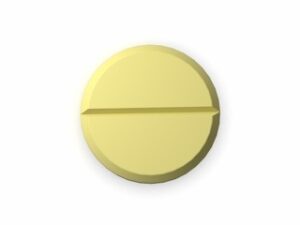
| Common forms | Tablets (strengths vary by brand); oral use |
| ATC class (general) | Drugs for treatment of nervous system disorders / diuretics and other agents (carbonic anhydrase inhibitors) |
| Typical UK availability | Available through UK pharmacy channels; availability can vary by brand and stock |
| How it works | Carbonic anhydrase inhibitor (changes acid-base balance, reduces fluid production in certain tissues) |
What is acetazolamide and how does it work?
Acetazolamide belongs to a group of medicines called carbonic anhydrase inhibitors. Carbonic anhydrase is an enzyme involved in balancing acids and bicarbonate (a natural chemical buffer) in the body. By blocking this enzyme, acetazolamide causes changes that can:
- Reduce fluid production in the eye, which can lower intraocular pressure (useful in certain glaucoma settings).
- Promote changes in the kidney’s handling of bicarbonate, leading to increased excretion of bicarbonate and salts.
- Alter breathing drive by inducing mild metabolic acidosis, which can help the body acclimatise at high altitude.
Mechanism of action (more detail)
Inhibition of carbonic anhydrase affects processes in the renal tubules and various tissues including those involved in eye fluid production. The result is a diuretic (water-promoting) effect and a shift in acid-base balance. In the context of altitude, the change in acid-base balance can stimulate breathing, which may improve oxygenation.
Pharmacokinetics: how the body handles acetazolamide
Understanding pharmacokinetics can help explain why timing and adherence matter. (Exact figures can vary between individuals and formulations.)
- Absorption: Acetazolamide is absorbed after oral dosing.
- Distribution: It distributes into body tissues; it can cross into areas where carbonic anhydrase is active.
- Metabolism: It is not extensively metabolised.
- Elimination: Primarily excreted by the kidneys.
- Half-life: The medicine’s effects depend on how quickly it clears—especially important in kidney impairment.
Because acetazolamide is mainly removed via the kidneys, renal function is a key factor for safety. People with reduced kidney function may need closer monitoring and dose adjustments.
Typical uses of acetazolamide in the UK
Acetazolamide may be used for conditions where reducing production of certain fluids or changing acid-base balance can help. Indications commonly include:
1) Eye conditions
- Raised intraocular pressure in certain types of glaucoma, often as part of a broader treatment approach.
- Acute episodes where rapid reduction of pressure may be needed, under clinician guidance.
2) Fluid and pressure-related neurological conditions
- Idiopathic intracranial hypertension (IIH) in some cases, where a clinician may consider acetazolamide to help reduce pressure symptoms.
3) Altitude sickness prevention
- Prevention of acute mountain sickness in people travelling to high altitude who are at risk, as part of a safe ascent strategy.
- It is important to note that acetazolamide is not a substitute for gradual ascent and acclimatisation.
Timing: when to take it and how quickly it can work
Timing depends on the condition being treated. In general:
- Eye-related uses: Dosing schedules are typically divided through the day to maintain effect.
- Altitude sickness prevention: Acetazolamide is commonly started before ascent so that its effect is present when you reach higher altitude. The exact start time depends on the plan provided for your trip.
- Other uses: Follow the dose schedule provided by your healthcare professional and the medicine’s instructions.
If you miss a dose, don’t double up without advice. See the FAQ for a general approach.
Dosing: general principles (UK)
Dosing varies by indication, age, kidney function, and other factors. Because acetazolamide is mainly cleared by the kidneys, dose adjustments may be required in people with kidney problems.
Common dosing patterns used by clinicians may include:
- Eye conditions: Often taken in divided doses during the day.
- Idiopathic intracranial hypertension (IIH): Typically titrated gradually to balance effectiveness and side effects.
- Altitude sickness prevention: Given as a short-term course starting before high altitude and continuing while you remain at risk.
Important: Do not use acetazolamide at doses outside the instructions you’ve been given for your specific situation. If you’re unsure about your regimen, speak to a pharmacist or prescriber.
Food interactions
Acetazolamide can generally be taken with or without food. Food may help reduce stomach upset for some people. If you’re prone to nausea, taking it with meals can be more comfortable.
There are no widely recognised major dietary restrictions, but maintaining good hydration is useful—especially for altitude travel and for people experiencing increased urination.
Alcohol and medicine interactions
Alcohol
Moderate alcohol may not directly “block” acetazolamide, but combining alcohol with any medication that can cause dizziness, fatigue, or dehydration could increase side effects. For people travelling to altitude (where dehydration and fatigue are already concerns), limiting alcohol is strongly advisable.
Medicine interactions
Several medicine classes can interact with acetazolamide, primarily through effects on acid-base balance and kidney handling. Tell your pharmacist or clinician about all medicines you take, including over-the-counter products.
Notable interaction considerations include:
- Other diuretics (can increase fluid and electrolyte changes).
- Salicylates and some anti-inflammatory medicines: may influence acid-base status or increase risk of certain effects.
- Medicines that affect electrolytes (for example, potassium-changing drugs).
- Diabetes medicines: changes in glucose levels can occur with some diuretics; monitor if you use diabetes treatment.
- Anticonvulsants (for example, topiramate): both can affect bicarbonate/acid-base balance, potentially increasing risk of metabolic acidosis.
This is not an exhaustive list. If you have a medication list, share it with a healthcare professional for a tailored check.
Safety profile: side effects and when to seek help
Like all medicines, acetazolamide can cause side effects. Many are mild and improve as your body adjusts, but some require prompt medical assessment.
Common or expected side effects
- Tingling or “pins and needles” (particularly in hands/feet)
- Increased urination
- Loss of appetite
- Nausea or mild stomach upset
- Altered taste (sometimes a metallic taste)
- Fatigue or drowsiness in some people
Less common but important risks
- Electrolyte or acid-base changes (e.g., low potassium, metabolic acidosis), especially with longer use or in people with kidney impairment.
- Kidney stone risk (carbonic anhydrase inhibitors can change urine chemistry in a way that may increase risk for some individuals).
- Allergic reactions, including rash or swelling.
- Severe skin reactions (rare, but urgent if symptoms occur).
Seek urgent medical help if you develop
- Severe or worsening rash, blistering, or skin peeling
- Swelling of the face/lips, trouble breathing
- Confusion, severe weakness, fainting, or fast/irregular heartbeat
- Signs of kidney problems (e.g., significantly reduced urine output, severe back/flank pain)
- Severe allergic-type symptoms or high fever
Monitoring (what your clinician may check)
Depending on the reason for use and duration, healthcare professionals may consider:
- Kidney function tests
- Electrolytes (e.g., sodium, potassium)
- Acid-base status (bicarbonate levels may be checked in some contexts)
- Eye-related monitoring if used for glaucoma/pressure management
Who should be extra cautious?
Acetazolamide may not be suitable for everyone. Extra caution (and professional advice) is important if you have:
- Kidney impairment or a history of kidney stones
- Liver disease (discuss suitability and monitoring)
- Electrolyte disorders or low potassium/bicarbonate in the past
- Severe lung or breathing problems (because acid-base changes can affect breathing)
- Allergy to sulfonamides or related medicines (discuss risk carefully)
- Pregnancy or breastfeeding (see section below)
Pregnancy and breastfeeding
If you are pregnant, planning pregnancy, or breastfeeding, talk to a healthcare professional before using acetazolamide. The balance between benefit and risk depends on the condition being treated and how long you would take it. During pregnancy and breastfeeding, careful consideration is required because the medicine can affect fluid and acid-base balance.
Practical use tips (UK)
These tips can help you take acetazolamide more comfortably and reduce preventable issues:
- Hydrate sensibly: Drink water regularly. Increased urination is common, so dehydration can worsen side effects.
- Expect frequent urination: Plan dosing times so you can manage bathroom access.
- Manage tingling: Tingling is a recognised effect. If it becomes severe or is accompanied by weakness or confusion, seek advice.
- Check your diet if needed: Some people benefit from discussing electrolyte intake (especially if you have vomiting, diarrhoea, or ongoing losses).
- Avoid high-risk travel mistakes: For altitude, do not rely on tablets alone—follow a safe ascent profile and know the symptoms of severe altitude illness.
- Keep an eye on kidney stone symptoms: Severe flank pain, blood in urine, or persistent pain should be assessed promptly.
- Be cautious with driving: If acetazolamide makes you drowsy or dizzy, avoid driving or operating machinery.
Acetazolamide and altitude sickness: key guidance
Altitude sickness can range from mild symptoms (headache, nausea) to life-threatening conditions. While acetazolamide may help prevent acute mountain sickness, it’s still vital to recognise warning signs.
Good practice during altitude travel
- Acclimatise gradually: Increase altitude stepwise when possible.
- Stay hydrated and avoid excessive alcohol.
- Know severe symptoms: breathlessness at rest, persistent cough with frothy sputum, confusion, inability to walk normally, or severe worsening symptoms require urgent help.
- Do not “push through”: If symptoms are escalating, descending to lower altitude is often the most effective step.
Alternative options (depending on the condition)
Alternatives vary by indication. Below are examples of other approaches that healthcare professionals may consider:
For glaucoma or raised eye pressure
- Topical eye drops that reduce eye pressure (e.g., prostaglandin analogues, beta-blockers, carbonic anhydrase inhibitor eye drops, or others).
- Laser or surgical interventions where appropriate.
For idiopathic intracranial hypertension (IIH)
- Weight management plans (for eligible patients)
- Other medicines used in selected cases
- Surgical options for certain severe or persistent cases
For altitude sickness prevention
- Gradual ascent and acclimatisation (the cornerstone)
- Other medical strategies may be considered for certain travellers, depending on risk profile and clinician advice
If you’re considering an alternative, ask a pharmacist or clinician which options fit your medical history and travel plans.
UK market and legal context (overview)
In the UK, medicines are regulated and classified according to safety and legal requirements. Where acetazolamide is available, it may be supplied via pharmacy services depending on the product formulation and the applicable UK medicines classification and service pathway used for supply.
Availability may vary by strength, manufacturer, and current stock levels. Some products may be subject to supply changes over time. Our pharmacy availability information is updated regularly where possible.
For individual eligibility and safe use, the relevant UK healthcare pathway and clinical checks apply to ensure the right medicine for the right person.
Recent guidance and practical note
Guidance for conditions treated with acetazolamide (such as IIH, glaucoma, and altitude illness prevention) continues to evolve as new evidence is published. In particular:
- Altitude prevention: safe ascent and symptom-based action remain central. Medication is an add-on for selected travellers.
- Longer-term or complex medical conditions: electrolyte and kidney monitoring may be more emphasised in clinical pathways.
- Individual risk assessment: kidney function and interaction checks are increasingly important with multi-medicine use.
If you’re unsure how current guidance applies to your situation, a pharmacist can help you interpret your instructions alongside your history.
Delivery and availability (UK)
Acetazolamide may be available through UK online pharmacies depending on stock, brand, and formulation. Typical delivery practices include:
- Dispatch times: Orders are usually dispatched on working days when stock is available.
- Delivery options: Services may vary by location and courier availability.
- Cold chain: Not typically required for acetazolamide tablets.
- Substitution: If a specific brand/strength is unavailable, alternatives may be offered where allowed. Check label strength before use.
If you need the exact strength or brand, check product listings and confirm before placing an order. If you have an urgent time-sensitive travel plan (for example, imminent high-altitude travel), allow extra time for delivery.
FAQ about acetazolamide
1) What is acetazolamide used for?
Acetazolamide is used for several conditions, including some causes of raised eye pressure, selected pressure-related neurological conditions, and prevention of acute mountain sickness in some travellers.
2) How should I take acetazolamide?
Take it exactly as instructed. Many people take it orally with water, with or without food. If it upsets your stomach, taking it with meals may help.
3) When should I start it for altitude sickness prevention?
Start time depends on your ascent plan and your clinician’s advice. Many regimens begin before reaching higher altitude so the body has time to adjust. If you’re using acetazolamide for travel, follow the schedule provided for you.
4) What side effects are common?
Common effects include tingling (pins and needles), increased urination, altered taste, mild nausea, and tiredness or fatigue.
5) Can I drink alcohol while taking acetazolamide?
It’s best to keep alcohol to a minimum, especially if you experience dizziness or fatigue or if you are travelling at altitude. If you’re unsure, ask a pharmacist based on your health and other medicines.
6) Does acetazolamide interact with other medicines?
Yes. Interactions can occur with other diuretics, medicines affecting electrolytes, and some drugs that influence acid-base balance. Always share your full medicine list with a healthcare professional.
7) Can I take it with food?
Yes, acetazolamide can usually be taken with or without food. Food may reduce stomach upset for some people.
8) What if I miss a dose?
If you miss a dose, take it when you remember unless it is close to the time for your next dose. Don’t double up. If you’re unsure, ask a pharmacist for advice based on your dosing schedule.
9) Who should not use acetazolamide or should seek advice first?
People with kidney impairment, significant electrolyte disorders, certain breathing conditions, or a history of severe reactions should seek professional advice before use. Pregnant or breastfeeding individuals should also discuss suitability.
10) Are there signs that I should stop and get medical help?
Seek urgent medical help if you develop severe rash, swelling, trouble breathing, confusion, severe weakness, or other serious symptoms. If you experience persistent or worsening side effects, contact a healthcare professional promptly.
Summary
Acetazolamide is a carbonic anhydrase inhibitor used in the UK for specific medical conditions such as raised eye pressure, selected neurological pressure disorders, and prevention of acute mountain sickness in appropriate circumstances. It works by changing acid-base balance and fluid handling, which can lower pressure in certain tissues and help acclimatisation at altitude.
For safe and effective use, pay special attention to kidney function, stay hydrated, be aware of common side effects, and watch for warning signs. If you have questions about dosing, timing, or interactions, speak to a pharmacist before taking acetazolamide.