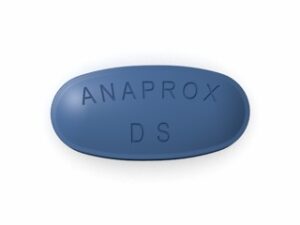
Allopurinol
Allopurinol is a medicine used to lower uric acid levels in the body. It is commonly prescribed in the United Kingdom for conditions such as gout and certain types of kidney stones. This guide explains how it works, how it’s usually taken, what to watch for, and practical tips to help you get the best results.
Quick product overview
| Category | Details |
|---|---|
| Medicine | Allopurinol |
| What it does | Reduces production of uric acid |
| Common uses | Gout, high uric acid (hyperuricaemia), uric acid kidney stones, and prevention of uric acid build-up in certain conditions |
| Typical dosing approach | Often started low and increased gradually to reach a target uric acid level |
| How long it takes | Uric acid can fall within days; flare prevention and symptom control may take weeks |
| Common forms | Tablets (strengths vary by brand) |
What is allopurinol?
Allopurinol is a medicine that helps control the amount of uric acid in your body. Uric acid is a waste product made when your body breaks down purines (natural substances found in the body and in some foods). When uric acid levels become too high, it can form crystals in joints and tissues, leading to gout, and it can also contribute to uric acid stones in the kidneys.
How allopurinol works (mechanism of action)
Allopurinol belongs to a group of medicines called xanthine oxidase inhibitors. Xanthine oxidase is an enzyme involved in the pathway that converts purines into uric acid.
- Allopurinol reduces uric acid production by blocking xanthine oxidase.
- Over time, uric acid levels fall and existing deposits may stabilise, reducing the likelihood of further gout attacks and uric acid stones.
- During the early period of treatment, a change in uric acid levels can sometimes trigger gout flares, which is why careful management at the start is important.
Pharmacokinetics: how the body handles it
Understanding how allopurinol behaves in the body may help you take it correctly and know what to expect.
Absorption
After oral use, allopurinol is absorbed from the gastrointestinal tract. Its active effects are mainly due to both allopurinol and its metabolite.
Metabolism
Allopurinol is converted to oxypurinol, which also contributes to reducing uric acid. Oxypurinol is eliminated more slowly than allopurinol, helping maintain effect over time.
Distribution and elimination
Both allopurinol and oxypurinol are handled by the body with the help of kidney function. If you have kidney problems, your prescriber may adjust dosing to reduce the risk of side effects.
Tip: If you miss doses, your uric acid level may slowly rise again. Consistent use (as advised) is key to long-term control.
Typical uses and indications (what it’s used for in the UK)
In the United Kingdom, allopurinol is commonly used for:
- Gout (including chronic gout and prevention of future attacks when uric acid is high).
- Hyperuricaemia (high uric acid levels), especially when associated with gout or uric acid stones.
- Uric acid kidney stones and prevention of recurrent uric acid stones.
- Conditions with increased uric acid production, such as certain treatments for blood disorders where uric acid can rise rapidly (use depends on individual circumstances).
How and when to take allopurinol
Taking allopurinol at the right time helps maintain steady uric acid control. Many people take it once daily, though dosing frequency and strength can vary by individual needs.
Starting and dose adjustments
A common approach is to start with a low dose and then increase gradually. This helps reduce the risk of early gout flares and allows the medicine to reach the target uric acid range.
Timing
- Many people take allopurinol once a day.
- Choose a routine time that is easy to remember. Some people prefer the evening, but follow the specific instructions provided with your medicine.
- Try to take it at the same time each day for consistent effect.
With or without food
Allopurinol is usually taken with a drink of water and can be taken with or without food. If your stomach feels unsettled, taking it after a meal may improve comfort.
If you miss a dose
If you miss a dose, take it when you remember on the same day. If it’s close to the time of your next dose, skip the missed dose and continue as normal. Do not take double doses to make up for a missed tablet.
Food interactions and dietary considerations
Allopurinol helps reduce uric acid production, but diet can still make a difference. There are no strict “forbidden” foods solely because of allopurinol, yet it’s helpful to reduce triggers that raise uric acid.
Foods that may raise uric acid
- Alcohol (especially beer and spirits) and sugary drinks
- Foods high in purines (examples may include certain red meats, organ meats, and some types of seafood)
- Large portions of high-fructose foods and drinks
Hydration
Drinking enough water can help reduce the risk of kidney stones. Your clinician may advise aiming for a certain fluid intake, particularly if you have a history of stones.
Weight and overall lifestyle
If you are overweight, gradual weight loss may help lower uric acid levels. Avoid crash dieting, which can increase uric acid temporarily.
Alcohol interactions
Alcohol can increase uric acid levels and trigger gout attacks in many people. While alcohol is not always an absolute “contraindication” with allopurinol, it can undermine control and increase flare risk.
- Beer and spirits may be more likely to trigger gout than some other alcoholic drinks.
- Heavier or binge drinking increases risk further.
- If you drink, keep it modest and notice how your body reacts—gout flares after alcohol are common in susceptible individuals.
If you have had gout attacks, kidney stones, or frequent symptoms, consider limiting alcohol strongly. Discuss your situation with a healthcare professional for personal advice.
Medicine interactions
Allopurinol can interact with other medicines. Some combinations may increase the risk of side effects. Always inform your healthcare professional about all medicines you take, including over-the-counter products and herbal remedies.
Examples of important interactions
- Azathioprine and 6-mercaptopurine (commonly used in immune conditions and some cancers): allopurinol can increase levels of these medicines and toxicity risk.
- Warfarin (a blood thinner): monitoring may be needed because interactions can affect blood clotting control.
- Some antibiotics, for example ampicillin/amoxicillin: rashes can occur more often in some people.
- Diuretics (water tablets), including thiazides and loop diuretics: these may affect uric acid levels and the balance of gout control.
- Other gout medicines (such as colchicine or anti-inflammatory pain relief): these are sometimes used temporarily at the start to help prevent flares.
Always check labels: “Non-prescription” does not always mean “no interaction.” If you start any new medicine, ask a pharmacist or clinician whether it is safe with your allopurinol.
Dosing: common dosing principles (UK)
Dosing depends on your condition, age, kidney function, and your blood uric acid target. Many regimens involve gradual titration.
How dosing is usually managed
- Start low: lower starting doses are often used to reduce the risk of early gout flares.
- Increase gradually: the dose may be stepped up based on follow-up uric acid blood tests.
- Individual targets: your target uric acid level is chosen by your prescriber based on your history and risk.
- Kidney function matters: if you have reduced kidney function, dose adjustments may be required.
Typical dosing ranges (general information)
Doses vary widely between individuals and across different formulations. It is not appropriate to provide a single “one-size-fits-all” dose here. Your pharmacist or healthcare professional can confirm the correct strength and schedule for you.
Important: Do not change your dose without medical advice, even if symptoms improve. Uric acid control is measured by blood tests, not only by day-to-day discomfort.
Safety profile: what to watch for
All medicines can cause side effects. Many people tolerate allopurinol well, but it’s important to recognise potential warning signs early. If you experience serious symptoms, seek medical help promptly.
Common or less serious side effects
- Nausea, stomach upset, or diarrhoea
- Mild rash or itching (inform your clinician)
- Headache or tiredness
Serious side effects: seek urgent medical advice
Serious reactions are uncommon but important. Contact urgent medical services or your nearest emergency department if you develop symptoms such as:
- Severe skin rash, blistering, peeling skin, or sores in the mouth/eyes
- Fever and worsening illness with rash (could indicate a serious hypersensitivity reaction)
- Swelling of the face, difficulty breathing, or widespread hives
- Severe weakness or signs of liver or kidney problems (for example, unusual yellowing of the skin/eyes)
Who may be at higher risk?
Risk can increase with certain factors, including existing kidney impairment and some genetic background. Your healthcare team will consider your personal risk profile when selecting a starting dose and monitoring plan.
Monitoring
People taking allopurinol are often monitored with:
- Blood tests for uric acid
- Kidney function tests
- Liver function tests in some cases
- Full blood count if your prescriber considers it appropriate
Practical use tips for better results
- Keep taking it even if you feel better: allopurinol prevents uric acid build-up. Symptoms can improve, but the underlying issue remains unless uric acid is controlled long term.
- Expect possible early flares: some people experience gout flares when starting urate-lowering therapy. This is why flare prevention may be advised for a short period.
- Track triggers: note how alcohol, dehydration, large meals, or illness affects your symptoms.
- Hydrate regularly: especially if you have a history of kidney stones.
- Do not stop abruptly: stopping can allow uric acid to rise again, increasing the risk of relapse.
- Keep follow-up appointments: uric acid targets are reached and maintained through dose adjustment and monitoring.
Alternative options to allopurinol
Depending on your medical history, tolerance, and uric acid target, healthcare professionals may consider other urate-lowering therapies. Alternatives include:
Other medicines
- Febuxostat (another xanthine oxidase inhibitor; suitability depends on individual risk factors)
- Uricosurics such as probenecid (less commonly used in some settings; depends on local practice and kidney function)
- Uricase therapies in certain specialist scenarios (for example, enzyme treatments used in selected cases)
What about flare treatment?
Allopurinol treats long-term uric acid control. For acute gout attacks, clinicians may use anti-inflammatory medicines or colchicine depending on your circumstances. Some people are advised to take short-term flare prevention when starting allopurinol.
If allopurinol is not suitable (for example, due to allergy or intolerance), discuss alternative options with your clinician.
UK market and legal context: availability and regulation
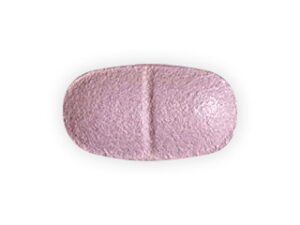
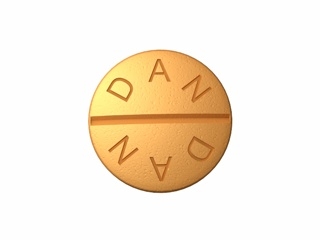
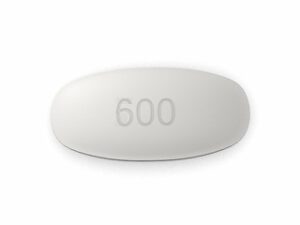
Allopurinol is a well-established medicine within the UK. In the UK, medicines are regulated and supplied according to the relevant medicines legislation and professional standards. Different brands and strengths may be available, and product appearance may vary between manufacturers.
Availability can also be affected by supply changes at a national or global level. If your usual strength is temporarily unavailable, your pharmacist may advise suitable alternatives (for example, another strength or brand) to maintain continuity.
Recent guidance and clinical approach in the UK
UK clinical practice generally emphasises treat-to-target urate-lowering therapy for people with gout, supported by monitoring and dose titration. Guidance often highlights:
- Starting urate-lowering treatment at a suitable dose and adjusting to reach a target uric acid level.
- Considering short-term preventative measures to reduce the risk of gout flares when starting treatment.
- Reviewing kidney function and interacting medicines to improve safety.
- Supporting lifestyle and dietary changes alongside medication.
Specific targets and monitoring frequency may vary depending on individual risk factors and comorbidities. Always follow the approach your healthcare professional recommends for you.
Delivery and availability (online pharmacy)
When ordering through an online pharmacy in the UK, availability depends on stock levels and the exact product strength/brand. Delivery times typically vary by courier service and location.
- In-stock items may dispatch quickly.
- Temporary shortages can occur; you may be offered an alternative strength/brand where appropriate.
- Check product strength before confirming your order, especially if you take multiple tablets per day.
To avoid missed doses, consider planning ahead if you need regular refills. If you have had changes to your dose recently, make sure the strength on the packaging matches your current regimen.
FAQ about allopurinol
1) Will allopurinol stop gout attacks immediately?
Allopurinol is designed to reduce uric acid over time. Some people may still experience gout flares, especially in the early weeks. Your healthcare team may suggest short-term flare prevention while uric acid levels stabilise.
2) How long does it take for allopurinol to work?
Uric acid levels can begin to fall relatively quickly, but reaching your target level and preventing long-term flare risk typically takes weeks to months. Dose adjustments and follow-up blood tests guide progress.
3) Can I drink alcohol while taking allopurinol?
Alcohol can trigger gout and raise uric acid. For best results, it’s often recommended to limit alcohol significantly. If you choose to drink, do so moderately and avoid binge drinking, and monitor whether your symptoms worsen.
4) Are there foods I must avoid?
There aren’t universal “forbidden” foods with allopurinol, but certain dietary choices can raise uric acid. Many people benefit from reducing purine-rich foods, sugary drinks, and large alcohol intake, and focusing on good hydration.
5) What should I do if I get a rash?
Mild skin irritation should be discussed with a healthcare professional promptly. If you develop a severe rash, blistering, peeling skin, fever, or symptoms affecting your eyes or mouth, seek urgent medical help.
6) Does allopurinol affect kidney function?
Allopurinol is generally intended to protect against uric acid-related kidney problems by lowering uric acid levels. However, safe use requires consideration of kidney function, and dosing may be adjusted if kidney function is reduced.
7) Can I take other medicines with allopurinol?
Some medicines interact with allopurinol. Examples include azathioprine, 6-mercaptopurine, warfarin, and certain antibiotics. Always check with your pharmacist or healthcare professional when starting new medicines.
8) What if my uric acid blood test still isn’t at target?
Your clinician may adjust your dose gradually to reach a target level. This may involve repeat testing and careful monitoring of side effects and kidney function.
9) What are the signs of a serious allergic reaction?
Seek urgent medical advice if you develop facial swelling, breathing difficulties, severe widespread hives, or blistering/severe skin rash.
10) Are there alternatives if I cannot tolerate allopurinol?
Yes. Depending on your situation, alternatives may include febuxostat or other urate-lowering strategies. Your healthcare professional can help select the most suitable option based on effectiveness and your individual risk profile.
Important safety note
This information is intended to help you understand allopurinol and how it’s commonly used. It does not replace advice from a healthcare professional. If you have concerns about side effects, interactions, or your dosing schedule, contact a pharmacist or clinician for individual guidance.