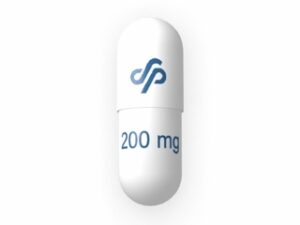



Amantadine (for example, amantadine hydrochloride) – Patient Information (UK)
Amantadine is a medicine used in the UK for certain neurological conditions. It works mainly by affecting how nerve signals are processed in the brain and nervous system. Depending on your diagnosis, it may be used alone or alongside other treatments.
This page is designed to be patient-friendly and to help you understand how amantadine may work, how it’s taken, key safety points, and what to expect. Always follow the instructions provided with your specific product and talk to a healthcare professional if you have questions.
Basic product information
- Medicine name: Amantadine (often as amantadine hydrochloride)
- What it is: A medicine that affects brain neurotransmission (including glutamate/NMDA and dopamine-related pathways)
- How it is usually supplied: Tablets or capsules (strengths vary by brand and manufacturer)
- Common reason for use: Neurological conditions such as Parkinson’s disease symptoms and some forms of drug-induced or post-viral movement problems (use depends on UK clinical guidance and individual circumstances)
- Where it’s used: United Kingdom
Availability and the exact licensed indications can vary between different product brands and formulations. Your pharmacist can confirm what is available and what it’s intended for in your situation.
How amantadine works (mechanism of action)
Amantadine’s precise effects are complex, but the main actions include:
- NMDA (glutamate) receptor modulation: Amantadine can inhibit the NMDA receptor channel, influencing excitatory signalling in the brain. This may help reduce abnormal movement and improve certain symptoms.
- Effects on dopamine activity: It may increase dopamine transmission indirectly, which is relevant to Parkinson’s-related symptoms.
- Additional neurotransmitter effects: It may influence other pathways involved in movement and alertness.
Because of these actions, amantadine can be helpful for particular movement-related symptoms, but it is not a “quick fix” for everyone and effectiveness may vary from person to person.
Pharmacokinetics (what the body does to amantadine)
Pharmacokinetics describes how the body absorbs, distributes, metabolises, and excretes a medicine.
- Absorption: Amantadine is absorbed after oral dosing. Individual absorption can vary.
- Distribution: It distributes to body tissues, including the central nervous system.
- Metabolism: A relatively small proportion may be metabolised; much of the drug is handled largely through elimination rather than extensive liver metabolism.
- Elimination: Amantadine is primarily excreted through the kidneys. This is important if you have reduced kidney function.
- Half-life: The drug stays in the body long enough that dosing schedules may be adjusted based on age and kidney function.
Kidney function matters: Because amantadine is largely cleared by the kidneys, clinicians often review kidney function (e.g., estimated glomerular filtration rate) before deciding the dose and dosing frequency.
Typical use in the UK
In the UK, amantadine is mainly used for specific neurological conditions where healthcare professionals believe its benefits outweigh potential risks. The exact permitted use depends on the licensed product information and clinical situation.
Common clinical contexts where amantadine may be considered include:
- Parkinson’s disease symptoms (for example, certain motor symptoms, as part of a broader treatment plan)
- Drug-induced movement disorders in selected cases
- Other neurologically mediated movement or activation symptoms depending on specialist assessment and local practice
If your medicine is being used for a specific diagnosis, ask your healthcare professional to explain the expected benefit and how long it may take to notice improvements.
How and when to take amantadine (timing)
Timing can affect both effectiveness and side effects (especially sleep-related effects). Follow your prescriber’s instructions and the product leaflet.
General timing principles
- Take at the same times each day: This helps keep levels steadier.
- Evening dosing: Some people feel more alert or experience insomnia. If you are taking more than one dose, clinicians may advise earlier doses to reduce sleep disruption.
- Do not change your schedule suddenly: If you need to stop or adjust dosing, do so with medical advice.
Missed dose guidance (general)
If you miss a dose, it’s usually safest to take it when you remember unless it’s close to your next dose. Do not double up. If you’re unsure, ask a pharmacist for guidance based on your dosing schedule.
Dosing (how the dose is usually determined)
The correct dose depends on your age, kidney function, the condition being treated, and how you respond to treatment. Dose adjustments may be needed for:
- Reduced kidney function
- Older age
- Other medicines you take
- Side effects (for example, confusion, dizziness, or sleep problems)
Because exact dosing varies by product and indication, the information below is general. Always use the dosage instructions provided for your particular tablets/capsules.
Typical adult dosing approach (general)
- Start low, go slow: Many clinicians begin with a lower dose and increase if needed.
- Split dosing: If taken more than once daily, doses are often separated to reduce side effects.
- Regular review: Ongoing benefit and tolerability should be reviewed periodically.
Kidney impairment: If you have kidney disease, the dose may be reduced or dosing frequency changed. Do not attempt to self-adjust.
Children: Use in children should only occur under specialist guidance and according to local prescribing information.
Food interactions
Amantadine can be taken with or without food in many cases, but following your product’s leaflet instructions is important. Food may affect how quickly the medicine is absorbed.
- With meals: Some people find that taking amantadine with food reduces stomach discomfort.
- Consistency matters: Try to take it the same way each day (either with or without food) unless advised otherwise.
If you experience nausea or dizziness, talk to your pharmacist about whether taking it with food or adjusting timing could help.
Alcohol and other medicine interactions
Alcohol
It’s best to avoid or limit alcohol while taking amantadine because alcohol can worsen side effects such as dizziness, drowsiness, impaired coordination, and confusion.
- If you notice increased dizziness or sleep disruption, reduce alcohol further.
- Avoid driving or operating machinery if you feel unsteady.
Medicines that may interact with amantadine
Interactions depend on your current medications and your health status. Always provide your full medicine list to your healthcare professional.
Common interaction themes to be aware of:
- Medicines that affect the brain: Other treatments that can cause drowsiness, confusion, or changes in alertness may increase side effects.
- Medicines with kidney clearance: Drugs that also rely heavily on renal elimination could affect amantadine levels.
- Medicines that affect the heart rhythm: People with a risk of rhythm changes (or those taking QT-prolonging medicines) should be assessed carefully.
- Anticholinergic or antipsychotic medicines: These may increase the likelihood of confusion or other central nervous system effects in some people.
If you are taking medicines for Parkinson’s disease, mental health, sleep, or urinary symptoms, it’s particularly important to ask whether any of them could interact with amantadine.
Do not start new products (including over-the-counter medicines and supplements) without checking. This includes cold remedies, antihistamines, and herbal products.
Indications (what amantadine may be used for)
In UK practice, amantadine is used for neurologically mediated conditions as determined by clinical assessment and product licensing. Examples include:
- Parkinson’s disease-related symptoms (as part of treatment for selected motor symptoms)
- Drug-induced movement disorders (when specialist evaluation suggests benefit)
- Other specialist neurological indications depending on individual patient needs
If you’re unsure why you’ve been prescribed amantadine, ask your GP, consultant, or pharmacist. Understanding the goal of treatment will help you judge whether it’s working.
Safety profile: side effects and when to seek help
Common side effects
Not everyone experiences side effects. Common or relatively expected effects may include:
- Dizziness
- Nausea or stomach upset
- Insomnia or sleep disturbance
- Headache
- Swelling in the legs (less common)
- Dry mouth or changes in appetite
Serious side effects (seek urgent advice)
Contact urgent medical help or seek urgent advice if you develop:
- Severe confusion, hallucinations, extreme agitation, or severe behavioural changes
- Chest pain, fainting, or symptoms of an irregular heartbeat
- Signs of a serious allergic reaction (e.g., swelling of the face/lips, difficulty breathing, widespread rash)
- Severe or worsening weakness or inability to coordinate movements
- Marked worsening of psychiatric symptoms if you have a mental health history
Special risk groups
- Older adults: Higher risk of confusion, dizziness, and falls.
- People with kidney problems: Higher risk of drug accumulation and side effects; dose adjustment is often required.
- People with cognitive impairment: Close monitoring may be needed.
- People with a history of hallucinations or severe psychiatric illness: Discuss risks with your clinician.
Driving and using machines
Amantadine can cause dizziness or affect alertness in some people. Until you know how it affects you, avoid driving and using tools or machinery if you feel unsteady or drowsy.
Practical use tips
- Track your response: Note any changes in movement symptoms, stiffness, or alertness. Improvement may develop over days to weeks.
- Monitor sleep: If you get insomnia, speak to your pharmacist about timing changes (for example, taking earlier in the day).
- Hydration and balance: Dizziness may be worse if you are dehydrated. Maintain adequate fluid intake unless you’ve been advised to restrict fluids.
- Kidney checks: Attend follow-up appointments. Kidney function may be checked to ensure the dose remains appropriate.
- Keep a medication list: Include supplements and over-the-counter products. This helps identify possible interactions.
- Do not stop abruptly: If you want to stop or reduce amantadine, do it with clinician guidance to avoid worsening symptoms.
What to do if you experience side effects
Mild side effects may settle as your body adjusts. However, some effects (especially confusion or hallucinations) can be signs of higher sensitivity or excessive drug exposure.
- If side effects are mild (e.g., slight nausea), consult a pharmacist for practical steps such as taking with food or adjusting timing.
- If side effects are moderate to severe, stop taking and seek medical advice promptly as instructed by your healthcare team.
- Do not “titrate” yourself: Self-adjusting dose can increase risk, particularly if kidney function is reduced.
Alternative options
Depending on the condition being treated, alternatives may include other medicines or different approaches. The best choice depends on your diagnosis, symptom pattern, other health problems, and current medications.
Examples of alternatives (discussion with clinician needed)
- For Parkinson’s-related symptoms: Clinicians may consider other dopaminergic or anti-parkinson treatments depending on your situation.
- For movement disorders: Treatment may include symptom-specific therapies and medication adjustments.
- Non-pharmacological approaches: Physiotherapy, occupational therapy, and targeted rehabilitation may complement medication in many neurological conditions.
If you’re considering switching, your healthcare professional can explain how to transition safely and reduce the risk of symptom rebound.
Market and legal context in the United Kingdom
In the UK, medicines are regulated by the Medicines and Healthcare products Regulatory Agency (MHRA). For patient safety, amantadine-containing products are supplied in line with UK medicines legislation and product-specific licence information.
You may see information about whether a product is available routinely, on special order, or subject to supply constraints. Availability can change over time due to manufacturing, distribution, and demand.
UK healthcare providers follow evidence-based guidance and local formularies to decide when amantadine is appropriate for a specific indication.
Recent guidance and updates (UK)
Treatment recommendations in neurological conditions can evolve. Clinicians may adjust approaches based on:
- Updated clinical guidelines for Parkinson’s disease and movement disorders
- Safety alerts relevant to dosing in kidney impairment, elderly patients, or interaction risks
- Local formulary updates and supply considerations
If you’d like, ask your GP or pharmacist what the most up-to-date local guidance says for your condition and how it affects your treatment plan.
Delivery and availability
Delivery timelines and stock availability can vary by supplier and location within the UK. When ordering online, you will typically see:
- Estimated delivery date at checkout
- Dispatch status (e.g., ready to dispatch or back-ordered)
- Product strength and form to match your requirement
If a specific strength or brand is temporarily out of stock, pharmacies may offer an alternative within the same active ingredient, strength, and formulation—subject to availability and your clinician’s advice.
FAQ
How long does it take for amantadine to work?
Some people notice changes in symptoms relatively early, while others may require longer. Your clinician may review your response over days to weeks and adjust dose or timing based on benefit and side effects.
Can I take amantadine with food?
In many cases it can be taken with or without food. If you experience stomach upset, taking it with a meal may help. For best results, follow your product leaflet and keep your approach consistent day-to-day.
Does amantadine affect sleep?
Yes. Some people experience insomnia or feel more alert. If this happens, consider taking it earlier in the day and speak to your pharmacist or prescriber for advice on timing adjustments.
Is amantadine safe for older adults?
It may be used, but older adults are at higher risk of dizziness, confusion, and falls—especially if kidney function is reduced. Dosing may need to be more conservative and you may require closer monitoring.
What if I have kidney problems?
Kidney function is important for safe dosing. Your clinician may reduce the dose or change how often you take the medicine. Do not adjust the dose yourself.
Can I drink alcohol while taking amantadine?
It’s best to avoid or limit alcohol because it may worsen dizziness, drowsiness, and confusion. If you choose to drink, do so cautiously and avoid driving if you feel affected.
What should I do if I miss a dose?
Take it when you remember unless it’s close to the next dose. Do not take a double dose. If unsure, ask your pharmacist for guidance based on your schedule.
Are there alternatives to amantadine?
Yes—depending on the condition being treated. Options may include other medicines and supportive therapies. Discuss alternatives with your healthcare professional before making changes.
When should I seek urgent help?
Seek urgent medical advice if you develop severe confusion, hallucinations, fainting, signs of an allergic reaction, or symptoms suggesting a serious heart rhythm problem.
Can I stop amantadine suddenly?
Stopping suddenly may worsen symptoms. If you want to stop or change treatment, speak with your clinician for a safe plan.
Important notes
This information provides general guidance about amantadine. It does not replace the advice from your GP, specialist, or pharmacist. If you are unsure about your dosing schedule, interactions, or side effects, contact a healthcare professional.
If you would like a product-specific leaflet summary for your exact brand and strength, ask your pharmacist or check the leaflet supplied with your medicine.