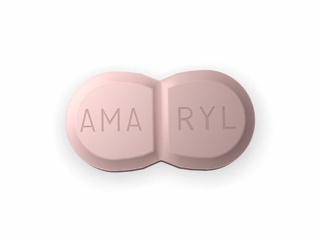

Amaryl (Glimepiride) – Patient-Friendly Guide (UK)
Amaryl is a brand of the antidiabetic medicine glimepiride, used to help control blood sugar levels in adults with type 2 diabetes. This guide explains how Amaryl works, how it is taken, what to expect, and important safety information—written to be clear and practical for everyday use in the United Kingdom.
Please remember: diabetes treatment works best when it is tailored to you. Your dose may be adjusted over time based on blood glucose readings and how you respond to treatment.
Basic product information
| Item | Details |
|---|---|
| Medicine name | Amaryl |
| Active ingredient | Glimepiride |
| Type | Oral antidiabetic medicine (sulfonylurea) |
| Usual patient group | Adults with type 2 diabetes |
| How it is taken | By mouth, usually once daily with breakfast or the first main meal |
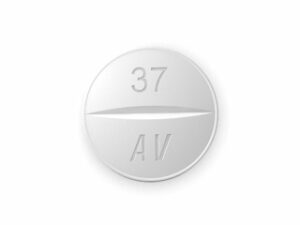
| Common strength options (may vary) | Typically 1 mg, 2 mg, 3 mg, 4 mg tablets (availability may differ) |
What Amaryl is used for (typical use and indications)
Amaryl (glimepiride) is used to improve blood glucose control in adults with type 2 diabetes when diet, exercise, and—if needed—other medicines are not enough.
It may be used:
- As monotherapy (glimepiride alone)
- In combination with other antidiabetic medicines, such as metformin, when appropriate
- As part of a longer-term plan that also includes lifestyle measures
How Amaryl works (mechanism of action)
Glimepiride belongs to the class of medicines called sulfonylureas. Its main action is to help your pancreas release insulin in response to food.
- Stimulates insulin release from beta cells in the pancreas
- Helps improve blood glucose after meals and overall glucose control
- Can lead to lower blood sugar levels, which is why the risk of hypoglycaemia (low blood sugar) is an important consideration
Because glimepiride works by increasing insulin release, it is generally used for type 2 diabetes where the body can still produce insulin (at least to some degree).
Pharmacokinetics (how the body handles glimepiride)
Understanding how a medicine behaves in your body can help you use it correctly. The following is a general overview (exact values can vary between individuals).
- Absorption: Glimepiride is absorbed through the gut after taking a tablet. Taking it with food can reduce the chance of stomach upset and may better align insulin release with meal-related glucose rise.
- Distribution: It circulates in the bloodstream and can bind to plasma proteins.
- Metabolism: It is metabolised mainly in the liver. Metabolites may be less active than the parent medicine.
- Elimination: The medicine and its metabolites are removed from the body primarily via the kidneys and/or bile.
- Onset and duration (practical meaning): It is designed for once-daily use, usually with breakfast or the first main meal, to match daily eating patterns.
People with reduced kidney or liver function may have higher exposure to the medicine, increasing the risk of side effects, particularly hypoglycaemia. Dose adjustment may be required.
When and how to take Amaryl (timing)
In most cases, glimepiride is taken once a day. The key practical point is that it should be taken with breakfast or the first main meal of the day.
Typical timing
- Best time: With breakfast (or another first main meal), at a time that is consistent day-to-day.
- If you skip breakfast: Do not take a dose “on an empty stomach.” Skipping meals can raise the risk of hypoglycaemia.
- Missed dose: Take it as soon as you remember on the same day if you have eaten. If you are unsure, check with your healthcare professional or pharmacist. Do not double up to make up for a missed dose.
Dose schedule
Your prescriber may start you on a low dose and increase gradually to reach good glucose control. The exact dose depends on your blood glucose results, risk of hypoglycaemia, kidney/liver function, and other treatments.
Dosing (general guidance)
Dosing for glimepiride can vary widely between individuals. Use the dose written on your pack and any instructions provided by your diabetes team or clinician.
- Starting dose: Often low to reduce the risk of low blood sugar.
- Adjustments: Dose increases may be based on fasting and/or pre-meal glucose and later HbA1c results.
- Maximum daily dose: There is typically an upper limit in the product information; your clinician will follow this.
- Combination therapy: When used with other glucose-lowering medicines, doses may be different to reduce side effects and hypoglycaemia risk.
If you feel your dose is too strong (for example, you experience symptoms of low blood sugar), contact your healthcare professional promptly.
Food interactions and meal advice
Meal timing matters with glimepiride. Taking Amaryl with food helps reduce the risk of hypoglycaemia—especially if meals are delayed, skipped, or reduced.
Key food-related tips
- Take with breakfast: Follow your prescribed routine (often once daily with breakfast).
- Do not skip meals: Skipping or delaying meals can increase hypoglycaemia risk.
- Maintain regular eating patterns: Large changes in carbohydrate intake can affect glucose levels.
- Stay hydrated: Dehydration can worsen blood sugar control and overall wellbeing.
Alcohol and medicine interactions
Alcohol can significantly affect blood glucose levels. With glimepiride, alcohol may increase the risk of hypoglycaemia, and in some cases it may also worsen control of diabetes.
Practical alcohol guidance
- Be cautious: Avoid heavy or binge drinking.
- Eat with alcohol: Alcohol taken without food may be more likely to cause low blood sugar.
- Know your symptoms: If you feel shaky, sweaty, confused, or unusually hungry, check your blood glucose if possible.
If you drink alcohol regularly or have concerns about safe amounts, discuss with your pharmacist or diabetes team.
Drug interactions (including important medicine combinations)
Glimepiride may interact with other medicines, affecting either the risk of side effects (especially hypoglycaemia) or the effectiveness of glucose control.
This list is not exhaustive. Always inform your pharmacist of all medicines you take, including over-the-counter products and herbal supplements.
Medicines that may increase hypoglycaemia risk (examples)
- Other antidiabetic medicines (for example, insulin or certain tablets), which may lower blood sugar more strongly together
- Some antibiotics (individual medicines can differ in effect)
- Some antifungal medicines
- Some pain/inflammatory medicines (non-steroidal anti-inflammatory drugs may affect glucose in certain situations)
- Medicines affecting liver enzymes (metabolic interactions can increase or decrease glimepiride levels)
Medicines that may reduce effectiveness (higher glucose)
- Corticosteroids (e.g., for asthma, inflammation, or autoimmune conditions)
- Some diuretics (depending on the medicine)
- Some hormonal preparations
- Other medicines that influence blood sugar or insulin sensitivity
Always check before starting or stopping
- New prescription medicines
- Over-the-counter medicines (including cold/flu products)
- Herbal supplements
- Changes in steroid use (tablets, injections, inhalers can all matter)
If you suspect an interaction or you notice blood glucose becoming harder to control, speak to a pharmacist or your diabetes team.
Safety profile and side effects
Like all medicines, Amaryl can cause side effects. Many people tolerate glimepiride well, especially when started at a low dose and monitored.
Most important risk: hypoglycaemia (low blood sugar)
Hypoglycaemia can occur when glimepiride lowers blood glucose too much. Risk is higher if you:
- Take it but skip meals or eat less than usual
- Increase exercise without adjusting food intake
- Drink alcohol
- Take other glucose-lowering medicines
- Have kidney problems or take higher doses
- Are elderly, frail, or not eating regularly
Symptoms of low blood sugar may include:
- Shakiness, sweating, feeling anxious
- Hunger, nausea
- Dizziness or headache
- Palpitations
- Confusion, drowsiness, difficulty concentrating
If you think you have low blood sugar:
- Check your blood glucose if you can.
- Take fast-acting sugar (for example glucose tablets, sugary drink, or sweets—follow local advice).
- Recheck if needed and eat a longer-lasting carbohydrate snack if appropriate.
- If severe symptoms occur, treat as urgent and seek medical help.
Other possible side effects
Side effects vary by person. Seek advice urgently if you experience severe reactions.
- Weight gain (can occur with insulin-stimulating medicines)
- Gastrointestinal upset (nausea, indigestion) in some people
- Allergic reactions (rash, itching, swelling—urgent if breathing is affected)
- Changes in blood counts (rare; your clinician may monitor if needed)
- Liver problems (rare; report persistent yellowing of skin/eyes or dark urine)
When to seek urgent help
- Severe or persistent hypoglycaemia (e.g., you can’t stay awake, you’re confused, or you need assistance)
- Signs of a serious allergic reaction (swelling of face/lips, difficulty breathing)
- Symptoms suggesting liver problems (yellow skin/eyes, severe fatigue with dark urine)
Practical use tips for daily life
- Keep a consistent routine: Take your tablet at the same time each day, with your first main meal.
- Plan for low sugar: Keep fast-acting sugar available in your bag or at home.
- Monitor as advised: Check blood glucose regularly if you have been instructed to do so. HbA1c tests are usually done by your diabetes team on a schedule.
- Be cautious with missed meals: If you’re unwell, vomiting, or unable to eat, discuss your medicines with a clinician.
- During travel: Maintain meal timing and carry your tablets and glucose products.
- Medication review: If your weight, diet, or exercise changes, ask whether dose adjustment is needed.
Special considerations (who should be extra careful)
- Older adults: Often higher risk of hypoglycaemia due to reduced kidney function and variable eating patterns.
- Kidney or liver impairment: Higher risk of side effects; dose changes may be necessary.
- People who skip meals or have irregular eating: Higher hypoglycaemia risk.
- Pregnancy and breastfeeding: Diabetes management may differ; talk to your healthcare professional.
- Illness (“sick day” situations): When you can’t eat normally, glucose-lowering tablets may need temporary review.
Alternative options (other ways to manage type 2 diabetes)
Treatment for type 2 diabetes is individual. Alternatives may include lifestyle measures and other medicines with different mechanisms. Your diabetes team may choose options based on your glucose pattern, weight goals, kidney function, and risk of hypoglycaemia.
Possible alternatives include
- Metformin (often first-line in many patients)
- Other sulfonylureas (similar class, different molecules)
- DPP-4 inhibitors (lower glucose with generally lower hypoglycaemia risk)
- GLP-1 receptor agonists (injections; may also support weight management in selected patients)
- SGLT2 inhibitors (tablets; benefits depend on patient profile)
- Insulin therapy for certain people, depending on glucose levels
If you are considering switching medicines, do not stop glimepiride suddenly without medical advice. Switching requires monitoring to maintain safe glucose control.
UK market and legal context (general information)
In the United Kingdom, medicines containing glimepiride are regulated under UK medicines legislation and are dispensed through appropriate channels in line with UK healthcare requirements. Availability may depend on the medicine supply chain, pharmacy stock, and local regulatory processes.
If you are buying online, choose a reputable UK-registered pharmacy and ensure the product matches the correct strength and formulation. Always verify packaging and expiry date on arrival.
Guidance for diabetes care in the UK is commonly informed by evidence-based clinical recommendations, and prescribing practices may be guided by local NHS pathways and medicine formularies.
Recent guidance and monitoring (UK perspective)
Diabetes care in the UK emphasises:
- Individualised targets for blood glucose and overall cardiovascular risk reduction
- Regular monitoring (HbA1c testing, review of medicines, and assessment for side effects)
- Hypoglycaemia prevention, especially when using medicines that increase insulin secretion
- Structured education on diet, exercise, and recognising symptoms of low blood sugar
If you experience frequent low blood sugar episodes, weight gain concerns, or changes in kidney function, your diabetes team may review whether a different treatment strategy is safer or more effective.
Delivery and availability (what to expect when ordering in the UK)
Online availability can vary by strength and pack size. Most reputable UK pharmacies provide clear information on:
- Stock status (in stock vs. when it will ship)
- Delivery options and estimated delivery times
- Packaging (to protect tablets during transit)
- Tracking (where offered)
- Delivery exclusions (some postcodes or remote areas may have different courier schedules)
When your order arrives, check:
- The strength matches what you need
- The expiry date is not close to expiry
- The tablets are in sealed packaging and look intact
FAQ
Is Amaryl suitable for everyone with type 2 diabetes?
No. Amaryl (glimepiride) is generally used for adults with type 2 diabetes who can safely take a sulfonylurea. Your clinician will consider factors such as age, kidney function, risk of hypoglycaemia, and other medicines you take.
Why do I need to take it with breakfast or my first main meal?
Taking glimepiride with food helps align the medicine’s blood sugar-lowering effect with the rise in glucose from eating. Skipping meals increases the chance of hypoglycaemia.
What should I do if I miss a dose?
If you miss a dose, take it when you remember if you have eaten. If you are near the time of your next dose, skip the missed one—do not double to make up for it. When in doubt, ask your pharmacist.
Can I drink alcohol while taking Amaryl?
Alcohol can increase the risk of low blood sugar. Keep alcohol moderate, avoid binge drinking, and have food with alcohol. If you drink regularly, discuss safe amounts with a healthcare professional.
What are the signs of low blood sugar?
Early symptoms can include shakiness, sweating, hunger, dizziness, palpitations, headache, confusion, and unusual tiredness. If you suspect low blood sugar, check your readings if you can and use fast-acting sugar according to local advice.
How soon will Amaryl start working?
Glimepiride can lower blood glucose within hours after taking it, which is why timing with meals is important. Longer-term improvements are often assessed over weeks using blood glucose records and HbA1c testing.
Will I gain weight on Amaryl?
Weight gain can occur with sulfonylureas in some people. Maintaining a healthy diet and physical activity can help. If you notice significant weight changes, discuss them with your clinician.
Are there any medicines I should avoid?
Many medicines can interact with glimepiride, potentially changing glucose control or hypoglycaemia risk. Always tell your pharmacist about all medicines and supplements you use, including cold/flu remedies and painkillers.
What if I’m unwell and not eating normally?
In illness (“sick day” situations), eating patterns may change and the risk of hypoglycaemia may increase. Contact your healthcare professional for personalised advice on whether to continue, pause, or adjust medicines.
Can I drive or operate machinery?
If your diabetes is well controlled and you are not experiencing hypoglycaemia, it may be possible. However, if you get symptoms of low blood sugar, do not drive and seek urgent advice as needed. Always follow UK guidance and your clinician’s advice.
What are the common strengths available?
Common strengths vary by product availability. Your pharmacist will supply the strength that matches your dose instructions.
Important reminder
This information is designed to support understanding of Amaryl (glimepiride). It does not replace advice from a healthcare professional. If you have questions about your dose, side effects, or interactions, speak to a pharmacist or diabetes care team.