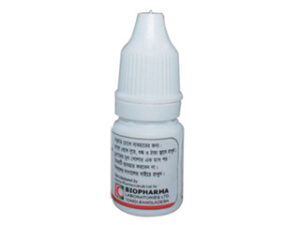


Amoxicillin (Amoxicillin Capsules/Tablets/Suspension) — Patient Guide (UK)
Amoxicillin is a widely used antibiotic medicine in the UK. It belongs to the penicillin group and is commonly prescribed for a range of bacterial infections. This guide is designed to explain how amoxicillin works, how it’s used, what to expect, and key safety information for adults and children.
Please note: Different infections and different ages may require different dosing schedules. Always follow the specific instructions provided with your medicine or by your healthcare professional.
Basic Product Information
- Active ingredient: Amoxicillin
- Medicine type: Antibiotic (penicillin class)
- Common forms in the UK: Capsules, tablets, and oral suspensions (liquid)
- Strengths: Vary by product (e.g., 250 mg / 500 mg capsules or equivalent)
- Brand examples (varies): Many pharmacy and manufacturer brands; availability may differ
- How it’s used: By mouth for infections caused by susceptible bacteria
Amoxicillin is generally available through the NHS and privately. Brand names and pack sizes vary, and some forms (such as suspensions) are more commonly used for children.
How Amoxicillin Works (Mechanism of Action)
Amoxicillin works by interfering with the way bacteria build their cell walls. Specifically, it inhibits enzymes involved in cell-wall synthesis. Without a properly formed cell wall, susceptible bacteria cannot survive and multiply.
- Target: Bacteria that are sensitive to amoxicillin
- Key idea: Amoxicillin is most effective when it can reach therapeutic levels at the site of infection
- Limitations: It does not treat viral infections such as colds or flu
Some bacteria produce enzymes (such as beta-lactamases) that can reduce amoxicillin’s effectiveness. For certain infections, a combination product with a beta-lactamase inhibitor may be preferred (see “Alternative options” below).
Pharmacokinetics: Absorption, Distribution, Metabolism, and Elimination
Understanding how the body handles amoxicillin can help explain typical dosing intervals and how quickly improvement might occur.
- Absorption: Amoxicillin is absorbed from the gut. Absorption is generally good and is not substantially affected by food for most people (see food interactions).
- Distribution: It distributes into body tissues and fluids, including sites relevant to common infections (e.g., respiratory tract). Levels in different tissues may vary.
- Metabolism: A portion may be metabolised, but most is cleared largely unchanged.
- Elimination: Amoxicillin is primarily excreted via the kidneys. This is why kidney function may influence dosing in some patients.
Practical takeaway: Because the medicine is cleared mainly through the kidneys, consistent dosing at the recommended intervals helps maintain effective levels.
Typical Use in the UK: What Amoxicillin Treats
Amoxicillin is used for infections where bacteria are expected to be susceptible. In the UK, clinicians consider local antibiotic guidance and individual patient factors.
Indications (Common Uses)
Depending on local guidance and suspected organism, amoxicillin may be used for:
- Ear, nose, and throat (ENT) infections (for example, some cases of otitis media, tonsillitis, or sinusitis)
- Dental infections (where appropriate and in combination with dental management if needed)
- Respiratory tract infections (certain cases of bronchitis or pneumonia—based on clinical judgement)
- Skin and soft tissue infections (for susceptible bacteria)
- Urinary tract infections (some cases, depending on culture results or suspected pathogens)
- Helicobacter pylori (H. pylori) regimens (in combination with other medicines for stomach infection/ulcer disease, depending on treatment strategy)
Important: Not all infections are bacterial, and not all bacterial infections respond to amoxicillin. Antibiotic choice depends on likely bacteria, resistance patterns, and patient history.
Timing and How to Take Amoxicillin
Taking amoxicillin correctly improves the chance of treatment success.
How Often to Take It
Dosing frequency depends on the infection and the prescribed strength. Common schedules include:
- Twice daily (every 12 hours)
- Three times daily (often every 8 hours)
When to Start
- Start as advised by your healthcare professional or as directed on the medicine label.
- If you were given instructions to begin at a specific time, follow those.
How Long to Take It
- Finish the full course unless advised otherwise.
- Stopping early may allow surviving bacteria to regrow, potentially worsening infection or increasing resistance.
If You Miss a Dose
- Take it when you remember unless it’s close to the next dose.
- If it’s nearly time for the next dose, skip the missed dose and continue as normal.
- Do not take a double dose to make up for a missed one.
Duration: When to Seek Help
- Contact a healthcare professional if symptoms are not improving after a reasonable period (often within 48–72 hours for many bacterial infections), or if they worsen.
- Seek urgent help if you develop severe allergic symptoms, breathing difficulty, or swelling of face/lips.
Food Interactions: Can You Take Amoxicillin With Meals?
For most people, amoxicillin can be taken with or without food. Food may reduce stomach upset for some individuals.
- General guidance: Take with a meal or snack if you feel nauseous.
- Consistency helps: Try to take it the same way each day (with food or without) to keep your routine stable.
What to avoid: There are no common specific foods that must be excluded for amoxicillin in most patients. However, if you have a restricted diet or stomach issues, consider taking with food.
Alcohol and Medicine Interactions
Alcohol does not typically have a direct chemical interaction with amoxicillin. However, drinking alcohol during an infection can:
- Worsen dehydration or sleep quality
- Make it harder to recover
- Increase stomach irritation in some people
Practical advice: It’s best to avoid or limit alcohol while you’re unwell and taking antibiotics. If you choose to drink, do so moderately and pay attention to how you feel.
Other Medicine Interactions (Common Examples)
Always check interactions with your specific medicines. Some commonly considered points for amoxicillin include:
- Oral anticoagulants (blood thinners): In some cases, antibiotic use may affect bleeding risk, especially with vitamin K antagonists. Monitoring or advice may be needed.
- Allopurinol: There may be an increased risk of skin reactions in some patients.
- Methotrexate: Antibiotics can affect gut flora and may influence how methotrexate behaves in the body. Follow specialist advice and monitoring schedules if you take methotrexate.
- Oral contraceptives: Most guidance indicates that additional contraceptive precautions may be considered if diarrhoea or vomiting occurs. If you have severe gastrointestinal symptoms, ask for advice.
Important: This is not an exhaustive list. Tell your pharmacist or healthcare professional about all medicines, supplements, and herbal products you use.
Dosing: Typical Adult and Child Considerations
Dosing of amoxicillin depends on the infection type, severity, kidney function, and age/weight (especially in children). Only use dosing instructions tailored to your situation.
General Adult Dosing Principles
- Often ranges by infection, typically split into two or three daily doses.
- Higher doses may be used for certain infections or where heavier bacterial load is expected.
- Kidney impairment may require dose adjustment.
Children: Weight-Based Dosing
- Children usually receive weight-based dosing.
- Liquid formulations (suspensions) make accurate measurement easier.
- Measure with an oral syringe or measuring device provided with the medicine.
Kidney Function and Dose Adjustment
If you have reduced kidney function, amoxicillin clearance may be slower. Your prescriber may adjust the dose or dosing interval to reduce the risk of side effects.
Do not: change dose frequency or stop early unless a clinician advises it.
Safety Profile: Side Effects and When to Get Help
Like all medicines, amoxicillin can cause side effects. Many people experience mild effects, while serious reactions are uncommon but important to recognise.
Common and Usually Mild Side Effects
- Nausea or mild stomach upset
- Diarrhoea (mild cases)
- Headache
- Skin rash (some rashes can occur and may be non-allergic)
Less Common but Serious Side Effects
- Allergic reactions (hypersensitivity), potentially severe
- Severe diarrhoea or persistent watery stools, especially with fever or blood (may suggest antibiotic-associated colitis)
- Inflammation of the liver (rare; symptoms may include yellowing of skin/eyes)
- Severe skin reactions (rare; may involve blistering, peeling, or widespread rash with fever)
Seek Urgent Medical Help If You Have
- Swelling of the face, lips, tongue, or throat
- Trouble breathing, wheezing, or collapsing sensation
- Severe rash with blistering or widespread skin peeling
- Severe allergic symptoms soon after taking a dose
Allergy Warning: Penicillin Allergy
If you’ve had an allergic reaction to penicillins (or certain other beta-lactam antibiotics), amoxicillin may not be suitable. Tell your healthcare professional if you have any history of drug allergy.
Note: Mild, non-allergic rashes may be evaluated differently than severe immediate allergy. Always discuss past reactions with a professional.
Practical Use Tips (How to Get the Best Results)
- Take at regular intervals: Use a reminder for your dosing times (e.g., morning/evening for twice daily).
- Stay hydrated: Especially if you have fever, vomiting, or diarrhoea.
- Don’t skip doses: Consistent levels support effective eradication.
- Use correct measuring technique: For liquid suspensions, measure carefully. Shake the bottle if instructed.
- Keep an eye on progress: Expect improvement; if symptoms worsen, contact healthcare services.
- Complete the course: Even if you feel better.
Managing Common Issues
- Stomach upset: Consider taking with food.
- Mild diarrhoea: Monitor hydration. If severe or persistent, get medical advice.
- Rash: If rash is mild, still inform your pharmacist/doctor; if rash is severe or accompanied by breathing difficulty, seek urgent help.
Alternative Options (Depending on Infection and Bacterial Resistance)
Amoxicillin is not always the best choice. Alternatives depend on the infection, suspected bacteria, and your allergy history.
Other Antibiotic Options
- Amoxicillin-clavulanate (often used when beta-lactamase producing bacteria are suspected)
- Cephalosporins (for some infections and when appropriate)
- Macrolides (e.g., if penicillin allergy or specific bacterial targets are expected)
- Tetracyclines (for particular infections and organisms)
Why Combination Therapy May Be Considered
Some bacterial strains produce enzymes that can make amoxicillin less effective. Adding a beta-lactamase inhibitor (like clavulanic acid) can help overcome this resistance mechanism.
Important: Alternative antibiotics should only be used when advised by healthcare professionals who consider your medical history and local guidance.
Market and Legal Context in the United Kingdom (UK)
In the UK, antibiotic supply is closely regulated to support patient safety and help limit antibiotic resistance. Availability and prescribing pathways can vary by setting (NHS, private prescribing, and pharmacy services).
- Antibiotic stewardship: The UK uses national antimicrobial resistance and antibiotic stewardship programmes to promote responsible use.
- Local guidance matters: Treatment recommendations may differ by area and infection type, often following national clinical guidelines and local susceptibility data.
- Pharmacy role: Pharmacists help ensure medicines are used safely and appropriately, including checking for allergies and interaction risks.
Recent Guidance (General Themes)
Recent UK and international guidance continues to emphasise:
- Using antibiotics only when there is reasonable evidence of bacterial infection
- Selecting the narrowest effective antibiotic
Always rely on current NHS and clinical guidance relevant to your condition and location.
Delivery and Availability: What You Can Expect
Online pharmacy availability may vary based on formulation (capsules/tablets versus suspensions), strength, and stock levels. Many pharmacies aim to dispatch promptly and provide reliable tracking.
Typical Availability
- Common strengths may be readily available
- Liquid formulations may have different stock timing
- Large pack sizes may be supplied for longer courses
Delivery Information
- Dispatch times depend on order verification and local courier schedules
- Packaging is designed to protect medicines during transit
- Tracking is commonly provided where available
If you have time-critical needs (e.g., treatment for a child where delay could be harmful), choose a service that offers the delivery speed you need and contact support if there are issues.
Storage and Handling
- Follow the label: Storage conditions can differ by formulation.
- Keep out of reach of children.
- Do not use after expiry date shown on the packaging.
- Liquid suspensions: Often have a limited “after opening” period—check the instructions provided.
Frequently Asked Questions (FAQ)
1) Is amoxicillin used for colds or flu?
No. Colds and flu are typically caused by viruses, and antibiotics like amoxicillin do not work against viruses.
2) How quickly should I feel better?
Many people start to feel some improvement within 48–72 hours, depending on the infection. If you feel worse or no improvement occurs, contact a healthcare professional for review.
3) Can I take amoxicillin with food?
Yes. It’s usually safe to take amoxicillin with or without food. Taking it with food can help if you experience nausea.
4) What if I forget a dose?
Take it when you remember unless it’s close to the next dose. If it’s almost time for the next dose, skip the missed one. Do not take a double dose.
5) Can I drink alcohol while taking amoxicillin?
There is generally no direct interaction, but alcohol can worsen how you feel and may aggravate stomach upset. If possible, avoid alcohol while you’re ill and following your course.
6) What should I do if I get diarrhoea?
Mild diarrhoea can occur. However, seek medical advice if diarrhoea is severe, persistent, watery with fever, or contains blood.
7) I had a rash with a penicillin before—can I still take amoxicillin?
Do not assume it’s safe. Different past reactions have different implications. Speak to a pharmacist or clinician about your previous reaction details.
8) Is amoxicillin safe for children?
Amoxicillin can be used in children when appropriate. Dosing is typically weight-based and must be measured carefully, especially for liquid formulations.
9) Can amoxicillin interact with my birth control pill?
Antibiotics may not directly reduce pill effectiveness in most cases. However, if you have severe diarrhoea or vomiting, consider extra precautions and ask your pharmacist for tailored advice.
10) Are there alternatives if amoxicillin doesn’t work?
Yes. If symptoms don’t improve or if the infection is caused by organisms not sensitive to amoxicillin, clinicians may consider an alternative antibiotic or further investigation.
Summary
Amoxicillin is a penicillin antibiotic used for various bacterial infections in the UK. It works by stopping bacteria from forming their cell walls, helping the immune system clear infection. Most people take it in divided doses over a set course, often with food if they experience stomach upset. While many side effects are mild, it’s essential to recognise allergy symptoms and severe diarrhoea. If you’re unsure, a pharmacist can help with safe use, storage, and interaction checks.
Need help deciding? If you have a history of penicillin allergy, kidney problems, or complex medical conditions, speak to a healthcare professional before starting.