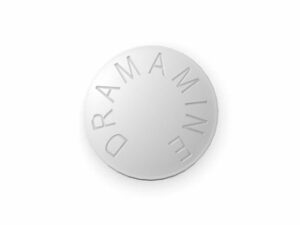


Antivert (Meclizine) — Patient Guide (UK)
Antivert contains meclizine, an antihistamine medicine used mainly to help relieve symptoms of vertigo (a spinning sensation) and motion-related sickness. This guide explains how Antivert works, when it’s typically taken, important safety information, potential interactions, and practical tips to get the best results—tailored for customers in the United Kingdom.
Quick Facts
- Active ingredient: Meclizine
- Common uses: Vertigo symptoms, motion sickness-related nausea and dizziness
- Medicinal type: Antihistamine (antiemetic/antivertigo)
- How it helps: Reduces signals that trigger dizziness and nausea
- Typical effects: Usually within about 1 hour (varies by person)
- Possible side effects: Drowsiness, dry mouth, constipation, blurred vision
What is Antivert?
Antivert (meclizine) is a medicine that helps manage symptoms such as: vertigo, dizziness, nausea, and related vomiting. It is used when these symptoms are associated with problems in the inner ear (for example, some causes of vertigo) or motion sickness.
In the UK, meclizine-containing products are commonly used to relieve dizziness and nausea. Availability can vary by brand, pack size, and pharmacy supply routes. Always check the product label for your exact strength and directions.
How Antivert Works (Mechanism of Action)
Meclizine belongs to the group of medicines often referred to as antihistamines. It works primarily by:
- Reducing activity in the brain’s balance centres involved in dizziness and nausea
- Blocking histamine (H1) effects that can contribute to nausea and motion-related symptoms
- Helping calm the vestibular system (the inner-ear system responsible for balance)
The end result is that people often experience less spinning sensation, dizziness, and nausea.
Pharmacokinetics: How the Body Handles Meclizine
Pharmacokinetics describes what happens after you take the medicine—how it is absorbed, distributed, metabolised, and eliminated. Exact times can vary by age, formulation, and individual factors.
- Absorption: Meclizine is absorbed after oral administration; effects can begin within around 1 hour in many people.
- Onset and duration: Symptom relief may last several hours. Your dosing schedule should follow the product guidance and label.
- Distribution: It can cross into the central nervous system, which is why drowsiness can occur.
- Metabolism: Meclizine is metabolised mainly by the liver.
- Elimination: Metabolites are excreted, including through urine. Clearance may be slower in some people (e.g., older adults or those with liver impairment).
Because meclizine can cause sedation, it is helpful to consider timing carefully—particularly when you need to drive or operate machinery.
Typical Use in the UK
Antivert is commonly used for symptoms including: vertigo, dizziness, and nausea. It may be used for conditions where these symptoms are linked to the inner ear or are triggered by movement.
It can be especially helpful when you need short- to medium-term symptom control while you address the underlying cause (for example, if vertigo is related to an inner-ear issue).
Indications (What it is used for)
- Vertigo and associated dizziness
- Nausea and vomiting associated with vertigo
- Motion sickness symptoms (dizziness/nausea during travel)
Use this medicine as directed on the pack or by a qualified healthcare professional. If symptoms are severe, persistent, or unexplained, seek medical advice.
When to Take Antivert: Timing and Practical Use
Timing can affect how well the medicine works—especially for travel-related symptoms.
For motion sickness or travel
- Take before symptoms begin.
- Many people find it useful to take a dose about 1 hour prior to travel.
- If you are on long journeys, follow the dosing intervals on the label and do not exceed the maximum daily dose.
For vertigo symptoms
- Take as directed when symptoms start or as part of a planned schedule for symptom control.
- If you experience an episode, taking a dose at the early stage may help reduce symptom severity.
Tip: Because drowsiness can occur, consider trying the medicine at home first if you haven’t taken it before.
Dosing: Usual Adult Guidance
Dosage depends on the product strength and your personal circumstances. Always follow the instructions on the pack or any pharmacist guidance you receive.
General adult dosing patterns for meclizine-containing products often include:
- Adults: typically taken once to several times per day depending on symptom control and label directions.
- Children: suitability varies by age and product strength—always follow the pack and professional advice.
To ensure safety, avoid guessing. Please check the exact instructions on your Antivert pack. If you are unsure, speak to your pharmacist.
Maximum dose
Do not exceed the stated maximum daily dose on the product label. Overdose increases the risk of severe side effects (including heavy sedation).
Food Interactions and How to Take With Meals
Meclizine can be taken with or without food in many cases, but food may influence how quickly you feel effects. For comfort and consistency:
- If you get nausea from taking tablets on an empty stomach, take with a small snack or after a light meal.
- If it makes you feel drowsy, avoid taking it at times when you need to be fully alert.
There are no commonly cited major food exclusions, but follow the pack instructions. If your stomach is sensitive, choosing the same timing each day may help.
Alcohol and Medicine Interactions
Alcohol
Avoid alcoholenhance drowsiness and impair judgement and coordination.
- Driving risk: combination may significantly affect alertness.
- Safety risk: increase risk of falls and accidents.
Other medicines that may interact
Meclizine may interact with medicines that also cause sedation or affect the brain. Tell your pharmacist or healthcare professional about all the medicines you take, including over-the-counter products.
Common interaction categories include:
- Other sedating antihistamines (e.g., some cold and allergy remedies)
- Sleep medicines
- Opioid painkillers
- Some antidepressants and anxiolytics (anti-anxiety medicines)
- Anti-psychotic medicines
- Anticholinergic medicines (can worsen dry mouth, constipation, and blurred vision)
If you are taking multiple medicines, it’s important not to “stack” sedating products. Always check labels for ingredients that may cause drowsiness.
Safety Profile: Who Should Be Careful?
Antivert is generally well tolerated when used as directed, but it has important safety considerations. Not everyone should use meclizine.
Common side effects
- Drowsiness or fatigue
- Dry mouth
- Blurred vision
- Constipation or difficulty passing urine (may occur in some people)
- Headache
Less common but serious risks
Seek medical advice urgently if you experience:
- Severe allergic reaction (swelling of face/lips, difficulty breathing)
- Confusion, extreme drowsiness, fainting
- Irregular heartbeat or chest discomfort
- Severe constipation with pain or inability to pass stools/gas
Special caution groups
- Older adults: may be more sensitive to sedation and anticholinergic effects.
- Driving and machinery operators: drowsiness may impair performance.
- People with glaucoma: anticholinergic effects can worsen some types of glaucoma.
- Prostate enlargement/urinary retention: may worsen difficulty urinating.
- Liver impairment: may require extra caution (metabolism occurs in the liver).
- Severe breathing problems (e.g., asthma/COPD): antihistamines can sometimes worsen breathing in vulnerable individuals.
Practical Use Tips (Get the Most From Antivert)
- Try it before you travel: if possible, take a dose at home first to see how it affects you.
- Keep hydrated: nausea and travel can dehydrate you. Small sips of water can help.
- Move slowly: sudden head movements can worsen vertigo. Sitting still may reduce symptoms.
- Reduce triggers: bright lights, screens, and strong smells can worsen dizziness in some people.
- Safety first: avoid alcohol and be cautious with stairs, ladders, or anything that needs balance.
- Track episodes: note triggers (ear symptoms, specific movements, travel type) to help you plan dosing and discuss patterns with a pharmacist.
Alternatives to Antivert (Meclizine)
Several options may help dizziness and nausea, depending on the cause of symptoms and your medical history. Alternatives include:
- Non-drug measures:
- Hydration and rest
- Slow head movements
- Vestibular rehabilitation (for certain inner-ear vertigo causes)
- Other medicines:
- Ginger-based remedies may help some people with nausea (evidence varies)
- Antiemetic medicines used for motion sickness and nausea (availability and suitability vary)
- Specific treatments for inner-ear vertigo causes (e.g., manoeuvres prescribed by clinicians)
If you have frequent or worsening vertigo, the most important step is identifying the cause. Medications can manage symptoms, but they may not fix the underlying problem.
UK Market and Legal/Regulatory Context (General Information)
In the UK, medicines are regulated by the Medicines and Healthcare products Regulatory Agency (MHRA). Products may be supplied as pharmacy (P) medicines or other legal categories depending on their formulation, strength, and intended use.
Availability can differ between:
- Online pharmacies and their permitted supply routes
- Brand-specific licensing and pack sizes
- Stock levels and distribution arrangements
Always check the product page for the exact legal status and supply information for the specific Antivert pack you are ordering.
Recent Guidance and Medical Considerations
While guidance can change over time, general clinical advice for vertigo and motion sickness commonly includes:
- Symptom relief first (anti-dizziness/anti-nausea medicines) while assessing the cause.
- Avoid driving if you feel drowsy or your balance is affected.
- Seek urgent assessment if dizziness is accompanied by red-flag symptoms (such as weakness on one side, trouble speaking, severe headache, chest pain, fainting, or sudden hearing loss).
- Review ongoing use if symptoms persist beyond expected periods—because repeated dizziness may require targeted evaluation.
If you’re unsure whether your vertigo is likely due to an inner-ear issue, or if it is new or severe, speak with a healthcare professional.
When to Get Medical Help (Important)
Please do not rely on Antivert alone if you have symptoms suggesting something more serious. Seek urgent medical help if you have:
- Sudden severe dizziness with weakness, numbness, or speech problems
- Severe headache or headache “worst ever”
- Chest pain, palpitations, or fainting
- High fever with stiff neck or severe illness
- New hearing loss or severe ear pain with dizziness
- Persistent vomiting causing dehydration
Delivery and Availability in the UK
Antivert (meclizine) may be available through UK online pharmacies depending on current licensing, stock, and supply. Delivery times vary by supplier and location.
- Availability: may be subject to pharmacy stock levels and purchasing limits.
- Delivery: typically takes a few working days, but this varies.
- Order tracking: many pharmacies provide tracking updates after dispatch.
For the most accurate information, check the delivery section on the product listing (e.g., standard vs express options, dispatch times, and any regional limitations).
Important Notes Before You Buy
- Confirm the active ingredient is meclizine.
- Check the strength and the number of tablets per pack.
- Read the label instructions carefully for your exact product.
- If you are pregnant, breastfeeding, or have a medical condition, review safety information with a pharmacist.
Product Information Summary
| Feature | What to know |
|---|---|
| Brand | Antivert |
| Active ingredient | Meclizine |
| What it’s used for | Relief of vertigo symptoms such as dizziness and nausea; may help with motion sickness |
| How it works | Antihistamine effects help reduce dizziness and nausea signals in the brain/vestibular system |
| When it starts working | Often within about 1 hour (varies) |
| Common side effects | Drowsiness, dry mouth, blurred vision, constipation |
| Alcohol | Avoid alcohol or use caution—alcohol increases sedation |
| Food | May be taken with or without food; take after a snack if it upsets your stomach |
| Key safety point | May impair alertness—avoid driving if you feel sleepy |
FAQ: Antivert (Meclizine)
1) How long does Antivert take to work?
Many people notice symptom relief within about 1 hour. The exact timing varies depending on the individual, whether you have eaten, and the nature of your dizziness.
2) Can I take Antivert with food?
Usually yes. If tablets upset your stomach, consider taking them with a light meal or snack. Follow the pack instructions for your specific product.
3) Will Antivert make me sleepy?
Yes, drowsiness is a common effect. If you feel sleepy, avoid driving, cycling in traffic, or operating machinery until you know how you respond.
4) Can I drink alcohol while taking meclizine?
It’s recommended to avoid alcohol because it can increase drowsiness and impair judgement.
5) What if I miss a dose?
If you miss a dose, take it when you next need it according to the dosing schedule on the pack. Do not take extra doses to make up for a missed one.
6) How often can I take Antivert?
Frequency depends on the pack instructions and your symptoms. Do not exceed the stated maximum daily dose.
7) Is Antivert suitable for children?
Suitability depends on the child’s age and the product’s recommended use. Check the pack and consult a pharmacist for advice.
8) I have glaucoma / prostate problems. Is it safe?
People with certain eye or urinary conditions should use caution, as antihistamines can worsen symptoms such as blurred vision, urinary retention, or increased eye pressure. Ask a pharmacist if you’re unsure.
9) What should I do if my dizziness gets worse?
Stop and seek medical advice if symptoms worsen, become frequent, or include red-flag signs such as weakness, difficulty speaking, severe headache, fainting, or chest pain.
10) Are there non-drug treatments for vertigo?
Yes. For some inner-ear vertigo causes, specific repositioning manoeuvres and vestibular rehabilitation can help. Antivert can relieve symptoms, but it may not be the underlying solution.
Final Safety Reminder
Antivert (meclizine) can be helpful for dizziness and nausea. However, because it may cause drowsiness and because dizziness can sometimes signal serious conditions, use it as directed, avoid alcohol, and seek medical advice if symptoms are severe, unusual, or persistent.