

Azulfidine (Sulfasalazine) — Patient Information (UK)
Azulfidine is the brand name of sulfasalazine, a medicine used to treat certain inflammatory conditions, particularly inflammatory bowel disease and some types of arthritis. It belongs to a group of medicines often called DMARDs (disease-modifying anti-rheumatic drugs) or anti-inflammatory medicines used to reduce inflammation and help control symptoms over time.
This page explains what Azulfidine is, how it works, when it’s usually taken, what to watch out for, and how to use it safely. It is designed to be patient-friendly and UK-focused.
Basic product information
| Topic | Details |
|---|---|
| Active ingredient | Sulfasalazine |
| Brand name | Azulfidine |
| Medicine type | Anti-inflammatory / immunomodulating medicine (DMARD for arthritis; for bowel inflammation) |
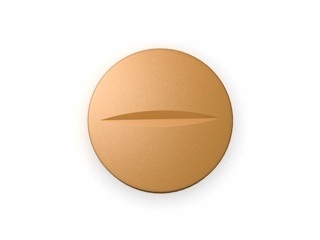
| Common formulations | Tablets (formulations vary; follow your package instructions) |
| How it’s taken | By mouth |
| Onset of benefit | May take weeks to become clearly effective (varies by condition) |
How Azulfidine works (mechanism of action)
Sulfasalazine is a “prodrug” that is broken down in the gut. It is thought to work mainly by delivering active components to the bowel and to the joints. After you swallow it, sulfasalazine reaches the intestine and is converted by bacteria into:
- 5-aminosalicylic acid (5-ASA) (an anti-inflammatory component in the gut)
- sulfapyridine (a sulfonamide component that may also contribute to anti-inflammatory effects)
The medicine helps reduce inflammation by multiple pathways, which may include effects on immune signalling and inflammatory mediators. Over time, this can lead to fewer flares and improved symptom control in people with suitable conditions.
Pharmacokinetics (what happens to the medicine in the body)
“Pharmacokinetics” describes how the body absorbs, distributes, metabolises, and eliminates a medicine. With sulfasalazine:
- Absorption: Sulfasalazine is only partly absorbed in the small intestine. A large portion reaches the colon.
- Activation: In the colon, bacterial enzymes split sulfasalazine into 5-ASA and sulfapyridine.
- Metabolism & distribution: The metabolites are absorbed to varying degrees. Sulfapyridine tends to be absorbed more and can be measured in blood.
- Elimination: The metabolites are cleared mainly by the kidneys (urine). Some excretion occurs through the gut and bile.
Because elimination involves the kidneys and because the medicine can affect blood counts and liver function, routine monitoring is often recommended.
What Azulfidine is used for (typical use and indications)
In the UK, sulfasalazine is commonly used for conditions where reducing inflammation is important. Indications can include:
- Ulcerative colitis (UC): to treat mild-to-moderate active disease and help maintain remission in some patients.
- Crohn’s disease: in certain cases, particularly when other treatments are unsuitable (practice varies by severity and guideline approach).
- Rheumatoid arthritis: used as a DMARD in selected patients, often as part of combination therapy.
- Juvenile idiopathic arthritis (JIA): may be used in certain forms and age groups, depending on clinical decision-making.
- Other inflammatory arthritis conditions: including some spondyloarthritis-related conditions, as advised by a clinician.
Your prescriber will decide which indication applies to you based on your diagnosis, disease severity, and other health factors.
When to take Azulfidine (timing and routine)
Sulfasalazine is typically taken regularly each day to maintain anti-inflammatory effect. Many regimens require splitting doses across the day. Follow the dosing schedule on your packaging or instruction sheet.
Practical timing tips
- Be consistent: try to take doses at similar times each day.
- Start gradually if advised: many people begin with a lower dose and increase to reduce side effects.
- Use a daily reminder: alarms on your phone or a pill organiser can help.
- Don’t double up: if you miss a dose, take advice from your pharmacist or follow the instructions provided. In general, do not take a double dose to make up for a missed one.
Food interactions (with meals)
Sulfasalazine can cause stomach upset in some people. Taking it with food may help reduce nausea or discomfort. Eating may also improve tolerance, especially during the initial period.
- General advice: take with food if your stomach is sensitive.
- Maintain consistency: try to keep your meals and timing similar each day.
Food does not usually “cancel” the medicine’s effect, but individual tolerance can vary. If you experience ongoing GI symptoms, talk to a pharmacist or clinician for adjustment advice.
Alcohol and medicine interactions
Alcohol can irritate the digestive system and may worsen certain conditions (such as ulcerative colitis) in some people. It can also increase the risk of side effects for medicines that affect the liver.
Alcohol (sensible approach)
- If you drink alcohol, consider keeping it low and occasional.
- Avoid alcohol during times when you feel unwell, have diarrhoea, or experience liver-related symptoms.
- If you have a history of liver disease or abnormal liver blood tests, ask a healthcare professional for personal advice.
Medication interactions to know about
Sulfasalazine can interact with other medicines. Important interaction categories include:
- Warfarin and other anticoagulants: may have interaction risk; clotting and bleeding should be monitored closely.
- Azathioprine, mercaptopurine: may increase risk of bone marrow suppression when used together (requires specialist monitoring).
- Methotrexate: combined use may increase blood abnormalities in some patients; monitoring is essential.
- Digoxin: absorption may be affected in some situations.
- Folic acid: sulfasalazine can reduce folate levels in some people; folic acid supplementation is often considered.
- Sulfonamide or sulfa-related allergies: avoid if you have a known allergy to sulfonamides or related medicines.
- Other drugs affecting blood counts: the combined effect may increase risk of low blood cells.
Always inform your pharmacist about all medicines you take, including over-the-counter products and herbal preparations.
Dosing (typical approach and how titration works)
Dosing varies by indication, age, and individual tolerance. Many regimens use a gradual build-up to reduce side effects, followed by a maintenance dose.
General principles (not a personal prescription)
- Initial dose: often started low.
- Titration: increased over time to a target dose if tolerated.
- Maintenance: continued at the effective dose.
- Monitoring: blood tests may be required during dose changes and long-term use.
Typical dosing schedules (overview)
The exact schedule should be confirmed with your medicine’s label or clinician instructions. A common approach in adults is:
- Ulcerative colitis: dosing may be divided across the day; doses often begin lower and are increased.
- Rheumatoid arthritis: similar gradual titration is commonly used, with maintenance reached after several weeks.
Important: Do not change your dose without medical advice. If you miss doses, ask your pharmacist for guidance on restarting and whether dose adjustment is needed.
Safety profile: common side effects and when to seek help
Like all medicines, sulfasalazine can cause side effects. Some are common and mild, while others are rare but serious. Knowing what to watch for helps you use Azulfidine safely.
Common side effects
- Stomach upset (nausea, abdominal discomfort)
- Loss of appetite
- Headache
- Rash or itch (mild skin reactions can occur)
- Yellow-orange bodily fluids (including urine) — can happen with sulfasalazine and is usually harmless
Serious side effects (seek urgent advice)
Contact urgent medical care if you experience symptoms suggestive of severe allergy, infection, or blood/liver problems. Seek prompt advice if you develop:
- Signs of allergy: swelling of face/lips, severe rash, wheezing, or breathing difficulty
- Severe infection symptoms: fever, persistent sore throat, or feeling very unwell
- Unusual bruising or bleeding (possible low platelets)
- Extreme tiredness or breathlessness (possible significant anaemia)
- Jaundice (yellow eyes/skin), dark urine, or significant upper abdominal pain (possible liver issues)
- Severe persistent diarrhoea or worsening abdominal pain that is not typical for you
Why monitoring matters
Sulfasalazine can (in some people) affect blood cells and liver function. Many patients undergo regular blood tests to detect problems early.
Practical use tips (getting the best from Azulfidine)
- Use a pill organiser: especially if doses are split morning and evening.
- Take with food if needed: this may reduce nausea.
- Stay consistent: missed doses may reduce control and can trigger flares.
- Attend blood test appointments: if you’re having routine monitoring, keep all scheduled tests.
- Hydration helps: adequate fluids support general wellbeing, especially if you have diarrhoea.
- Keep a symptom diary: note flare frequency, stool frequency, pain, and any side effects. This can help your clinician adjust treatment effectively.
- Report rashes early: skin reactions should not be ignored.
- Consider folate: ask whether folic acid supplementation is appropriate for you.
What to do if you miss a dose
If you miss a dose, the best action depends on how long it has been and your dosing schedule. In many cases, you can take it when you remember, unless it’s close to the next dose. Do not double up to compensate.
If you’re unsure, contact a pharmacist for advice.
Alternative options to consider (UK perspective)
Depending on your condition (e.g., ulcerative colitis, rheumatoid arthritis), alternatives may include other anti-inflammatory or immunomodulating medicines. Options can vary widely based on severity and past response.
For inflammatory bowel disease (examples)
- 5-ASA medicines (mesalazine/mesalamine) — sometimes used instead of sulfasalazine for colitis
- Corticosteroids — short-term control in certain flares (not ideal for long-term use)
- Immunomodulators — such as azathioprine/mercaptopurine in selected patients
- Biologic therapies — for moderate-to-severe disease in appropriate patients
For inflammatory arthritis (examples)
- Methotrexate — often a first-line DMARD in rheumatoid arthritis
- Other DMARDs — such as sulfasalazine alternatives depending on patient factors
- Biologic/JAK inhibitor therapies — in selected patients when DMARDs are insufficient
Your clinician can advise which option is suitable for your diagnosis and personal medical history.
Market and legal context in the United Kingdom
Azulfidine (sulfasalazine) is an established medicine available in the UK healthcare system. In the UK, sulfasalazine products are regulated by the medicines framework overseen by the Medicines and Healthcare products Regulatory Agency (MHRA). Patient safety and product quality are supported through medicines licensing, safety monitoring, and professional guidance.
Guidance on using sulfasalazine for inflammatory bowel disease and inflammatory arthritis is informed by clinical practice guidelines, including those produced by professional bodies such as:
- National Institute for Health and Care Excellence (NICE) (where applicable to relevant pathways)
- British Society of Gastroenterology (IBD guidance)
- British Society for Rheumatology (rheumatology guidance)
- Other UK and international recommendations used by clinicians
Recent guidance and monitoring (high-level overview)
Across both gastroenterology and rheumatology settings, recent years have emphasised:
- Structured monitoring for blood counts and liver function while on sulfasalazine.
- Individual risk assessment (age, comorbidities, kidney function, concurrent medicines).
- Clear patient communication about side effects and when to seek help.
- Folate consideration, especially where relevant to arthritis treatment patterns.
If you’re starting Azulfidine or switching from another medicine, your healthcare team may provide a monitoring schedule.
Delivery and availability (online pharmacy UK)
Azulfidine (sulfasalazine) may be available through UK-licensed supply routes and online pharmacies, subject to local availability and product variant. Stock levels can change depending on manufacturer supply and demand.
- Availability: check real-time stock status on the website.
- Delivery: delivery times depend on the supplier, courier, and your location within the UK.
- Packaging: medicines are supplied in original packaging with patient information included.
- Storage: follow storage instructions on the outer carton (typically protect from excessive heat and keep out of reach of children).
If you need help with ordering, product identification, or matching the correct formulation strength, a pharmacy adviser can assist.
FAQ — Frequently asked questions
1) How long does Azulfidine take to work?
Many people notice improvement gradually. In inflammatory bowel disease and inflammatory arthritis, clear benefit may take several weeks and sometimes longer. Don’t stop early if you feel only partial improvement—ask your healthcare team about expected timelines for your condition.
2) What should I do if I feel unwell after starting?
Mild stomach upset can happen, especially early on. If symptoms are significant, persistent, or you feel very unwell, contact a healthcare professional. If you have signs of allergy, infection, bleeding, jaundice, or severe rash, seek urgent advice.
3) Can Azulfidine be taken with food?
Yes. Taking sulfasalazine with food may reduce nausea or stomach discomfort for some people. Try to take it consistently day to day.
4) Does Azulfidine affect urine or body fluids?
Sulfasalazine can cause yellow-orange staining of urine or tears in some patients. This is usually not dangerous, but you should still report unusual symptoms if you’re concerned.
5) Are there foods or supplements I should avoid?
There are no universal food restrictions, but maintaining a balanced diet can support recovery. Because sulfasalazine may affect folate levels, your clinician may recommend folic acid supplementation in some cases.
6) Can I drink alcohol while taking Azulfidine?
Light or occasional alcohol may be acceptable for some people, but it’s safest to avoid excess alcohol. Alcohol can worsen digestive symptoms and may increase strain on the liver. Ask a pharmacist or clinician for personal advice, especially if you have liver issues.
7) What medicines commonly interact with sulfasalazine?
Interactions may occur with anticoagulants (e.g., warfarin), certain immunosuppressants (e.g., azathioprine/mercaptopurine), and other medicines affecting blood counts or liver function. Always provide your full medicine list to your pharmacist.
8) Do I need blood tests?
Many patients on sulfasalazine have periodic blood tests to monitor blood cell counts and liver function. Your clinician will advise a schedule tailored to you.
9) Is Azulfidine suitable for everyone?
Not necessarily. It may not be suitable if you have certain allergies (particularly sulfonamide/sulfa allergies), significant liver disease, blood disorders, or specific risk factors. Your healthcare team will assess suitability.
10) What are typical side effects in the first weeks?
Early side effects can include nausea, stomach discomfort, headache, and mild skin changes. If side effects are severe or you notice warning signs (fever, infection, rash, jaundice, unusual bleeding), seek medical advice promptly.
Key takeaways
- Azulfidine (sulfasalazine) helps reduce inflammation in conditions such as ulcerative colitis and certain arthritis types.
- It works gradually; benefit may take weeks.
- Take consistently; taking with food may improve tolerance.
- Monitor safety: blood tests and symptom awareness are important.
- Check interactions: tell your pharmacist about all medicines and supplements.
If you would like, share your condition (e.g., ulcerative colitis or rheumatoid arthritis) and any other medicines you take, and a pharmacist can help you understand general compatibility and what to monitor.