

Campral (Acamprosate) — Patient Information (UK)
Campral contains acamprosate, a medicine used to help reduce the risk of relapse in people who have previously stopped drinking alcohol. It works in the brain to support long-term abstinence by helping to restore chemical balance affected by long-term alcohol use.
This guide is written for patients and carers. It explains what Campral is, how it works, how to take it, what to expect, and important safety information. It is not a substitute for professional medical advice.
Quick overview
- Medicine name: Campral
- Active ingredient: Acamprosate
- Common use in the UK: Support for maintaining abstinence after stopping alcohol
- Typical form: Oral tablets
- Key idea: Helps reduce cravings/relapse risk by affecting brain signalling
What Campral is and how it works
Mechanism of action
Alcohol dependence can alter brain chemistry. When alcohol is stopped, the brain may remain “out of balance”, contributing to persistent cravings and relapse risk. Acamprosate helps address these changes by acting on neurotransmitter systems.
In simple terms, acamprosate is thought to:
- Modulate the activity of chemical messengers involved in learning, memory, and craving (especially related to glutamate and GABA balance).
- Reduce the reinforcing effects of alcohol cues and stress-related relapse triggers.
- Support long-term abstinence by reducing the likelihood of heavy drinking returning.
Campral is not an “instant cure” for craving on the day you start it. Many people notice benefit over time, as the brain stabilises and relapse risk reduces.
Pharmacokinetics (how the body handles Campral)
Understanding how a medicine is absorbed and cleared can help with expectations about timing and dosing.
| Topic | What typically happens with acamprosate |
|---|---|
| Absorption | Absorbed after oral administration; peak levels occur within several hours. |
| Food effects | Food has little or no clinically meaningful effect on overall exposure for most people. |
| Distribution | Moves into the body’s tissues; does not strongly accumulate when taken as directed. |
| Metabolism | Not extensively broken down (“metabolised”) in the liver. |
| Elimination | Primarily cleared through the kidneys (urine). |
| Implication for kidneys | People with reduced kidney function may need altered use; kidney health is important. |
Typical use in the UK
Campral is used to support maintaining abstinence after alcohol dependence treatment, particularly once a person has already stopped drinking.
It is commonly used alongside other forms of support such as:
- Behavioural therapy and counselling
- Support groups (for example, Alcoholics Anonymous or similar services)
- Care plans addressing mental health, housing, employment, and social factors
- Relapse prevention strategies
Indications (when Campral is used)
In the UK, acamprosate is indicated to help maintain abstinence in adults with alcohol dependence who have stopped drinking.
It is generally intended for ongoing use as part of a structured plan to reduce relapse risk, rather than for treating acute intoxication.
How to take Campral: timing and dosing
General dosing principles
Dosing must be individualised. Your pharmacist or healthcare professional will provide the exact schedule for you. As guidance, acamprosate is usually taken several times a day.
Many people take it at regular times each day to keep steady levels and make it easier to stay consistent.
Typical adult dosing (common practice)
A frequently used adult regimen is two 333 mg tablets (total 666 mg) three times daily (for a total daily dose of 1998 mg), depending on the product strength and local prescribing guidance. Your exact tablets and schedule should match what you were given.
If kidney function is reduced
Because acamprosate is cleared mainly by the kidneys, dosing may need adjustment in people with kidney impairment. Do not start Campral (or continue it) without advice if you have known kidney problems.
When to start
Campral is intended for use after stopping alcohol. If you have recently stopped, it is often started as soon as appropriate within your treatment plan. The sooner it is started, within clinical judgement, the more it may help support early abstinence.
How long to take
The duration of treatment varies. Some people take Campral for months, while others require longer support. The best length is based on your relapse risk, progress, and the overall plan (including counselling).
Practical tips for taking Campral
- Keep a routine: Take doses at set times (for example, morning/afternoon/evening) to reduce missed doses.
- Use a medication organiser: Pill boxes can help you avoid accidental double-dosing.
- Track symptoms: Note craving intensity, sleep, mood, and triggers. This helps your support team adjust the plan.
- Don’t rely on it alone: Medicines work best alongside therapy and practical relapse-prevention strategies.
- If you miss a dose: Take it when you remember unless it is close to the next dose. Do not double up.
Food interactions (what to expect)
Acamprosate can generally be taken with or without food. Food is not expected to significantly affect overall exposure for most people. That said, individual comfort matters—some people find it easier to take tablets with a meal or snack.
Try to take doses at consistent times. If your stomach is sensitive, take with food.
Alcohol and medicine interactions
Alcohol
Campral is intended for people who are aiming for abstinence. Drinking alcohol while taking Campral may reduce the benefit you are seeking and can increase the likelihood of relapse. For the safest and most effective use, aim to avoid alcohol.
If you drink unexpectedly, seek advice promptly—your treatment plan may need adjustment.
Other medicines
Acamprosate has relatively limited metabolism, which can mean fewer drug–drug interaction issues than some medicines. However, interactions can still occur via other mechanisms, and your overall health matters.
Tell your pharmacist or healthcare professional about all medicines you take, including:
- Prescription medicines
- Over-the-counter medicines (including cold/flu remedies)
- Herbal products and supplements
- Any recreational substances
- Medicines you may have stopped recently after alcohol reduction
Particular caution may be needed in people with kidney impairment or those taking medicines that affect renal function.
Safety profile and side effects
Common side effects
Like all medicines, Campral can cause side effects. Many are mild and may reduce after the first days or weeks.
- Diarrhoea (one of the more commonly reported effects)
- Nausea
- Abdominal discomfort
- Headache
- Dizziness or general unwell feelings
- Fatigue
Less common but important symptoms
- Allergic reactions (such as rash, itching, swelling, or breathing difficulty)
- Severe or persistent diarrhoea or signs of dehydration (especially if you cannot keep fluids down)
- Marked worsening of mood or significant psychological distress
If you develop symptoms of a serious allergic reaction, seek urgent medical help immediately.
When to seek urgent advice
Contact urgent care or emergency services if you experience:
- Breathing difficulties, facial/lip/tongue swelling, or severe rash
- Severe dehydration, fainting, or inability to keep fluids down
- Any serious concerns that you feel cannot wait
Safety considerations in kidney disease
Because acamprosate is cleared via the kidneys, kidney impairment can increase exposure to the medicine. Your prescriber will consider kidney function before starting and may adjust the regimen or avoid use depending on severity.
Pregnancy, breastfeeding, and fertility
If you are pregnant, planning pregnancy, or breastfeeding, discuss the risks and benefits with a clinician. Guidance depends on your individual circumstances and overall health. Do not stop essential support abruptly without advice.
Driving and machinery
Campral is not typically associated with major impairment of driving ability, but dizziness or fatigue can occur in some people. If you feel unsteady or unusually tired, avoid driving or operating machinery until you know how the medicine affects you.
Practical use tips for better results
- Stay connected to support: Relapse prevention is more successful when medicine and psychosocial support go together.
- Plan for triggers: Identify times/places/people that increase cravings and create an alternative plan.
- Hydration and diet: If diarrhoea occurs, drink fluids and consider bland foods. Severe diarrhoea should be reviewed.
- Keep a medication checklist: Store your dose schedule somewhere visible to reduce mistakes.
- Don’t stop suddenly without advice: If you stop early, benefit may reduce. Discuss discontinuation plans with your clinician.
Alternative options (UK context)
Campral is one option for alcohol dependence support. Depending on your goals and medical history, clinicians may consider other medicines and approaches. Examples include:
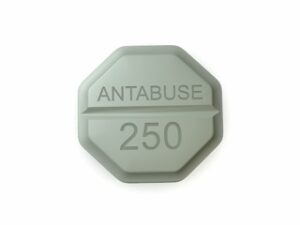
- Disulfiram: creates an unpleasant reaction if alcohol is taken (used in carefully selected patients).
- Naltrexone: reduces the rewarding effects of alcohol and may help reduce heavy drinking in some people.
- Psychological therapies: motivational interviewing, cognitive-behavioural therapy, relapse prevention planning.
- Structured support services: community alcohol services, addiction psychiatry, peer support groups.
The best choice depends on whether the focus is maintaining abstinence, reducing heavy drinking, previous treatment response, side-effect tolerance, and medical considerations such as kidney health.
Market and legal context in the UK
In the United Kingdom, medicines are regulated by the Medicines and Healthcare products Regulatory Agency (MHRA). Availability, supply, and prescribing/dispensing practices are shaped by UK medicines legislation and clinical governance requirements.
Campral (acamprosate) is an established treatment for alcohol dependence support and is commonly dispensed through UK pharmacy channels as part of NHS and private healthcare pathways, following local clinical guidance.
Recent guidance (how care is typically approached)
UK alcohol care commonly emphasises a combination of:
- Assessment of dependence severity and relapse risk
- Support for abstinence where appropriate
- Co-existing mental health and physical health needs (for example, anxiety, depression, liver and kidney health)
- Repeat follow-up to adjust treatment and psychosocial support
While formal guidance can change over time and may vary by service, the consistent approach is that medicines like acamprosate are used alongside structured support rather than in isolation.
Delivery, availability, and ordering (UK)
As availability can vary, online pharmacy listings may differ by stock level and delivery times. When ordering Campral, ensure that:
- You select the correct strength and pack size shown in the listing.
- You check delivery options and estimated dispatch times at checkout.
- You confirm that the medicine is suitable for you (especially if you have kidney disease).
Delivery times depend on location and courier schedules. Most reputable online pharmacies in the UK provide tracking and clear dispatch updates.
Storing Campral safely
- Store tablets according to the package instructions.
- Keep out of sight and reach of children.
- Do not use after the expiry date on the pack.
- Store in a dry place away from excessive heat.
Frequently Asked Questions (FAQ)
1) What is Campral used for?
Campral (acamprosate) is used to support people with alcohol dependence to maintain abstinence after they have stopped drinking. It helps reduce the risk of relapse.
2) How long does it take to work?
Some people notice changes in relapse risk and craving over days to weeks, but the medicine is intended for ongoing support. The benefit is usually assessed over time as part of your overall treatment plan.
3) Can I drink alcohol while taking Campral?
Campral is intended to support abstinence. Drinking alcohol may reduce the effectiveness of treatment and increase relapse risk. If you drink, seek advice about how to continue safely.
4) Do I need to take Campral with food?
Food is not expected to significantly affect how Campral works for most people. You may take it with or without food; taking it with a meal may help if you experience stomach upset.
5) What if I miss a dose?
Take the missed dose when you remember unless it is nearly time for the next dose. Do not take a double dose to make up for a missed tablet.
6) Who should be careful using Campral?
Extra care is needed if you have kidney impairment, significant ongoing diarrhoea, or a history of allergic reactions. Always check with a healthcare professional if you have kidney problems.
7) What side effects are most common?
Common side effects include diarrhoea, nausea, abdominal discomfort, headache, and dizziness or fatigue. Severe or persistent symptoms should be reviewed.
8) Can Campral be used alongside counselling or therapy?
Yes. Campral is often most effective when combined with psychological and social support such as counselling and relapse prevention planning.
9) Is Campral suitable for everyone with alcohol dependence?
Not necessarily. Suitability depends on factors such as kidney function, other medical conditions, current medications, and the treatment goal (abstinence vs reducing heavy drinking).
10) What should I do if I experience severe diarrhoea?
If diarrhoea becomes severe, persistent, or leads to dehydration, contact a healthcare professional promptly. Drink fluids if you can, and seek urgent help if you feel faint or unable to keep fluids down.
Summary
Campral (acamprosate) is a well-established medicine used to help maintain abstinence in adults with alcohol dependence after they have stopped drinking. It works by supporting brain signalling systems affected by alcohol dependence and may reduce the risk of relapse when used as part of a broader support plan.
If you have questions about side effects, dosing timing, kidney health, or interactions with other medicines, speak to a qualified healthcare professional or your pharmacist.