

Capecitabine: Patient-Friendly Information (United Kingdom)
Capecitabine is a cancer medicine used in certain types of solid tumours. It is taken by mouth and works by interfering with the way cancer cells make and use DNA. This page explains how capecitabine works, how the body handles it, common uses, practical guidance on taking it, food and medicine interactions, and key safety points.
Important: Cancer treatments must be tailored to the individual. Always follow the advice of your oncology team regarding dose, schedule, blood tests, and dose adjustments.
Basic product information
| Category | Details |
|---|---|
| Generic name | Capecitabine |
| Medicinal class | Antimetabolite / cytotoxic chemotherapy (fluoropyrimidine) |
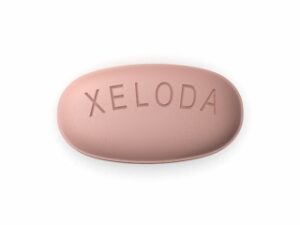
| How it is taken | Oral tablets (swallowed whole with water) |
| Typical scheduling | Often given in cycles (commonly 2 weeks on, 1 week off—varies by indication and regimen) |
| Common side effects | Diarrhoea, nausea/vomiting, fatigue, hand-foot (palmar-plantar) syndrome, mouth sores, changes in blood counts |
| UK availability | Available through prescription-only channels in the UK |
How capecitabine works (mechanism of action)
Capecitabine is a prodrug, meaning it is converted in the body into its active form. It is designed so that conversion occurs more in tumour tissue than in normal tissue.
- Capecitabine is metabolised to 5-fluorouracil (5-FU).
- 5-FU interferes with key steps needed for DNA and RNA synthesis.
- This limits cancer cell growth and can trigger cell death, particularly in rapidly dividing cells.
Because it targets DNA/RNA production, the medicine can also affect healthy fast-dividing cells (for example, bone marrow and the lining of the gut and mouth), which is why some side effects relate to blood counts, diarrhoea, and mouth ulcers.
Pharmacokinetics: how the body handles capecitabine
Pharmacokinetics describes how the drug is absorbed, distributed, metabolised, and eliminated. In general terms:
- Absorption: Capecitabine is absorbed after oral administration. Its absorption is improved when taken with food, which is why timing with meals matters.
- Conversion and metabolism: The medicine is converted stepwise into 5-FU. Enzymes involved in conversion may be more active in tumour tissues.
- Distribution: Active metabolites can distribute throughout the body and reach tumour sites.
- Elimination: Metabolites are mainly cleared via the liver and kidneys. Kidney function is therefore important for safe use.
Practical takeaway: your clinical team monitors kidney and liver function and blood counts because these influence how safely you can take capecitabine and whether dose adjustments are needed.
Typical uses in the UK
Capecitabine is used for certain cancers, including some settings where it may be the primary chemotherapy or part of a combination regimen. Uses may differ depending on the cancer type, stage, and whether other treatments have been given.
Common indications
- Breast cancer: In certain cases, including adjuvant treatment after surgery (where appropriate), and also in metastatic settings depending on prior therapies and regimen choice.
- Colorectal cancer: Particularly in metastatic colorectal cancer, and in some stages when capecitabine forms part of treatment planning.
- Gastric and gastro-oesophageal junction cancers: In some settings, often as part of combination therapy (depending on local protocols).
- Pancreatic cancer: Sometimes in specific regimen choices depending on clinical context.
Not every patient will be suitable, and indications can change based on ongoing evidence and guidance. Your oncology team will choose the regimen most relevant to your diagnosis and individual factors.
Timing and how to take capecitabine
Capecitabine is commonly taken in cycles, and dosing regimens may vary (for example, 2 weeks on treatment followed by 1 week off). Your schedule will be provided by your clinician and should be followed exactly.
When to take it during the day
- Doses are typically split into morning and evening doses.
- Try to take each dose around the same times each day to maintain steady levels.
- Swallow tablets with water and as instructed by your treatment team.
With meals (food timing)
Capecitabine is generally recommended to be taken after food (with a meal or within 30 minutes after completing a meal). This improves absorption and reduces variability in drug exposure.
If you miss a dose: Many guidance documents advise not doubling up. Contact your oncology team or pharmacy for instructions specific to your regimen. Do not take extra tablets to “catch up” unless your clinician advises it.
Food interactions and practical dietary considerations
Food is important for capecitabine dosing consistency:
- Take after meals: Food helps absorption. Taking on an empty stomach may reduce exposure.
- Stomach upset: If you develop nausea, it may be easier to take doses with smaller meals and follow your team’s dietary advice.
- Hydration: Maintaining fluid intake can support comfort, especially if you experience diarrhoea.
There are no specific “forbidden foods” for capecitabine in the same way as with some other medicines, but maintaining nutrition is vital—your body may be more vulnerable during chemotherapy.
Alcohol and medicine interactions
Alcohol
Alcohol does not have a single universal interaction with capecitabine in all patients, but it can worsen common chemotherapy side effects such as:
- Nausea and vomiting
- Diarrhoea
- Fatigue
- Liver stress, particularly in those with liver involvement or other liver-risk factors
Many clinicians recommend limiting or avoiding alcohol during treatment, especially if you have ongoing side effects or abnormal liver function tests. Ask your oncology team for personal advice.
Common medicine interactions
Capecitabine can interact with other medicines through metabolism and effects on blood counts. Share a full list of medicines with your healthcare team, including over-the-counter products and herbal supplements.
- Warfarin and other blood thinners: Capecitabine may increase the risk of bleeding in some situations. Anticoagulant levels (e.g., INR) may require closer monitoring.
- Phenytoin: Levels may change and cause toxicity or loss of seizure control.
- Folic acid (and related vitamin supplements): Supplements should be used only if your clinician agrees, as folate can influence fluoropyrimidine activity.
- Leucovorin (folinic acid): Used in some regimens and can alter effects; should be managed by the treatment protocol.
- Allopurinol: May affect metabolism of chemotherapy metabolites; needs clinician review.
- Medicines affecting kidney function: Because kidney function matters for capecitabine clearance, drugs that change hydration or kidney function may require review.
- Herbal products and supplements: Some may affect liver enzymes or increase side effects; avoid unapproved supplements.
If you start, stop, or change any medicine during capecitabine treatment, inform your oncology team or pharmacist promptly.
Dosing: what to expect and what influences it
Capecitabine dosing is usually calculated based on body surface area and adjusted for individual factors such as:
- cancer type and treatment regimen
- age and general health
- kidney function (especially important)
- liver function
- baseline blood counts
- previous chemotherapy and current side effects
Regimens vary. A common approach is a cycle-based schedule such as: two weeks of treatment followed by one week off. Some regimens use different “on/off” schedules.
Dose adjustments (safety-focused)
Your clinician may reduce the dose or pause treatment if you experience significant side effects, such as:
- severe diarrhoea
- significant hand-foot syndrome (palmar-plantar erythema)
- mouth ulcers (stomatitis)
- dangerously low blood counts (neutropenia, thrombocytopenia, anaemia)
- kidney impairment
Dose adjustments are part of safe chemotherapy management; they aim to keep you well enough to continue.
Indications (what conditions it treats) – overview
In the UK, capecitabine is used under established clinical protocols for specific cancer types, often in combination regimens or as an alternative oral option. Exact eligibility depends on clinical factors and the local treatment pathway.
Broader indication categories
- Colorectal cancer: commonly in metastatic settings and certain planned treatment courses.
- Breast cancer: including adjuvant or metastatic use depending on subtype and prior treatment history.
- Gastrointestinal cancers: including selected gastric and gastro-oesophageal junction cancers.
- Other solid tumours: in selected cases where capecitabine is part of a regimen supported by evidence.
If you’re unsure whether capecitabine is appropriate for your diagnosis, ask your oncology team about the rationale for the chosen regimen.
Safety profile: side effects and when to seek help
Common side effects
Side effects vary widely between people. Many are manageable with early reporting and supportive care.
- Diarrhoea (sometimes early and dose-related)
- Nausea and vomiting
- Fatigue and weakness
- Hand-foot syndrome (palmar-plantar erythrodysaesthesia): redness, swelling, tenderness, peeling or blistering on hands/feet
- Mouth sores and sore throat
- Loss of appetite
- Changes in blood counts (anaemia, low white cells, low platelets)
- Abnormal liver function tests in some patients
- Rash or dry skin
Serious side effects (seek urgent medical advice)
Contact medical services urgently (or follow your cancer team’s emergency guidance) if you develop any of the following:
- Fever or signs of infection (especially if you have low white blood cells)
- Severe diarrhoea, dehydration, or inability to keep fluids down
- Severe mouth ulcers causing difficulty eating/drinking
- Severe hand-foot syndrome with pain, ulcers, or inability to perform daily tasks
- Unexplained bleeding or bruising (possible low platelets)
- Shortness of breath, chest pain, or sudden severe weakness
- Signs of allergy: swelling of face/lips, rash with breathing difficulty
Your oncology team may provide a personalised “what to do” plan for symptoms such as diarrhoea and fever. Keep it accessible.
Practical use tips for day-to-day life
Managing hand-foot syndrome (palmar-plantar)
- Moisturise regularly: Use gentle fragrance-free moisturisers frequently.
- Protect from friction/heat: Avoid tight shoes, prolonged walking, hot water, and friction where possible.
- Report early: Early symptoms (tingling, redness, discomfort) should be reported promptly for dose review and supportive measures.
- Foot care: Keep feet clean and dry; wear cushioned footwear.
Preventing and treating diarrhoea
- Hydrate: Sip fluids regularly; oral rehydration solutions can be helpful.
- Start early symptom control: Your team may prescribe anti-diarrhoeal medicines to take at the first sign of diarrhoea.
- Avoid triggers: Some people find bland foods and avoiding high-fat, spicy, or high-fibre foods helpful during flare-ups.
- Seek advice quickly: Don’t wait if diarrhoea is more than mild or if you feel dizzy or dehydrated.
Looking after your mouth
- Use a soft toothbrush and gentle mouth rinses.
- Tell your team if you develop pain, ulcers, or difficulty swallowing.
- Avoid irritants such as alcohol-based mouthwashes unless advised.
Fatigue and infection prevention
- Plan rest periods and prioritise essential activities.
- If your white blood cell count is low, follow infection-prevention advice (hand hygiene, avoiding sick contacts where possible).
- Report fever immediately—do not “wait and see.”
Tablet handling and storage
- Store tablets as directed on the packaging (typically at room temperature, protected from excess moisture and heat).
- Keep out of sight and reach of children.
- Wash hands after handling tablets.
Alternative options (what else may be considered)
Alternatives depend entirely on the cancer type, stage, and previous treatments. In the UK, oncology teams may consider:
Common alternative chemotherapy options
- Other oral fluoropyrimidines or related agents in some regimens
- IV chemotherapy combinations using agents such as oxaliplatin and others (choice varies by indication)
- Targeted therapies for tumours with specific biomarkers
- Immunotherapy in selected settings where evidence supports benefit
- Radiotherapy or surgery-based strategies
- Best supportive care when chemotherapy risks outweigh potential benefits
If capecitabine isn’t tolerated, clinicians may adjust dose, pause treatment, or switch to another regimen. Discuss options early with your oncology team so decisions can be made promptly.
UK market, legal and guidance context
In the UK, cancer medicines are provided through established pathways overseen by the NHS and regulatory bodies. The availability, permitted uses, and prescribing decisions follow national and local guidance and the medicine’s authorised summary of product characteristics (SmPC) and clinical evidence.
Regulatory and prescribing framework
- Medicines are regulated by the Medicines and Healthcare products Regulatory Agency (MHRA).
- Clinical use is supported by evidence and may align with recommendations from bodies such as NICE (depending on cancer type and setting) and cancer-specific commissioning frameworks.
- Treatment schedules may differ by trust and by patient factors.
Recent guidance (general themes)
In recent years, UK oncology practice has increasingly emphasised:
- Early toxicity recognition (especially diarrhoea and hand-foot syndrome)
- Risk-stratified dose management using blood tests and symptom severity
- Supportive care to maintain nutrition and hydration
- Renal-function considerations for fluoropyrimidines
Because guidance and protocols can update, your oncology team’s instructions—based on the latest local pathway—are the most reliable source for how capecitabine should be used for your situation.
Delivery, availability and how online pharmacies work in the UK
Capecitabine is a regulated cancer medicine. Availability through online services depends on compliance with UK pharmacy and controlled medicine requirements where applicable, and on clinician involvement through appropriate healthcare pathways.
What you can expect when ordering
- You may be asked to provide relevant clinical information to confirm suitability and safe supply.
- Orders are processed by the pharmacy team and checked for accuracy.
- Delivery times vary by courier, stock availability, and packaging requirements.
- Some areas may have different delivery options, including tracked delivery.
Stock and supply issues
Like many medicines, chemotherapy products may be subject to intermittent supply constraints. If there’s a delay, the pharmacy may contact you to confirm alternatives or expected dispatch dates.
For the most up-to-date information, check the delivery and availability section on the pharmacy site you’re using and speak with the pharmacy team if you need urgent continuity of treatment.
FAQ: Capecitabine (UK)
1) What is capecitabine used for?
Capecitabine is used to treat certain cancers, including some breast and colorectal cancer situations, and other selected solid tumours. Your oncology team will specify the exact indication and regimen based on your diagnosis.
2) How do I take capecitabine—before or after food?
In most regimens, capecitabine should be taken after food (typically within about 30 minutes after completing a meal). Follow your schedule exactly and confirm timing if your instructions differ.
3) What happens if I miss a dose?
Do not take extra tablets unless your clinician or pharmacist has told you to. Contact your treatment team or pharmacy for advice on what to do for your specific day in the cycle.
4) What are the most important side effects to watch for?
Common important side effects include diarrhoea, nausea, fatigue, mouth sores, and hand-foot syndrome. Seek urgent advice for fever, severe diarrhoea, dehydration, or bleeding/bruising.
5) Can I drink alcohol while on capecitabine?
Alcohol may worsen side effects and could affect liver function. Many people are advised to limit or avoid alcohol during treatment. Ask your oncology team for guidance tailored to you.
6) Are there medicines I should avoid?
Interactions can occur with anticoagulants (e.g., warfarin), seizure medicines (e.g., phenytoin), and other agents. Always tell your pharmacist and oncology team about all medicines, supplements, and herbal products you use.
7) Does capecitabine affect kidney function?
Kidney function affects how capecitabine is cleared from the body. Your team will monitor kidney function and may adjust dosing. If you have reduced kidney function, you need extra safety monitoring.
8) How is capecitabine different from 5-fluorouracil (5-FU)?
Capecitabine is taken by mouth and acts as a prodrug that is converted into 5-FU in the body. This is one reason it can be administered as an oral treatment in certain regimens.
9) What can I do to reduce hand-foot syndrome?
Keep hands and feet moisturised, avoid friction and heat, wear comfortable shoes, and report symptoms early. Early communication can lead to supportive care and dose adjustments if needed.
10) Where can I find the most accurate information for my regimen?
Your oncology team and treatment plan are the best sources. For medicine-specific details, the medicine’s official patient information leaflet (where provided) and your pharmacy team can also help.
Summary
Capecitabine is an oral chemotherapy medicine used for selected cancers in the UK. It works by converting into 5-fluorouracil and interfering with DNA/RNA synthesis, primarily in rapidly dividing cells. Safe use depends on correct timing with meals, careful monitoring (including blood counts and kidney function), and prompt reporting of side effects—especially diarrhoea, fever, and hand-foot syndrome.
If you’d like, share a little more about your intended use (for example, general cancer type or regimen schedule as provided by your clinician), and we can help explain what the cycle timing and common side-effect monitoring typically involve.