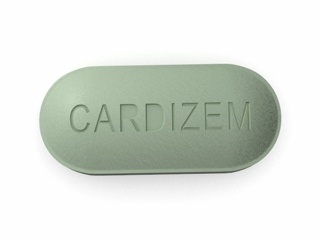

Cardizem (Diltiazem) — Patient-Friendly Guide (UK)
Cardizem is a brand name for diltiazem, a medicine used to help manage certain heart rhythm and blood pressure conditions. This page explains how diltiazem works, how it is typically taken, what to expect, and important safety information. It is intended to be patient-friendly and may help you discuss treatment options with a healthcare professional.
Note: Different Cardizem products and strengths exist (for example, immediate-release and modified-release forms). Always check your exact brand and formulation on your pack and follow the instructions provided by your clinician or pharmacist.
Quick Facts
- Active ingredient: Diltiazem
- What it’s used for: Certain types of angina, high blood pressure, and some heart rhythm problems
- How it works: Slows calcium entry in heart and blood vessel cells, helping relax blood vessels and reduce heart workload
- Common side effects: Headache, dizziness, flushing, swelling (ankle/feet), constipation, and slower heart rate
- Important cautions: Possible interactions with other heart medicines, some antibiotics/antifungals, and certain medicines affecting liver enzymes
- Alcohol: May increase dizziness or low blood pressure in some people
Basic Product Information
| Category | Details |
|---|---|
| Medicine | Cardizem (diltiazem) |
| Drug class | Calcium channel blocker (non-dihydropyridine class) |
| Common formulations | Immediate-release and modified-release varieties (varies by country/stock) |
| How it’s used | For cardiovascular conditions including angina, hypertension, and certain arrhythmias |
| Brand availability (UK) | May vary; diltiazem is also available as generics depending on supply |
Mechanism of Action (How Diltiazem Works)
Diltiazem is a calcium channel blocker. It reduces the flow of calcium into certain cells in the heart and blood vessels. This leads to:
- Relaxation of blood vessels (vasodilation), which can help lower blood pressure.
- Reduced heart muscle workload by slowing down conduction in the heart.
- Improved oxygen supply-demand balance in angina by decreasing the heart’s need for oxygen.
- Slower conduction through the atrioventricular (AV) node, which can help certain rhythm disorders.
Because it affects both blood vessels and the heart’s electrical system, diltiazem can be particularly useful when symptoms relate to both vascular tone and heart rate/conduction.
Pharmacokinetics (How the Body Handles Diltiazem)
Pharmacokinetics describes what the body does to the medicine (absorption, distribution, metabolism, and elimination).
- Absorption: Diltiazem is absorbed after oral dosing. The speed and pattern differ between immediate-release and modified-release forms.
- Distribution: It distributes into body tissues, including the cardiovascular system.
- Metabolism: Diltiazem is primarily metabolised by the liver via the CYP3A4 enzyme system. This is why some interacting medicines can significantly change its levels.
- Elimination: Metabolites are eliminated mostly via the kidneys and bile (exact proportions can vary).
- Half-life: Depending on the formulation, the duration of action differs. Modified-release forms are designed for steadier blood levels over the day.
Practical implication: If you have liver impairment or take medicines that inhibit or induce CYP3A4, diltiazem levels may rise or fall—affecting safety and effectiveness.
Typical Uses in the UK
Diltiazem may be used for a range of cardiovascular conditions. The most common intended uses include:
- Angina pectoris: Helping prevent chest pain (stable angina) and reducing frequency/severity for some patients.
- Hypertension (high blood pressure): Lowering blood pressure to reduce cardiovascular risk.
- Some supraventricular tachycardias (SVT): Helping control heart rate by slowing AV node conduction in selected rhythm disorders (as advised by a clinician).
Not all rhythm problems are treated with diltiazem. The appropriateness depends on the specific diagnosis (e.g., type of arrhythmia), heart function, and overall risk profile.
Timing & How to Take Cardizem
How you take diltiazem depends on the formulation you’re using.
General timing advice
- Once or twice daily: Many modified-release forms are taken once or twice daily. Follow your pack instructions.
- Even spacing: Taking doses at roughly consistent times helps maintain stable effects.
- Steady routine: Choose times you can reliably repeat (for example, morning and evening).
Immediate-release vs modified-release
- Immediate-release: Often taken multiple times daily; effects may be shorter.
- Modified-release: Designed to release more slowly. Do not crush or split tablets/capsules unless your specific product instructions say it is safe—this can change release and increase side effects.
If you miss a dose
- Take the missed dose as soon as you remember unless it is close to your next dose.
- If close, skip the missed dose and resume your usual schedule.
- Do not double doses to make up for a missed tablet.
If you’re unsure, check the leaflet inside your medicine pack or ask a pharmacist for advice based on your specific dosing schedule.
Food Interactions
Food may affect how quickly diltiazem is absorbed for some formulations. In general:
- Consistency is key: If you notice symptoms are better when taken with food (or worse on an empty stomach), try to keep your routine consistent unless advised otherwise.
- Follow your product leaflet: Some formulations are more sensitive to food effects than others.
Tip: If you’re switching from one formulation to another (for example, different release type), ask your pharmacist how taking with or without food may differ.
Alcohol and Medicine Interactions
Alcohol
Alcohol can increase the risk of side effects such as dizziness, light-headedness, and low blood pressure, especially when starting diltiazem or after dose increases. To reduce risk:
- Start cautiously if you drink alcohol.
- Consider avoiding heavy drinking, particularly at the beginning of treatment.
- If you feel faint or unusually dizzy, stop drinking and seek advice if symptoms persist.
General medicine interactions (important)
Diltiazem interacts with other medicines that affect heart rhythm, heart conduction, and liver metabolism (CYP3A4).
- Other heart rate/blood pressure medicines: Combining with certain beta-blockers or other calcium channel blockers can increase the risk of slow heart rate or low blood pressure.
- Antiarrhythmic medicines: The combination may increase risk of conduction problems or abnormal heart rhythms.
- Medicines that inhibit CYP3A4: These can raise diltiazem levels (leading to more side effects). Examples include some antifungals and certain antibiotics.
- Medicines that induce CYP3A4: These may reduce diltiazem levels and reduce effectiveness.
- Statins: Some statins share metabolic pathways; the combination may increase the risk of side effects with certain statins at higher doses.
- Grapefruit: Grapefruit products may increase diltiazem levels by affecting metabolism—avoid unless your pharmacist confirms it is safe.
Always tell your pharmacist about your current medicines, including over-the-counter products and herbal remedies.
Indications (What It’s Used For)
Indications depend on your specific diagnosis and clinical evaluation. Diltiazem is commonly used for:
- Angina: To help prevent chest pain episodes by improving the balance between oxygen supply and heart oxygen demand.
- Hypertension: To lower blood pressure and reduce long-term cardiovascular risk.
- Some tachyarrhythmias: For certain supraventricular rhythm problems by slowing AV node conduction.
If you are using diltiazem for a rhythm problem, ensure the dosing is specifically tailored to the type of rhythm and your baseline heart rate/blood pressure.
Dosing (How Dosing Typically Works)
Dosage varies widely depending on the condition, formulation, age, kidney/liver function, and how well the medicine is tolerated. Your exact dose should come from the instructions provided with your medicine.
Common dosing patterns (general guidance)
- Angina or hypertension: Doses are often started low and adjusted gradually to reach the desired effect with tolerable side effects.
- Arrhythmias: Dosing may be carefully selected to achieve rate/conduction control without causing excessive slowing.
What affects dose decisions
- Heart rate and blood pressure: If your pulse becomes too slow or you feel faint, dose adjustment may be needed.
- Conduction system status: People with certain conduction abnormalities may not be suitable.
- Liver impairment: Because diltiazem is metabolised in the liver, higher levels can occur in some patients.
- Drug interactions: Some interacting medicines can significantly raise diltiazem concentration.
Important: Never change your dose or stop suddenly without medical advice. If you have concerns about side effects or effectiveness, speak with a clinician or pharmacist.
Safety Profile & Side Effects
Like all medicines, diltiazem can cause side effects. Many are mild and improve as your body adjusts, but some require prompt medical attention.
Common side effects
- Headache
- Dizziness or feeling light-headed
- Flushing
- Swelling of ankles/feet (fluid retention)
- Constipation
- Feeling tired
- Slower heart rate (bradycardia)
Serious side effects (seek urgent advice)
Contact urgent medical services or seek urgent help if you experience:
- Fainting or severe dizziness
- Very slow heartbeat with weakness or breathlessness
- Signs of an allergic reaction (swelling of face/lips, rash, difficulty breathing)
- Worsening chest pain or signs of a serious cardiac event
- Severe shortness of breath, sudden weight gain, or marked worsening swelling
Who should be extra cautious?
You may need extra monitoring if you have:
- Liver disease
- Low blood pressure
- Heart conduction problems (for example, certain AV blocks)
- Heart failure or reduced heart function (your clinician may evaluate suitability carefully)
- Electrolyte disturbances or other factors increasing arrhythmia risk
Practical Use Tips (Make Treatment Easier)
- Monitor your pulse and blood pressure: If advised, check regularly—especially after starting or increasing the dose.
- Stand up slowly: If you feel dizzy, rise gradually from sitting/lying positions.
- Keep a symptom diary: Note chest pain frequency, breathlessness, palpitations, or dizziness. This helps your clinician assess response.
- Use reminders: Pill boxes, phone alarms, or pharmacy app reminders can improve adherence.
- Watch for swelling: Mild ankle swelling can occur; report significant or worsening swelling.
- Don’t skip monitoring: If your clinician schedules ECGs or blood tests, attend as planned.
- Avoid grapefruit products: Unless your pharmacist confirms it’s safe.
Alternative Options
If diltiazem isn’t suitable or doesn’t provide adequate control, other medicines may be considered depending on the condition being treated. Alternatives can include:
- For blood pressure/angina: Other calcium channel blockers (e.g., amlodipine) or different classes such as ACE inhibitors, angiotensin receptor blockers, beta-blockers, or nitrates.
- For rhythm control/rate control: Beta-blockers (in selected cases), other rate-controlling medicines, or rhythm-specific strategies.
- For angina: Long-acting nitrates, other anti-anginal medicines, and lifestyle changes.
Important: The best alternative depends heavily on your diagnosis (for example, type of angina or arrhythmia) and your overall medical history. Discuss options with a clinician.
UK Market & Legal/Regulatory Context
In the United Kingdom, medicines are regulated through the medicines licensing and safety framework overseen by the Medicines and Healthcare products Regulatory Agency (MHRA). For cardiovascular medicines like diltiazem, information about indications, dosing, and safety is provided in the Summary of Product Characteristics (SmPC) and the patient leaflet.
Online medicine availability in the UK must meet legal requirements for supply, safety information, and pharmacy standards. Availability can vary by formulation, strength, and whether a brand or generic is currently stocked.
Where appropriate, patients may be directed to consider generics. Generics contain the same active ingredient and are designed to be therapeutically equivalent, though excipients and release characteristics can differ.
Recent Guidance & Monitoring (What Patients Commonly Need to Know)
Guidance for cardiovascular medicines evolves over time, and clinicians consider up-to-date recommendations from national bodies (such as NICE) and specialist cardiology input. While the exact recommendations depend on your condition, common themes include:
- Individual risk assessment: Choice of medicine depends on heart rate, blood pressure, ECG findings, comorbidities, and interaction potential.
- Medication review: Regular review of interacting medicines (including antibiotics, antifungals, and other cardiovascular drugs).
- Adherence and monitoring: Monitoring of pulse/BP, symptom response, and side effects—especially early in treatment or after dose changes.
- Safety in special populations: Extra caution for liver impairment, older age, and patients with conduction abnormalities.
If you have questions about monitoring (ECGs, blood pressure checks, kidney/liver function tests), ask your clinician or pharmacist.
Delivery & Availability (UK Online Pharmacy)
Availability of Cardizem and/or diltiazem generics can vary by strength and formulation. At checkout, you should be shown the specific product, strength, and release type.
Delivery options
- Standard delivery: Often available for routine orders.
- Express delivery: May be offered depending on stock and location.
- Tracking: Some orders include tracking to help you monitor delivery status.
Storage at home
- Store at room temperature unless your pack states otherwise.
- Keep medicine in the original packaging to protect from moisture/light and for clear labelling.
- Keep out of sight and reach of children.
Check packaging: Confirm the strength (mg) and formulation (release type) matches what you expect.
FAQ (Frequently Asked Questions)
1) What is Cardizem used for?
Cardizem (diltiazem) is used to treat cardiovascular conditions such as angina, high blood pressure, and certain rhythm problems where slowing AV node conduction or reducing heart workload is beneficial—depending on your individual diagnosis.
2) How quickly will I feel it working?
Some people notice improvement in symptoms (such as reduced chest discomfort or palpitations) within days, while full benefit—especially for angina prevention—may take longer. Effectiveness and dose adjustments are guided by symptoms and monitoring.
3) Can I take diltiazem with food?
Food interactions can vary by formulation. In many cases it can be taken with or without food, but keeping a consistent routine helps. Check your product leaflet or ask your pharmacist if you are unsure.
4) Is it safe to drink alcohol while taking diltiazem?
Alcohol may increase dizziness or low blood pressure. If you choose to drink, start cautiously and avoid heavy drinking—particularly when beginning treatment or after dose changes. If you feel faint or unwell, seek advice.
5) Why do interactions matter so much with diltiazem?
Diltiazem is metabolised mainly by liver enzymes (notably CYP3A4). Medicines that inhibit or induce these pathways can change diltiazem levels, increasing side effects or reducing effectiveness. Diltiazem also affects heart rate/conduction, so combining with other rate-controlling medicines can increase risk.
6) What side effects should I watch for?
Common effects include headache, dizziness, flushing, constipation, and ankle swelling. Seek urgent advice for fainting, severe dizziness, very slow heartbeat, breathing difficulty, allergic symptoms, or worsening chest pain.
7) Can I stop Cardizem suddenly?
Do not stop suddenly unless a clinician advises it. Stopping abruptly may worsen symptoms for some conditions. If you want to stop or change treatment, discuss it with a healthcare professional.
8) Are there alternatives if diltiazem doesn’t suit me?
Yes. Alternatives depend on whether diltiazem is used for angina, hypertension, or rhythm issues. Possible options include other calcium channel blockers, beta-blockers, ACE inhibitors/ARBs, nitrates, or rhythm-specific therapies.
9) Do I need monitoring while taking diltiazem?
Your clinician may monitor blood pressure, heart rate, ECG results, and sometimes liver function—especially after starting treatment, adjusting the dose, or if you have symptoms such as dizziness or swelling.
10) What should I do if I miss a dose?
If you miss a dose, take it when you remember unless it is close to the next dose. Do not double up. If unsure, ask a pharmacist.
Important safety reminder: This information is for guidance and does not replace personalised medical advice. If you have symptoms that concern you, or you’re starting new medicines (including over-the-counter or herbal products), speak to a pharmacist or clinician for advice on interactions and suitability.