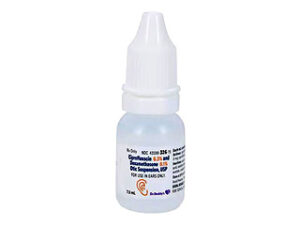


Chloromycetin (Chloramphenicol) — Patient Information (UK)
Chloromycetin is the brand name commonly associated with the antibiotic chloramphenicol. It is used to treat certain bacterial infections and is available in different forms (for example, eye/ear formulations and other topical or specialist preparations depending on local availability). This guide is written to help you understand what the medicine does, how it works, and what to consider for safe use in the United Kingdom.
| Feature | What you should know |
|---|---|
| Active ingredient | Chloramphenicol (often “chloromycetin” as a brand name) |
| Medicine type | Antibiotic |
| Common uses | Specific infections where chloramphenicol is appropriate (often ophthalmic/otologic preparations or specialist cases) |
| How it works | Stops bacteria from making essential proteins |
| Key safety focus | Rare but serious blood disorders; follow dosing carefully and seek urgent help for warning symptoms |
| UK context | Availability and indications may vary by formulation; use should follow current UK guidance |
Basic product information
Chloromycetin contains chloramphenicol, an antibiotic that has been used for decades. In the UK, availability may be limited depending on the formulation and local prescribing practices. The product you receive may be supplied as a preparation intended for a specific route (commonly eye/ear use for appropriate conditions, or other specialist uses).
Always check the label for the exact formulation (for example, eye drops, eye ointment, or other presentation) and the strength stated on the packaging. If you are unsure which form you have, speak to a pharmacist before using it.
How chloramphenicol works (mechanism of action)
Chloramphenicol works by inhibiting bacterial protein synthesis. It binds to the bacterial ribosome (the 50S subunit), preventing the formation of essential proteins needed for bacterial growth and replication. As a result, the bacteria cannot multiply effectively, allowing your immune system to clear the infection.
The medicine’s activity is against susceptible bacteria. In practice, the decision to use chloramphenicol depends on the type of infection, likely bacteria, and the risk/benefit for the individual. Where possible, clinicians consider local guidance, infection severity, and microbiology results.
Pharmacokinetics (how the body processes the medicine)
Pharmacokinetics (PK) describes how a drug is absorbed, distributed, metabolised, and eliminated. The details depend on the route of administration (for example, ophthalmic versus systemic), the integrity of tissues, and the formulation.
- Absorption: Systemic absorption varies by route. For eye/ear preparations, some absorption may occur, but exposure is typically lower than with oral or intravenous use.
- Distribution: Chloramphenicol can distribute into body tissues. In systemic use, it reaches various sites including areas where infections may occur.
- Metabolism: It is mainly metabolised in the liver into inactive forms (for example, via glucuronidation).
- Elimination: Metabolites are excreted primarily through the kidneys, with some elimination through other routes depending on the context.
- Special considerations: Reduced liver function may increase the risk of side effects with systemic exposure. Newborns and infants can be more vulnerable because drug clearance may be slower.
Because PK differs by formulation and route, always follow the specific instructions for your product. If you have questions about how your formulation behaves in the body, ask your pharmacist.
Typical use and indications
Chloromycetin is used to treat bacterial infections where chloramphenicol is considered suitable. In the UK, it has been used particularly in ophthalmology/otorhinolaryngology contexts in specific situations. It may also be used in specialist settings for infections caused by susceptible organisms.
Indications may include:
- Eye infections caused by bacteria susceptible to chloramphenicol (as supported by local guidance and clinical assessment)
- Ear infections in selected circumstances where the bacteria are susceptible and the formulation is appropriate
- Other specialist uses where chloramphenicol is judged appropriate after considering alternatives
Antibiotics should not be used for viral infections (such as most colds or flu). Using antibiotics when they are unlikely to help can increase the risk of side effects and contribute to antimicrobial resistance.
How to take/use it: timing and practical routine
Timing depends on the formulation and the condition being treated. Many topical ophthalmic/otologic regimens are used at set intervals during waking hours. Follow the directions on your label or any written instructions given with your medicine.
General timing tips:
- Use regularly: Try to space doses evenly (for example, morning, afternoon, evening, and bedtime if instructed).
- Keep consistent: Taking doses at similar times each day helps maintain effective exposure.
- Complete the course: Even if you feel better, finish the prescribed/labelled course unless advised otherwise.
- Missed dose: If you miss a dose, use it when you remember unless it is close to the next dose. Do not double up.
For eye preparations, practical routines often include hand hygiene, avoiding touching the dropper tip to the eye, and allowing a short interval between different eye medicines if you use more than one.
Food interactions
Food interactions depend strongly on the route of administration:
- Topical eye/ear formulations: Food is unlikely to have a direct interaction because absorption is typically limited.
- Systemic formulations (if applicable): If you are using a form taken by mouth or otherwise absorbed systemically, food may affect absorption for some medicines, and it is generally safer to take doses as directed by your pharmacist.
If your product is taken by mouth, check your specific patient instructions. When in doubt, ask a pharmacist whether your particular formulation should be taken with or without food.
Alcohol and medicine interactions
For many antibiotics, occasional alcohol may not cause a direct interaction. However, alcohol can worsen illness symptoms, increase the risk of stomach upset in some people, and can complicate recovery. Additionally, chloramphenicol has important safety considerations in certain populations.
Practical advice:
- Avoid alcohol if you feel unwell: This can help recovery and reduce dehydration or irritation.
- Check other medicines: If you take other drugs regularly, ask a pharmacist for advice on interactions specific to your regimen.
- Blood-related risk: Do not take chloramphenicol when you have contraindications or a history of serious blood disorders without specialist advice.
If you are using a topical eye/ear preparation, alcohol interactions are unlikely to mirror those of systemic dosing, but it is still sensible to seek advice if you have a complex medication list or significant medical history.
Medicines that may interact (general guidance)
Interaction potential depends on the formulation and how much reaches the bloodstream. Even for topical use, it’s important to consider your broader medication profile. Ask a pharmacist if you:
- are taking medicines that affect the bone marrow or blood cell production
- have a history of blood problems or abnormal blood counts
- take other antibiotics, medicines for epilepsy, or medicines that affect liver function
- are receiving chemotherapy or immunosuppressive treatment
A pharmacist can screen for interactions based on your specific product strength and your medicines. Keep a list of your medications (including over-the-counter products and supplements) to make this easier.
Dosing (what to expect)
Dosing varies by the infection type, severity, and formulation. The correct schedule is provided on your medicine label and/or by the clinician who arranged your treatment. This section gives general expectations rather than a substitute for your personal instructions.
General dosing principles:
- Follow the label exactly: Do not change the dose or frequency.
- Duration matters: Using the medicine for too short a time may lead to treatment failure; using it longer than advised can increase risk and resistance.
- Age considerations: Chloramphenicol safety is particularly important in children and especially infants, where drug clearance and risk profiles differ.
Important: If you are using eye or ear drops/ointment, dosing is usually described in terms of the number of drops/amount and the frequency per day. If you have been told to use a specific amount (for example, “one drop in the affected eye”), do not alter it without advice.
Safety profile and side effects
Chloramphenicol can be effective, but it has a safety profile that requires careful attention. Some effects are mild and common (especially with topical use), while others are rare but serious.
Common or expected effects
- Local irritation (e.g., mild burning/stinging with eye drops)
- Temporary redness or discomfort
- Tearing or blurred vision shortly after using eye preparations
If these symptoms are mild and improving, they may be expected. If they persist, worsen, or interfere with your vision, stop using the medicine and seek advice promptly from a pharmacist or healthcare professional.
Serious side effects (seek urgent help)
Chloramphenicol is associated with rare serious blood disorders, which can be life-threatening. Seek urgent medical attention if you develop signs that may indicate abnormal blood counts, such as:
- Unusual bruising or bleeding (nosebleeds, bleeding gums)
- Severe tiredness, weakness, or shortness of breath
- Frequent infections or fever
- Persistent sore throat or mouth ulcers
These symptoms warrant prompt medical evaluation. Inform clinicians that you have used chloramphenicol.
Allergy and hypersensitivity
- Rash, hives, swelling of the face/lips, or wheezing
- Severe itching or widespread redness
If you suspect an allergy, stop the medicine and get urgent advice.
Who should be extra cautious?
- People with a history of blood disorders or previous severe reactions to chloramphenicol
- Pregnancy and breastfeeding: discuss risks and benefits with a healthcare professional
- Infants and young children: specialist advice may be required due to higher risk profiles
- Liver disease: may increase risk if systemic exposure occurs
Practical use tips (to improve outcomes and reduce side effects)
- Hand hygiene first: Wash hands before and after using eye/ear preparations.
- Avoid contamination: Do not touch the dropper/ointment tip to the eye or surrounding skin.
- Use the correct technique:
- Eye drops: Gently pull down the lower eyelid; apply the prescribed amount; then close the eye briefly.
- Eye ointment: Apply a thin ribbon if prescribed, without overloading the eye.
- Remove contact lenses: If you wear contacts, ask whether you should stop until infection clears. Many eye infections require avoiding lenses to prevent irritation and contamination.
- Don’t share: Do not share eye/ear medicines with others.
- Keep appointments: If symptoms do not improve as expected, seek reassessment rather than continuing indefinitely.
- Monitor symptoms: Watch for worsening pain, swelling, vision changes, or increasing discharge.
If you are using chloramphenicol alongside other eye drops, you may need to separate them by a time interval. Ask a pharmacist for advice specific to your products.
When to contact a clinician urgently
For eye/ear infections, contact urgent care or seek same-day advice if you have:
- Sudden or worsening vision problems
- Severe pain, significant swelling, or you feel very unwell
- No improvement after a short period (often within 48–72 hours for many mild infections, but follow your instructions)
- Symptoms getting worse instead of better
- High fever or symptoms spreading rapidly
These symptoms may indicate a different cause, a complication, or a resistant organism needing alternative treatment.
Alternative options
Alternatives depend on the type of infection and suspected bacteria. In the UK, clinicians often consider other antibiotics with different safety profiles and resistance patterns. Your pharmacist or clinician can suggest the most suitable options based on your condition.
Examples of alternative antibiotics (depending on site and organism):
- Topical options for eye/ear infections may include other ophthalmic/otic antibiotics (commonly chosen based on local guidelines and susceptibility).
- Oral antibiotics may be used for certain systemic infections where appropriate.
- Non-antibiotic supportive care (e.g., pain relief, hydration) may also be part of management.
It’s important not to switch antibiotics on your own. If chloramphenicol is not effective or symptoms return, seek advice promptly so that the diagnosis and antibiotic choice can be reassessed.
Market and legal context in the UK
In the UK, medicines are regulated and monitored under UK pharmaceutical regulatory frameworks. Availability, prescribing practices, and indications may change due to:
- Regulatory assessments and updates to product information
- Antimicrobial resistance and local guidance updates
- Safety considerations and evolving risk–benefit recommendations
- Supply and formulation availability (different strengths and forms may be offered)
Recent clinical and public health emphasis across the UK has been on appropriate antibiotic use to help reduce antimicrobial resistance. This includes choosing the narrowest effective treatment and reviewing if symptoms do not improve.
Recent guidance (UK practice overview)
UK antibiotic guidance commonly supports:
- Using antibiotics only when likely bacterial and when benefits outweigh risks
- Reviewing treatment quickly if no improvement occurs
- Encouraging targeted therapy where cultures or susceptibility results are available
- Considering safer alternatives when appropriate
For chloramphenicol specifically, safety considerations—particularly the rare risk of serious blood disorders— contribute to careful selection of where it is used. The best choice depends on the infection, your medical history, and availability of alternatives.
Delivery and availability in the UK
Availability can vary by formulation and local stock levels. If you order from an online pharmacy, your order may be fulfilled based on current inventory and the product’s supply status. Delivery times depend on:
- Stock availability
- Packaging and cold-chain requirements (if any—generally not required for typical topical formulations)
- Your UK location (standard versus express services)
When placing an order, check the estimated delivery window shown at checkout. If the product is temporarily unavailable, the pharmacy may offer an alternative where clinically appropriate or contact you to confirm options.
Safety reminders for storage and handling
- Store as directed: Follow the label for temperature and protection from light.
- Check expiry dates: Do not use past the expiry date.
- Keep out of reach of children: Store safely.
- Discard appropriately: Do not keep opened containers for longer than recommended by your medicine instructions.
FAQ
Is chloromycetin the same as chloramphenicol?
Yes. Chloromycetin is a brand name; the active ingredient is chloramphenicol. Different products may exist in different strengths and formulations.
What infections is chloramphenicol used for in the UK?
It is used for selected bacterial infections, commonly in specialist contexts such as certain eye or ear infections caused by bacteria susceptible to chloramphenicol. Exact indications depend on the formulation and current local guidance.
How quickly should symptoms improve?
Many mild bacterial infections start to improve within a short period, but this varies by condition and severity. If you have no improvement after a couple of days or your symptoms worsen, seek advice promptly rather than continuing without review.
Can I use chloramphenicol with other eye drops or ear treatments?
Sometimes yes, but timing may be important. Ask a pharmacist how to space different products to avoid dilution or interference.
Can I wear contact lenses?
For eye infections, contact lenses are often not recommended until the infection is resolved. Ask your pharmacist or clinician for advice based on your specific infection and treatment.
Does chloramphenicol interact with alcohol?
There is often no direct interaction with occasional alcohol for topical use, but alcohol can worsen how you feel while you are unwell. If you are using a systemic formulation (if applicable), ask a pharmacist for personalised interaction advice.
What should I do if I miss a dose?
Use it when you remember unless it is close to the next dose. Do not double the dose to catch up. For eye/ear medicines, continue with the regular schedule afterwards.
Are there any serious side effects I should watch for?
Although uncommon, chloramphenicol can rarely cause serious blood disorders. Seek urgent medical attention for symptoms such as unusual bruising or bleeding, persistent sore throat, frequent infections, severe tiredness, or fever.
Who should avoid chloramphenicol or use it only with special advice?
People with a history of serious blood disorders or previous severe reactions should avoid it unless a specialist advises otherwise. Children, infants, pregnant people, and those with liver problems may require extra caution.
Is it safe to use during pregnancy or breastfeeding?
Safety depends on the situation and formulation. Discuss risks and benefits with a healthcare professional before use.
What if my symptoms keep coming back?
Recurrence may indicate incomplete treatment, the wrong diagnosis, a resistant organism, or an underlying issue. Seek advice for reassessment and possible microbiology or an alternative treatment plan.
Summary
Chloromycetin (chloramphenicol) is an antibiotic that works by stopping bacteria from producing essential proteins. It may be used for selected bacterial infections—often in specialist scenarios—where its benefits outweigh risks. Because it can have rare but serious safety concerns, it is important to follow the dosing schedule exactly and seek urgent advice if warning symptoms occur. If you have any uncertainty about how to use your specific formulation, consult your pharmacist.