Ciprofloxacin + Dexamethasone (Ciprofloxacin/Dexamethasone)
Ciprofloxacin/Dexamethasone is a combination medicine that contains:
- Ciprofloxacin, an antibiotic in the fluoroquinolone group
- Dexamethasone, a corticosteroid that reduces inflammation
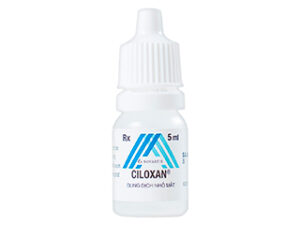
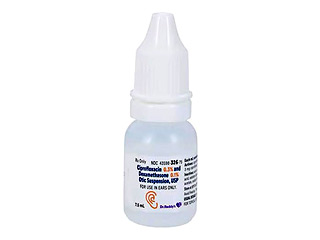
It is commonly used as an eye preparation (and in some product formats, an ear preparation as directed). This leaflet-style guide is written for an online pharmacy website in the United Kingdom and aims to explain how the medicine works, how it is typically used, and what to watch for.
Basic product information
| Category | What it is |
|---|---|
| Medicine type | Antibiotic + corticosteroid combination |
| Active ingredients | Ciprofloxacin + Dexamethasone |
| Common use | Inflammation with suspected/confirmed bacterial infection (as appropriate) |
| Route | Typically ophthalmic (eye) or otic (ear), depending on product format |
| Typical duration | Often short-term and tailored to the condition |
Important: Products may vary by strength and form (e.g., drops/ointment). Always follow the instructions provided with your specific pack.
How it works (mechanism of action)
Ciprofloxacin is an antibiotic that kills bacteria by interfering with key enzymes involved in bacterial DNA replication. In simple terms, it prevents bacteria from multiplying and helps the infection resolve.
Dexamethasone is a corticosteroid. It reduces inflammation by affecting inflammatory signalling pathways, helping to lower redness, swelling, itching, and pain caused by the inflammatory response.
The combination is intended to treat both:
- Bacterial infection (ciprofloxacin)
- Inflammation that occurs with the infection (dexamethasone)
Because dexamethasone can reduce symptoms, it’s essential that clinicians monitor treatment when indicated, especially in conditions where infection type matters (see “Safety profile” and “When to seek urgent help”).
Pharmacokinetics (what the body does to the medicine)
Pharmacokinetics can vary depending on whether the medicine is used in the eye or ear, the integrity of local tissue, and the formulation. In general:
- Absorption: With local (topical) use, only small amounts may enter the bloodstream. Absorption can be higher if there is significant inflammation or if barriers are disrupted.
- Distribution: Limited systemic distribution is typical after local administration.
- Metabolism: Any absorbed fraction may undergo metabolic processing in the body.
- Elimination: The small absorbed fraction is mainly cleared by normal bodily elimination pathways.
For safety, the key point is that most of the medicine’s action is local at the site of infection/inflammation, while systemic exposure tends to be low.
Typical uses (indications)
Ciprofloxacin/dexamethasone is generally used for conditions in which there is both inflammation and a bacterial component, as determined by a healthcare professional. Depending on the exact product and local guidance, it may be considered for certain:
- Inflamed eye conditions where bacterial infection is suspected or confirmed
- Post-operative inflammatory management when bacterial coverage is considered appropriate
- Other site-specific infections with inflammation as directed by clinical assessment
Not for use for all eye/ear problems. If symptoms could be due to viruses (e.g., herpes simplex), fungal infection, or another non-bacterial cause, a steroid-containing product may be inappropriate.
Timing and how to take/use it
Always follow the schedule supplied with your medicine. A typical regimen for eye/ear drops may involve multiple doses per day initially, then tapering depending on response and the condition being treated.
General timing principles
- Use at evenly spaced times during waking hours if you are taking multiple doses daily.
- Do not skip doses unless advised; consistent dosing helps control bacterial growth.
- Finish the course as instructed, even if symptoms improve.
- Shake if directed (some ophthalmic preparations require shaking; many do not—check your label).
- Allow time between different eye medicines if you are using more than one product.
Suggested spacing with other eye drops
If you are using multiple eye products, a common approach is to wait at least 5 minutes between different drops/solutions. If using an ointment as well, it’s often applied last. Confirm your routine with your pharmacist.
Food interactions
Because ciprofloxacin/dexamethasone is usually given as a local preparation (eye/ear), food interactions are not expected to be clinically significant.
- No specific dietary restrictions are typically required.
- If you are taking other systemic medicines, those interactions may still apply—but they are not driven by food for this topical combination.
Alcohol and medicine interactions
For topical ciprofloxacin/dexamethasone, direct interactions with alcohol are unlikely because systemic absorption is usually low. However, alcohol can sometimes worsen dehydration or general wellbeing, which may indirectly affect comfort during recovery.
- General recommendation: avoid heavy alcohol intake while you are unwell or if you have blurred vision or dizziness from other medicines.
- If you take other medications, check interactions as usual with your pharmacist, especially if you are also on systemic antibiotics or steroid-containing medicines.
Seek advice if you have complex medical conditions or are taking multiple therapies.
Dosing (typical approach)
Dosing depends on the site (eye vs ear), the severity of the condition, the formulation strength, and your clinical response.
- Follow the exact instructions on your prescription label and patient information leaflet.
- Do not increase the dose or reduce the interval unless advised.
- For missed doses: use it when you remember unless it’s close to the next dose. Do not double up.
As an example of how dosing is often structured (not a universal schedule):
- Initial period: may involve more frequent dosing
- Review/taper: may reduce frequency as symptoms improve
Your clinician or pharmacist may adjust your dosing based on examination and response.
Indications in more detail: when it may be appropriate
Combination treatment can be particularly useful when symptoms are driven by both bacterial infection and an inflammatory response. A steroid component can relieve swelling and discomfort, while the antibiotic component helps address bacterial causes.
However, steroid-containing eye/ear medicines are not one-size-fits-all. They are generally used when:
- Bacterial infection is likely or has been identified
- The clinician has ruled out or considered conditions where steroids could be harmful
- The expected benefit outweighs risks (e.g., short-term treatment with monitoring)
Safety profile
Like all medicines, ciprofloxacin/dexamethasone can cause side effects. Many people experience no serious problems, but it’s important to know what to watch for.
Common or expected side effects
- Temporary burning/stinging on instillation
- Redness or mild irritation
- Tearing or discomfort
- Blurred vision briefly after applying eye drops
Less common but important risks
- Increased eye pressure (steroid response): Prolonged steroid use can raise intraocular pressure, potentially leading to glaucoma in susceptible individuals.
- Changes to the cornea: Steroids may affect healing of eye surface tissue in certain conditions.
- Masking or worsening of infection: Steroids can reduce visible inflammation, potentially delaying recognition of complications or non-bacterial infections.
- Allergic reactions: Itching, swelling, or worsening redness may indicate hypersensitivity.
When to seek urgent medical help
Contact urgent care or seek immediate advice if you experience:
- Severe eye pain
- Marked worsening of redness or swelling
- Significant or persistent vision changes (beyond brief blur after drops)
- Increasing discharge, fever, or feeling very unwell
- Symptoms not improving within the expected timeframe
Who should take extra care
- People with a history of glaucoma or raised eye pressure
- Those with known viral eye infections (e.g., herpes simplex) where steroid use may be harmful
- People with suspected fungal eye/ear infection
- Anyone wearing contact lenses (see practical tips below)
Practical use tips (to get the best effect and avoid contamination)
How to apply eye drops safely
- Wash your hands thoroughly before and after use.
- Avoid touching the bottle tip to the eye, eyelids, or surrounding skin.
- Lean your head back, look upward, and pull down the lower eyelid gently to create a small “pocket.”
- Instil the prescribed number of drops into the pocket without blinking excessively.
- Keep the eye closed gently for 1–2 minutes after applying (this can help reduce drainage and improve local effect).
- If instructed, repeat for the other eye.
How to apply ear drops safely
- Wash hands before use.
- Warm the bottle in your hand for a moment if it feels cold (cold drops can cause dizziness).
- Tilt the head and apply the dose as directed. Keep the position for a short period.
- Do not insert objects into the ear.
Contact lenses
If you wear contact lenses, it’s usually advised to avoid using them during treatment (and sometimes for a period after), because contamination and corneal irritation can occur. Follow the advice given with your product and consult your pharmacist if you need guidance.
Storage
- Store according to the pack instructions (some eye/ear drops require specific temperature handling).
- Keep away from excessive heat and out of sight of children.
- Check the expiry date and any “discard after opening” instruction.
Stopping rules
Don’t stop early without advice if you’re meant to complete a course. If side effects are troublesome, contact a healthcare professional for guidance.
Alternative options
Alternative treatments depend on what is causing the symptoms (bacterial vs viral vs allergic vs fungal) and whether inflammation is severe. Options your pharmacist or clinician may consider include:
- Antibiotic-only drops/ointments (for bacterial infection without significant inflammatory suppression)
- Steroid-only anti-inflammatory drops (for inflammation without bacterial involvement, under specialist guidance)
- Other antibiotic combinations for broader coverage (depending on local resistance patterns and diagnosis)
- Supportive therapies such as lubricating drops for comfort (where appropriate)
- Antiviral treatment if herpes-related disease is suspected (steroid-containing products may be avoided)
The “best” alternative depends on the diagnosis. If symptoms don’t improve, it may be necessary to reassess the cause.
Market & legal context in the United Kingdom
Medicines containing antibiotics and corticosteroids are regulated in the UK under medicines legislation and are dispensed in line with regulatory requirements. In general:
- They are subject to quality, safety, and manufacturing standards.
- Supply is usually linked to appropriate clinical assessment for eye/ear conditions, because these conditions can occasionally become serious.
- Pharmacists help ensure correct use, proper dosing, and appropriate counselling (including red flags).
Guidance and recommendations can be updated as new evidence emerges. Your healthcare professional and pharmacist remain the best sources for what is currently recommended for your specific condition.
Recent guidance and clinical considerations (UK)
While specific protocols can vary by condition and local pathways, UK clinical practice commonly emphasises:
- Accurate diagnosis before using steroid-containing eye/ear medicines
- Short, targeted courses when steroids are included
- Monitoring for steroid-related effects when treatment is prolonged
- Antibiotic stewardship to reduce unnecessary use of antibiotics
If you are unsure whether your symptoms fit the likely diagnosis, seek advice promptly—especially for pain, light sensitivity, or sudden vision changes.
Delivery and availability (UK)
Availability of ciprofloxacin/dexamethasone may vary depending on the specific brand, formulation strength, and product pack size. Many pharmacy services in the UK offer:
- Home delivery where allowed by the supply route
- Click-and-collect options (depending on the pharmacy)
- Stock updates and alternative suggestions if a particular pack is temporarily unavailable
Delivery times can vary by carrier and location. Your order confirmation should provide the estimated delivery window. If your treatment is time-sensitive due to symptoms, contact customer support for real-time availability.
FAQ
1) What is ciprofloxacin/dexamethasone used for?
It is used to treat conditions where bacterial infection and inflammation occur together in the eye (or sometimes the ear, depending on the product). It helps reduce symptoms while the antibiotic targets the bacterial cause.
2) How quickly will I feel better?
Some people notice improvement within 1–2 days, but complete resolution may take longer depending on the condition and severity. If there is no improvement within the timeframe advised by your healthcare professional, seek review.
3) Can I wear contact lenses while using it?
It is usually recommended to avoid contact lenses during treatment. Contact your pharmacist for advice based on your specific product and diagnosis.
4) What if I miss a dose?
Use it when you remember unless it’s close to the next dose. Do not double up. If you frequently miss doses, ask your pharmacist for practical tips.
5) Can I use it with other eye drops?
Often yes, but spacing matters. A common approach is to wait at least 5 minutes between different drops. Ointments are often applied last. Follow your pharmacy instructions.
6) Are there food interactions?
Food interactions are not usually expected for this topical combination. Focus instead on correct application and spacing with other eye/ear products.
7) Is alcohol allowed?
Direct alcohol interactions are unlikely due to low systemic absorption, but it’s still sensible to avoid excessive alcohol while you’re unwell or if you’re taking other medicines.
8) What are the key warning signs that mean I should stop and get advice?
Seek urgent advice if you have severe eye pain, significant vision changes, rapidly worsening redness, or no improvement as expected. Also contact a clinician if you suspect an allergic reaction.
9) Why does this medicine contain a steroid?
The steroid (dexamethasone) reduces inflammation and discomfort. It is included because some infections cause significant swelling and redness. However, steroids are not suitable for every cause of eye/ear symptoms, so proper assessment is important.
10) What are safer alternatives if I can’t use this medicine?
Alternatives may include antibiotic-only products, anti-inflammatory options without steroid, lubricating drops, or other targeted therapies depending on the diagnosis. A pharmacist can help you identify suitable options based on symptoms and product availability.
Always read the patient information leaflet provided with your medicine. If you have any questions about how to use ciprofloxacin/dexamethasone safely, speak to a pharmacist—especially if symptoms are severe, worsening, or not improving.