

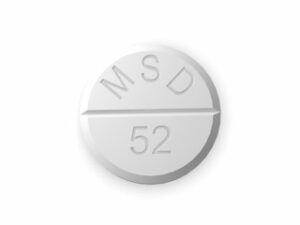
Cyproheptadine (Antihistamine) – Patient Guide (UK)
Cyproheptadine is an antihistamine medicine used for the relief of allergy symptoms and for a number of other conditions where an antihistamine may be helpful. This guide explains what cyproheptadine is, how it works, how it’s taken, what to expect, and important safety information—written for patients in the United Kingdom.
Always follow the instructions provided by your clinician or the information leaflet that comes with your medicine. If you have questions about whether cyproheptadine is suitable for you, speak to a pharmacist.
Basic product information
| Feature | What it means for cyproheptadine |
|---|---|
| Generic name | Cyproheptadine |
| Medicine type | First-generation antihistamine (often sedating) |
| Common uses | Allergic symptoms; sometimes used for appetite-related or other specialist indications depending on the patient |
| How it is taken | By mouth (tablets or syrup depending on product/strength) |
| Typical side effects | Drowsiness, dry mouth, dizziness, constipation (varies by person) |
| Onset | Often within 1–2 hours (may vary with dose and formulation) |
How cyproheptadine works (mechanism of action)
Cyproheptadine is an antihistamine that works mainly by blocking histamine receptors, particularly the H1 receptor. Histamine is a substance released in the body during allergic reactions. By blocking these receptors, cyproheptadine can reduce symptoms such as itching, sneezing, runny nose, hives, and swelling related to allergy.
Cyproheptadine also has additional pharmacological effects that can contribute to its clinical uses. Depending on the indication and the individual, its effects on other pathways may influence:
- Appetite (some people experience increased appetite)
- Sedation (it can cross into the brain, leading to drowsiness in many patients)
- Anticholinergic effects (e.g., dry mouth, constipation, blurred vision in some people)
Pharmacokinetics (how the body handles it)
Pharmacokinetics describes absorption, distribution, metabolism, and elimination. While exact parameters can vary between individuals and formulations, general patterns are useful for understanding expectations.
Absorption
Cyproheptadine is absorbed after oral administration. Peak effects typically occur within a few hours, though this can vary depending on whether you take it with or without food.
Distribution
Because cyproheptadine is sufficiently lipophilic, it distributes into body tissues, including the central nervous system—one reason sedation is common.
Metabolism
Cyproheptadine is metabolised in the liver. This means liver health and other medicines that affect liver enzymes can influence levels and effects.
Elimination
The drug and its metabolites are eliminated primarily via urine. The duration of effect depends on dose, patient factors, and formulation.
Typical use in the UK
Cyproheptadine is used to relieve symptoms related to allergy and has additional uses depending on the clinical situation. In practice, patients may see it used for:
- Allergic rhinitis (symptoms such as sneezing, runny or itchy nose)
- Urticaria (hives) and itching associated with allergic skin reactions
- Other specialist indications where an antihistamine effect or appetite-related effect may be considered
The exact indication for an individual can vary. If you’re unsure why you have been given cyproheptadine, ask your pharmacist or clinician.
Timing: when to take cyproheptadine
Many patients find it helpful to take cyproheptadine at a time that matches their symptom pattern and minimises daytime drowsiness. Because it can cause sleepiness, evening dosing is commonly used where appropriate.
- Follow your labelled instructions for how many times per day and at what times.
- Be cautious when driving or operating machinery until you know how it affects you.
- Maintain consistent spacing if it’s prescribed more than once daily (e.g., evenly spaced doses).
Food interactions
Food can influence how quickly some medicines are absorbed. For cyproheptadine, taking it with food may help some people reduce stomach discomfort, while others may find it works faster when taken on an empty stomach. Follow the specific instructions provided with your product.
Practical tips:
- If you notice nausea or indigestion, consider taking it with a snack or meal.
- If drowsiness is troublesome, try taking it at night (only if this fits your dosing schedule).
- Try to keep your dosing routine stable so you can judge effectiveness and side effects more reliably.
Alcohol interactions
Cyproheptadine can cause drowsiness and slow reaction times. Drinking alcohol can increase these effects, making it more dangerous. For this reason, it’s generally recommended to avoid alcohol while taking cyproheptadine, or keep alcohol to a minimum and observe how you respond.
- Increased sedation: alcohol may make you feel much sleepier than expected.
- Reduced alertness: your ability to concentrate and react may be impaired.
- Risk with driving: avoid driving or cycling if you feel sleepy or slowed.
Interactions with other medicines
Cyproheptadine may interact with other medicines, particularly those that also cause drowsiness or have anticholinergic effects. Always review your current medicines (including over-the-counter products and herbal remedies) with a pharmacist.
Medicines that may increase drowsiness
- Some sleeping tablets or sedatives
- Some medicines for anxiety
- Strong painkillers (especially opioids)
- Some antidepressants and antipsychotics
- Other antihistamines (to avoid “stacking” sedation)
Medicines with anticholinergic effects
Because cyproheptadine has anticholinergic activity, combining it with other anticholinergic medicines may increase side effects such as dry mouth, constipation, blurred vision, and difficulty passing urine.
- Some medicines for bladder symptoms
- Some motion sickness or travel medicines
- Some medicines for Parkinson’s disease
Liver metabolism interactions
As cyproheptadine is metabolised in the liver, medicines that affect liver enzymes may change how long it stays active in your body. Your pharmacist can advise if any of your medicines could interact.
Indications (what cyproheptadine may be used for)
Cyproheptadine is generally used for allergic conditions and sometimes for other conditions depending on clinical judgement and patient needs. Indications may vary based on formulation and local prescribing practice.
Common indications include:
- Allergic rhinitis (itching, sneezing, runny nose)
- Urticaria and itching due to allergic skin reactions
- Other conditions where antihistamine action and/or appetite effects may be relevant
If your medicine was recommended to help with appetite, weight gain, or another non-allergy symptom, ask your pharmacist about the specific reason for your dose and timing.
Dosing: how to take cyproheptadine
The right dose depends on the condition being treated, age, and individual response. Different strengths and formulations exist (for example, tablets or syrup). Always use the dose written on the label and the information leaflet for your specific product.
General dosing principles
- Start low and adjust carefully: if you are sensitive to sedating antihistamines, you may need a cautious approach.
- Do not exceed the labelled dose: taking more can increase the risk of side effects.
- Keep dosing intervals regular: if taken multiple times daily, try to space doses evenly.
Missed dose
If you miss a dose, take it as soon as you remember unless it’s close to the next dose. Do not take a double dose to make up for a missed one.
Duration of use
For allergy symptoms, cyproheptadine may be used during periods of exposure or when symptoms flare. For longer courses, your clinician should review whether it remains appropriate and effective.
Safety profile: who should take care
Cyproheptadine is generally well tolerated for many people, but its side effects—especially sedation and anticholinergic effects—mean it may not suit everyone. Pay attention to the safety points below and seek advice if you have concerns.
Common side effects
- Drowsiness or sleepiness
- Dizziness
- Dry mouth
- Constipation
- Blurred vision (occasionally)
- Increased appetite (some people)
Less common but important effects
- Urinary retention (trouble passing urine), especially in those with prostate enlargement
- Confusion or unusual behaviour (more likely in older adults)
- Fast heartbeat or palpitations (rare)
- Allergic reaction to the medicine (rare; seek urgent help if you develop swelling of the face/lips, wheezing, or severe rash)
Who should be extra cautious
- Older adults: anticholinergic and sedative effects may be stronger.
- People with glaucoma (especially narrow-angle glaucoma): anticholinergic medicines can worsen eye pressure.
- People with difficulty passing urine or enlarged prostate.
- Those with liver problems: higher levels may occur; dosing advice may be needed.
- People taking multiple sedating medicines: additive sedation is possible.
Practical use tips (for best results)
- Check the timing for sedation: if you feel sleepy, avoid daytime use and consider evening dosing only if it fits your schedule.
- Take care with activities: until you know how it affects you, don’t drive, ride a bike on busy roads, or operate machinery.
- Manage dry mouth: sip water regularly, chew sugar-free gum, and maintain good oral hygiene.
- Support bowel regularity: ensure adequate fluids and fibre; consider gentle stool softening strategies if constipation occurs (ask a pharmacist).
- Don’t double up: avoid taking more than one antihistamine at the same time unless advised.
- Keep track of symptoms: note whether itching, sneezing, or hives improve—this helps decide whether the medicine is working.
Alternative options
Depending on your symptoms and medical history, other antihistamines or allergy treatments may be more suitable. For example, non-sedating (second-generation) antihistamines are often preferred for daytime allergy control because they tend to cause less drowsiness.
Possible alternatives include:
- Second-generation antihistamines (often less sedating, e.g., cetirizine, loratadine, fexofenadine—availability and suitability depend on patient factors)
- Intranasal corticosteroids for persistent allergic rhinitis
- Barrier methods (e.g., for some seasonal symptoms)
- Combination regimens guided by a pharmacist or clinician
Your pharmacist can help you choose a product based on whether you need day-time alertness, how severe your symptoms are, and any other medicines you take.
Market and legal context in the United Kingdom
Medicines availability and classification in the UK can differ between products, formulations, and strengths. Some antihistamines may be available in pharmacies without a prescription, while others may be supplied with professional oversight depending on local rules and the specific product.
For cyproheptadine specifically, availability in the UK may depend on the manufacturer’s product availability, formulation type (tablet vs syrup), and regulatory classification at the time of supply. Your UK online pharmacy listing will state what is available for purchase, delivery options, and any required screening steps.
Recent guidance (general UK allergy approach)
UK allergy management commonly emphasises:
- Using non-sedating antihistamines for daytime symptoms when possible
- Choosing sedation-appropriate timing when a first-generation antihistamine is used
- Reviewing ongoing symptoms if treatment is needed frequently or does not control symptoms
- Considering underlying triggers (e.g., seasonal allergens, dust, pets)
If your symptoms persist beyond expected periods, or if you have severe reactions (e.g., breathing difficulties, swelling of the mouth/throat), seek urgent medical attention and discuss longer-term management with a healthcare professional.
Delivery and availability (UK online pharmacy)
Delivery availability, courier choice, and dispatch times can vary by UK online pharmacy and by the specific product/pack size. Many pharmacies provide options such as standard delivery and tracked delivery.
- Check stock status on the product page for up-to-date availability.
- Packaging: medicines are typically supplied in original packaging with patient information.
- Storage: follow the storage instructions on the pack (e.g., keep out of sight and reach of children; store away from excessive heat).
- Delivery address: ensure your delivery details are correct to avoid delays.
If you need cyproheptadine in a particular strength or formulation (for example, syrup vs tablets), confirm that the online listing matches your intended product.
Safety checklist: when to stop and get urgent help
Seek urgent medical advice if you experience signs of a serious allergic reaction or severe side effects. In the UK, call 999 for life-threatening emergencies.
- Swelling of the face, lips, tongue, or throat
- Wheezing, trouble breathing, or tightness in the chest
- Severe dizziness/fainting
- Severe confusion, hallucinations, or marked agitation
- Severe trouble passing urine
- Uncontrolled muscle stiffness or very high fever (rare, urgent)
FAQ: Cyproheptadine
1) Is cyproheptadine the same as other antihistamines?
Cyproheptadine is an antihistamine, but it is a first-generation type and is more likely to cause drowsiness than many newer, non-sedating options. Different antihistamines vary in how sedating they are and their side-effect profiles.
2) Will cyproheptadine make me sleepy?
Many people experience drowsiness or sedation. Until you know your response, avoid driving and be careful with tasks requiring alertness. Alcohol can increase sleepiness.
3) Can I take cyproheptadine with food?
Usually it can be taken with or without food, but your product leaflet and label should guide you. If you experience stomach upset, taking it with a meal or snack may help.
4) How long does it take to work?
Some relief may start within about 1–2 hours after taking it by mouth, but the timing varies by person and formulation. If symptoms are not improving after an appropriate period, consult a pharmacist for advice.
5) What should I do if I miss a dose?
Take it when you remember unless the next dose is due soon. Do not take a double dose.
6) Are there any foods I must avoid?
There are no universal “must-avoid” foods for cyproheptadine, but food may affect absorption speed. Follow the instructions on your product and keep a consistent routine to judge effect.
7) Can I drink alcohol while using cyproheptadine?
It’s generally best to avoid alcohol. Alcohol can increase drowsiness and impair reaction times, which may be unsafe.
8) Can I take other cold and flu medicines at the same time?
Some cold and flu remedies contain antihistamines or other ingredients that can increase drowsiness or interact with cyproheptadine. Check the labels and ask a pharmacist if you’re unsure.
9) Is cyproheptadine suitable for children?
Children may be prescribed cyproheptadine in certain situations, but dosing and suitability depend on age, weight, and the specific product. Use only the dose and schedule provided for your child and confirm with a pharmacist if you are uncertain.
10) What are the most common side effects?
Drowsiness, dry mouth, dizziness, and constipation are among the more common effects. If side effects are severe or persistent, speak to a pharmacist.
Disclaimer and final advice
This page provides general information about cyproheptadine for patients in the United Kingdom. Individual suitability can vary based on your medical history, age, other medicines, and the specific reason for taking cyproheptadine. If you have any doubt, consult a pharmacist before use.